
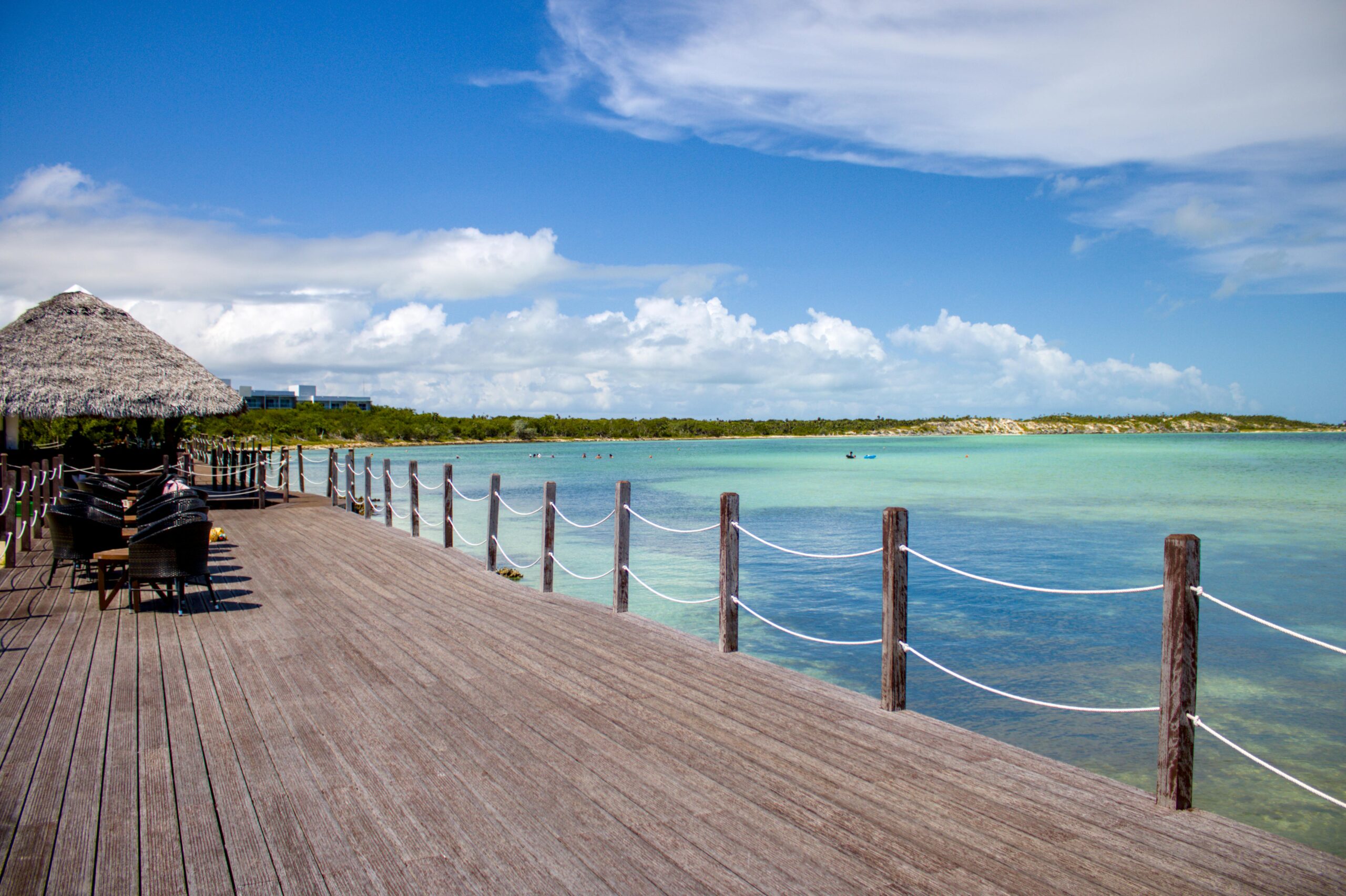
Cuba’s white-sand beaches and all-inclusive resorts have long been marketed as symbols of escape—isolated from global turbulence, frozen in time, and buffered from geopolitics. That illusion is now collapsing.
As U.S. policy moves to further restrict fuel shipments linked to Cuba, beach resorts across the island are scaling back operations or shutting down entirely. While the immediate cause is energy scarcity, the deeper story is about how fragile Cuba’s tourism model has become—and how quickly global politics can empty even the most idyllic destinations.

1. Why fuel is the lifeblood of Cuban tourism
Tourism in Cuba is far more energy-dependent than it appears.
Fuel powers:
- Electricity for hotels and resorts
- Air conditioning in a tropical climate
- Water pumping and desalination
- Food refrigeration and transport
- Airport operations and ground transport
Unlike many tourism destinations, Cuba cannot easily source fuel on global markets. It relies on a narrow network of suppliers and complex shipping arrangements that are highly sensitive to sanctions.
When fuel flows slow, tourism grinds to a halt.
2. What the new U.S. restrictions actually change
The latest U.S. actions do not simply target Cuba directly—they target the logistics chain.
By discouraging or penalizing:
- Shipping companies
- Insurers
- Fuel traders
- Port operators
The policy increases the cost and risk of delivering fuel to Cuba. Even companies willing to sell fuel may struggle to transport it legally or profitably.
This indirect pressure often has faster and broader effects than outright bans.
3. Why beach resorts are closing first
Resorts are among the most energy-intensive operations on the island.
They require:
- Continuous power
- Stable water supply
- Large-scale food logistics
- Diesel generators during outages
When fuel is scarce, the government prioritizes:
- Hospitals
- Food distribution
- Public transportation
- Critical infrastructure
Tourism, once a top priority, now competes with basic survival needs. Resorts become expendable.
4. The hidden workers behind the closures
Each resort closure ripples through local communities.
Tourism supports:
- Hotel staff and service workers
- Farmers supplying food
- Transport drivers
- Craftspeople and guides
Many workers are paid partly in foreign currency or tips, making tourism one of the few sectors offering relative economic stability.
When resorts close, workers don’t just lose jobs—they lose access to goods, remittances, and informal economic networks.
5. Why tourism was already struggling before fuel shortages
Fuel restrictions are accelerating a decline that was already underway.
Cuba’s tourism sector has faced:
- Pandemic-era collapse
- Aging infrastructure
- Competition from Caribbean neighbors
- Declining service quality due to shortages
- Frustration among repeat visitors
Fuel shortages didn’t create the crisis—but they exposed how little resilience the system had left.

6. The contradiction at the heart of Cuba’s tourism strategy
Cuba has invested heavily in resort construction over the past decade, often with foreign partners. Yet:
- Infrastructure maintenance lagged
- Energy diversification stalled
- Local supply chains remained weak
- Tourism revenue failed to trickle down broadly
This created a model dependent on uninterrupted external inputs—fuel, food, spare parts—while offering little flexibility when those inputs vanished.
7. Environmental and climate pressures compound the crisis
Cuba’s energy system is already stressed by:
- Aging power plants
- Extreme heat increasing electricity demand
- Hurricanes damaging infrastructure
- Limited renewable energy capacity
Resorts amplify these pressures. In a fuel-constrained future, luxury tourism becomes harder to justify politically and practically.
8. What this means for travelers
For travelers considering Cuba:
- Resort closures may be sudden and poorly communicated
- Services may be limited even at open hotels
- Transportation disruptions are increasingly common
- Experiences may differ sharply from marketing promises
This doesn’t mean Cuba is closed—but it does mean expectations must change.
9. Broader geopolitical consequences
Tourism is one of Cuba’s main sources of foreign currency. When it falters:
- Import capacity shrinks
- Inflation worsens
- Public dissatisfaction grows
- Emigration pressures increase
Fuel restrictions aimed at political leverage often land hardest on civilians—reshaping daily life far beyond beach resorts.
10. Is there a path forward?
Cuba’s long-term options are limited but not nonexistent.
Potential shifts include:
- Accelerating renewable energy investment
- Diversifying tourism away from large resorts
- Supporting smaller, community-based lodging
- Reducing dependence on fuel-intensive models
But these require time, capital, and political space—resources in short supply.
Conclusion: When geopolitics reaches the shoreline
The closure of Cuba’s beach resorts is not just a tourism story. It is a reminder that even paradise runs on fuel—and that global political decisions can drain a coastline of visitors almost overnight.
Cuba’s beaches remain. But the system that sustained mass tourism around them is under strain like never before.
What replaces it—if anything—will define the island’s next chapter.
Frequently Asked Questions (FAQ)
1. Why are Cuban beach resorts closing?
Primarily due to fuel shortages that disrupt electricity, water, and transport.
2. Are all resorts in Cuba closed?
No. Closures are uneven and can change quickly depending on fuel availability.
3. How are U.S. policies affecting fuel supply?
By discouraging shipping and insurance services, making fuel delivery risky and expensive.
4. Is it still possible to visit Cuba?
Yes, but travelers should expect disruptions and limited services.
5. Are locals affected more than tourists?
Yes. Workers and communities dependent on tourism lose income and access to goods.
6. Why doesn’t Cuba just buy fuel elsewhere?
Sanctions, financing limits, and shipping risks severely restrict options.
7. Was tourism already declining?
Yes. The pandemic and economic challenges weakened the sector before fuel shortages intensified problems.
8. Will tourism recover if fuel supply improves?
Possibly, but structural issues remain.
9. Are smaller guesthouses affected?
Yes, though they may operate with less energy—but still rely on fuel-dependent systems.
10. What’s the long-term outlook?
Uncertain. Without energy reform and diversification, tourism will remain fragile.

Sources Bloomberg

