

Cuba has long occupied a unique place in global tourism. Known for its colonial architecture, vintage cars, vibrant music, and Caribbean beaches, the island has attracted millions of visitors despite decades of political tension and economic isolation. Yet Cuba’s tourism industry—one of its most vital economic sectors—faces a complex future shaped by international politics, economic hardship, and shifting travel patterns.
In recent years, Canadian tourists have become the backbone of Cuba’s tourism economy, particularly as U.S. travel restrictions have fluctuated depending on American political leadership. With discussions surrounding potential changes to U.S. policy under different administrations and ongoing economic challenges on the island, Cuba now finds itself at a tourism crossroads.
This article explores how geopolitical tensions, travel restrictions, and changing traveler preferences are reshaping Cuba’s tourism landscape, while also examining what the future might hold for the island’s most important industry.
The Importance of Tourism to Cuba’s Economy
Tourism is one of Cuba’s primary sources of foreign currency, alongside remittances and medical services. Before the COVID-19 pandemic, the island welcomed over four million international visitors annually.
Revenue from tourism supports:
- Hotels and resorts
- Restaurants and private guesthouses
- Taxi drivers and transportation services
- Tour guides
- Small private businesses known as “paladares”
- Cultural and entertainment sectors
Unlike many other industries in Cuba, tourism has allowed limited private entrepreneurship to flourish. Thousands of Cuban families depend directly or indirectly on visitors for income.
However, tourism has experienced severe disruptions over the past several years due to the pandemic, economic instability, and international political tensions.
Canadian Tourists: The Lifeline of Cuban Tourism
Canada has consistently been Cuba’s largest source of tourists. In some years, Canadian visitors account for more than one-third of all arrivals to the island.
Several factors explain Canada’s strong tourism relationship with Cuba:
- No travel embargo – Canadian citizens face no government restrictions on visiting Cuba.
- Direct charter flights – Numerous flights connect Canadian cities to Cuban beach destinations.
- Affordable all-inclusive resorts – Cuba has long marketed itself as a budget-friendly Caribbean destination.
- Warm winter climate – Cuba offers an appealing escape from Canada’s cold winters.
Popular destinations for Canadian travelers include:
- Varadero
- Cayo Coco
- Cayo Santa Maria
- Holguín
- Guardalavaca
These resort areas are designed largely around international tourism and often operate somewhat separately from everyday Cuban life.
Despite economic challenges and infrastructure issues, many Canadian travelers continue to return to Cuba year after year, forming long-standing relationships with local workers and communities.
U.S. Policy and Its Impact on Cuban Tourism
The United States has maintained an economic embargo against Cuba since 1962, making the country one of the most politically sensitive travel destinations for Americans.
Over the decades, U.S. travel policy has shifted dramatically depending on the administration in power.
Periods of Relaxation
At certain times, restrictions have eased, allowing more Americans to visit under specific categories such as:
- Educational exchanges
- Cultural programs
- Family visits
- People-to-people tours
During these periods, Cuba experienced noticeable surges in American visitors, particularly in Havana.
Periods of Tightening Restrictions
At other times, U.S. administrations have imposed stricter limits on travel, cruises, and financial transactions with Cuban entities.
When restrictions tighten:
- Cruise ship visits decline
- American tourism drops significantly
- Airlines reduce routes
- U.S. investment becomes more limited
Because American travelers represent one of the world’s largest outbound tourism markets, policy changes in Washington can have immediate ripple effects across Cuba’s tourism sector.
Cuba’s Current Economic Challenges
Even as tourism slowly recovers after the pandemic, Cuba faces severe economic difficulties.
Challenges include:
- Fuel shortages
- Frequent power outages
- Inflation and currency instability
- Food supply disruptions
- Shortages of basic goods
These problems affect not only residents but also tourism infrastructure. Some travelers have reported reduced services at resorts, limited restaurant menus, and occasional transportation delays.
At the same time, tourism remains essential for generating foreign currency that helps the government import food, fuel, and medicine.

Competition from Other Caribbean Destinations
Cuba is no longer the only affordable Caribbean destination competing for international travelers.
Countries such as:
- Dominican Republic
- Mexico
- Jamaica
- Bahamas
- Costa Rica
have invested heavily in tourism infrastructure and marketing.
These destinations often offer:
- More consistent electricity and supplies
- Greater internet connectivity
- Larger international hotel chains
- More flexible payment systems
As a result, some travelers who once favored Cuba for its affordability now consider alternative destinations.
The Growth of Private Tourism in Cuba
Despite economic hardships, Cuba’s tourism sector has seen a rise in private entrepreneurship since the government began allowing small private businesses.
Examples include:
- Casa particulares (private guesthouses similar to Airbnb)
- Independent restaurants
- Private taxi services
- Local tour operators
These businesses offer travelers a more authentic Cuban experience and allow local families to earn income directly from tourism.
Private tourism has also helped diversify Cuba’s travel offerings beyond state-run resorts.
Infrastructure and Technology Challenges
One of the major hurdles facing Cuba’s tourism industry is infrastructure modernization.
Challenges include:
- Limited high-speed internet access
- Aging hotel facilities in some areas
- Transportation shortages
- Payment system limitations for foreign credit cards
However, gradual improvements are taking place. Mobile internet access has expanded significantly in recent years, and digital payment options are slowly increasing.
The Cultural Appeal of Cuba
Despite political and economic challenges, Cuba continues to attract visitors because of its unique cultural identity.
Highlights include:
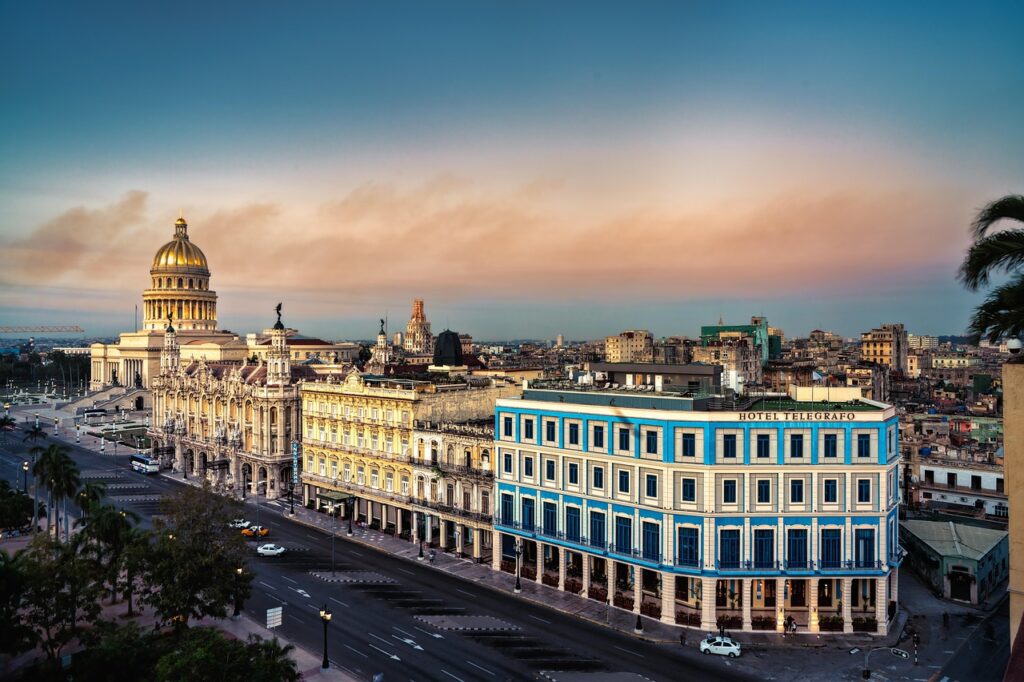
- Havana’s historic architecture
- Classic American cars from the 1950s
- Afro-Cuban music traditions
- Salsa dancing
- World-renowned cigars
- Caribbean beaches and coral reefs
- Revolutionary history
For many travelers, Cuba offers something rare in the modern world: a place where time appears to move differently.
The Future of Cuban Tourism
The future of Cuba’s tourism industry will likely depend on several key factors:
1. U.S. Policy Decisions
Changes in travel regulations could dramatically expand or restrict American tourism.
2. Economic Reform in Cuba
Efforts to modernize infrastructure and expand private enterprise could improve visitor experiences.
3. Global Tourism Trends
Post-pandemic travel preferences are evolving, with many travelers seeking authentic cultural experiences.
4. Climate and Environmental Challenges
Like many Caribbean islands, Cuba faces long-term risks from hurricanes and rising sea levels.
If Cuba can navigate these challenges, tourism may continue to play a crucial role in the island’s economic survival.
Frequently Asked Questions (FAQs)
1. Can Americans legally travel to Cuba?
Yes, but travel must fall under specific authorized categories established by U.S. regulations, such as educational or cultural exchanges.
2. Why do so many Canadians visit Cuba?
Canadian travelers face no restrictions, and Cuba offers affordable resorts and warm winter weather.
3. Is tourism important to Cuba’s economy?
Yes. Tourism is one of Cuba’s largest sources of foreign currency and employment.
4. Are there private businesses in Cuba’s tourism industry?
Yes. Private guesthouses, restaurants, and transportation services have expanded in recent years.
5. Is it safe to travel to Cuba?
Cuba is generally considered one of the safer Caribbean destinations for tourists, though economic challenges may affect services.
6. What are the most popular tourist destinations in Cuba?
Varadero, Havana, Cayo Coco, Holguín, and Trinidad are among the most popular destinations.
7. Why has Cuban tourism struggled in recent years?
The COVID-19 pandemic, economic difficulties, infrastructure challenges, and international political tensions have all played roles.
8. Could tourism increase in the future?
Yes. Changes in U.S. travel policy, economic reforms, and improved infrastructure could lead to renewed growth.
Conclusion
Cuba’s tourism industry sits at the intersection of politics, economics, and culture. While the island remains a captivating destination for many travelers, its tourism future depends heavily on international relations, domestic reforms, and global travel trends.
Canadian visitors continue to sustain much of Cuba’s tourism sector, but potential shifts in U.S. policy could reshape the island’s visitor landscape dramatically. Whether Cuba experiences a tourism resurgence or continued struggle will depend on how these complex forces evolve in the coming years.
For now, the island remains a place where history, resilience, and tourism intersect—offering visitors a glimpse into a culture that has endured decades of change.
Sources The New York Times

