
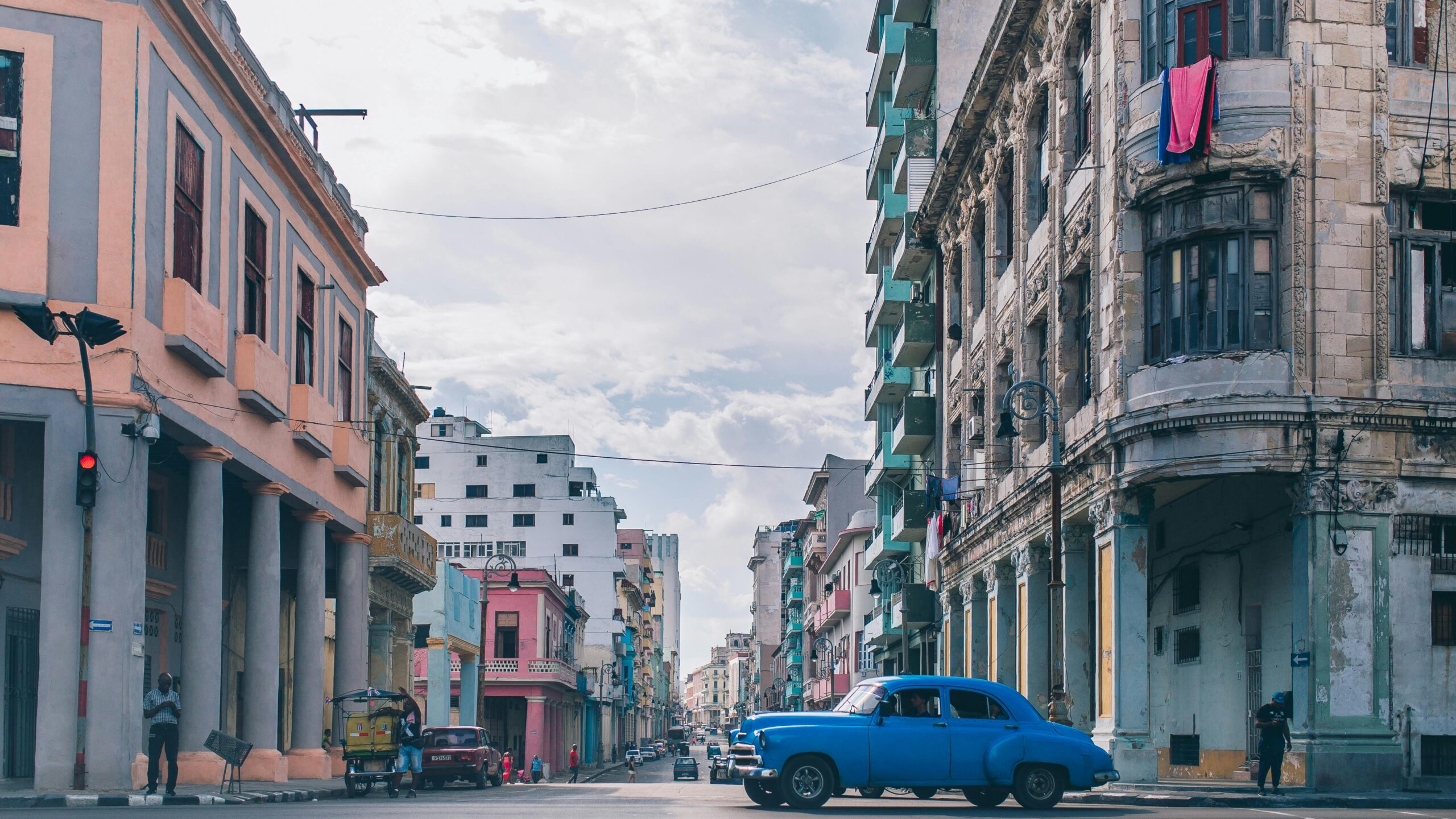
Cuba’s tourism minister has repeatedly insisted that the island’s tourism industry is still “alive and kicking,” even as mounting crises—from blackouts to food shortages and failing infrastructure—threaten the sector’s credibility. The tension between optimistic official rhetoric and harsh on‑the-ground realities reveals much about Cuba’s broader economic challenges, its strategic dependency on tourism, and the limits of projecting confidence in times of crisis.
Let’s look beyond slogans and examine what’s really unfolding in Cuba’s tourism landscape.
What the Official Story Says
- Cuba’s Tourism Ministry claims that despite economic stress, the industry continues operations, supporting jobs, foreign exchange earnings, and development.
- The Minister (Juan Carlos García Granda) has framed 2024 or recent years as among the toughest the sector has faced, but argues that the core infrastructure is intact and ready for recovery.
- The government is promoting steps to revitalize tourism — attracting new investors, opening more flights, offering visa exemptions (especially for Chinese tourists), and positioning Cuba as still a distinctive travel destination.
- Cuba is seeking to diversify its source markets: in 2024, Chinese arrivals reportedly rose by about 50% following direct flights and visa‑free entry for Chinese nationals.
- The regime also blames external pressures — principally U.S. sanctions and the embargo — for constraining investments, supply chains, fuel imports, and financial flows.
- In more symbolic support, Cuba is continuing to authorize new hotel or resort projects, often targeting “emblematic luxury hotels” to signal confidence and attract foreign capital.
What the Numbers and Reports Reveal (and Often Omit)
Declining arrivals and unmet targets
- According to public data and independent reporting, Cuba recorded ~2.2 million international visitors in 2024, far below its target of 3.2 million. This is less than half of what it achieved pre-pandemic.
- The goal for 2025 was even more ambitious (around 2.6 million or more), but early signs suggest Cuba may struggle to hit those figures.
- Reports indicate that tourism declines are not isolated to one region: key markets including Canada, Russia, Spain, Germany, and even diaspora travel have compressed.
- Notably, suspensions or reductions in flights by airlines (e.g. German Condor pulling out, Spanish carriers re-evaluating routes) deepen connectivity barriers that underpin tourism.
Infrastructure, services, and reliability under strain
- Frequent nationwide blackouts have become a severe constraint. Hotels with backup generators can partially cope, but lower-tier accommodations, private casas particulares (guesthouses), and remote locales suffer severely.
- Images and social media accounts show hotels plunged into darkness, guests without air conditioning or proper servicing, and complaints over hygiene and service failures.
- Reports suggest that Cuba’s claims of “robust energy backup for tourism infrastructure” are contradicted by visual evidence and complaints from residents and guests.
- Hospitality infrastructure is aging, under-maintained, and in many cases in disrepair. Pools, plumbing, backup systems, and interiors are deteriorated.
- The supply chain for food, drink, consumables, and maintenance materials is under pressure. Hotels often struggle to acquire staples, spare parts, or quality inputs due to currency shortages, import constraints, or disrupted logistics.
- Labor shortages, low wages, and migration (emigration of youth and skilled workers) further weaken service standards and capacity.
Economic constraints, competing priorities, and sectoral imbalance
- While tourism is often cast as Cuba’s “engine” of foreign exchange, the reality is that tourism receipts have dwindled, and the sector is undercut by operating losses, capital shortfalls, and risk.
- Many parts of the economy, including agriculture, food production, public services, and infrastructure maintenance, are neglected. Some critics charge that the “tourism-first” strategy is being used to divert attention and resources away from persistent domestic hardships.
- Analysts warn that without systemic reforms, Cuba’s tourism revival may be more symbolic than substantive. In fact, some believe that a true recovery may not occur until 2030 or beyond, given the depth of the structural decay.
- Dependence on a few markets (e.g. Canada, Russia, China) leaves Cuba vulnerable to geopolitical shifts, currency risk, and the choices of airlines and tour operators.
Strategic pivots and attempts at reform
- Cuba is visibly pivoting toward China: direct flights and visa exemptions have encouraged increased Chinese tourist flow, and China is being marketed as a longer-term tourism partner.
- The government has signaled structural reforms: easing some regulations, opening to foreign investment in tourism projects, and marketing “emblematic” luxury hotels to global developers.
- There is talk of diversifying tourism types — beyond beach and sun — toward culture, heritage, medical or wellness tourism, nature tourism, and deeper local experiences.
- Some observers note that Cuba needs “multi-destination” strategy rather than relying on a few hotspots. That means stronger internal connectivity, better regional planning, and investment beyond just Havana or Varadero.
The Tension: Optimism vs. Reality
Cuba’s leaders are trapped between two pressures:
- Maintaining morale and international image. Publicly, authoritarian regimes often need to show confidence and legitimacy. To concede collapse in tourism would be to admit that the model is failing.
- Managing real decline. Behind the narrative lie mounting losses, low occupancy, flight cancellations, deteriorated infrastructure, and unhappy guests. The actual capacity to deliver on promises is shrinking.
Thus the “alive and kicking” claim may be less a literal reflection and more a political posture — signaling to stakeholders, investors, and citizens that the sector has not been abandoned.
Some scholars argue that Cuba’s tourism model has been exhausted — and only a fundamental shift in economic governance, foreign investment policy, decentralization, and market openness (balanced with political controls) can truly resurrect it. Without that, tourism may become another increasingly hollowed-out shell of its former vitality.
What Recovery Might Look Like — Scenarios & Conditions
- Optimistic scenario: With reforms, new investment, improved infrastructure, and diversified sources (especially strong Chinese and regional markets), Cuba gradually reclaims parts of its tourism appeal. By the late 2020s, arrivals might slowly climb back toward 3–4 million, especially if reliability improves and service quality follows.
- Slow burn scenario: The sector limps forward. Tourism returns in limited form to vetted resorts and luxury enclaves. Many hotels operate at partial capacity. Recovery is fractal and uneven, with rural or remote zones left behind.
- Stagnation or decline scenario: Structural decay, competition from better-resourced Caribbean rivals, persistent blackouts, airline withdrawal, declining brand reputation, and lackluster governance lead to further collapse. Some tourist zones may become ghost towns.
Key enablers for recovery include:
- Reliable electricity and infrastructure (water, internet, transport)
- Reinvestment in existing hotels (repair, modernization)
- Flexible investment regimes and foreign capital flows
- Stronger regional tourism planning to disperse visitor load
- Diversification (culture, heritage, medical, nature)
- Building trust among tour operators, airlines, and travelers
- Transparent governance, currency reform, and stability.
Frequently Asked Questions (FAQ)
Q: How bad is the drop in tourism for Cuba?
In 2024, Cuba recorded about 2.2 million international visitors, failing to meet its target of 3.2 million and representing less than half of its pre-pandemic levels. Declines are evident across major source markets.
Q: Why is Cuba still promoting tourism so heavily?
Tourism remains one of the few sectors capable of generating foreign exchange. The government views it as a pillar for economic survival, employment, and investment attraction. It is also politically symbolic as a visible sector tied to national prestige.
Q: What role do blackouts and power reliability play?
They are a critical constraint. Many parts of the island suffer from frequent power outages. Hotels with backup systems can partially buffer the impact, but many accommodations and services lose competitiveness under load shedding. Visitors report dark rooms, lack of air conditioning, and service disruptions.
Q: Is the government’s claim of “strong backup for tourism” credible?
Reports from social media, guest complaints, and independent observers often contradict these official claims. Many hotels and services have been seen without lighting or proper functioning during blackouts, raising doubts about the robustness of the backup infrastructure.
Q: Can Cuba recover tourism by 2025 or 2030?
Most analysts are skeptical about a full bounce-back by 2025. Some forecasts project that Cuba might only recover to near pre-pandemic visitor levels by around 2030, especially if reforms are slow and structural challenges persist.
Q: Which markets is Cuba depending on now?
Cuba is actively courting China, having launched direct flights and visa exemptions which contributed to a 50% increase in Chinese arrivals in recent times. But Canada, Russia, and European nations remain historically important, albeit under stress.
Q: What are the biggest structural barriers to recovery?
They include outdated infrastructure, unreliable services, low investment, weak supply chains, currency constraints, political risk, low service standards, and competition from Caribbean rivals.
Q: Is Cuba innovating with new types of tourism?
Yes — authorities are exploring diversifying into cultural tourism, nature-based tourism, medical tourism, wellness, and more immersive experiences beyond the beach resort model.
Q: Are foreign investments flowing into Cuban tourism?
Some international hotel groups (especially Spanish chains) remain committed in principle, but actual new capital flows are limited by sanctions, credit risk, and infrastructure uncertainty. The government is signaling openness to investment in flagship “emblematic” projects.
Q: How do U.S sanctions affect Cuba’s tourism?
The U.S. embargo, travel restrictions (especially for Americans), and financial controls complicate banking, repatriation of funds, insurance, and investment. They also reduce one potentially large source market (U.S. tourists) from operating robustly.
If you like, I can produce a shorter “briefing memo” summarizing the state of Cuban tourism (strengths, risks, recommendations) or compare Cuba’s tourism crisis with
Sources BBC

