
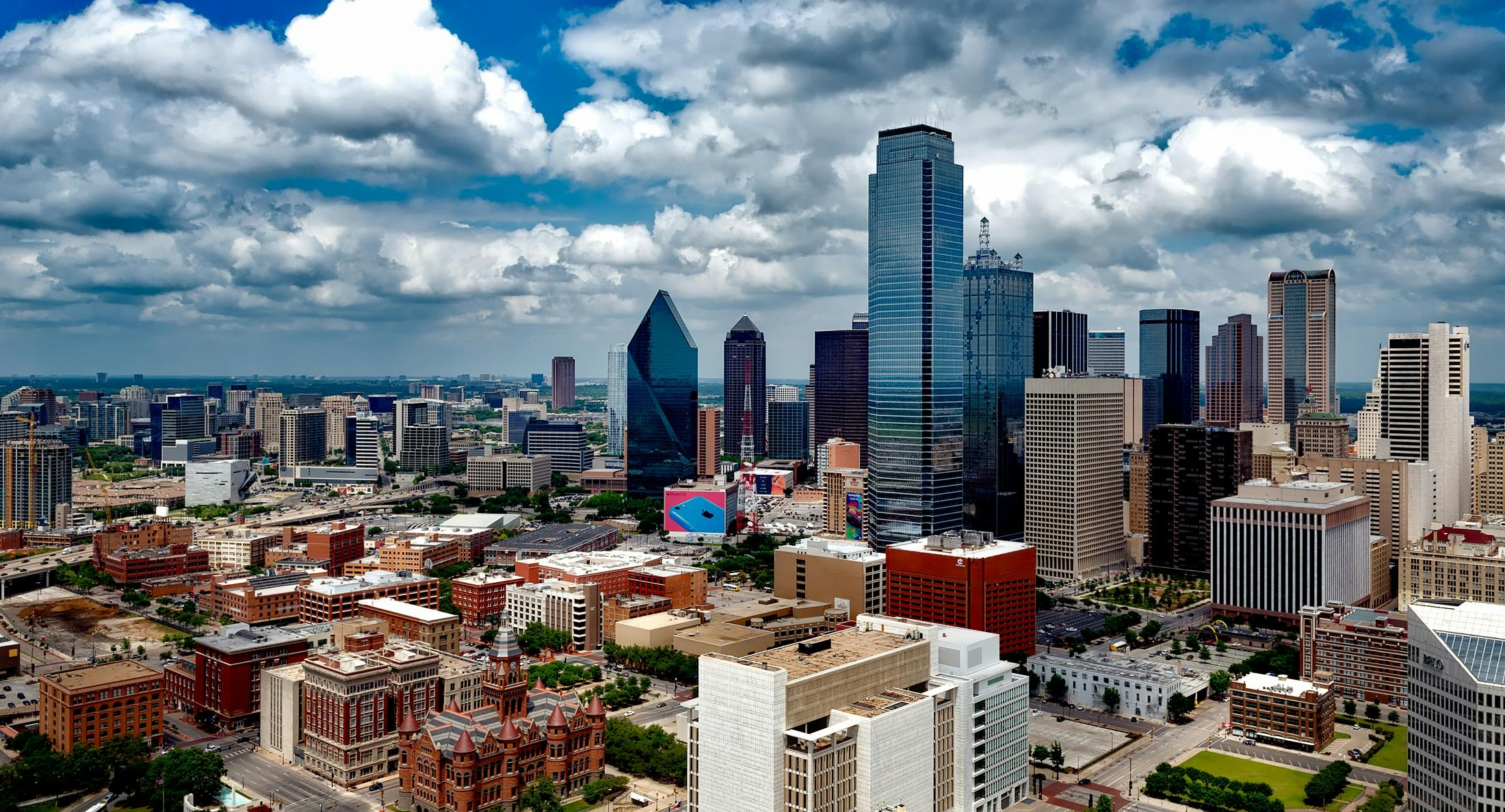
Dallas, fresh off a record post-pandemic year, faces an 8% slump in international tourism in 2025. The decline casts a shadow over a sector that played a vital role in reviving local economies through increased visitor spending in 2023. Yet on the horizon lies a golden opportunity: hosting multiple World Cup matches in 2026 offers a potential reset.
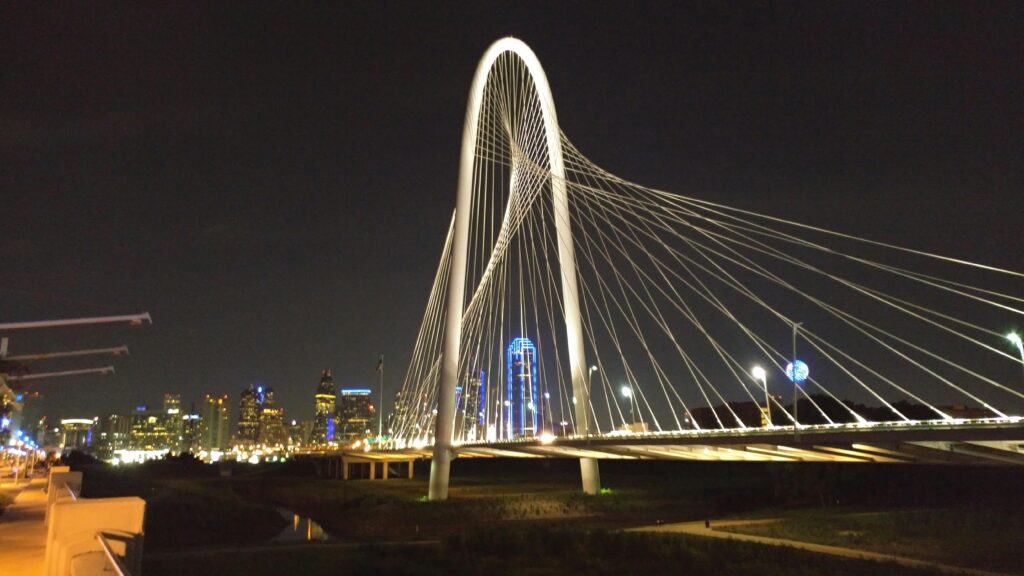
A Deep Dive Into the Decline
A Sharp Fall from Record Highs
In 2023, Dallas welcomed 27 million visitors, generating a staggering $10.5 billion in economic impact—bolstering 59,000 jobs and delivering $626 million in tax revenue. Expectations were climbing steadily, with visitor spending projected to grow 4% annually, targeting $7.1 billion by 2025. Yet, this optimism is now tempered by a forecasted 8% drop in international visitors this year.
Broader U.S. Trends in Focus
Dallas’s struggle isn’t isolated. Early 2025 data shows a nationwide dip in inbound tourism—projected international visitor spending may fall $12.5 billion short, with overall spending for the year expected below $169 billion. Border-heavy cities like Detroit and Seattle are similarly impacted, with Canadian visitation being a major variable. Despite Washington’s rebound expectations (NTTO forecasts a bounce by 2026), Dallas is feeling the lag now.
What’s Pulling Down Tourism Numbers?
- Economic and Political Backlash
Global economic instability, visa delays, and geopolitical concerns are keeping international tourists at bay. - Air Travel Sensitivity
Despite DFW Airport’s ongoing expansion—adding international gates and aiming for 100 million passengers—the current drop in airline bookings undercuts tourism inflow. - Shifting Visitor Patterns
Post-pandemic shifts in travel habits—inclined toward domestic or short-term stays—are affecting both business and leisure travel segments. - Competition Among Cities
Other U.S. destinations are ramping up events and promotions, making capturing global attention increasingly competitive.
World Cup 2026: A Hopeful Beacon
With AT&T Stadium hosting nine matches during the 2026 World Cup, Dallas has a rare chance to reaffirm its place on the global stage. Stakeholders emphasize crafting a lasting brand—not just as a business hub, but as an engaging, inclusive travel destination. The goal: attract fans now, and retain them for leisure visits years later.
Dallas tourism leaders are banking on this event—and numerous conferences already booked through 2029—to anchor recovery and reposition the city internationally.
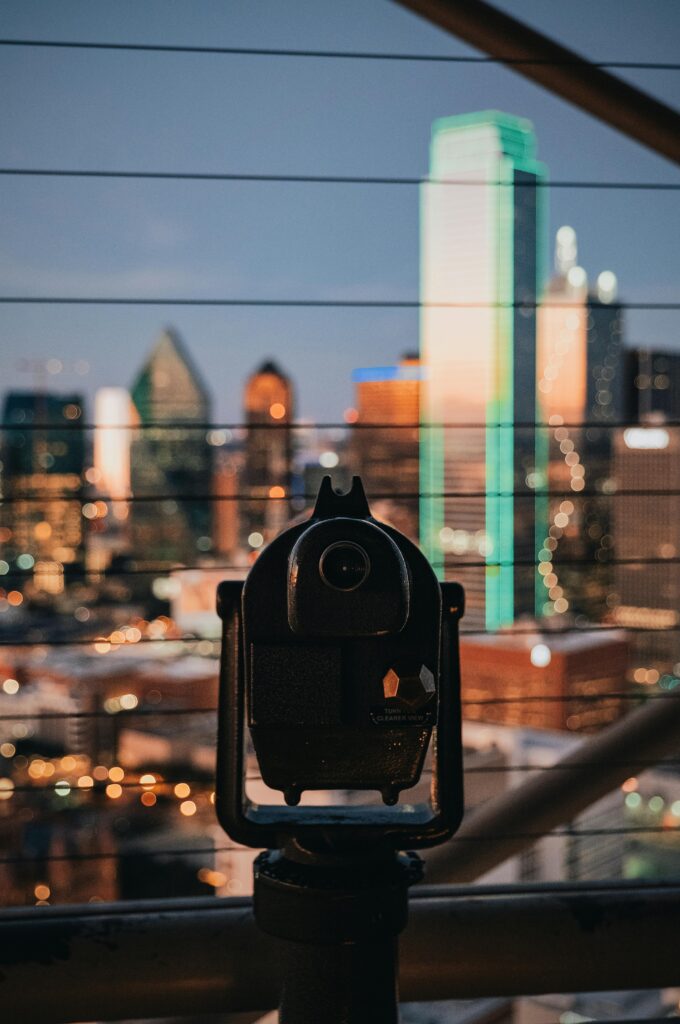
Quick Snapshot: Dallas Tourism Compared
| Metric | 2023 Value / Trend | 2025 Forecast / Insight |
|---|---|---|
| Visitor Count | 27 million | 8% international drop, despite 2023 peak |
| Economic Impact | $10.5 billion | Projected 4% annual growth impeded |
| Jobs Supported | 59,000 | Under pressure if the slump continues |
| Tax Revenue | $626 million | Likely to face shortfalls |
| U.S. Tourism Outlook | Growing via major events | Short-term decline, with expected rebound post-2025 |
| Major Event Forecast | World Cup 2026 in Dallas region | Key opportunity to regain global visibility |
Frequently Asked Questions (FAQs)
Why is Dallas specifically projected to lose 8% in international tourists?
Because of broader U.S. declines in inbound travel, tighter visa regimes, and economic uncertainty, major hubs like Dallas are feeling the ripple earlier.
Can the World Cup fully reverse the trend?
While the World Cup promises a spike in visitors, long-term recovery depends on follow-up marketing and making Dallas an appealing repeat destination.
Is the decline uniform across all visitor types?
International tourism is taking the biggest hit. Domestic and convention tourism are more resilient but may not fully offset the gap.
How significant is Dallas’s airport expansion in this equation?
Infrastructure improvements provide capacity— but actual recovery relies on restoring traveler confidence and demand.
What’s the outlook beyond 2025?
Projections suggest a rebound in international arrivals by 2026–2027, helping Dallas return to growth if strategic action is taken now.
Final Thoughts
Dallas’s tourism downturn in 2025 mirrors national and global trends—but the city’s infrastructure, pending events like the World Cup, and robust business bookings offer a roadmap out of decline. Strategic promotion, streamlined visa access, and a refined tourism identity could set the city back on a sustainable path.
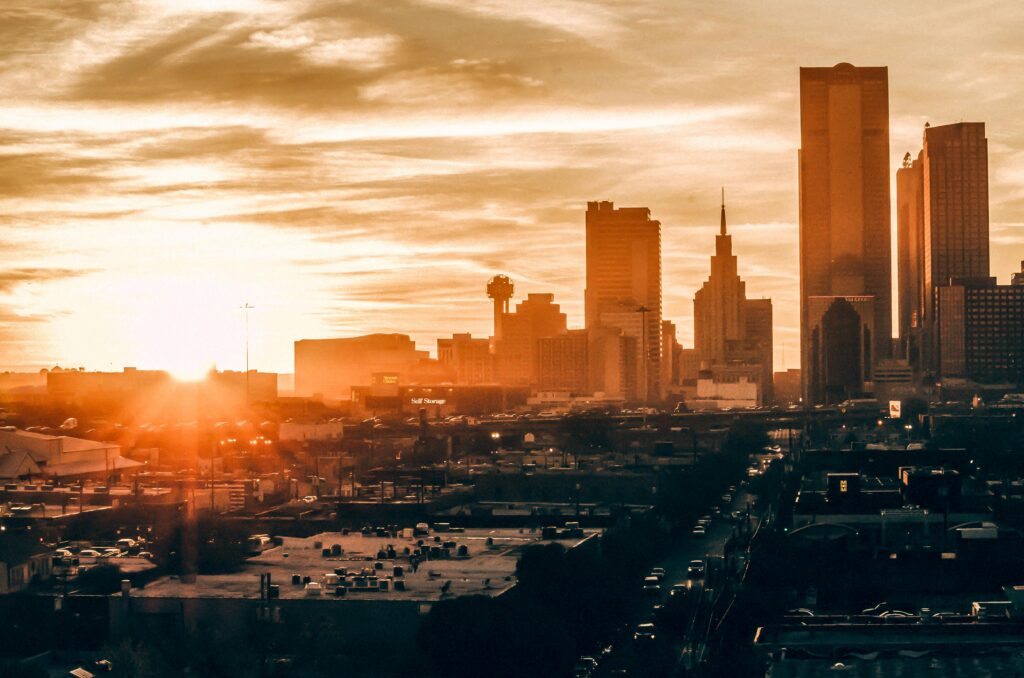
Sources The Dallas Morning News

