
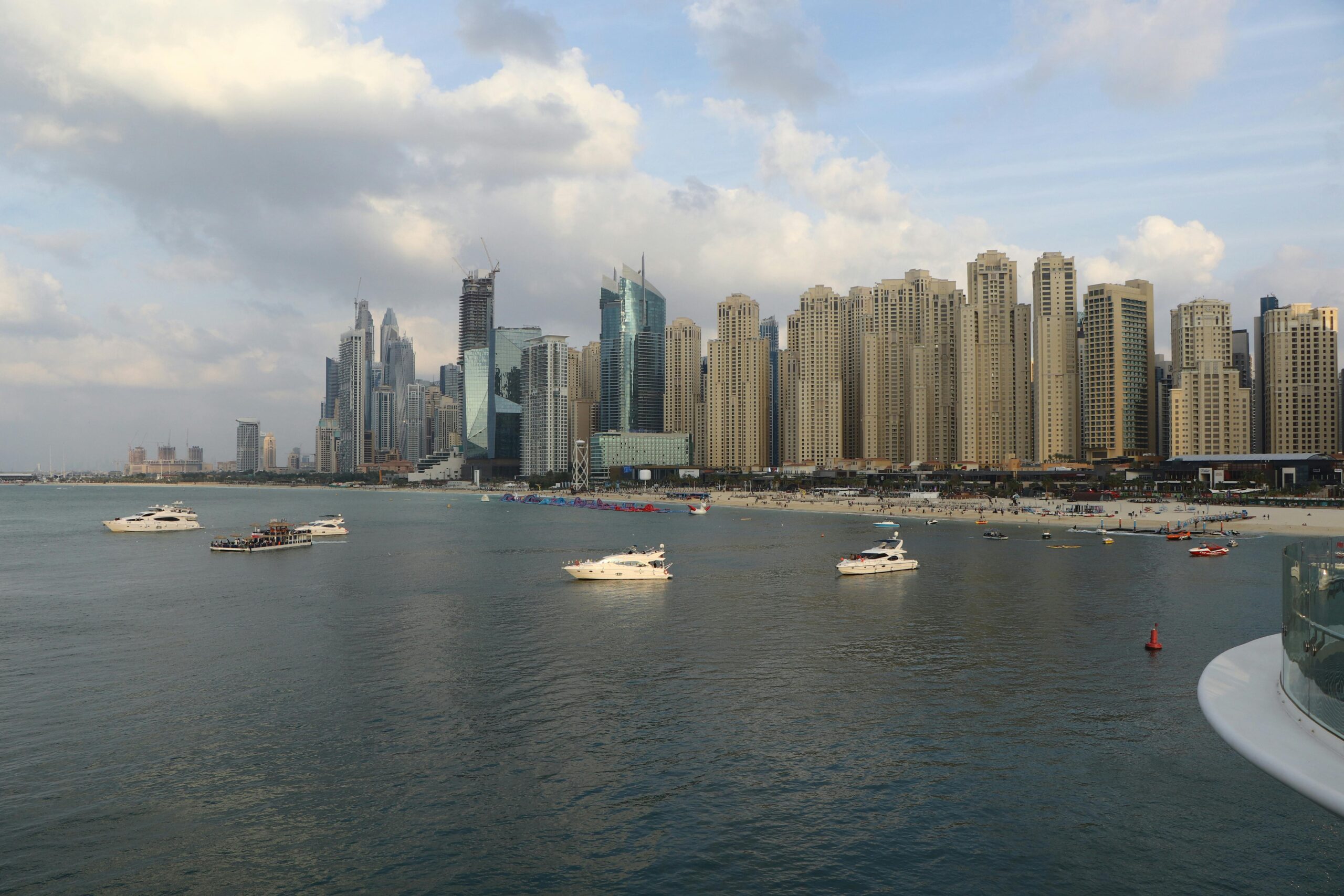
Dubai has built a global reputation as one of the world’s most dynamic tourism destinations. Known for its futuristic skyline, luxury shopping, desert adventures, and record-breaking attractions, the city has long attracted millions of visitors from across the globe. Yet even as Dubai continues to welcome tourists, regional geopolitical tensions—including the ongoing war involving Iran—have cast a complex backdrop over the Middle East.
Despite these tensions, Dubai’s tourism industry has demonstrated remarkable resilience. While some travelers are reconsidering trips to certain parts of the region, the United Arab Emirates (UAE), and particularly Dubai, has continued to draw visitors seeking luxury experiences, cultural exploration, and international connectivity.
This article explores how Dubai’s tourism sector is navigating regional instability, why the city remains a major global travel hub, and how the broader Middle East conflict influences tourism across the region.
Dubai’s Global Tourism Appeal
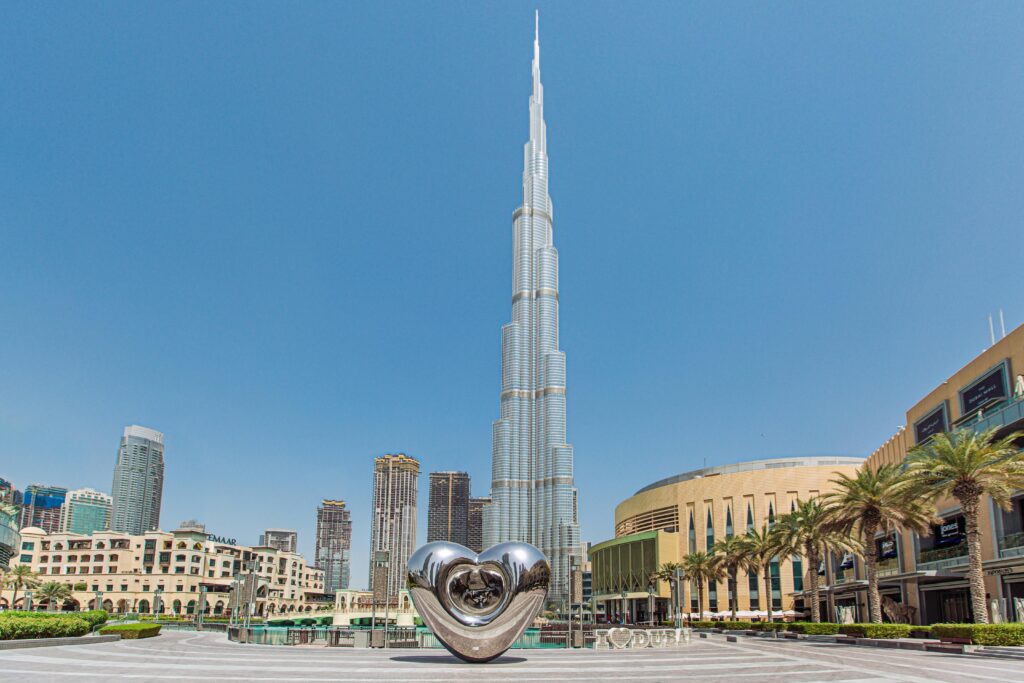
Dubai has spent decades positioning itself as one of the world’s most attractive travel destinations. Massive investments in infrastructure, hospitality, and entertainment have transformed the once-small desert trading port into a global tourism powerhouse.
Major attractions include:
- Burj Khalifa, the tallest building in the world
- Palm Jumeirah, a massive artificial island
- Dubai Mall, one of the largest shopping centers on Earth
- Luxury beach resorts along the Persian Gulf
- Desert safari experiences outside the city
These attractions, combined with world-class airports and a strategic geographic location, make Dubai a gateway between Europe, Asia, and Africa.
Tourism as a Pillar of Dubai’s Economy
Tourism plays a central role in Dubai’s economy. Unlike some neighboring countries that rely heavily on oil, Dubai has diversified its economy by investing in:
- Tourism
- Finance
- Aviation
- Trade
- Real estate
Millions of international visitors travel to Dubai each year, supporting industries such as hotels, restaurants, retail, and transportation.
Major airlines like Emirates and FlyDubai connect the city with hundreds of destinations worldwide, making Dubai one of the busiest aviation hubs on the planet.
Regional Conflict and Its Tourism Impact
The war involving Iran and escalating tensions in the Middle East have raised concerns among travelers about regional stability. While Dubai itself remains far from the front lines of conflict, perceptions of risk can still influence tourism patterns.
Travelers often associate entire regions with instability when conflict dominates global headlines. As a result, tourism across the Middle East can experience ripple effects even in areas that remain safe.
These effects may include:
- Short-term declines in travel bookings
- Increased travel insurance costs
- Adjustments to airline routes
- Changes in tourist demographics
However, Dubai’s reputation for security and stability has helped mitigate many of these concerns.
Dubai’s Strategy for Tourism Resilience
Dubai’s tourism industry has adopted several strategies to maintain visitor confidence even during periods of regional tension.
Emphasis on Safety
The UAE is widely regarded as one of the safest countries in the Middle East. Strict security measures, strong law enforcement, and modern infrastructure contribute to a sense of stability for visitors.
Global Marketing Campaigns
Dubai continues to invest heavily in international marketing campaigns promoting the city as a luxury, family-friendly, and business travel destination.
Mega Events and Attractions
Events such as international conferences, sporting events, and entertainment festivals help maintain global attention and attract visitors year-round.
Photography and Tourism Narratives
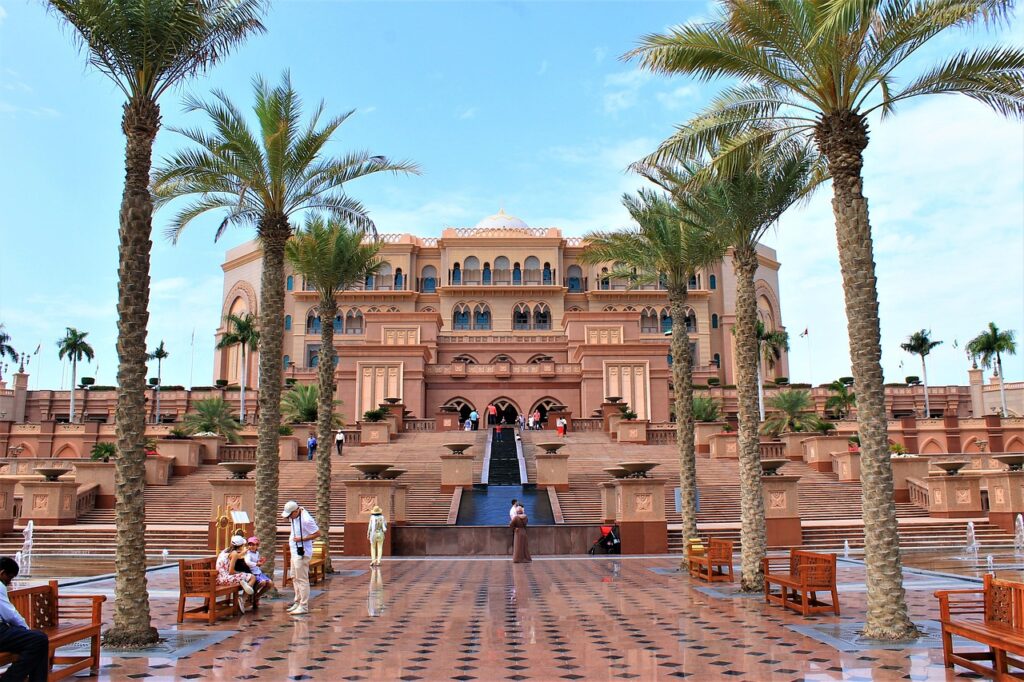
Images and visual storytelling often shape global perceptions of travel destinations. Photojournalists and travelers alike capture moments that highlight the contrast between everyday tourism and geopolitical realities.
Photographs of Dubai’s beaches, shopping districts, and skyscrapers often show tourists enjoying leisure activities even while regional tensions unfold beyond the city.
These images illustrate how global tourism can continue alongside geopolitical challenges.
The Role of Dubai’s Aviation Network
Dubai International Airport is one of the busiest international airports in the world. The city’s aviation network plays a major role in maintaining tourism flows.
Airlines have implemented strategies to adapt to regional tensions, including:
- Adjusting flight routes to avoid sensitive airspace
- Monitoring security conditions closely
- Maintaining frequent international connections
This flexibility allows Dubai to remain a central travel hub even during uncertain times.
Tourism Beyond Luxury: Cultural and Historical Experiences
While Dubai is often associated with luxury tourism, the city also offers a range of cultural experiences.
Visitors can explore:
- Al Fahidi Historical District, showcasing traditional Emirati architecture
- Dubai Museum, which tells the story of the city’s transformation from fishing village to global metropolis
- Local souks (traditional markets) selling spices, gold, and textiles
These experiences provide deeper insights into the region’s heritage and traditions.
Dubai’s Tourism Diversity
Another factor contributing to Dubai’s resilience is the diversity of its tourism market.
Dubai attracts visitors for many different reasons, including:
- Leisure vacations
- Luxury shopping trips
- Business conferences
- Medical tourism
- Stopover travel between continents
Because the tourism sector is not dependent on a single type of visitor, the city can adapt more easily to global changes.
The Future of Tourism in Dubai
Despite geopolitical challenges, Dubai’s tourism outlook remains strong.
Several factors support continued growth:
- Ongoing infrastructure investment
- Expansion of entertainment and cultural attractions
- Strong global airline connections
- Strategic geographic location
Dubai’s long-term strategy focuses on maintaining its reputation as a safe, modern, and globally connected destination.
Frequently Asked Questions (FAQs)
1. Is Dubai safe to visit during regional conflicts?
Yes. Dubai remains one of the safest cities in the Middle East, and tourism activities continue normally.
2. Does the Iran war affect tourism in Dubai?
While Dubai is not directly involved in the conflict, regional tensions can influence travel perceptions and airline routes.
3. Why is Dubai such a popular tourist destination?
Dubai offers luxury attractions, modern infrastructure, cultural experiences, and convenient global travel connections.
4. What are the most popular attractions in Dubai?
Top attractions include Burj Khalifa, Palm Jumeirah, Dubai Mall, desert safaris, and luxury beach resorts.
5. How important is tourism to Dubai’s economy?
Tourism is one of Dubai’s key economic sectors and supports millions of jobs across hospitality, retail, and transportation industries.
6. Are flights to Dubai affected by regional tensions?
Airlines may adjust routes to avoid certain airspace, but Dubai remains a major international travel hub.
7. What cultural experiences can visitors explore in Dubai?
Visitors can explore historic districts, traditional markets, museums, and local Emirati cuisine.
8. Will Dubai tourism continue to grow?
Most analysts expect Dubai to remain one of the world’s leading travel destinations due to its infrastructure and global connectivity.
Conclusion
Dubai’s tourism industry demonstrates how global travel destinations can remain resilient even during periods of geopolitical uncertainty. While regional conflicts may influence traveler perceptions and logistics, Dubai’s stability, infrastructure, and strategic positioning allow it to continue welcoming millions of visitors each year.
The city’s ability to adapt to global challenges—while offering world-class attractions and cultural experiences—ensures that Dubai will remain a major player in international tourism for years to come.
Sources AP News

