
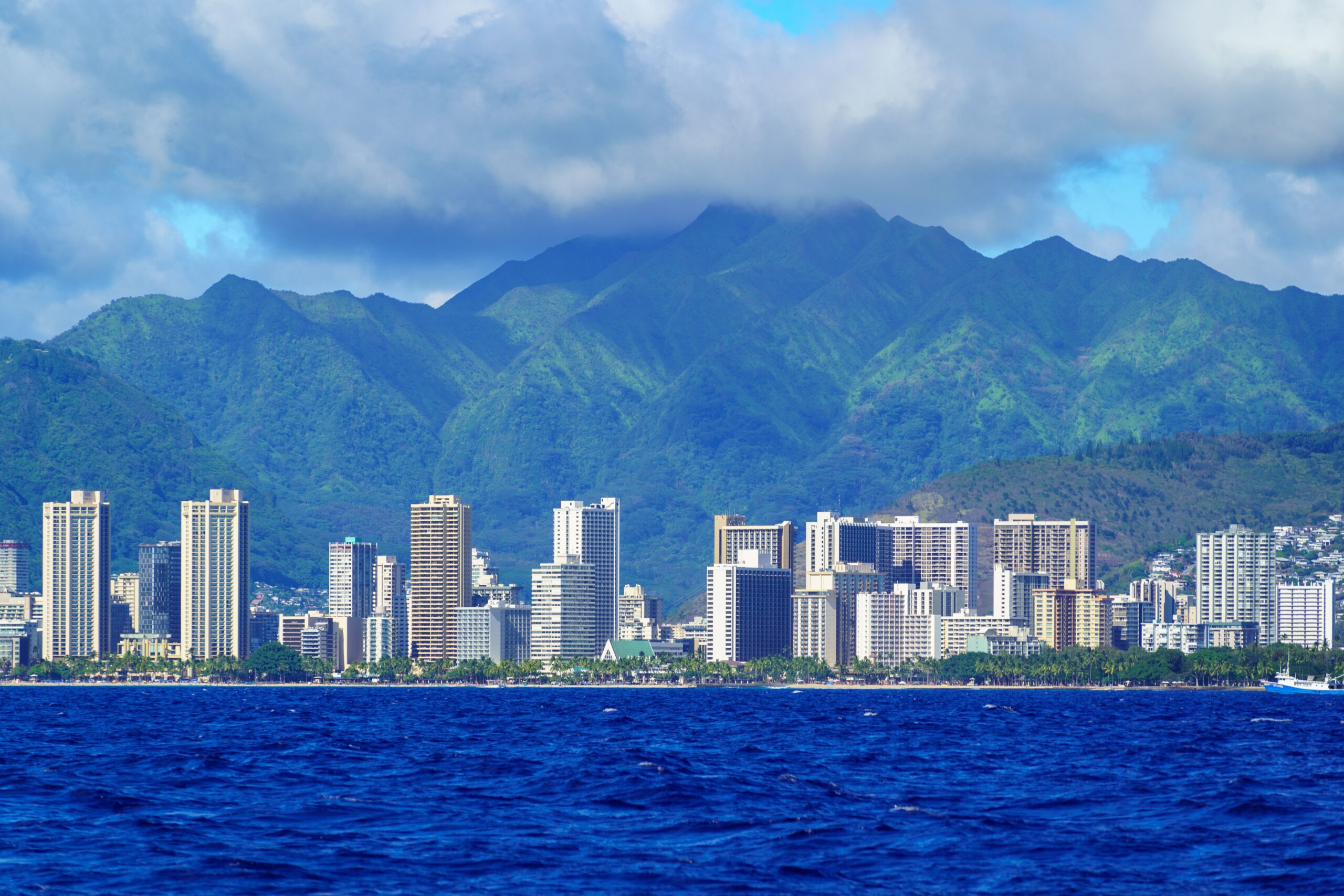
For decades, Hawaii has occupied a unique place in the American imagination—a tropical paradise that feels both familiar and exotic. But in 2026, a notable shift is taking place: travelers from the U.S. East Coast are returning to Hawaii in growing numbers, helping fuel one of the strongest tourism rebounds the islands have seen in years.
While Hawaii has traditionally relied heavily on visitors from the U.S. West Coast and international markets such as Japan and Canada, recent data shows a significant increase in arrivals from eastern states. The trend highlights changing traveler preferences, improving airline connectivity, and Hawaii’s continued appeal despite economic uncertainty and rising travel costs.
The East Coast-Hawaii Travel Boom
Recent tourism statistics indicate that visitor arrivals from the U.S. East Coast have grown substantially in 2026, with some reports showing double-digit percentage increases compared with the previous year. Hawaii’s tourism agencies and local businesses are closely monitoring this trend because East Coast travelers typically stay longer and spend more than many domestic visitors.
Unlike travelers from California, Oregon, or Washington, East Coast visitors often view Hawaii as a major vacation rather than a quick getaway. As a result, they tend to book longer hotel stays, participate in more activities, and spend more on dining, excursions, and cultural experiences.
Why More East Coast Travelers Are Choosing Hawaii
Several factors are driving the increase.
1. Travelers Are Prioritizing Experiences
Many Americans continue to prioritize travel spending over material purchases. Industry forecasts suggest leisure travel remains one of the strongest segments of consumer spending, even as inflation affects household budgets.
For many East Coast families, Hawaii represents a “bucket-list” destination that combines beaches, adventure, culture, and luxury in one trip.
2. Improved Air Connectivity
Airline capacity between the mainland United States and Hawaii has expanded, with additional flights and seats helping reduce travel barriers. More nonstop and one-stop options from eastern cities have made Hawaii more accessible than in previous years.
Although flying from New York, Boston, Atlanta, or Miami still requires a significant time commitment, modern flight networks and premium cabin offerings have improved the overall travel experience.
3. Growing Interest in Multi-Island Vacations
Travelers increasingly want more than a beach vacation. Hawaii offers a variety of experiences across its major islands:
- Oahu for culture, shopping, and iconic beaches
- Maui for luxury resorts and scenic drives
- Kauai for nature and outdoor adventure
- Hawaii Island (Big Island) for volcanoes and diverse landscapes
This variety allows visitors to customize trips around different interests and travel styles.
Which Hawaiian Islands Are Benefiting Most?
Oahu Remains the Gateway
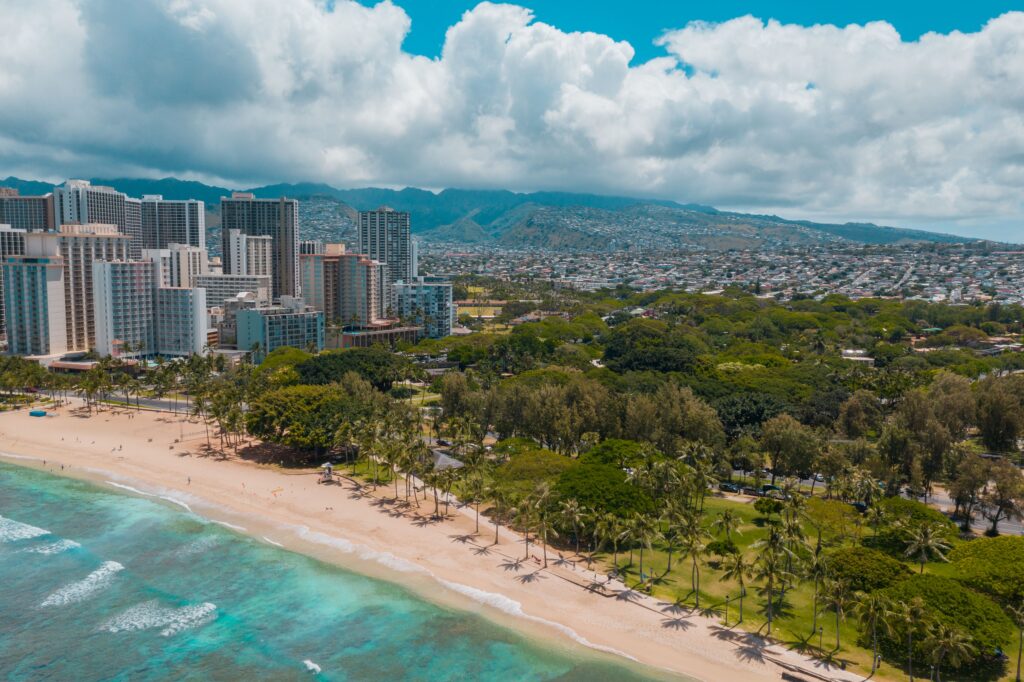
Home to Honolulu and Waikiki Beach, Oahu continues to attract the largest share of visitors. The island combines urban convenience with world-famous attractions, making it especially attractive for first-time travelers. Visitor arrivals and spending on Oahu have shown strong growth during 2026.
Maui’s Continued Recovery
Following the devastating wildfires of 2023, Maui’s tourism industry has worked to rebuild. Visitor arrivals and spending have increased significantly in 2026, providing critical economic support for local communities.
Kauai and the Big Island
Kauai continues to attract travelers seeking natural beauty and outdoor recreation, while Hawaii Island offers unique attractions including active volcanoes, black-sand beaches, and astronomy experiences. Both islands remain important components of Hawaii’s tourism diversification strategy.

The Economic Impact
Tourism remains Hawaii’s largest economic engine.
Visitor spending supports:
- Hotels and resorts
- Restaurants and food services
- Tour operators
- Retail businesses
- Transportation providers
- Cultural attractions
- Local employment
The increase in East Coast arrivals is particularly valuable because these travelers generally generate higher per-trip spending due to longer travel distances and longer average stays.
For local businesses still recovering from pandemic-era disruptions and Maui’s wildfire-related challenges, increased visitor spending provides much-needed economic stability.
The Sustainability Challenge
The tourism rebound also raises important questions.
Hawaii faces ongoing concerns regarding:
- Water usage
- Coastal development
- Coral reef protection
- Traffic congestion
- Housing affordability
- Cultural preservation
Researchers and community leaders continue to debate how tourism growth can be balanced with environmental stewardship and local quality of life. Hawaii’s future success may depend not simply on attracting more visitors, but on attracting visitors who travel responsibly and engage respectfully with local communities.
Changing Traveler Expectations
Today’s visitors increasingly seek authentic experiences rather than traditional resort-only vacations.
Popular activities now include:
- Native Hawaiian cultural programs
- Farm-to-table dining
- Eco-tourism
- Volunteer tourism
- Wildlife conservation activities
- Local artisan markets
- Guided historical tours
Programs encouraging visitors to “give back” during their stay have become increasingly popular and align with Hawaii’s broader sustainability goals.
What the Future Holds
Industry forecasts suggest travel demand will remain resilient, although rising costs could influence traveler behavior. Americans are expected to continue prioritizing vacations, but many may seek greater value and more meaningful experiences.
For Hawaii, the challenge is clear: maintain tourism growth while protecting the natural beauty and cultural heritage that make the islands special in the first place.
The growing influx of East Coast travelers demonstrates that Hawaii remains one of America’s most desirable destinations. Whether visitors come for the beaches, volcanoes, culture, or spirit of aloha, the islands continue to offer something few places in the world can match—a truly unique blend of natural wonder and cultural richness.
Frequently Asked Questions (FAQs)
1. Why are more East Coast travelers visiting Hawaii in 2026?
Improved flight options, strong leisure travel demand, and Hawaii’s reputation as a premium vacation destination have contributed to rising visitor numbers from eastern U.S. states.
2. Which Hawaiian island is best for first-time visitors?
Oahu is generally considered the best starting point because it offers iconic attractions, extensive accommodations, cultural experiences, and convenient transportation.
3. Is Hawaii expensive compared with other U.S. destinations?
Yes. Hawaii is typically among the most expensive domestic vacation destinations due to airfare, lodging, food costs, and island logistics. However, many travelers consider the unique experiences worth the additional expense.
4. Has Maui fully recovered from the 2023 wildfires?
Recovery is ongoing. Visitor arrivals and tourism spending have increased significantly, but rebuilding efforts continue in affected communities. Travelers should stay informed about local guidelines and support responsible tourism.
5. What is the best time to visit Hawaii?
Hawaii is a year-round destination thanks to its tropical climate. Spring and fall often provide an excellent balance of favorable weather, fewer crowds, and competitive pricing, while winter attracts visitors seeking to escape colder mainland temperatures.
Sources Pacific Business News

