
For decades, Europe has been the world’s leading tourism destination, welcoming hundreds of millions of visitors every year. Historic cities, Mediterranean coastlines, mountain villages, world-famous museums, and centuries-old cultural traditions have made the continent one of the most desirable places to visit.
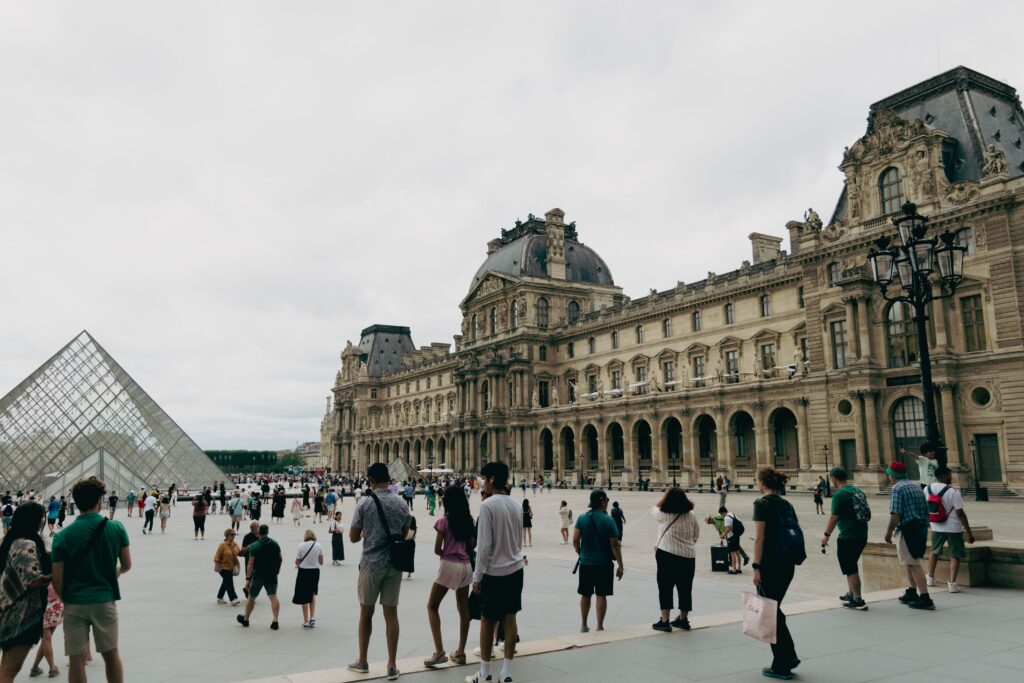
Yet tourism’s extraordinary success has also created serious challenges. Record-breaking visitor numbers have placed increasing pressure on housing, transportation systems, natural environments, and historic landmarks. In many cities, residents are expressing concerns that mass tourism is changing the character of their neighborhoods and making everyday life more difficult.
Rather than simply encouraging ever-growing visitor numbers, many European governments are now pursuing a different objective: managing tourism sustainably. New policies—including visitor caps, tourist taxes, stricter regulations on short-term rentals, cruise ship limits, and reservation systems—reflect an effort to balance economic growth with environmental protection and residents’ quality of life.
This evolving strategy represents one of the most significant shifts in global tourism policy in decades and may serve as a model for destinations around the world.
Why Europe Is Changing Its Tourism Strategy
Tourism contributes enormously to Europe’s economy.
The industry supports millions of jobs in:
- Hotels
- Restaurants
- Airlines
- Museums
- Transportation
- Entertainment
- Retail
- Cultural institutions
However, success has brought unintended consequences.
Many destinations now experience:
- Crowded streets
- Long queues
- Housing shortages
- Rising rental prices
- Noise pollution
- Increased waste
- Pressure on public transport
- Environmental degradation
These issues have become especially visible during peak summer travel seasons.
Understanding Overtourism
Overtourism occurs when visitor numbers exceed a destination’s capacity to accommodate them without harming residents, infrastructure, or the environment.
Common impacts include:
- Congested historic districts
- Damage to heritage sites
- Reduced quality of life
- Traffic congestion
- Water shortages
- Higher living costs
- Loss of neighborhood identity
Although tourism generates substantial income, excessive visitor numbers can reduce the very qualities that make destinations attractive.
Cities Leading the Movement
Several European destinations have already introduced tourism management policies.
Venice, Italy
Venice has implemented visitor entry fees for certain day-trippers and continues evaluating dynamic pricing systems designed to reduce congestion during the busiest periods.
Barcelona, Spain
The city has strengthened regulations on short-term vacation rentals and introduced measures to preserve housing for permanent residents.
Amsterdam, Netherlands
Authorities have reduced marketing aimed at mass tourism while encouraging visitors to explore lesser-known neighborhoods responsibly.
Dubrovnik, Croatia
Visitor monitoring technology and cruise scheduling systems help reduce overcrowding in the city’s UNESCO-listed Old Town.
Greek Islands
Popular islands such as Santorini and Mykonos continue exploring methods to manage cruise arrivals, seasonal congestion, and infrastructure demand.
These policies differ by destination but share a common objective: maintaining long-term sustainability.
Housing Is Becoming a Political Issue
One of the most controversial consequences of tourism involves housing.
The rapid growth of short-term vacation rentals has reduced the availability of long-term housing in many cities.
Residents often face:
- Rising rents
- Higher property prices
- Neighborhood displacement
- Reduced community stability
Governments are responding through:
- Licensing requirements
- Rental caps
- Registration systems
- Stronger enforcement
- Higher accommodation taxes
The goal is to preserve residential communities while maintaining tourism opportunities.
Environmental Sustainability Is Driving Reform
Tourism affects natural resources in numerous ways.
Large visitor numbers increase demand for:
- Water
- Electricity
- Transportation
- Waste collection
- Coastal management
Climate change has also intensified concerns about sustainable destination management.
European governments increasingly promote:
- Renewable energy
- Public transportation
- Cycling infrastructure
- Green hotels
- Wildlife conservation
- Carbon reduction
Many destinations now encourage travelers to reduce their environmental footprint.

Tourism Is Shifting Toward Quality Rather Than Quantity
Instead of maximizing visitor numbers, many destinations are focusing on attracting visitors who:
- Stay longer
- Spend more locally
- Respect local culture
- Travel responsibly
- Visit outside peak seasons
This concept—often called “quality tourism”—aims to create greater economic value with less pressure on infrastructure.
Technology Is Helping Manage Crowds
Digital innovation is transforming tourism management.
Cities increasingly use:
- AI-powered crowd forecasting
- Real-time visitor monitoring
- Digital reservation systems
- Mobile tourism apps
- Smart ticketing
- Contactless payments
- Predictive analytics
These technologies allow authorities to distribute visitor flows more evenly throughout the day and across multiple attractions.
Artificial intelligence can also predict periods of heavy demand, allowing operators to prepare staffing, transportation, and public services more efficiently.
Cruise Tourism Faces Greater Regulation
Cruise tourism brings significant economic benefits but also presents unique challenges.
Thousands of passengers may arrive simultaneously, overwhelming historic districts within a few hours.
Several destinations are responding by:
- Limiting cruise ship arrivals
- Introducing passenger caps
- Scheduling staggered arrivals
- Applying environmental standards
- Relocating port facilities
The objective is to balance economic benefits with urban sustainability.
Rural Tourism Is Gaining Attention
Governments are encouraging visitors to explore smaller towns and rural regions rather than concentrating exclusively on iconic cities.
Benefits include:
- Supporting local economies
- Reducing pressure on major destinations
- Preserving regional traditions
- Creating new employment opportunities
Improved transportation and digital marketing are making lesser-known destinations increasingly attractive.
Travelers Are Changing Their Habits
Many tourists are adapting to the new reality.
Growing trends include:
- Shoulder-season travel
- Slow travel
- Eco-tourism
- Cultural immersion
- Walking holidays
- Rail travel
- Regional exploration
- Wellness tourism
These approaches often provide richer experiences while reducing environmental impacts.
Artificial Intelligence Will Shape the Future of Tourism
AI is expected to become central to destination management.
Future applications may include:
- Personalized travel recommendations
- Dynamic visitor scheduling
- Environmental monitoring
- Traffic optimization
- Emergency response coordination
- Predictive maintenance
- Smart accommodation management
These technologies could help destinations improve visitor experiences without significantly increasing infrastructure.
Economic Balance Remains Essential
Although restrictions receive considerable attention, Europe continues to welcome international visitors.
Tourism remains essential for:
- Employment
- Tax revenue
- Cultural preservation
- Small businesses
- Regional development
The challenge is finding an equilibrium where tourism benefits both visitors and residents.
Lessons for Other Destinations
Europe’s experience offers valuable insights for tourism authorities worldwide.
Popular destinations in Asia, North America, South America, Africa, and Oceania face similar questions about:
- Sustainable growth
- Housing affordability
- Environmental protection
- Infrastructure investment
- Digital management
- Community engagement
Many may adopt similar policies as visitor numbers continue growing globally.
The Future of European Tourism
Experts expect several developments over the coming decade.
These include:
- Increased tourist reservation systems
- Expanded AI-powered visitor management
- Greater investment in sustainable infrastructure
- More environmental taxes
- Broader promotion of regional destinations
- Climate-conscious tourism policies
- Improved public transportation
- Greater collaboration between governments and local communities
Success will increasingly be measured not simply by the number of arrivals but by the long-term health of destinations and the quality of visitor experiences.
Conclusion
Europe’s approach to international tourism is undergoing a profound transformation. Rather than pursuing unlimited visitor growth, governments are increasingly emphasizing sustainability, community well-being, environmental protection, and cultural preservation.
Measures such as tourist taxes, visitor caps, rental regulations, cruise management, and digital reservation systems are designed not to discourage travel but to ensure that tourism remains beneficial for everyone involved.
As travelers become more conscious of their environmental and social impact, and as technology enables smarter destination management, Europe’s evolving tourism model may become an international benchmark for balancing prosperity with preservation.
The future of travel may no longer be defined by how many people visit a destination—but by how responsibly they experience it.
Frequently Asked Questions (FAQs)
1. Why are European destinations introducing tourism restrictions?
Many cities are responding to overtourism, which has contributed to overcrowding, housing shortages, environmental pressures, and declining quality of life for local residents.
2. Are tourists still welcome in Europe?
Yes. Europe continues to welcome international visitors, but many destinations now use reservation systems, tourist taxes, visitor caps, and sustainability measures to manage tourism more effectively.
3. Which European cities have introduced tourism management policies?
Venice, Barcelona, Amsterdam, Dubrovnik, and several Greek islands are among the destinations implementing measures such as entry fees, cruise limits, rental regulations, and visitor management systems.
4. How will these policies affect travelers?
Visitors may need to book attractions earlier, pay environmental or entry fees, travel during off-peak seasons, and follow reservation systems that help reduce congestion and improve the overall visitor experience.
5. What is the long-term objective of Europe’s tourism strategy?
The primary goal is to create a sustainable tourism model that protects local communities, preserves cultural and natural heritage, supports economic development, and ensures that future generations can continue enjoying Europe’s most iconic destinations.

Sources The Washington Post

