

Europe’s summer tourism machine was built around sunshine. Now the sunshine is becoming one of its biggest operational risks.
Tourist guides across Europe are raising concerns as the continent faces another wave of extreme heat, with temperatures pushing beyond 40°C in parts of southern Europe and millions of people exposed to dangerous conditions.
The latest heatwave is not an isolated weather event. Europe has experienced repeated episodes of extreme heat, drought and wildfires, creating a growing challenge for the tourism industry.
For travelers, this changes the meaning of a traditional European summer vacation.
A leisurely afternoon walking through Rome, Barcelona or Athens can become a serious health risk when temperatures soar. Tour guides, who spend hours outdoors and are responsible for visitors unfamiliar with local conditions, are increasingly finding themselves on the front line.
The tourism industry now faces a difficult question:
Can Europe’s traditional summer tourism model survive a climate that is becoming increasingly hostile to outdoor travel?

Europe’s Summer Heat Is No Longer an Occasional Problem
Heatwaves have always occurred in Europe.
What is changing is their frequency, duration and intensity.
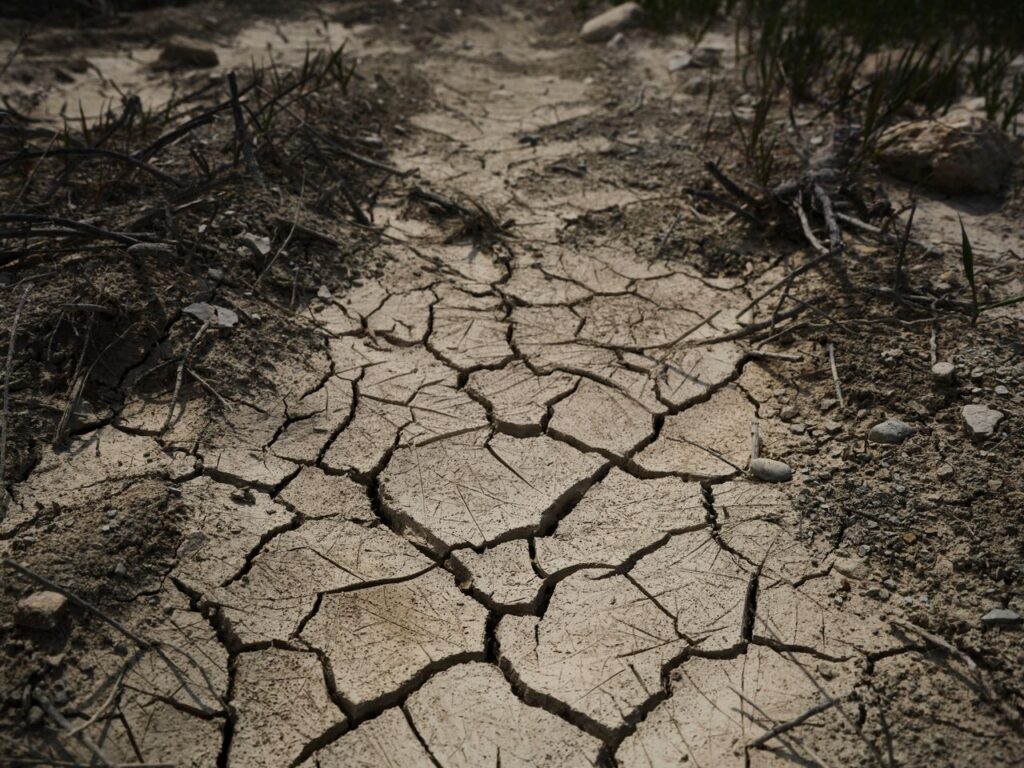
Extreme heat is becoming a bigger factor in how Europeans live, work and travel. Repeated heatwaves are also occurring alongside drought and wildfires, creating a combination of risks that can disrupt entire tourism regions.
For travelers, this means checking a destination’s weather forecast is no longer enough.
They increasingly need to consider:
- heat warnings;
- wildfire conditions;
- water shortages;
- transportation disruptions;
- air quality;
- attraction opening hours;
- local emergency guidance.
In other words, weather is becoming part of travel planning rather than an afterthought.
Tourist Guides Are Among the First to Feel the Heat
Tour guides occupy an unusual position.
They cannot simply stay indoors when temperatures rise.
Their workplace is often:
- an archaeological site;
- a historic city center;
- a cathedral square;
- a castle;
- a national park;
- a beach;
- a mountain trail.
Many tours take place during the exact hours when heat exposure is greatest.
A guide may spend several hours walking, talking and managing a group while standing under direct sunlight.
And visitors may underestimate the danger because they are on vacation.
That creates a potentially dangerous combination.
The Tragic Warning From Rome
The risks are not theoretical.
A 56-year-old Italian tour guide died after collapsing while leading a visit to Rome’s Colosseum during scorching conditions last summer.
The tragedy highlighted the risks faced by guides who can spend hours working at archaeological and cultural sites with limited shade.
Following her death, Italian tour guide associations called for stronger summer protocols and better protection for professionals working in extreme temperatures.
The issue extends far beyond Italy.
Guides across Europe are now asking whether tourism companies and attractions need to rethink how tours are scheduled during heatwaves.
Heat Stress Doesn’t Always Look Dramatic
One reason extreme heat is dangerous for tourists is that heat illness can develop gradually.
A visitor might initially experience:
- thirst;
- fatigue;
- dizziness;
- headache;
- heavy sweating;
- weakness.
Those symptoms can progress to heat exhaustion and, in severe cases, heatstroke.
Heatstroke is a medical emergency.
The problem is that tourists may not recognize the warning signs until they are already seriously affected.
Foreign Visitors Are Particularly Vulnerable
Tourists can be less prepared for local heat than residents.
They may:
- underestimate temperatures;
- spend too long outdoors;
- drink too little water;
- consume alcohol;
- wear unsuitable clothing;
- attempt strenuous sightseeing;
- ignore local heat warnings.
There is also a psychological factor.
Visitors have paid for their holiday.
They may feel compelled to “make the most of it.”
That can lead people to continue sightseeing when the sensible choice would be to stop.
The Classic European Sightseeing Schedule Is Becoming Problematic
Consider the traditional tourist itinerary.
Breakfast.
Walk around a historic center.
Visit a museum.
Lunch outdoors.
Visit an archaeological site.
Take photographs.
Walk to dinner.
It sounds idyllic.
In 40°C heat, it can become exhausting and dangerous.
The industry may increasingly need to redesign schedules around temperature rather than simply around opening hours.
Morning and Evening Tours Could Become the New Normal
One obvious solution is changing the timetable.
Instead of:
10 a.m. to 2 p.m.
tour operators could increasingly favor:
7 a.m. to 10 a.m.
or:
6 p.m. to 9 p.m.
That reduces exposure during the hottest part of the day.
It also creates a different tourism experience.
Sunrise tours, evening walking tours and nighttime cultural events could become increasingly popular.
The Rise of Night Tourism
Europe’s historic cities have enormous potential for evening tourism.
Imagine visiting:
- Rome after sunset;
- Athens at dusk;
- Seville at night;
- Barcelona in the evening;
- Florence after dark.
This could become more than a climate adaptation strategy.
It could become a tourism product.
Restaurants, museums, cultural attractions and tour companies could coordinate evening programs to distribute visitor activity across the day.
Museums Could Become Climate Shelters
Museums are another important part of the solution.
They provide cultural experiences while offering protection from extreme outdoor temperatures.
Tourism authorities could encourage visitors to alternate between outdoor and indoor attractions.
For example:
Ancient ruins → museum → shaded lunch → indoor exhibition → evening walking tour.
That is considerably safer than spending six consecutive hours outdoors.
Ancient Monuments Have Their Own Problem
Europe’s greatest attractions are often its most difficult places to protect from heat.
The Colosseum, Acropolis, Pompeii and countless historic centers were not designed around modern climate conditions.
There may be limited shade.
Stone surfaces absorb heat.
Large crowds can make conditions worse.
And heritage sites cannot simply be covered with modern structures without affecting their historical character.
Heat and Wildfires Are Becoming Linked Tourism Risks
Heat is not the only danger.
Extreme heat and drought create conditions for wildfires.
Greece and other Mediterranean countries can face major fires during periods of extreme weather, while strong winds can rapidly worsen the situation.
For tourists, wildfire risk can mean:
- evacuations;
- road closures;
- canceled excursions;
- airport disruption;
- poor air quality;
- hotel relocations;
- sudden changes to travel plans.
A beach holiday can therefore become an emergency operation with very little warning.
Spain Faces a Particularly Complicated Summer
Spain is one of Europe’s most important tourism markets.
But extreme heat and wildfire risk are increasingly overlapping with peak travel periods.
The country’s enormous tourism industry means that even relatively localized weather emergencies can affect large numbers of visitors.
Popular coastal areas, historic cities and inland destinations can all face different forms of climate pressure.
That makes flexible tourism planning increasingly important.
France Is Also Seeing Persistent Heat
France has experienced prolonged periods of extreme heat.
For tourists, this can make traditional sightseeing particularly challenging.
Paris may be famous for walking.
Southern France may be famous for outdoor dining.
The French Riviera may be famous for beaches.
But all three experiences become different when extreme heat dominates the forecast.
Britain Is No Longer Immune
Perhaps one of the most striking developments is the intensity of heat in the United Kingdom.
Britain has historically been associated with relatively mild summer temperatures.
That assumption is becoming less reliable.
Extreme heat can create problems for a country whose buildings, transportation systems and public spaces were not traditionally designed for prolonged periods of Mediterranean-style temperatures.
For tourists, this means northern Europe cannot automatically be treated as a guaranteed escape from summer heat.
Climate Change Is Redrawing Europe’s Tourism Map
For decades, European tourism followed a simple seasonal pattern.
Northern Europeans traveled south for warmth.
The Mediterranean offered predictable summer sunshine.
Northern countries provided cooler alternatives.
Extreme heat complicates that model.
If southern Europe becomes too hot during July and August, travelers may begin shifting vacations toward:
- northern Europe;
- Atlantic destinations;
- mountain regions;
- coastal areas with cooler climates;
- spring and autumn travel.
Summer May No Longer Be Europe’s Best Tourism Season
This could be one of the biggest changes.
Tourism operators have traditionally concentrated demand in June, July and August.
But increasingly, the most comfortable months for sightseeing could become:
April, May, September and October.
Shoulder-season travel offers several advantages:
- cooler temperatures;
- fewer crowds;
- potentially lower prices;
- easier access to attractions;
- more comfortable walking conditions.
In other words, climate change could unintentionally strengthen Europe’s shoulder season.
Hotels Will Need to Adapt
Hotels are already part of the climate equation.
Guests increasingly expect:
- reliable air conditioning;
- shaded outdoor spaces;
- swimming pools;
- cooling rooms;
- drinking-water stations;
- heat emergency information.
But air conditioning itself requires substantial electricity.
During extreme heat, electricity demand can surge as millions of people turn on cooling systems.
That creates another infrastructure challenge.
Water Is Becoming a Tourism Issue
Heatwaves often arrive alongside drought.
That creates pressure on water supplies.
Hotels use enormous quantities of water for:
- showers;
- laundry;
- swimming pools;
- landscaping;
- restaurants;
- cleaning.
Tourist-heavy regions can therefore face a difficult question:
How much water should be allocated to tourism when local communities are already experiencing shortages?
That question will become increasingly politically sensitive.
Rivers Are Also Being Affected
Extreme heat and prolonged drought are not only affecting beaches and cities.
European rivers can experience critically low water levels.
That creates problems for shipping, agriculture, energy production and river tourism.
For travelers, this creates a surprising consequence:
Even a vacation designed around staying cool on a river cruise can be disrupted by extreme heat.
River Cruises Face a New Climate Risk
Low water can make certain stretches of rivers difficult or impossible for cruise ships to navigate.
Operators may have to:
- change itineraries;
- use smaller vessels;
- transfer passengers by bus;
- modify ports;
- cancel trips.
For travelers, climate disruption is therefore no longer something that happens somewhere else.
It can directly change the vacation they booked.
The Rise of Climate-Conscious Tourism
Tourism businesses may increasingly need to sell experiences rather than simply destinations.
Instead of marketing:
“Three-day walking tour of Rome.”
Companies may market:
“Early-morning Rome experience with air-conditioned museum visits and evening dining.”
The product itself changes.
Tour Guides Need New Training
Guides may increasingly require training in heat safety.
That could include recognizing:
- dehydration;
- heat exhaustion;
- heatstroke;
- confusion;
- fainting;
- dangerous fatigue.
Guides could also be trained to identify when a visitor should be removed from a tour rather than encouraged to continue.
This is especially important because guides often become informal emergency coordinators.
Tourism Companies Need Heat Protocols
Extreme weather should not be treated as a personal responsibility issue for guides alone.
Tour operators should develop formal heat policies.
These could include:
Temperature thresholds
Tours could be modified or canceled when temperatures reach predefined levels.
Mandatory water breaks
Guides could schedule regular hydration stops.
Shade requirements
Outdoor itineraries could include predetermined shaded locations.
Flexible cancellation
Travelers should be able to reschedule dangerous outdoor activities without losing their money.
Emergency procedures
Companies should have clear protocols for medical incidents.
Tourists Also Need to Take Responsibility
Travel companies cannot do everything.
Visitors need to adapt too.
Simple precautions can make a significant difference.
Travelers should:
- drink water regularly;
- wear lightweight clothing;
- use sunscreen;
- seek shade;
- avoid excessive alcohol;
- limit strenuous activity during peak heat;
- check official weather warnings;
- carry necessary medication;
- know where to find air-conditioned spaces.
Most importantly:
Don’t confuse suffering with having a good vacation.
You do not get bonus points for nearly fainting beside an ancient ruin.
The “I Paid for This Holiday” Problem
There is a psychological trap in tourism.
People may think:
“I’ve traveled all this way, so I have to see everything.”
That mindset can be dangerous during extreme heat.
A vacation isn’t a military campaign.
Skipping one attraction is better than spending the rest of the trip in a hospital.
Travel Insurance May Become More Important
Extreme weather can produce:
- cancellations;
- delays;
- evacuation;
- medical expenses;
- itinerary changes.
Travelers should carefully understand what their insurance policies actually cover.
Heat-related disruptions may not always be treated the same way as traditional weather emergencies.
Tourism Boards Need to Change Their Marketing
European destinations have traditionally advertised:
sunny summers, outdoor cafés and endless blue skies.
That marketing approach may need to evolve.
Instead, destinations could promote:
- cooler coastal areas;
- shaded historic districts;
- cultural attractions;
- mountain escapes;
- spring travel;
- autumn festivals;
- evening experiences.
The goal isn’t to scare tourists away.
It’s to encourage smarter travel.
The Opportunity for Northern Europe
Countries farther north could benefit.
The UK, Ireland, Scandinavia, the Netherlands and parts of northern Germany may become increasingly attractive to travelers seeking comfortable summer conditions.
But they need to prepare too.
A destination cannot assume that becoming cooler automatically means becoming more resilient.
Northern Europe also needs:
- adequate accommodation;
- transport capacity;
- water management;
- cooling infrastructure;
- emergency planning.
Mountains Could Become More Popular
Mountain destinations could also benefit.
Higher elevations generally offer cooler temperatures.
That could boost demand for:
- hiking;
- mountain villages;
- alpine resorts;
- wellness tourism;
- nature retreats.
But mountain regions face their own environmental pressures.
More visitors can damage fragile ecosystems.
So even climate-driven tourism shifts must be managed carefully.
The Economics of Heat
Extreme heat is not just a health issue.
It is an economic issue.
When temperatures become unbearable:
Tourists cancel activities.
Restaurants lose daytime customers.
Guides reduce tours.
Attractions alter opening hours.
Airlines face operational challenges.
Hotels spend more on cooling.
Insurance claims increase.
Governments spend more on emergency response.
The economic impact can spread across the entire tourism ecosystem.
Climate Change Could Make Tourism More Expensive
There is another uncomfortable possibility.
If businesses must invest heavily in:
- air conditioning;
- water recycling;
- wildfire protection;
- emergency staff;
- insurance;
- climate-resistant infrastructure;
those costs may eventually reach consumers.
The European holiday of the future could therefore be more expensive partly because it costs more to make tourism safe.
The Tourism Industry Needs Climate Adaptation
Reducing emissions remains important.
But tourism businesses also need to prepare for the climate that already exists.
That means adaptation.
Examples include:
- shaded pedestrian routes;
- water-efficient hotels;
- heat-resistant transport systems;
- wildfire-resistant resorts;
- emergency cooling centers;
- flexible tour schedules;
- climate-conscious urban planning.
Adaptation is no longer a theoretical exercise.
It is becoming a business necessity.
Cities Could Redesign Tourist Routes
Imagine a city map that identifies:
- shaded streets;
- drinking-water fountains;
- air-conditioned public buildings;
- medical centers;
- cooling stations.
Tourists could follow routes designed specifically for extreme heat.
Technology could make this possible through mobile travel applications.
AI Could Become a Heatwave Travel Assistant
Artificial intelligence could eventually provide personalized travel recommendations based on:
- temperature;
- humidity;
- UV levels;
- crowd density;
- wildfire risk;
- transportation;
- opening hours.
Instead of telling travelers:
“Here are the top 10 attractions in Rome.”
An AI travel assistant could say:
“It will be 39°C tomorrow afternoon. Visit the Colosseum at 7 a.m., spend midday in indoor museums and move your walking tour to 7 p.m.”
That’s a much more useful travel plan.
The Future European Holiday May Be Structured Around the Weather
This could become normal.
Morning: sightseeing.
Midday: indoor attractions and lunch.
Afternoon: swimming, rest or museum visits.
Evening: walking tours and restaurants.
The traditional 10 a.m.-to-6 p.m. sightseeing schedule may increasingly disappear.
Tourism Guides May Become Climate Professionals
The role of a guide could evolve.
In addition to knowing history and culture, guides may need to understand:
- heat risk;
- wildfire conditions;
- evacuation routes;
- local emergency systems;
- hydration;
- visitor health.
That’s a major shift.
But perhaps it is inevitable.
Europe Needs to Protect Its Guides
The people guiding tourists through Europe’s cultural treasures are often overlooked in climate discussions.
Yet they are exposed repeatedly.
One extreme day is one thing.
Working outdoors through repeated heatwaves is another.
Employers need to consider:
- shorter shifts;
- additional breaks;
- protective clothing;
- water access;
- flexible schedules;
- cancellation authority.
A guide shouldn’t have to choose between personal safety and keeping a tour company’s itinerary on schedule.
The Most Important Change May Be Cultural
Ultimately, Europe needs to change the way it thinks about summer.
For generations, extreme sunshine has been treated as a luxury.
More sun meant better holidays.
But extreme heat is different.
At a certain point, more heat stops being pleasant.
It becomes dangerous.
Europe’s Tourism Model Is Entering a New Era
The continent isn’t going to stop attracting tourists.
People will continue to want to see the Colosseum, walk through Paris, swim in the Mediterranean and explore Europe’s historic cities.
But the way they do it may change.
The future could involve:
- more shoulder-season travel;
- earlier sightseeing;
- evening tourism;
- more indoor attractions;
- stronger heat protections;
- climate-aware itineraries;
- alternative destinations;
- greater flexibility.
Final Thoughts
Europe’s latest heatwave is more than another uncomfortable spell of summer weather.
It is a warning about the future of tourism.
Tourist guides are among the first people to experience the consequences because their jobs place them outdoors, often for hours at a time. The death of a guide at Rome’s Colosseum last summer demonstrated just how serious the risk can become.
Meanwhile, the wider continent is experiencing a combination of extreme heat, drought and wildfire risk that is increasingly difficult to treat as an occasional anomaly.
The answer isn’t to stop traveling.
It is to travel differently.
Europe’s tourism industry can adapt by moving activities into cooler parts of the day, investing in heat-resilient infrastructure, protecting outdoor workers, improving emergency procedures and encouraging visitors to travel during spring and autumn.
Travelers have a role too.
The smartest tourist of the future may not be the person who manages to see the most attractions.
It may be the person who knows when not to go outside.
Because Europe’s greatest landmarks will still be there tomorrow.
Your health should be, too.
5 Frequently Asked Questions
1. Why are European tourist guides worried about the latest heatwave?
Tour guides are concerned because their work frequently requires prolonged outdoor exposure during extremely high temperatures. Guides can spend hours walking and speaking in direct sunlight while also being responsible for visitors who may not recognize the dangers of heat exhaustion or heatstroke. The death of a 56-year-old guide who collapsed while leading a tour at Rome’s Colosseum last summer has highlighted these risks.
2. Which parts of Europe are experiencing the worst heat?
Southern and western Europe have been particularly affected, including parts of France, Spain, Italy, Greece and the United Kingdom. Some areas have experienced temperatures above 40°C, while Britain has also experienced unusually high temperatures for the country.
3. Should tourists cancel trips to Europe because of the heatwave?
Not necessarily. Travelers should monitor official weather and emergency warnings and be prepared to change outdoor activities. Scheduling sightseeing during the early morning or evening, taking regular breaks, staying hydrated and using indoor attractions during the hottest hours can significantly reduce heat exposure.
4. How could extreme heat change European tourism?
It could encourage a major shift toward spring and autumn travel, early-morning and evening activities, indoor cultural attractions and cooler northern or mountainous destinations. Tourism companies may also need to introduce more flexible itineraries and formal heat-safety policies.
5. Is climate change making European heatwaves worse?
Climate scientists and international weather authorities have linked the increasing frequency and intensity of extreme heat to human-caused climate change. Europe is warming particularly rapidly, while dry soils, warmer seas and persistent high-pressure systems can further amplify heatwaves.
Would you still take a European summer vacation if temperatures could reach 40°C—or would you shift your trip to spring or autumn?
Sources Euro News

