

Across Southern Europe, residents are once again taking to the streets—and even staging work stoppages—to protest the relentless surge of tourists this summer. From water-pistol skirmishes in Barcelona to unscheduled strikes at the Louvre, the backlash reflects mounting frustration with the social, economic, and environmental toll of post-pandemic travel.
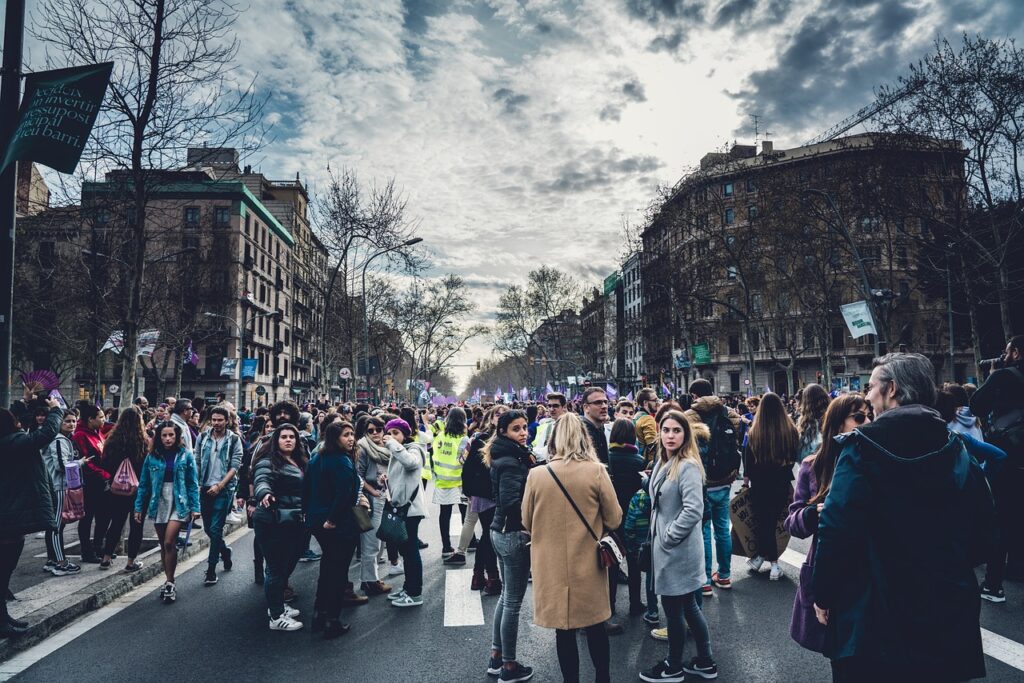
What’s Driving the Protests?
After borders reopened, leisure travel rebounded more sharply than ever, packing historic districts and coastal towns. While tourism fuels roughly 15% of Barcelona’s GDP and supports millions of jobs, locals say it has also:
- Driven up housing costs: In Spain, short-term rentals have risen 25% over two years despite a housing crisis, shrinking the long-term rental market and inflating rents.
- Overburdened public services: Overcrowded trains, clogged streets, and overflowing waste bins disrupt daily life.
- Eroded community fabric: Longtime residents report feeling like strangers in their own neighborhoods as cafes and shops cater almost exclusively to visitors.
From Water Pistols to Walkouts
Creative Demonstrations: In Barcelona and Lisbon, campaigns organized by local activists have encouraged residents to equip themselves with water pistols to “cool down” incoming tourists—symbolic actions aimed at drawing media attention without harming visitors.
Cultural Institution Strikes: On June 16, Louvre staff in Paris walked off the job over understaffing and intolerable crowds, forcing a temporary closure of the world’s busiest art museum. Similar unscheduled strikes have hit museums and galleries in Rome and Milan.
Transport and Service Disruptions: Belgian public‐sector unions have staged monthly walkouts in rail and airport services this year, and Athens taxi drivers recently held a 48‐hour strike at short notice.
Governments Push Back—and Pull Listings
Faced with mounting pressure, authorities are taking steps to rein in short‐term rentals and manage visitor flows:
- Spain’s Listing Crackdown: The central government ordered the removal of 66,000 unlicensed Airbnb units, aiming to stabilize housing markets and deter illegal rentals.
- Barcelona Hotel Moratorium: A freeze on new hotel permits in key districts aims to preserve affordable housing stock and redirect investment toward community services.
- Tourist Taxes and “Stay Local” Campaigns: Revenue from per‐night levies funds cultural programs and infrastructure, while public‐awareness initiatives encourage respectful visitor behavior.
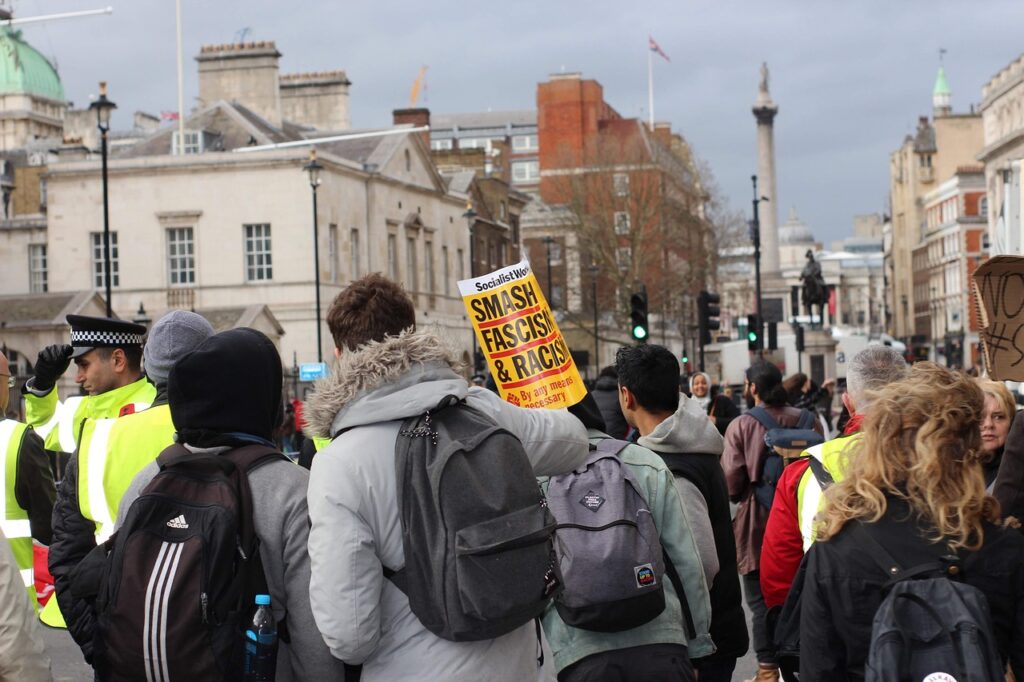
How This Affects Travelers
Planning Ahead: Expect sporadic disruptions—museum closures, transport delays, and temporary blockades. Check local news and official tourism websites for alerts.
Embrace Shoulder Seasons: Visiting in late spring or early autumn avoids peak‐crowd tensions and often delivers better pricing.
Explore Beyond Hotspots: Regions like Andalusia’s inland pueblos, Portugal’s Alentejo coast, and off‐season Greek islands offer rich culture with fewer crowds.
Conclusion
Europe’s anti-tourism protests and related strikes underscore a critical juncture: finding an equilibrium that sustains economic benefits without sacrificing resident well-being. As destinations experiment with caps, moratoria, and community‐driven solutions, the summer of 2025 could mark the turning point toward more balanced, respectful travel.
Frequently Asked Questions (FAQs)
Q1: Why are locals protesting tourism again this summer?
They cite skyrocketing rents, overcrowded public services, and loss of community identity—problems greatly amplified by the post-COVID travel surge.
Q2: Are the protests targeting tourists personally?
No. Demonstrations and strikes aim at policymakers, platforms like Airbnb, and industry practices, not individual visitors.
Q3: Which cities are most affected?
Barcelona, Lisbon, Venice, Paris, Rome, and popular Mediterranean islands (Majorca, Canary Islands) are ground zero for protests.
Q4: What kinds of strikes should travelers expect?
Museum staff walkouts (e.g., Louvre), public‐sector transport strikes in Belgium and France, and taxi driver stoppages in Athens.
Q5: How can I stay informed?
Monitor local news, follow official city‐tourism social media accounts, and use apps like Rail Europe or Rome2rio for transport updates.
Q6: Will these measures make travel more expensive?
Tourist taxes and reduced rental supply may push costs higher, but alternative destinations and off-peak travel can help manage budgets.
Sources AXIOS

