
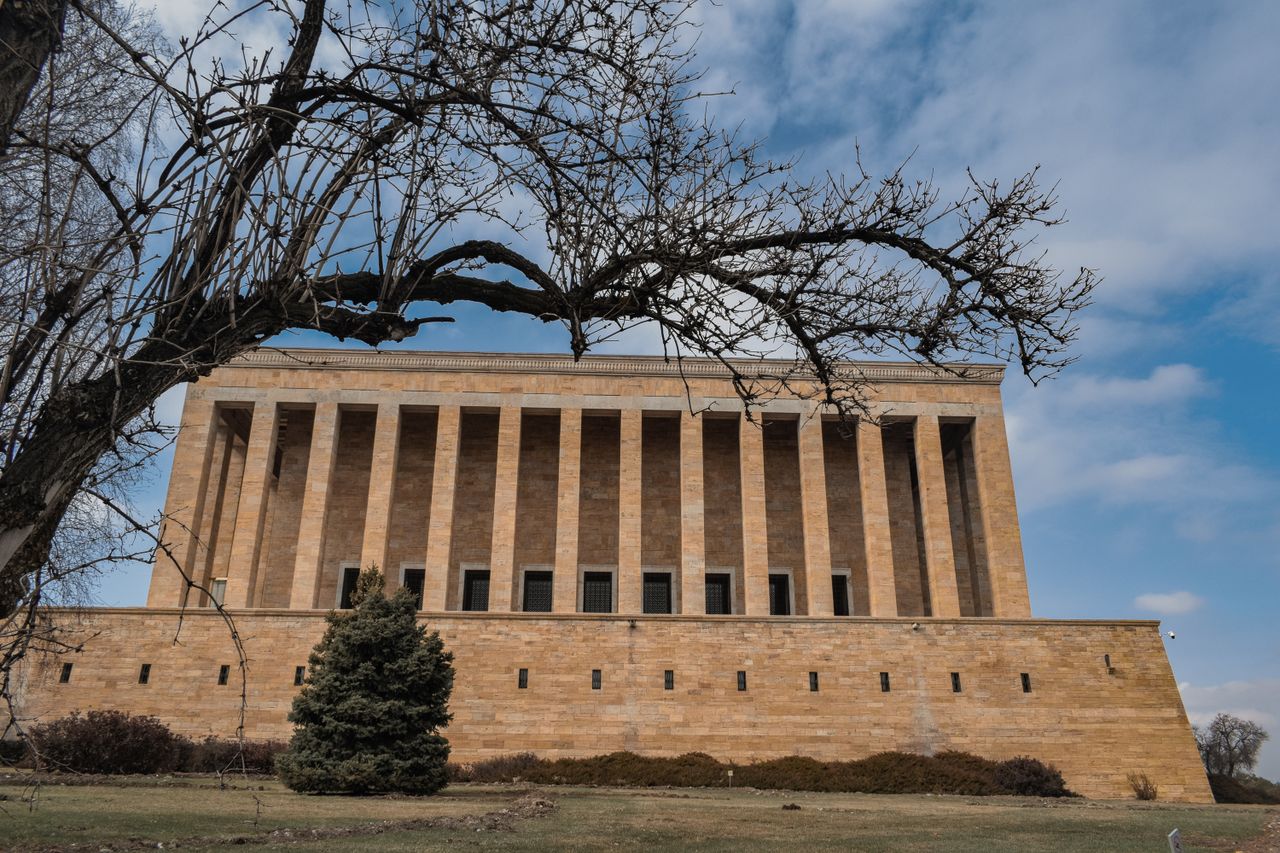
Travel has long been a way to learn about history, culture, and different societies. Millions of people visit historical landmarks, museums, battlefields, and memorials every year to better understand significant events that shaped the modern world.
However, researchers and security experts have increasingly warned that a small number of individuals misuse tourism for a very different purpose: traveling to locations associated with extremist ideologies to reinforce radical beliefs, build social networks, or participate in commemorative gatherings.
This phenomenon—sometimes described by researchers as extremist pilgrimage tourism—has attracted growing attention because it illustrates how ordinary travel can be exploited for ideological purposes. While these travelers represent only a tiny fraction of global tourists, their activities have prompted governments, historians, and educators to examine how historical sites should be interpreted and protected.
Importantly, the overwhelming majority of visitors to locations connected with difficult historical events travel for education, remembrance, academic research, or cultural understanding—not to celebrate extremist ideologies.

What Is Extremist Pilgrimage Tourism?
Extremist pilgrimage tourism refers to travel motivated primarily by ideological interest in places connected to extremist movements, historical dictatorships, or acts of political violence.
Such travel may involve:
- Visiting historically significant locations
- Attending commemorative events
- Meeting like-minded individuals
- Consuming historical narratives through an ideological lens
Researchers emphasize that the same location may attract very different kinds of visitors. One person may visit to learn history, while another may attempt to reinterpret that history to support extremist beliefs.
Why Historical Sites Matter
Historical places often become symbols.
Examples include:
- Former government buildings
- Battlefields
- Memorials
- Museums
- Historic prisons
- Sites connected with major political events
Most museums and memorials present carefully researched historical information designed to educate visitors and encourage critical thinking.
Professional historians work to provide context rather than glorification.
Tourism and Historical Memory
Tourism plays an important role in preserving collective memory.
Educational travel can help visitors:
- Understand historical events
- Learn about the consequences of intolerance
- Appreciate democratic institutions
- Recognize the value of human rights
- Develop empathy for victims of conflict
Many memorials emphasize remembrance rather than celebration.
The Internet’s Influence on Ideological Travel
Digital communication has made it easier for people with shared interests—including extremist views—to discover historical locations and discuss travel plans.
Online platforms can be used to:
- Share photographs
- Exchange historical information
- Organize gatherings
- Promote distorted historical narratives
At the same time, educational organizations also use digital platforms to counter misinformation by providing accurate historical resources and virtual museum experiences.
Why Context Is Essential
The same historical location can convey different meanings depending on how it is presented.
Responsible interpretation typically includes:
- Historical documentation
- Multiple perspectives
- Academic research
- Testimonies from survivors
- Original archival materials
Context helps visitors understand not only what happened but also why it matters today.
Museums as Educational Institutions
Modern museums increasingly focus on education rather than simply displaying artifacts.
Many exhibitions explore:
- Human rights
- Democracy
- Civil liberties
- The dangers of discrimination
- The impact of authoritarianism
- Lessons from history
Interactive exhibits, oral histories, and digital archives help visitors engage with complex historical topics.
The Role of Historians
Professional historians contribute by:
- Verifying historical evidence
- Challenging myths
- Correcting misinformation
- Preserving archival records
- Encouraging evidence-based discussion
Historical scholarship continues to evolve as new documents become available and research methods improve.

Security and Public Safety
Authorities responsible for managing historically sensitive locations often balance several priorities.
These include:
- Protecting visitors
- Preserving historical integrity
- Preventing vandalism
- Enforcing local laws
- Maintaining respectful public spaces
Security measures vary depending on the site’s significance and visitor volume.
The Ethics of Visiting Difficult Historical Sites
Traveling to locations connected with tragedy raises important ethical questions.
Responsible visitors should:
- Respect local rules
- Avoid disruptive behavior
- Follow photography guidelines
- Recognize the site’s historical importance
- Consider the experiences of victims and survivors
Thoughtful behavior contributes to preserving these places for future generations.
The Difference Between Historical Interest and Extremism
Studying difficult periods of history is fundamentally different from endorsing extremist ideologies.
Academic research seeks to:
- Understand historical causes
- Examine political systems
- Learn from past mistakes
- Prevent future violence
Education is widely regarded as one of the most effective ways to reduce the appeal of extremist narratives.
Countering Historical Distortion
One challenge facing historians is the spread of misinformation.
Common strategies for promoting historical accuracy include:
- Archival preservation
- Public education
- Documentary filmmaking
- Academic publishing
- Museum programming
- School curricula
These efforts help ensure that historical events are understood through evidence rather than myth.
Technology and Historical Preservation
Modern technology has transformed how history is documented and shared.
Innovations include:
- Digital archives
- Virtual museum tours
- 3D preservation of historic sites
- Interactive educational platforms
- AI-assisted cataloging
- Online historical databases
These tools improve public access to reliable historical information while helping preserve fragile cultural resources.
The Importance of Critical Thinking
History is complex.
Responsible historical understanding requires:
- Evaluating evidence
- Considering multiple sources
- Recognizing bias
- Distinguishing facts from opinion
- Understanding historical context
Critical thinking helps individuals resist misinformation and simplistic interpretations of complicated events.
Looking Ahead
As international tourism continues to grow, educational travel will remain an important way for people to understand the past.
Museums, memorials, educators, and historians are increasingly working together to:
- Preserve historical truth
- Promote respectful remembrance
- Encourage informed public dialogue
- Support intercultural understanding
Their efforts help ensure that sites connected with painful chapters of history remain places of learning rather than platforms for ideological misuse.
Learning From History Through Responsible Tourism
History should be remembered, not romanticized.
While a small number of individuals may misuse travel to reinforce extremist beliefs, the vast majority of visitors approach historical sites with curiosity, empathy, and a desire to learn.
Responsible tourism, combined with accurate historical education, strengthens public understanding of democracy, human rights, and the consequences of intolerance. By preserving historical evidence, supporting museums, and encouraging respectful engagement with the past, societies can help ensure that difficult chapters of history serve as lessons rather than sources of admiration.
Ultimately, the value of historical travel lies not in revisiting the past to celebrate it, but in understanding it well enough to build a more informed and peaceful future.
Frequently Asked Questions (FAQs)
1. What is extremist pilgrimage tourism?
It refers to travel motivated by ideological interest in locations associated with extremist movements or historical acts of political violence. Researchers distinguish this from educational or commemorative visits.
2. Why do people visit historically sensitive sites?
Most visitors go to learn about history, honor victims, conduct research, or better understand important historical events and their consequences.
3. How do museums help prevent historical misinformation?
Museums provide evidence-based exhibitions, archival materials, survivor testimonies, and educational programs that place historical events in proper context.
4. Can technology improve historical education?
Yes. Digital archives, virtual tours, interactive exhibits, and online educational resources make reliable historical information more accessible to people around the world.
5. How can travelers visit historical sites respectfully?
Visitors should follow site rules, respect memorial spaces, avoid disruptive behavior, seek information from credible sources, and approach these locations with an understanding of their historical significance and the experiences of those affected.

Sources wbur

