
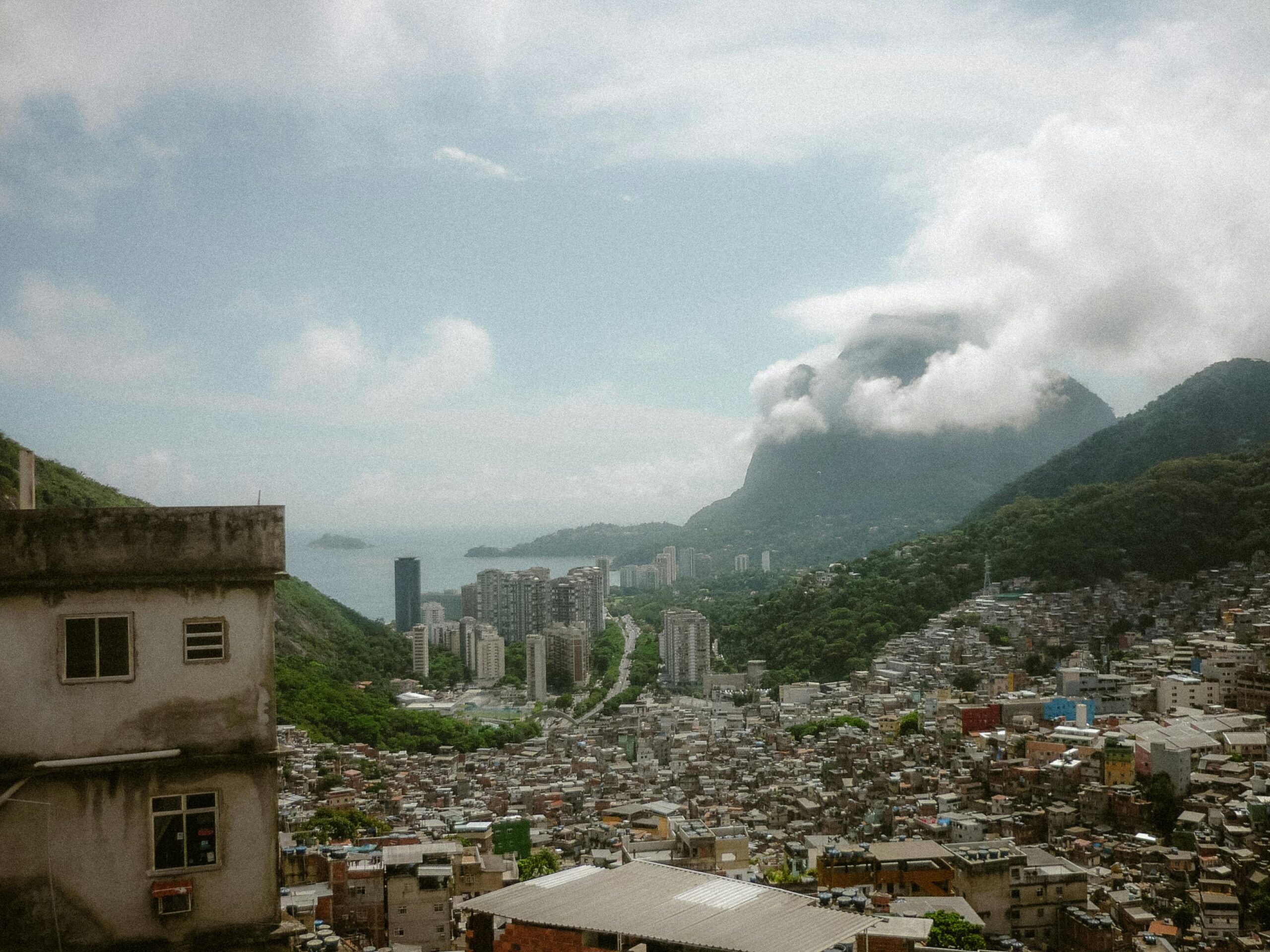
A viral drone video showcasing Rio de Janeiro’s sprawling favelas has reignited global debate about favela tourism, a controversial form of travel that brings visitors into some of Brazil’s most economically disadvantaged communities. While proponents argue that these tours provide economic opportunities and cultural exchange, critics say they risk turning poverty into spectacle.
The renewed discussion highlights broader questions about ethical tourism, community representation, and how digital media can reshape public perceptions of marginalized neighborhoods.
As social media increasingly influences travel trends, the conversation surrounding favela tourism in Rio has become more complex than ever.

What Are Favelas?
Favelas are informal urban settlements that developed in Brazil due to rapid urbanization, housing shortages, and social inequality.
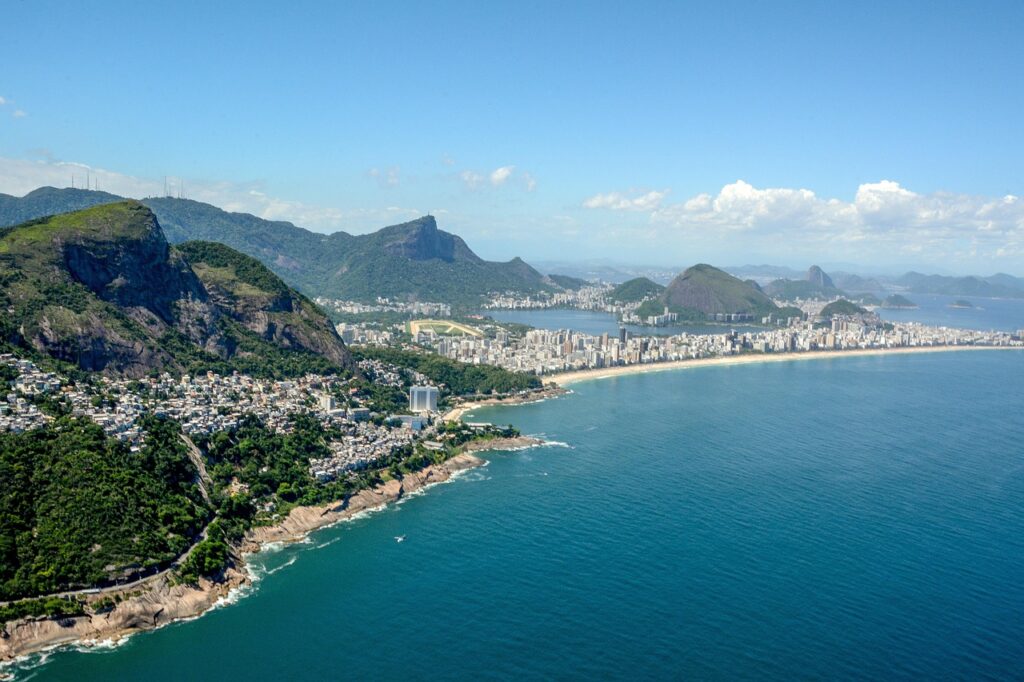
Rio de Janeiro alone is home to hundreds of favelas, housing an estimated over 1.5 million residents. These neighborhoods often exist alongside some of the city’s wealthiest districts, creating one of the world’s most visible contrasts between wealth and poverty.
Despite persistent stereotypes, favelas are not uniform communities. They vary widely in terms of:
- Infrastructure and housing quality
- Access to public services
- Safety conditions
- Community organization
- Cultural identity
Many favelas have strong local economies, vibrant art scenes, and tight-knit community networks.
The Rise of Favela Tourism
Favela tourism began gaining attention in the 1990s and early 2000s, when travelers sought experiences beyond Rio’s traditional attractions such as:
- Copacabana Beach
- Christ the Redeemer
- Sugarloaf Mountain
Tour operators began offering guided visits to communities like Rocinha, one of Rio’s largest favelas.
Typical tours may include:
- Walking through neighborhood streets
- Visiting local businesses
- Learning about community history
- Viewing art, music, and cultural initiatives
- Observing daily life in the community
Some tours emphasize cultural exchange and social awareness, while others have been criticized for voyeurism.
The Viral Drone Video Controversy
The recent debate was triggered by a widely shared drone video capturing sweeping aerial footage of Rio’s dense hillside favelas.
While some viewers praised the imagery for highlighting the scale and complexity of the communities, others argued that the video reinforced harmful stereotypes by presenting the neighborhoods as chaotic or exotic.
Critics also raised concerns about:
- Lack of community consent
- Use of residents’ living spaces as visual spectacle
- Reinforcement of poverty-focused narratives
The viral nature of the video amplified these debates globally, illustrating how digital platforms can quickly shape tourism discourse.
Ethical Concerns Surrounding Favela Tourism
Favela tourism sits at the intersection of curiosity, education, and ethical responsibility.
Critics argue that certain tours may unintentionally:
- Exploit poverty for entertainment
- Reduce complex communities to stereotypes
- Exclude residents from economic benefits
- Invade privacy
The concept is sometimes compared to “poverty tourism”, where visitors observe disadvantaged communities without contributing meaningfully to their development.
However, many local residents reject this simplistic framing.
Economic Opportunities for Local Communities
Supporters of favela tourism argue that responsible tours can generate economic benefits.
When organized ethically, tourism can:
- Provide income for local guides
- Support small businesses
- Promote community-based enterprises
- Fund educational and social programs
- Increase global awareness of local culture
Some favela residents run their own tour companies, ensuring that revenue stays within the community.
These locally led initiatives often emphasize storytelling from residents’ perspectives rather than outsider narratives.
Changing Narratives About Favelas
Favela tourism has also contributed to changing international perceptions.
For decades, global media coverage often portrayed favelas primarily through the lens of:
- Crime
- Drug trafficking
- Violence
While such issues do exist in some areas, they do not define the entirety of favela life.
Community organizations and cultural leaders have used tourism as a platform to highlight:
- Music and dance traditions such as samba and funk
- Street art and murals
- Social entrepreneurship
- Youth education programs
By sharing these stories, residents aim to reclaim the narrative surrounding their communities.
The Role of Social Media in Tourism Debates
Platforms such as TikTok, Instagram, and YouTube have transformed how travelers discover destinations.
Drone footage, in particular, has become popular for showcasing landscapes and cityscapes.
However, when used in residential areas, drone filming raises ethical questions related to:
- Privacy
- Consent
- Representation
- Context
A viral clip can reach millions of viewers but often lacks the deeper context needed to understand the communities depicted.
Responsible Tourism Approaches
Many tourism experts emphasize the importance of community-led tourism models.
Responsible favela tourism may include:
- Tours operated by local residents
- Clear guidelines respecting privacy
- Educational focus on social history and culture
- Transparent distribution of tourism revenue
- Partnerships with community organizations
Travelers are increasingly seeking experiences that are both authentic and ethically responsible.
Tourism and Urban Inequality
The debate over favela tourism also reflects broader issues of urban inequality in global cities.
Rio de Janeiro, like many major urban centers, faces challenges including:
- Housing shortages
- Income inequality
- Infrastructure disparities
- Social exclusion
Tourism alone cannot solve these structural issues, but it can influence how communities are perceived internationally.
How tourism portrays marginalized neighborhoods can either reinforce stereotypes or foster empathy and understanding.
Frequently Asked Questions
What is favela tourism?
Favela tourism involves guided visits to informal communities in Rio de Janeiro where visitors learn about local culture, history, and daily life.
Is favela tourism controversial?
Yes. Some people view it as educational and economically beneficial, while others see it as exploitative or voyeuristic.
Do residents support favela tourism?
Opinions vary. Some residents welcome the economic opportunities, while others are concerned about privacy and representation.
Are favela tours safe?
Many tours operate safely with experienced guides, but safety conditions vary depending on the community and local circumstances.
How can tourists visit responsibly?
Travelers should choose tours run by local organizations, respect residents’ privacy, and avoid treating communities as spectacles.
Why did the drone video cause debate?
Critics argued that the viral footage lacked context and may have reinforced stereotypes about favela life.
Does tourism benefit favela communities?
It can, particularly when tours are locally managed and revenue supports community initiatives.
Conclusion
The debate surrounding favela tourism in Rio de Janeiro reflects larger conversations about ethics, representation, and the power dynamics of global travel.
While tourism can offer economic opportunities and promote cultural exchange, it also raises questions about how marginalized communities are portrayed and who controls the narrative.
The viral drone video that reignited the debate demonstrates the growing influence of social media in shaping travel perceptions. In a world where images travel instantly across the internet, responsible storytelling and ethical tourism practices are more important than ever.
Ultimately, the future of favela tourism may depend on shifting the focus from observation to collaboration — ensuring that the voices and interests of residents remain at the center of the experience.
Sources Barron’s

