
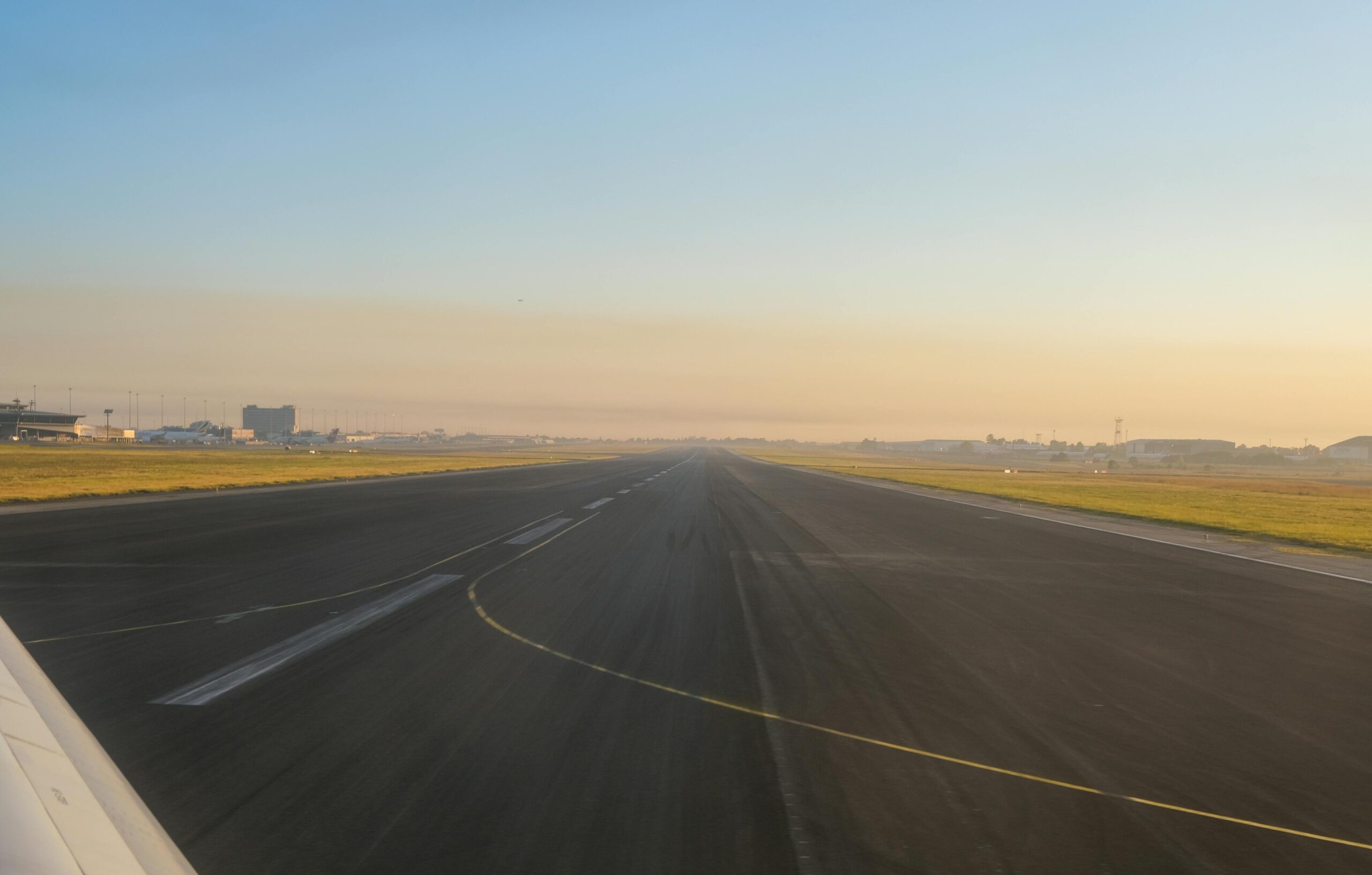
As regional conflicts intensify around the world, the effects are increasingly felt far beyond battle zones. One of the most immediate consequences is the suspension of commercial flights, leaving tourists stranded in destinations that suddenly become difficult—or impossible—to leave. Recent flight pauses tied to growing conflict highlight how fragile international travel can be when geopolitical tensions escalate rapidly.
While travelers often plan for weather disruptions or airline delays, conflict-driven shutdowns present a far more complex challenge involving aviation safety, diplomacy, and personal risk.
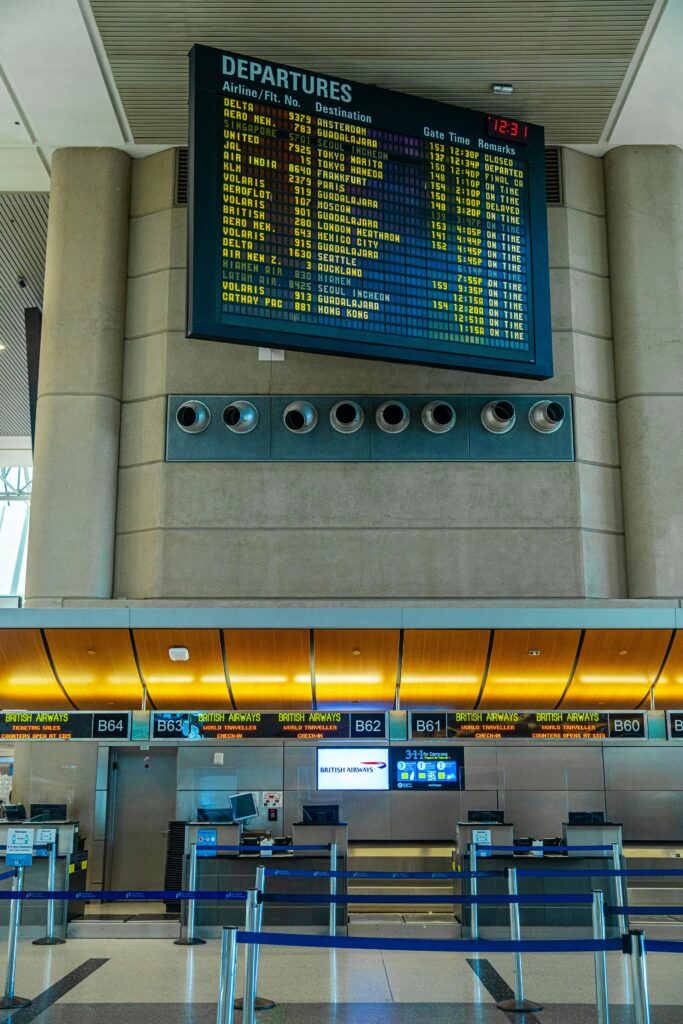
What Happened: Why Flights Were Paused
Flights were halted after escalating conflict raised serious safety concerns for commercial aviation. Airlines and aviation authorities typically pause operations when:
- Airspace becomes unsafe due to military activity
- Missile, drone, or anti-aircraft threats increase
- Airports face security risks or infrastructure damage
- Governments issue urgent advisories or restrictions
Once airspace is deemed unsafe, airlines have little choice but to suspend service, often with little advance notice.
Why Tourists Become Stranded So Quickly
Limited Exit Options
In conflict-prone or remote regions, airports may be few and alternative routes scarce. When flights stop:
- Border crossings may close
- Sea or land travel may be restricted
- Neighboring countries may deny entry
Tourists can find themselves isolated within hours.
Rapidly Changing Conditions
Conflicts can escalate faster than evacuation plans can be implemented. What was considered a “manageable risk” one day may become untenable the next.
Aviation Safety Comes First
Commercial aviation operates under strict international safety rules. Airlines must comply with:
- National aviation authority directives
- International Civil Aviation Organization (ICAO) guidance
- Insurance and liability requirements
Flying through or near conflict zones exposes aircraft to risks that modern systems cannot fully mitigate, making suspensions a safety necessity rather than a business choice.
The Role of Governments and Diplomacy
What Home Governments Can Do
Governments can:
- Issue travel alerts and evacuation guidance
- Coordinate with allies and host nations
- Arrange charter evacuations in extreme cases
However, they cannot guarantee immediate rescue, especially when airspace is closed or diplomatic relations are strained.
Host Country Constraints
Local authorities may prioritize military or security concerns over civilian movement, further complicating evacuation efforts.

The Human Impact on Stranded Tourists
Being stranded due to conflict is not just a logistical problem—it is a psychological one. Tourists often face:
- Anxiety and uncertainty
- Rising accommodation and living costs
- Limited access to information
- Language and communication barriers
Those without travel insurance or emergency funds are particularly vulnerable.
Why Travel Advisories Matter
Many conflict-related stranding incidents involve destinations already under travel warnings. Travelers sometimes assume:
- Tourist areas will remain unaffected
- Conflicts are localized and distant
- Airlines will evacuate passengers automatically
In reality, travel advisories are based on worst-case scenarios, not average conditions—and those scenarios can unfold quickly.
Economic Fallout for Destinations
Flight suspensions hurt not only tourists but also:
- Hotels and resorts
- Tour operators and guides
- Local workers dependent on tourism
Even short disruptions can damage a destination’s reputation for years.
The Growing Pattern: Conflict and Tourism Collisions
As global tensions rise, similar incidents are becoming more common. Tourism increasingly intersects with:
- Geopolitical rivalries
- Regional instability
- Military escalation
Destinations once considered “on the edge” of conflict zones are now seeing tourism risks intensify.
How Travelers Can Better Protect Themselves
Travelers can reduce risk by:
- Monitoring travel advisories regularly
- Purchasing evacuation and disruption insurance
- Registering with their embassy
- Avoiding regions near active conflicts
- Maintaining emergency funds and backup plans
Preparedness does not eliminate risk—but it reduces vulnerability.
What This Means for the Future of Travel
Conflict-driven flight suspensions signal a shift in how travel must be approached:
- Risk assessment is now essential, not optional
- Political stability matters as much as scenery
- Airlines and insurers may limit coverage in high-risk regions
Global tourism will likely become more cautious, selective, and security-conscious.
Frequently Asked Questions (FAQs)
Why were flights paused in this case?
Escalating conflict made the airspace unsafe for commercial aviation.
How do tourists get stranded so quickly?
Flight suspensions, closed borders, and limited transport options can trap travelers with little warning.
Can airlines evacuate stranded passengers?
Only if airspace reopens and conditions allow. Safety regulations often prevent evacuation flights.
Will governments rescue stranded tourists?
Governments may assist, but evacuation is not guaranteed and depends on security and access.
Should travelers avoid regions near conflicts entirely?
Travel near conflict zones carries heightened risk and should be approached with extreme caution.
Does travel insurance cover conflict-related disruptions?
Only certain policies do. Many exclude war-related events unless specifically included.
Will incidents like this become more common?
Yes, as global conflicts increase and travel expands into politically fragile regions.
Conclusion
The suspension of flights due to escalating conflict—and the resulting stranding of tourists—serves as a stark reminder that global travel operates within a volatile political landscape. In an era of rising geopolitical instability, even well-planned trips can unravel overnight.
For travelers, airlines, and governments alike, the lesson is clear: when conflict escalates, safety comes first—and mobility becomes fragile. Preparing for that reality is now an essential part of international travel.
Sources Fox News

