
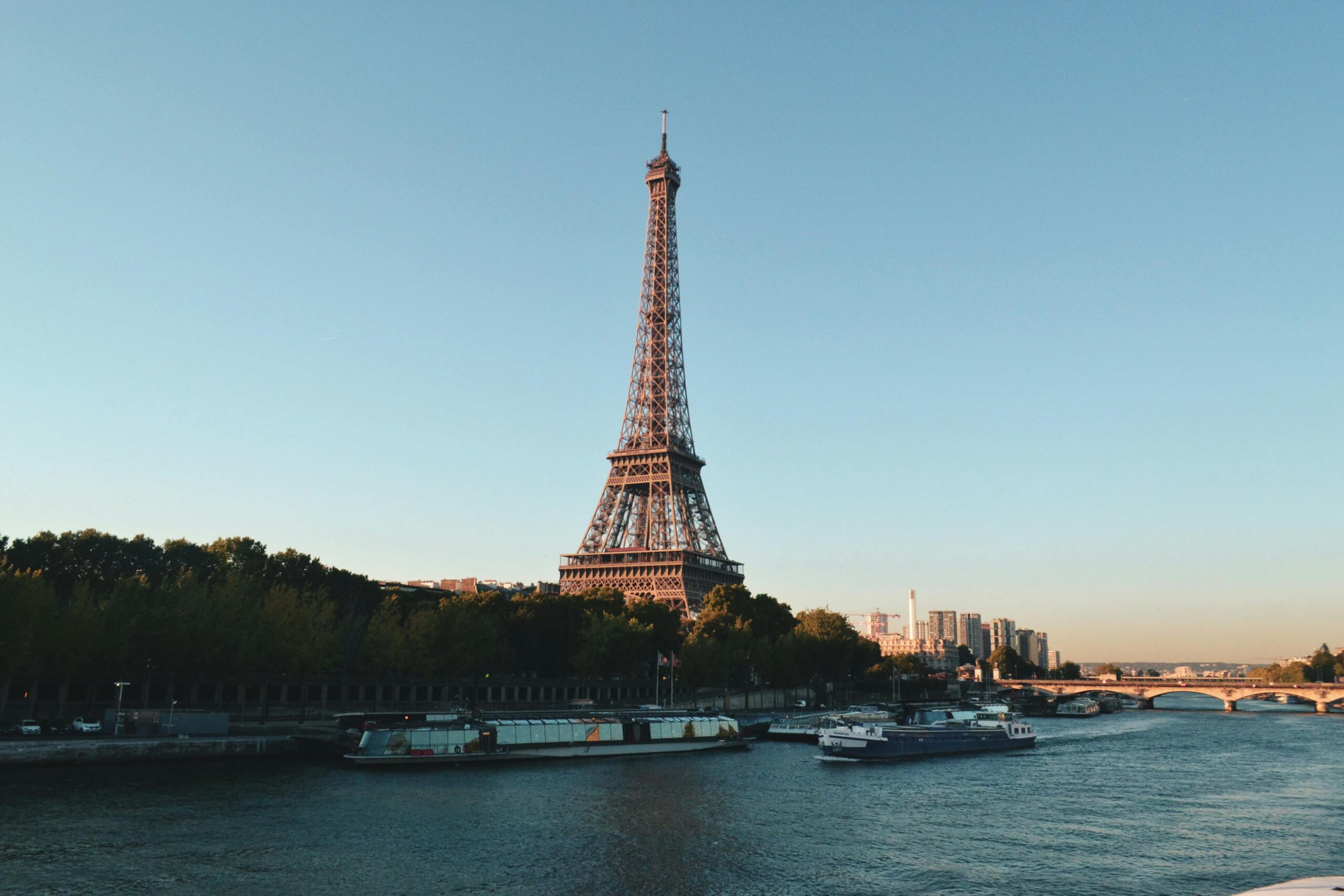
France may be the world’s most visited country, but with that prestige comes an increasingly urgent problem: over-tourism. From overcrowded beaches in the south to congested medieval villages and Alpine towns straining under seasonal demand, local communities have long called for stronger policies to manage tourism pressure.
Responding to these concerns, the French government has introduced a national ranking system that evaluates and categorizes towns based on the severity of their tourism saturation. This new framework is intended to give policymakers a clearer picture of where crowding is most intense, help towns secure funding for infrastructure improvements, and guide regulations designed to protect local quality of life — all while ensuring that tourism remains economically viable.
This expanded article explores what the new ranking system actually measures, why it matters, how it may reshape the future of French tourism policy, and what both visitors and residents can expect.

Why France Developed an Overtourism Ranking System
1. Tourism Numbers Are Reaching Unprecedented Levels
France receives 90+ million international visitors in recent years, and domestic tourism accounts for millions more. Popular destinations such as:
- Mont-Saint-Michel
- Étretat
- Nice and the Côte d’Azur
- Annecy
- Paris
are seeing record-breaking crowding.
The ranking aims to pinpoint which towns are experiencing unsustainable levels of pressure.
2. Local Residents Have Raised Concerns for Years
Many communities have struggled with:
- traffic congestion
- housing shortages due to short-term rentals
- strained water and waste systems
- noise pollution
- seasonal job instability
- loss of local shops replaced by tourist-oriented businesses
Until now, there was no nationwide system to assess or compare these challenges.
3. Tourism Management Has Been Patchwork
Individual towns have implemented local regulations, such as:
- limiting tour bus access
- restricting Airbnb-style rentals
- charging visitor entrance fees
- capping cruise ship arrivals
France now wants a coordinated national approach.
4. Environmental Protection Is Becoming Urgent
Fragile ecosystems — beaches, lakes, mountain trails, wetlands — are increasingly damaged by heavy visitor flows. The new ranking helps identify where nature-based interventions are needed.
How the Ranking System Works
The government evaluates towns using several criteria, including:
1. Visitor-to-resident ratio
How many tourists pour into an area compared to its population.
2. Seasonal peaks
Some towns experience unsustainable spikes during summer or ski seasons.
3. Infrastructure strain
Waste management, transportation, water supply, and emergency services.
4. Housing pressure
Rising rents, reduced housing availability for locals, and growth of vacation rentals.
5. Environmental impact
Erosion, pollution, damage to natural sites, and biodiversity threats.
6. Quality-of-life indicators
Complaints from residents, overcrowding in public spaces, and noise.
7. Economic dependence on tourism
Higher dependence often means higher risk when overcrowding becomes unmanageable.
Towns are then grouped into tiers ranging from “manageable” to “critical,” helping policymakers prioritize areas needing immediate intervention.
Examples of Destinations Likely to Rank High
Mont-Saint-Michel
A tiny village overwhelmed by millions of annual visitors.
Étretat (Normandy)
Famous cliffs now seeing dangerous overcrowding on hiking paths.
Annecy (Alps)
Massive summer tourism creates traffic and environmental issues around the lake.
Biarritz & the Basque Coast
Surf culture and summer holidays bring intense seasonal congestion.
Paris
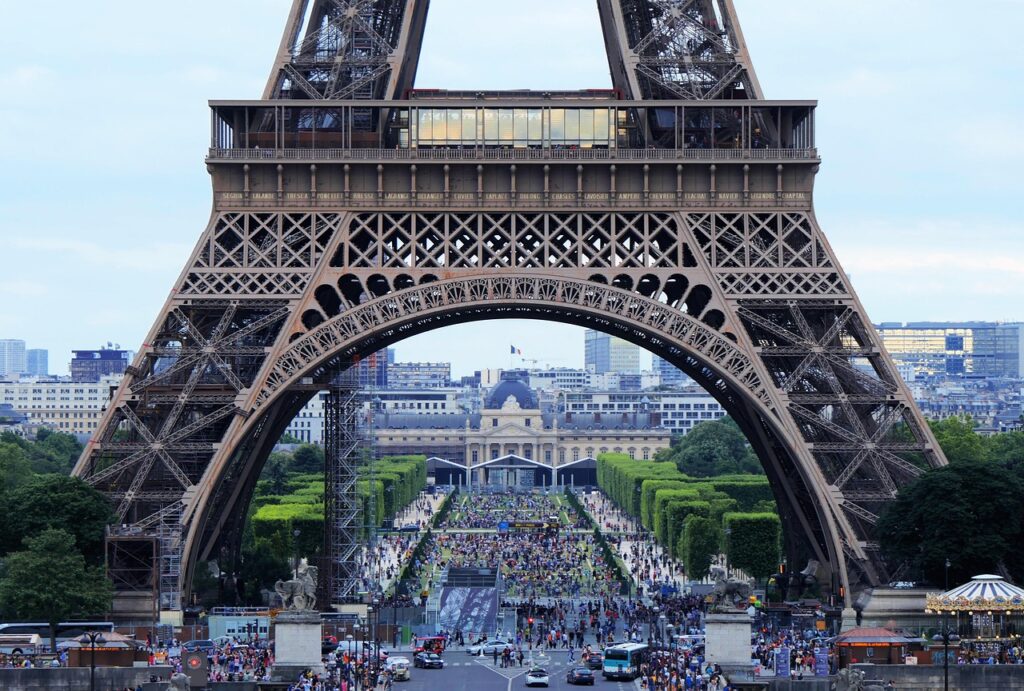
Major attractions like the Eiffel Tower, Montmartre, and the Louvre regularly surpass sustainable capacity.
What the Original Coverage Didn’t Fully Address
1. The Ranking Will Influence Funding Allocation
Towns with higher overtourism scores may receive:
- financial support for infrastructure
- environmental protection funding
- resources to hire local authorities or tourism managers
This creates a transparent path for budget prioritization.
2. The System Will Shape Future Regulations
France plans to use the ranking to determine:
- limits on tour group sizes
- caps on short-term rentals
- entry quotas for natural sites
- dynamic pricing for peak-season visits
- restrictions on cruise ships
Policies may soon resemble those in Venice, Amsterdam, and Barcelona.
3. It Will Affect Tourism Marketing
Destinations identified as highly saturated may reduce promotional campaigns.
Meanwhile, rural and lesser-known towns may receive incentives to attract redistributed tourism, easing pressure on hotspots.
4. It Helps France Address Climate Goals
Overtourism contributes to:
- carbon emissions
- coastal erosion
- water scarcity in southern regions
The ranking helps France integrate tourism into wider environmental planning.
5. Local Voices Are Being Included
The system was developed after extensive consultations with:
- mayors
- environmental groups
- local businesses
- resident associations
- hospitality industry leaders
Their input shaped both the metrics and the policy intentions.
What This Means for Travelers
1. More regulated visiting experiences
Tourists may encounter:
- timed-entry systems
- caps on daily visitors
- reservation-only access to natural sites
- adjusted hours for popular attractions
2. Higher fees in saturated areas
Entrance taxes, sustainability fees, or peak-season surcharges may expand.
3. Better infrastructure
Visitors might see:
- improved transportation
- clearer signage
- cleaner facilities
- upgraded walking paths
4. More promotion of “hidden gems”
Travelers will be encouraged to explore lesser-known regions such as:
- the Auvergne
- Jura mountains
- Berry region
- Ardennes
- Occitanie’s inland villages
How French Communities Could Benefit
1. Protection of local housing
New rules may reduce excessive short-term rentals.
2. Greater investment
Funding for safer streets, cleaner beaches, and better mobility systems.
3. Stronger cultural preservation
Efforts to keep traditional shops, markets, and crafts alive.
4. Reduced daily stress
Less noise, traffic, and overcrowding for year-round residents.
Frequently Asked Questions
Q: What is the purpose of the new overtourism ranking?
A: To identify which French towns experience the most crowding and direct resources, regulations, and planning strategies to those areas.
Q: Will this affect travelers visiting France?
A: Yes. Popular destinations may implement more restrictions, reservation systems, or fees. However, infrastructure improvements will likely enhance visitor experience.
Q: Is France trying to reduce tourism?
A: Not reduce — manage it. The goal is sustainable tourism that balances economic benefits with livability for locals.
Q: Which towns are likely to be impacted most?
A: Major hotspots such as Mont-Saint-Michel, Étretat, Annecy, Paris, and coastal towns along the Côte d’Azur.
Q: Will Airbnb and vacation rentals be affected?
A: Possibly. Towns with severe housing strain may impose caps or stricter registration rules.
Q: Could some destinations introduce visitor quotas?
A: Yes. Nature sites and fragile ecosystems are the most likely to introduce caps.
Q: How will this help local residents?
A: By reducing traffic, protecting housing, improving infrastructure, and preserving community culture.
Q: Will less-famous destinations be promoted more?
A: Definitely. France plans to redistribute tourism to rural and lesser-known regions.
Q: Is this similar to what other countries are doing?
A: Yes. Spain, Italy, Greece, and the Netherlands are all adopting overtourism management strategies.
Q: When will travelers start seeing changes?
A: Some regulations may appear within a year, while major structural changes will roll out gradually.

Sources The Local

