
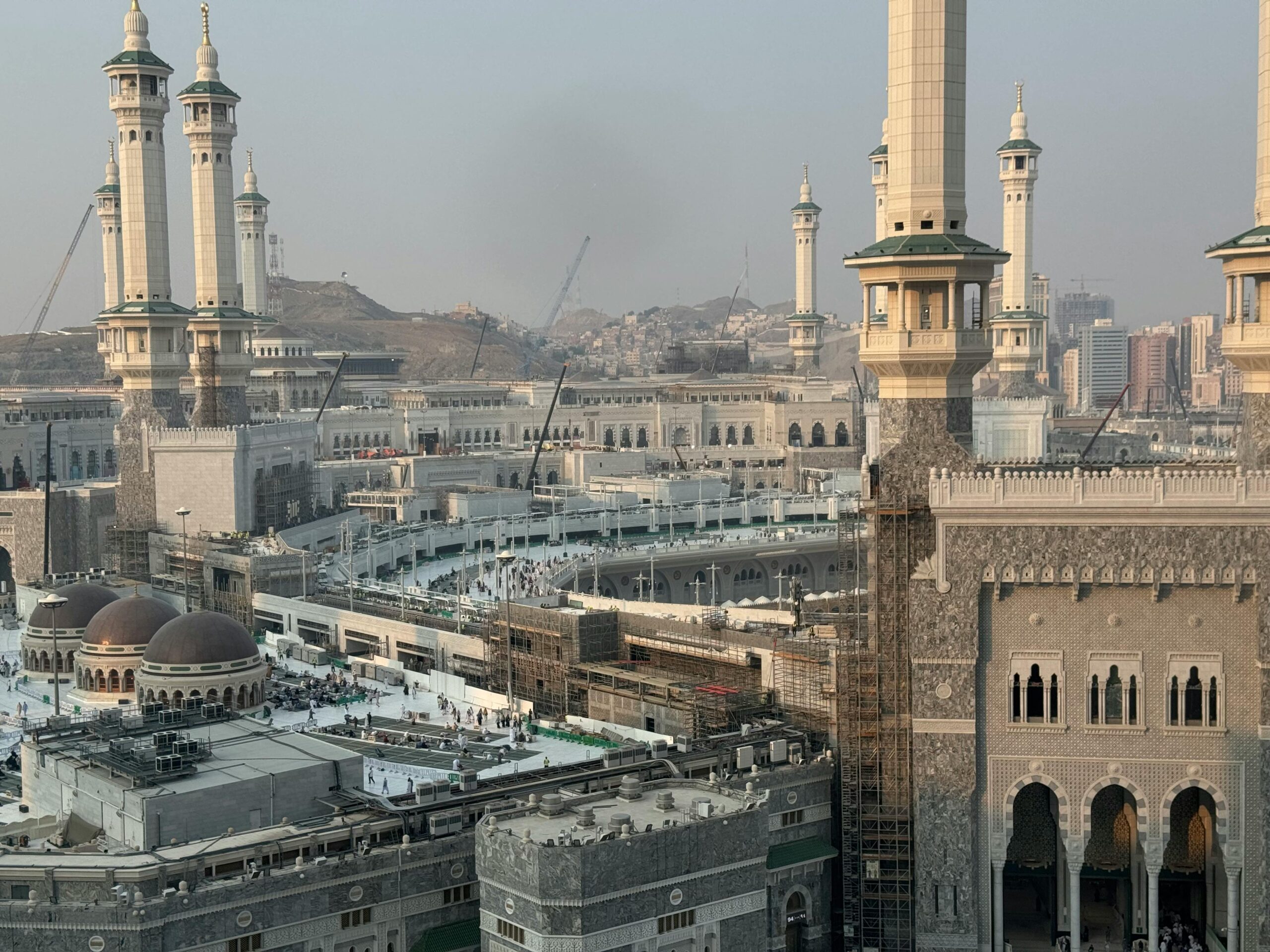
Saudi Arabia’s sweeping economic transformation has entered a new phase. What began as a bold tourism and real estate push under Vision 2030 is now expanding into robotics, artificial intelligence, and advanced automation — with investments reportedly reaching into the $100 billion range.
At first glance, futuristic robots and Red Sea mega-resorts may seem worlds apart. But together, they reveal a consistent ambition: to reposition Saudi Arabia from an oil-dependent economy into a diversified, technology-driven global player.
The strategy is part economic necessity, part geopolitical signaling — and part national reinvention.
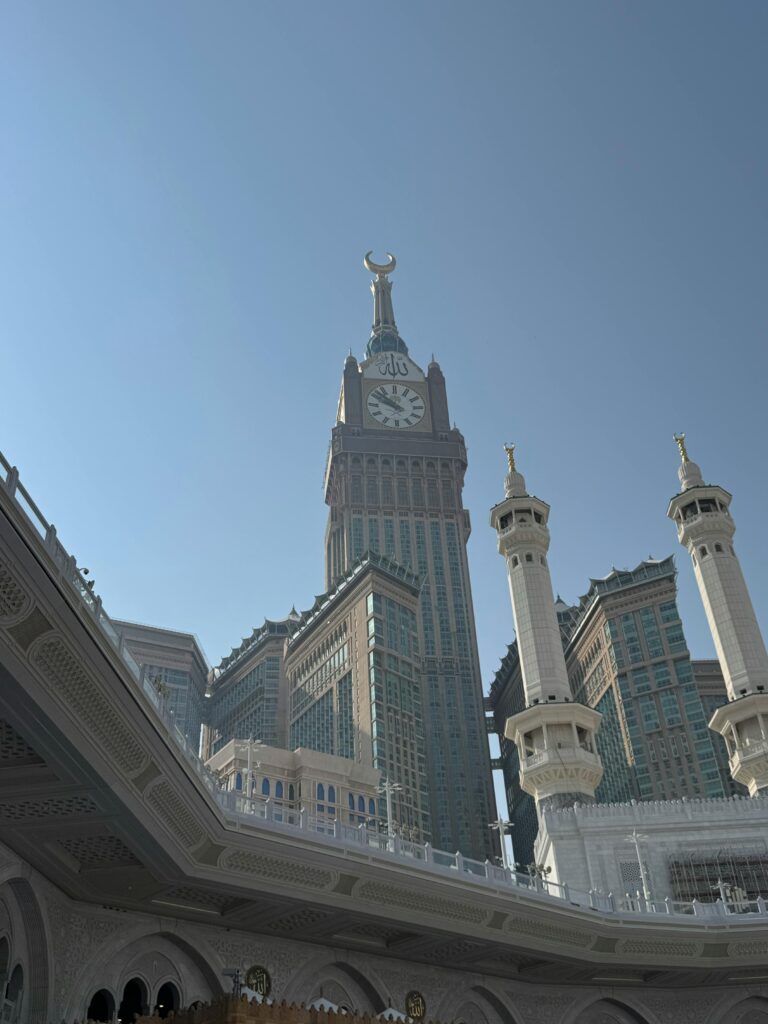
1. Vision 2030: The foundation of transformation
Launched in 2016, Vision 2030 aims to reduce Saudi Arabia’s reliance on oil revenue and build new sectors including:
- Tourism and hospitality
- Entertainment and sports
- Renewable energy
- Technology and innovation
- Logistics and advanced manufacturing
Oil remains central to the kingdom’s economy, but long-term volatility in energy markets has accelerated diversification efforts.
2. The tourism megaprojects: Red Sea, NEOM, and beyond
Saudi Arabia has committed tens of billions to tourism infrastructure, including:
- The Red Sea Project (luxury eco-tourism islands)
- NEOM (a futuristic city anchored by “The Line”)
- Diriyah Gate (heritage and cultural development)
- Qiddiya (entertainment and theme park hub)
These projects are designed not only to attract foreign visitors, but to:
- Create private-sector jobs
- Increase non-oil GDP
- Encourage domestic tourism spending
Tourism is expected to become a major pillar of economic diversification.
3. Why robotics and AI now?
The shift toward robotics and AI represents the next stage of transformation.
Saudi investments in automation and artificial intelligence aim to:
- Modernize logistics and supply chains
- Enhance smart city infrastructure
- Improve healthcare and industrial efficiency
- Develop defense and cybersecurity capabilities
Advanced robotics also align with the kingdom’s ambition to lead in next-generation industries.
4. Economic logic behind automation
High-tech investment serves several purposes:
- Reducing reliance on expatriate labor
- Increasing productivity in construction and infrastructure
- Positioning Saudi Arabia as a regional tech hub
- Attracting global AI firms and partnerships
Automation is not replacing tourism — it is intended to complement a modernized economy.
5. Sovereign wealth power
Much of the funding comes from Saudi Arabia’s Public Investment Fund (PIF), one of the world’s largest sovereign wealth funds.
The PIF:
- Invests globally in technology and infrastructure
- Acquires stakes in major corporations
- Channels capital into domestic megaprojects
The $100 billion scale reflects the kingdom’s ability to deploy oil-generated capital into long-term structural shifts.
6. Human capital challenges
Building resorts is capital-intensive. Building AI ecosystems is talent-intensive.
Saudi Arabia faces challenges in:
- Developing local engineering and research expertise
- Retaining global technology talent
- Building innovation ecosystems beyond state-driven initiatives
Education reform and workforce development are critical to long-term success.
7. The geopolitical dimension
Saudi Arabia’s economic pivot also carries geopolitical implications.
By investing in AI and robotics, the kingdom:
- Signals alignment with emerging global technology trends
- Positions itself between U.S., European, and Asian tech blocs
- Diversifies partnerships beyond oil-based diplomacy
Technology investment becomes a form of soft power.
8. Tourism and tech convergence
In futuristic projects like NEOM, tourism and robotics intersect.
Potential applications include:
- Autonomous transportation systems
- AI-managed hospitality services
- Robotics in construction and maintenance
- Smart infrastructure monitoring
Saudi Arabia is attempting to build tourism ecosystems powered by advanced technology from the ground up.
9. Risks and criticisms
Ambition at this scale carries risk.
Critics question:
- Financial sustainability if oil prices fall
- Execution timelines for mega-developments
- Environmental impact of large-scale construction
- Human rights concerns affecting foreign investor sentiment
Balancing rapid modernization with social and environmental accountability remains complex.
10. Measuring success beyond headlines
Spending announcements grab attention, but long-term impact depends on:
- Sustainable job creation
- Private-sector growth independent of state subsidies
- Increased non-oil export revenue
- Tangible improvements in quality of life
Transformation is measured over decades, not press cycles.
Conclusion: Reinvention through capital and code
Saudi Arabia’s $100 billion push — spanning luxury resorts and robotics — reflects more than ambition. It represents a strategic attempt to rewrite the kingdom’s economic identity.
Tourism brings visibility and global engagement. Robotics and AI promise productivity and resilience. Together, they form a blueprint for post-oil relevance.
Whether this reinvention succeeds will depend not only on capital deployment, but on talent, governance, and adaptability in a rapidly shifting global economy.
Frequently Asked Questions (FAQ)
1. What is Saudi Arabia’s Vision 2030?
A national strategy to diversify the economy beyond oil dependence.
2. Why is Saudi Arabia investing in tourism?
To create jobs, attract foreign visitors, and increase non-oil GDP.
3. What role does robotics play in this plan?
Robotics and AI support modernization, productivity, and technology leadership.
4. Where does the funding come from?
Primarily from the Public Investment Fund (PIF).
5. Are these investments risky?
Large-scale projects carry financial and execution risks.
6. How does this affect global markets?
It may shift regional tech leadership and investment flows.
7. Is Saudi Arabia competing with other tech hubs?
Yes, particularly in AI and smart city development.
8. Will tourism alone replace oil revenue?
Unlikely in the short term, but it contributes to diversification.
9. How important is talent development?
Critical. Sustainable tech growth requires skilled human capital.
10. What is the broader takeaway?
Saudi Arabia is leveraging oil wealth to finance a post-oil future built on tourism and technology.

Sources Forbes

