
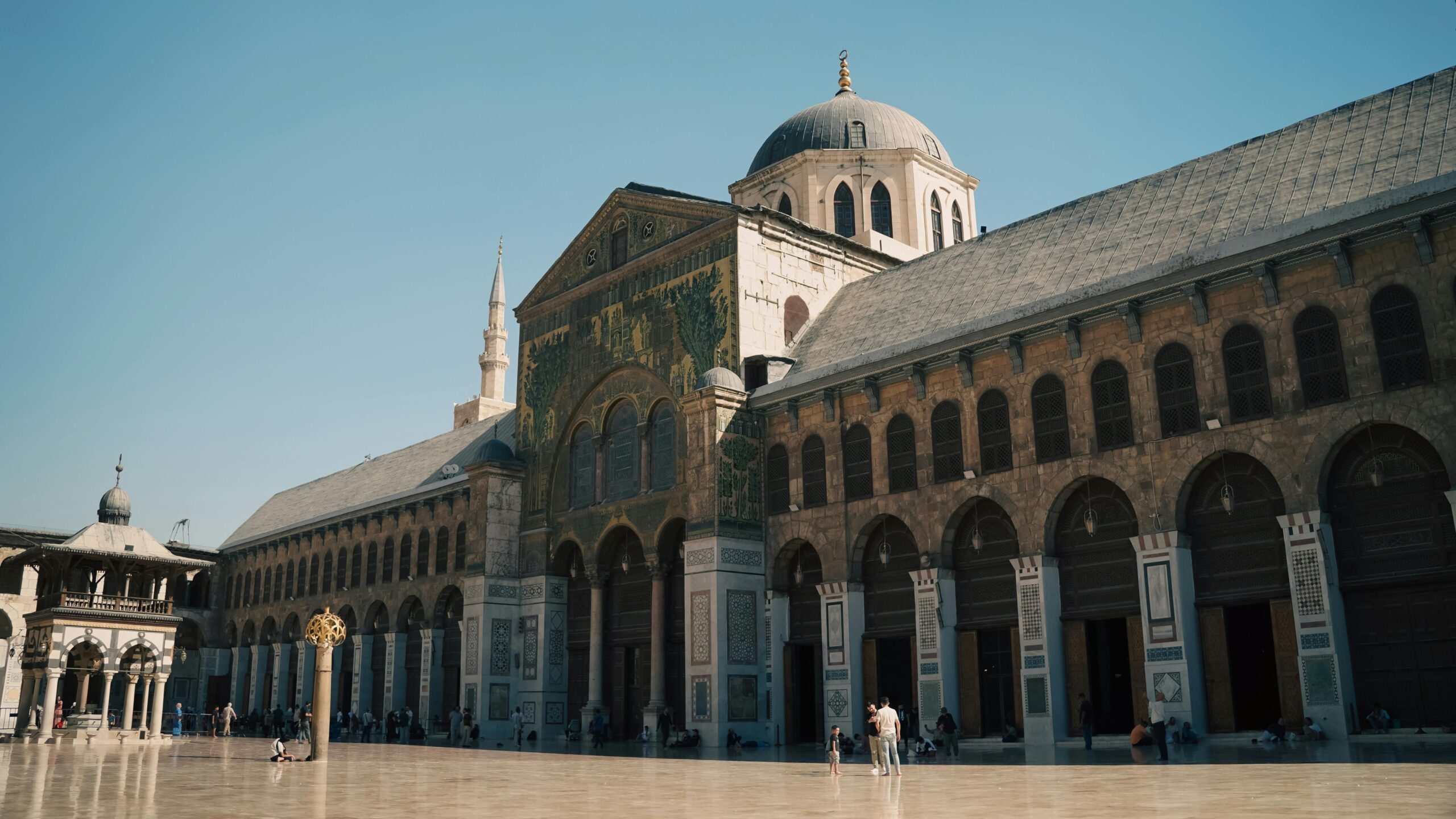
As Syria emerges from decades of authoritarian rule and years of devastating conflict, the country’s business sector is facing a profound identity crisis. From tourism operators and shop owners to wineries, cafés, and bars, many Syrian entrepreneurs are struggling to survive amid political uncertainty, cultural realignment, and economic instability.
The post-Assad era has brought hope for change—but also confusion over what Syria’s future should look like, and who it should serve. For businesses, this transition is proving as disruptive as it is transformative.
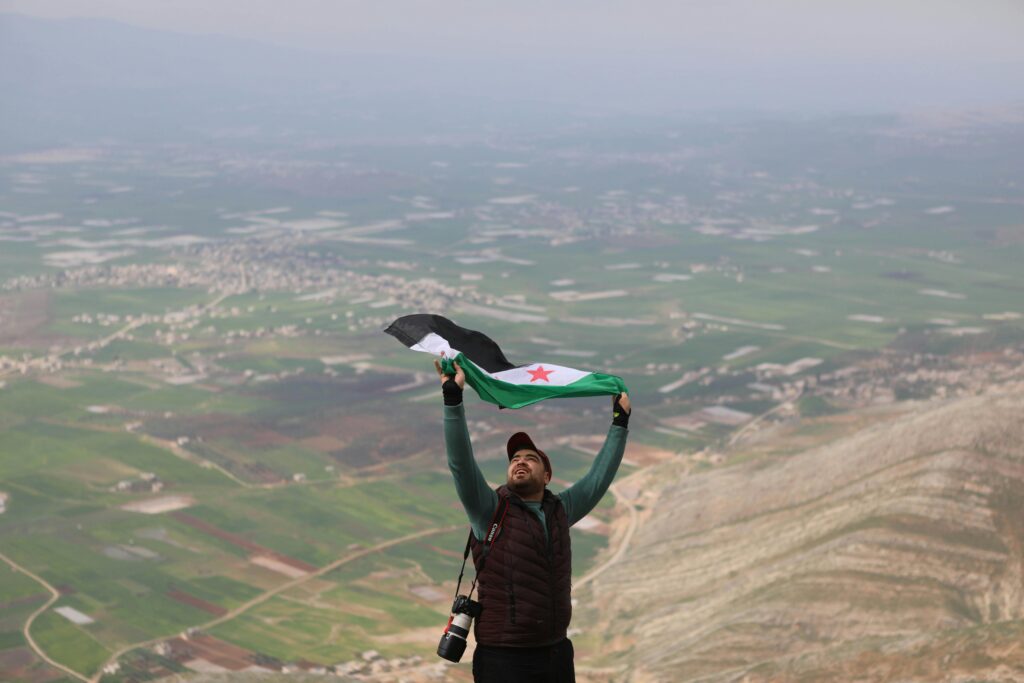
A Shattered Economy Trying to Rebuild
Syria’s economy has been severely damaged by years of war, sanctions, and isolation. Infrastructure destruction, currency collapse, and mass displacement hollowed out domestic markets long before political transition began.
Key Economic Pressures
- Hyperinflation and a weakened currency
- Limited access to foreign investment
- Ongoing international sanctions
- Scarcity of raw materials and fuel
Even businesses that survived the conflict years now face a new challenge: adapting to a rapidly shifting cultural and political environment.
Tourism: A Sector Caught Between Memory and Reinvention
Before the war, Syria attracted tourists with its ancient cities, religious sites, and Mediterranean coastline. Today, tourism operators face multiple obstacles:
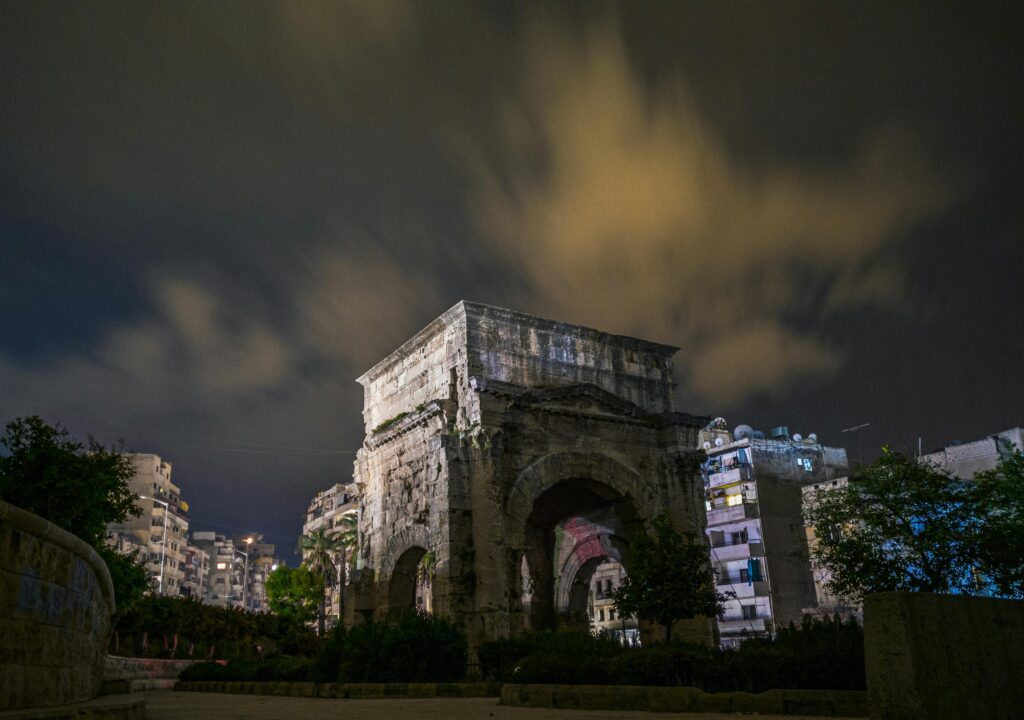
- Damaged heritage sites
- Safety concerns and travel advisories
- Unclear national branding in a post-authoritarian context
While some travelers are cautiously returning, many tourism businesses struggle to reconcile Syria’s rich cultural past with the trauma of recent history. For tour guides and hotel owners, promoting the country without appearing to whitewash suffering remains a delicate balance.
Wine, Bars, and Cultural Tension
A Fragile Liberal Space
Syria has long had pockets of liberal social life—particularly in cities like Damascus and Aleppo—where wine production, bars, and mixed-gender social spaces existed even under authoritarian rule.
In the post-Assad era, these businesses face uncertainty from multiple directions:
- Religious conservatism gaining social influence
- Ambiguous or shifting regulations
- Social pressure and self-censorship
Wineries, in particular, operate at the intersection of tradition and controversy. While wine production has deep historical roots in the Levant, modern political and religious dynamics make its future uncertain.
Small Shops and Urban Life
Independent retailers, cafés, bookstores, and artisan shops once formed the backbone of urban Syrian life. Today, they face:
- Reduced consumer purchasing power
- Supply chain disruptions
- Emigration of skilled workers
For many shop owners, survival now depends on informal networks, family support, or diaspora remittances.
The Cultural Identity Question
At the heart of Syria’s business struggles lies a deeper question: What kind of society is emerging?
Businesses are being forced to navigate:
- Competing visions of cultural identity
- Tensions between secular and conservative values
- Generational divides over lifestyle and expression
Without clear national direction, entrepreneurs are left guessing which cultural norms will prevail—and which could put them at risk.
The Role of the Syrian Diaspora
Millions of Syrians living abroad represent both a challenge and an opportunity.
Opportunities
- Investment capital
- Tourism return visits
- Knowledge transfer and entrepreneurship
Challenges
- Trust gaps between locals and returnees
- Bureaucratic obstacles
- Political sensitivities
Diaspora engagement could play a key role in rebuilding Syria’s business environment—if conditions allow.
Sanctions and International Isolation
Even as political change unfolds, international sanctions continue to affect:
- Banking access
- Import/export activity
- Tourism flows
Many small businesses are caught between local recovery efforts and global political realities beyond their control.
Resilience and Adaptation
Despite these challenges, Syrian entrepreneurs continue to adapt:
- Downsizing operations
- Shifting to domestic markets
- Informal or hybrid business models
- Leveraging social media for marketing
This resilience reflects a long tradition of commerce—but it cannot substitute for stability, clear governance, and economic reform.
What the Future Holds for Syrian Businesses
The success or failure of Syria’s post-Assad business sector will depend on:
- Political stability and legal clarity
- Economic reforms and currency stabilization
- Cultural tolerance and pluralism
- Reconnection with regional and global markets
Without these foundations, many businesses may continue to flounder despite the promise of change.
Frequently Asked Questions (FAQs)
Why are Syrian businesses struggling after Assad’s fall?
They face economic collapse, sanctions, cultural uncertainty, and weak infrastructure following years of conflict.
Is tourism returning to Syria?
Slowly and unevenly. Some travelers are returning, but safety concerns and damaged infrastructure limit growth.
Why are wineries and bars under pressure?
They sit at the intersection of cultural liberalism and rising conservatism, making their future uncertain.
Are sanctions still affecting businesses?
Yes. Sanctions continue to restrict banking, trade, and foreign investment.
How does cultural change affect businesses?
Shifting social norms create uncertainty over what is acceptable or viable, especially for lifestyle and leisure sectors.
Can the Syrian diaspora help rebuild the economy?
Potentially, through investment and tourism—but trust, policy clarity, and political stability are essential.
What do Syrian entrepreneurs need most right now?
Stability, clear regulations, access to capital, and freedom to operate without fear.
Conclusion
Syria’s post-Assad moment represents both opportunity and peril for its business community. As entrepreneurs navigate economic hardship and cultural transformation, their success will depend on whether the country can chart a clear, inclusive path forward.
From tourism to wine, Syrian businesses are not just economic actors—they are cultural indicators, revealing the unresolved tensions and fragile hopes of a society in transition.
Sources The Guardian

