
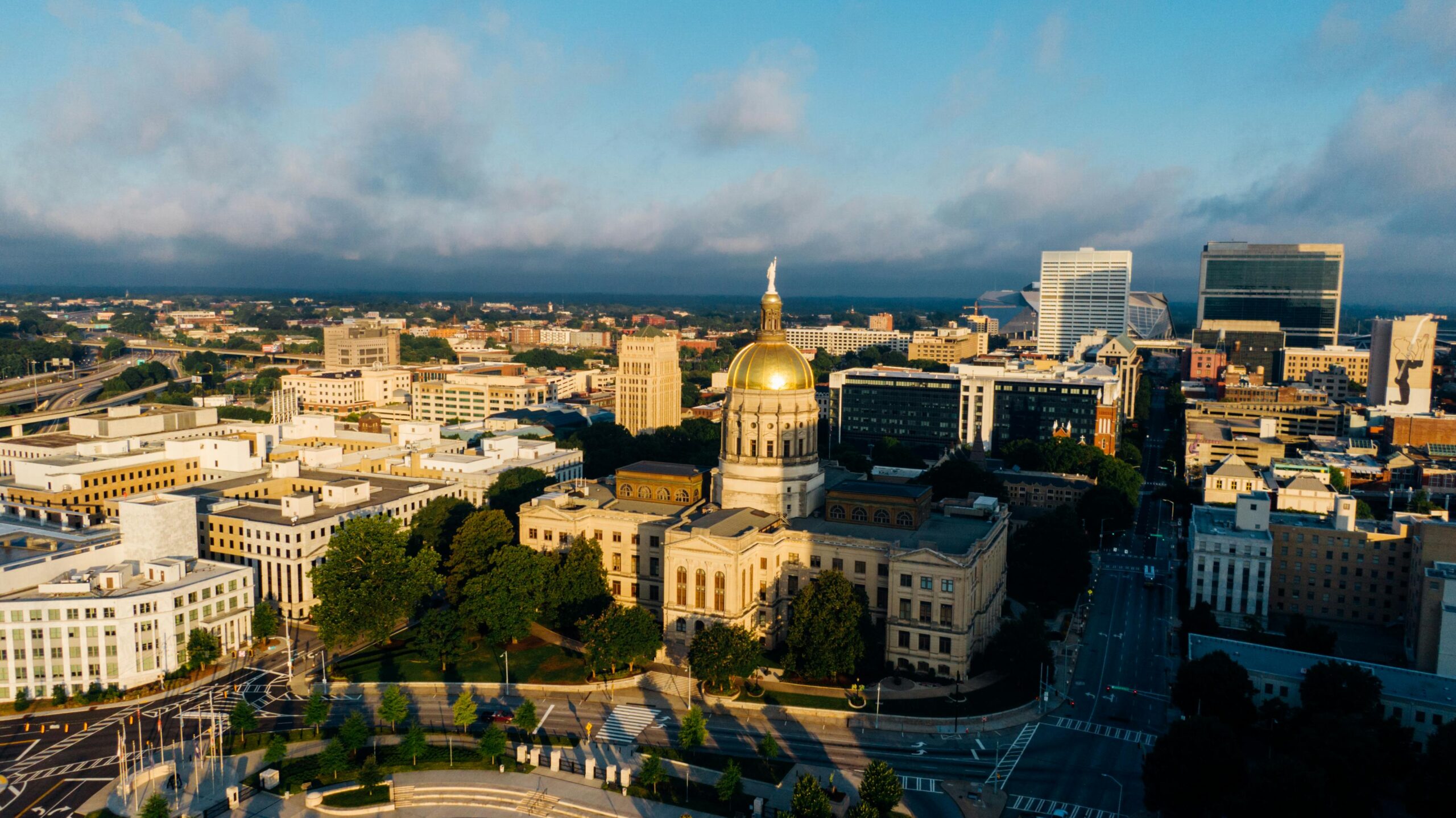
Georgia has just celebrated another milestone: a record $45 billion in visitor spending in 2024, marking the third consecutive year of tourism growth. From Atlanta’s bustling attractions to the beaches of Savannah and the Blue Ridge Mountains, the state is thriving as a top U.S. travel destination.
But behind the headlines, many small tour operators — the businesses that give visitors local, authentic experiences — are struggling to survive.
The Paradox of Growth
- Big wins: Major hotels, attractions, and corporate tour companies have reaped the benefits of record-breaking tourism. Events, conventions, and sports tournaments have poured money into the state’s economy.
- Small business struggles: Independent operators report rising costs, weak cash flow, and difficulty competing with big players in advertising and visibility.
A University of Georgia 2025 report found:
- 44% of small businesses in Georgia struggle to cover operating costs.
- 59% face uneven cash flow.
- 42% are seeing weak sales despite overall tourism growth.
A Local Story: Hop ’N Go Tours
Atlanta-based Hop ’N Go Tours, founded by Alexa Ro in 2020, is a case in point.
- The company offers sightseeing and cultural tours of Atlanta landmarks, often highlighting family-owned businesses.
- Ro describes her tour bus as “a community space” — doubling as a party bus, learning bus, and cultural bridge.
- But insurance, storage, vehicle maintenance, and advertising costs have risen by thousands of dollars in a single year.
“I don’t have a staff — it’s just me, myself, and God, keeping us in business,” Ro said. “We’re paying our bills with credit cards. It’s not sustainable.”
Why Small Operators Are Being Left Behind
- Rising Operating Costs
- Insurance, fuel, vehicle maintenance, and storage fees are cutting into margins.
- Many small operators lack the bulk-buying power of larger firms.
- Marketing Disadvantage
- Big companies dominate online platforms and advertising budgets.
- Independent tour companies struggle to be visible to travelers searching online.
- Pandemic Fallout
- Many small operators closed during COVID. Survivors still face debt and reduced staffing capacity.
- Unequal Tourism Distribution
- While big attractions like the Georgia Aquarium thrive, smaller local experiences often get overlooked.

What’s Being Proposed
- Public-private partnerships: Operators suggest more collaboration with state tourism boards to feature small businesses in official campaigns.
- Marketing support: Shared advertising platforms and grants could help independents gain visibility.
- Training and resources: Programs to support digital marketing, cost management, and sustainability.
- Event leverage: The upcoming 2026 FIFA World Cup, with matches in Atlanta, is seen as a chance to spotlight local businesses.
Community Support
Visitors like Lisa Cannon, who took part in Ro’s tour, stress the importance of choosing small, local companies:
“After the pandemic, a lot of them didn’t survive, so the ones that are still around, it’s important for us to support those.”
Frequently Asked Questions
| Question | Answer |
|---|---|
| How much did Georgia tourism generate in 2024? | More than $45 billion, the third straight record year. |
| Why are small tour operators struggling if tourism is booming? | Rising costs, lack of marketing visibility, and competition with larger companies. |
| What are the biggest challenges for small operators? | Insurance, fuel, vehicle maintenance, uneven cash flow, and weak sales. |
| How many small businesses in Georgia face struggles? | Around 44% report difficulty covering costs. |
| What kind of tours do small operators offer? | Many focus on authentic cultural experiences, community stops, and local storytelling. |
| How can tourists support small businesses? | By booking directly with local operators, rather than only through big platforms or hotels. |
| What role will the 2026 FIFA World Cup play? | It could bring an influx of international visitors and a chance for small businesses to showcase themselves. |
| Is the state helping small operators? | Some initiatives exist, but operators say more targeted support is needed. |
| Why does this matter for Georgia? | Small tour operators provide authenticity and local character, which keeps visitors coming back. |
| What happens if small operators close? | Georgia risks losing the unique, community-based experiences that differentiate it from other destinations. |
Conclusion
Georgia’s tourism boom is undeniable, but its benefits are unevenly distributed. For small operators like Hop ’N Go Tours, rising costs and limited visibility threaten survival — even as visitor numbers break records.
If the state wants to preserve the authenticity that makes Georgia a vibrant destination, it must ensure that local, small-scale tourism businesses are not left behind in the race for growth.

Sources CBS News

