
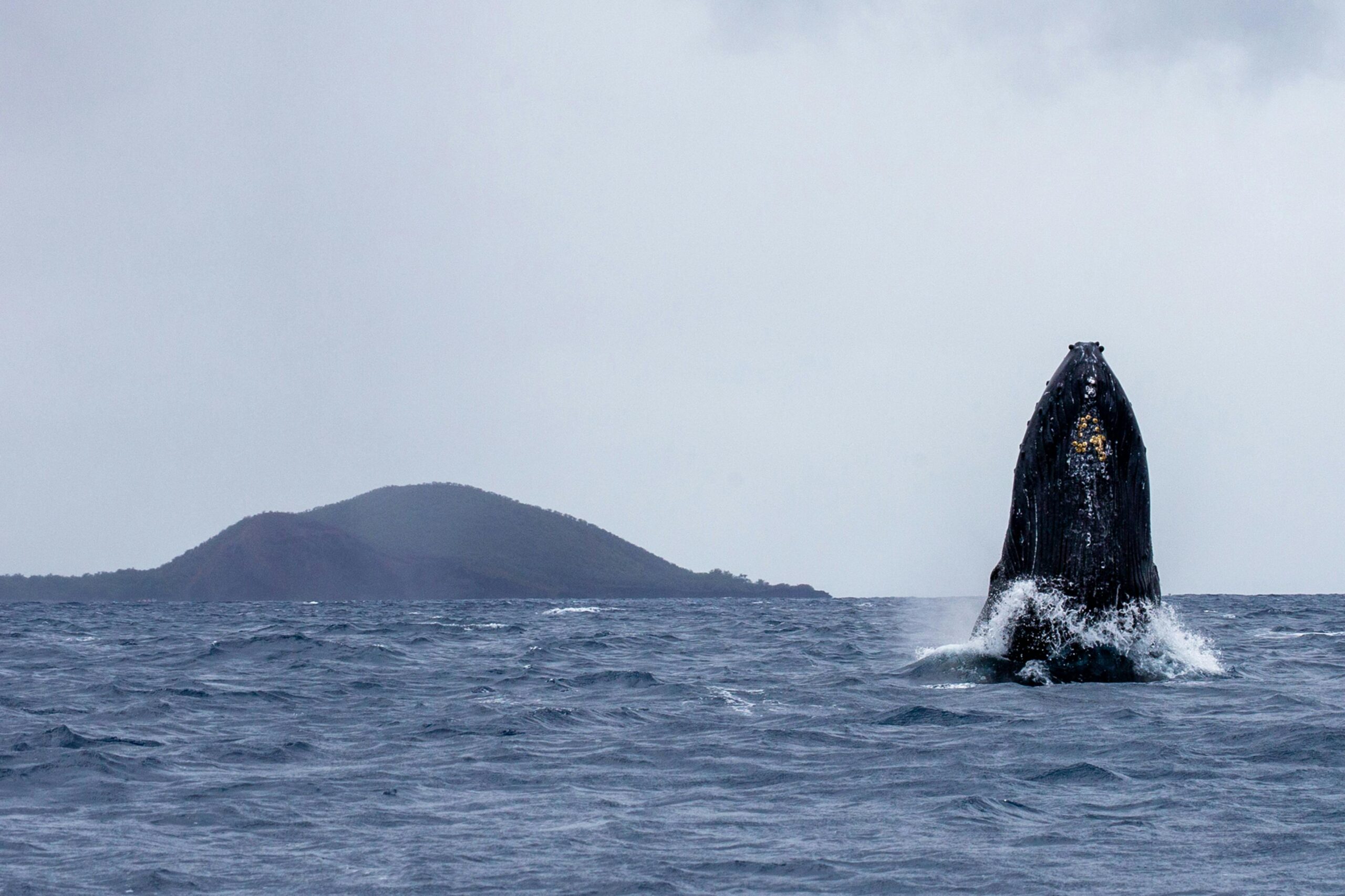
Every winter, the waters surrounding Maui come alive with one of nature’s most awe-inspiring spectacles: the arrival of North Pacific humpback whales. As these massive marine mammals migrate thousands of miles from Alaska to Hawaiʻi’s warm, shallow waters, they bring with them not only wonder—but renewed hope for an island still rebuilding its tourism economy.
In 2026, humpback whales are once again drawing visitors to Maui, reinforcing the island’s status as one of the world’s premier whale-watching destinations and offering a critical boost to local businesses after years of disruption.

Why Humpback Whales Come to Maui
A Long-Distance Migration
Humpback whales migrate up to 3,000 miles each winter from feeding grounds in the cold North Pacific to Hawaiʻi’s waters to:
- Mate
- Give birth
- Nurse calves
Maui Nui—encompassing Maui, Molokaʻi, Lānaʻi, and Kahoʻolawe—offers ideal conditions due to its shallow, protected channels.
Peak Whale Season
While whales can be spotted from November through April, peak viewing typically occurs:
- January through March
During this time, sightings are frequent from:
- Shorelines
- Whale-watching boats
- Even hotel balconies
This accessibility makes Maui unique among whale destinations.
Whale Watching and Maui’s Tourism Recovery
A Natural Draw During a Difficult Time
Following economic downturns, natural disasters, and pandemic-related challenges, Maui’s tourism industry has been working to regain stability. Whale season provides:
- A seasonal surge in visitors
- Predictable demand for tours and accommodations
- A reason for travelers to return
Unlike manufactured attractions, whale watching is authentic and deeply tied to Maui’s identity.
Economic Ripple Effects
Whale-related tourism supports:
- Boat tour operators
- Hotels and vacation rentals
- Restaurants and retail
- Local guides and educators
For many small businesses, winter whale season is essential for annual revenue.
Cultural Significance of Whales in Hawaiʻi
In Hawaiian culture, humpback whales—koholā—are more than wildlife:
- They are regarded as ʻaumākua (family guardians)
- They symbolize protection, wisdom, and connection
Respectful whale viewing aligns with cultural values emphasizing harmony between humans and nature.
Responsible Tourism and Conservation
Strict Protection Laws
Humpback whales are protected under:
- The Marine Mammal Protection Act
- Hawaiʻi state regulations
Rules include:
- Maintaining minimum distance from whales
- Speed restrictions for vessels
- Limits on tour approaches
These measures aim to minimize stress on whales and calves.
Balancing Tourism and Wildlife Welfare
As visitor numbers rise, conservationists stress the importance of:
- Responsible tour operations
- Visitor education
- Enforcement of regulations
Sustainable whale tourism ensures long-term benefits for both the animals and the community.

Climate Change and Whale Behavior
Emerging Concerns
Climate change may affect whales by:
- Altering food availability in feeding grounds
- Changing migration timing
- Increasing ocean noise and ship traffic
Researchers continue to monitor whether these factors will influence future whale seasons.
Why Whale Watching Resonates With Travelers
A Shift Toward Meaningful Travel
Modern travelers increasingly seek:
- Nature-based experiences
- Emotional and educational connections
- Low-impact tourism
Whale watching offers:
- Awe without artificiality
- Shared moments of wonder
- Memorable, non-extractive experiences
This aligns with global trends toward regenerative tourism.
What This Means for Maui’s Future
Tourism Rooted in Place
Maui’s whale season demonstrates:
- The power of natural assets
- The value of protecting ecosystems
- The resilience of nature-based tourism
Rather than rapid expansion, the focus is shifting toward quality, sustainability, and respect for local culture.
Challenges Ahead
Despite the benefits, Maui faces ongoing challenges:
- Managing visitor numbers
- Preventing overcrowding at popular viewing spots
- Ensuring tourism revenue reaches local communities
Whale season success must be balanced with long-term planning.
Frequently Asked Questions (FAQs)
When is the best time to see humpback whales in Maui?
January through March offers the highest likelihood of frequent sightings.
Do I need to take a boat tour to see whales?
No. Whales can often be seen from shore, especially during peak season.
Are whale-watching tours safe for whales?
Yes, when operated responsibly and in compliance with regulations.
Why do whales choose Hawaiʻi waters?
Warm, shallow waters provide a safe environment for calving and mating.
How important is whale tourism to Maui’s economy?
It is a major seasonal driver, supporting many local businesses during winter months.
Are humpback whales endangered?
They have recovered significantly but remain protected due to ongoing threats.
How can visitors help protect whales?
By choosing responsible tour operators, respecting distance rules, and supporting conservation efforts.
Conclusion
The return of humpback whales to Maui each winter is more than a natural phenomenon—it is a symbol of renewal. As Maui continues to recover, whale season offers a reminder that the island’s greatest strength lies in its natural and cultural heritage.
By embracing responsible wildlife tourism, Maui can ensure that the presence of these gentle giants continues to inspire visitors, support local communities, and honor the deep connection between people and the ocean for generations to come.

Sources Maui Now

