

For decades, Thailand has been known for its tropical beaches, vibrant nightlife, and rich cultural heritage. But in recent years, the country has been repositioning itself as something more profound than a typical holiday destination. Thailand is now promoting a new kind of travel experience where health, healing, and holistic wellbeing are at the center of the journey.
From world-class spa retreats and traditional Thai medicine to culinary experiences rooted in nutrition and mindfulness, Thailand is transforming luxury tourism into something deeper: wellness tourism. In this emerging travel trend, indulgence is no longer measured only by five-star hotels or luxury shopping but by personal rejuvenation, physical health, and mental balance.
As global travelers increasingly seek restorative experiences after years of pandemic stress and fast-paced lifestyles, Thailand has emerged as a leader in the growing global wellness tourism industry.
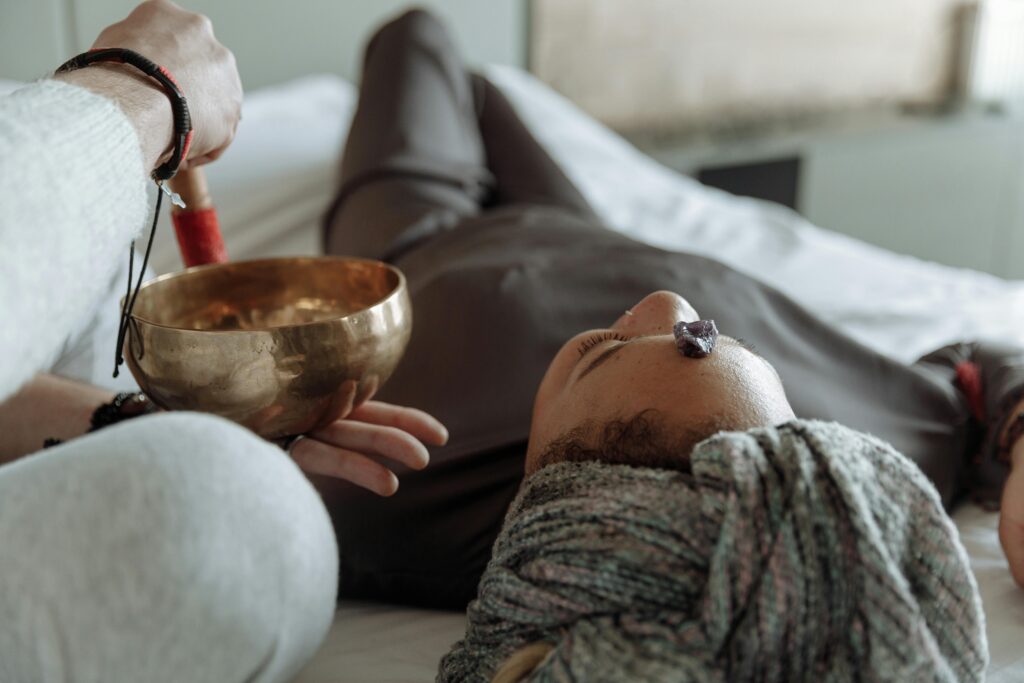
The Rise of Wellness Tourism
Wellness tourism refers to travel designed to promote health and well-being through physical, mental, and spiritual activities. Unlike traditional vacations centered on sightseeing or relaxation alone, wellness travel focuses on restoration, prevention, and personal growth.
Typical wellness travel experiences include:
- Spa therapies
- Yoga and meditation retreats
- Detox programs
- Healthy cuisine experiences
- Traditional healing practices
- Nature immersion
The global wellness tourism market has expanded rapidly in recent years as people prioritize self-care, longevity, and mental health.
Thailand has recognized this shift and invested heavily in building a tourism ecosystem centered on holistic health.
Why Thailand Is Perfectly Positioned for Wellness Travel
Thailand has several advantages that make it an ideal wellness destination.
Long Tradition of Healing Practices
Thai culture has a long history of traditional medicine and healing arts. Practices such as Thai massage, herbal medicine, and spiritual rituals have been part of local healthcare traditions for centuries.
Thai massage, for example, combines stretching, pressure techniques, and energy-line therapy to improve circulation, flexibility, and relaxation. Today it is recognized worldwide and offered in luxury resorts and medical spas across the country.
Natural Environment
Thailand’s geography also supports wellness tourism.
Visitors can experience healing environments such as:
- Tropical islands with ocean views
- Mountain retreats in northern Thailand
- Jungle meditation centers
- Hot springs and mineral baths
Natural surroundings play a key role in stress reduction and mental restoration.
World-Class Hospitality
Thailand’s reputation for hospitality—often referred to as the “Land of Smiles”—enhances wellness tourism experiences. Service-oriented hospitality combined with cultural warmth helps create an environment conducive to relaxation and healing.
Gastronomy as Part of the Wellness Experience
Another key element of Thailand’s wellness tourism strategy is gastronomy.
Thai cuisine is widely celebrated for its vibrant flavors, but it also incorporates many health-conscious ingredients. Traditional Thai cooking emphasizes balance between sweet, sour, salty, and spicy flavors while using fresh herbs and vegetables.
Common health-promoting ingredients include:
- Lemongrass
- Turmeric
- Galangal
- Thai basil
- Chili peppers
- Coconut milk
- Ginger
Many wellness resorts now offer culinary experiences that focus on nutritional education, plant-based diets, detox menus, and cooking workshops.
Travelers can learn how Thai culinary traditions integrate food with health and healing.
The Growth of Luxury Wellness Retreats
Across Thailand, a new generation of wellness resorts has emerged, offering integrated programs that combine accommodation, health treatments, and lifestyle coaching.
Typical offerings include:
- Personalized wellness assessments
- Yoga and meditation sessions
- Fitness and rehabilitation programs
- Spa treatments and herbal therapies
- Nutrition consultations
- Mindfulness workshops
Many retreats offer structured programs lasting several days or weeks, designed to help guests reset both physically and mentally.
These programs often attract travelers seeking relief from burnout, chronic stress, or lifestyle-related health issues.
Medical Wellness and Preventive Healthcare
Thailand is also a major player in medical tourism, and wellness tourism increasingly overlaps with preventive healthcare.
Many international travelers visit Thailand for treatments such as:
- Health screenings
- Anti-aging therapies
- Dental treatments
- Cosmetic procedures
- Rehabilitation programs
Thailand’s hospitals and clinics are internationally accredited and known for combining modern medical technology with hospitality-style service.
Some wellness resorts partner directly with medical centers to provide integrated health programs.

Spiritual and Mindfulness Experiences
Beyond physical health, Thailand offers opportunities for mental and spiritual renewal.
Travelers can participate in experiences such as:
- Meditation retreats in Buddhist monasteries
- Mindfulness training programs
- Silent retreats
- Temple visits and spiritual counseling
Buddhism plays an important role in Thai culture, and many travelers find that exposure to Buddhist philosophy encourages reflection and personal growth.
The Role of Nature in Healing Tourism
Nature immersion is a key component of Thailand’s wellness travel strategy.
Popular activities include:
- Forest bathing in national parks
- Beach yoga sessions
- Hiking and waterfall meditation
- Island detox retreats
- Eco-friendly resorts in remote landscapes
Scientific research increasingly shows that spending time in nature can reduce stress hormones, improve mood, and enhance overall wellbeing.
Thailand’s diverse ecosystems—from tropical islands to mountain forests—offer ideal settings for these experiences.
Government Support and Tourism Strategy
The Thai government has actively promoted wellness tourism as part of its long-term economic strategy.
Key initiatives include:
- Developing health-focused tourism zones
- Supporting traditional Thai medicine research
- Encouraging eco-friendly resort development
- Promoting culinary tourism internationally
By positioning wellness as a luxury travel experience, Thailand hopes to attract higher-spending travelers while diversifying its tourism industry.
Challenges in the Wellness Tourism Boom
Despite its success, Thailand’s wellness tourism sector faces several challenges.
Sustainability
High-end resorts and increased tourism activity can place pressure on local ecosystems.
Responsible development and environmental protection are critical.
Authenticity
As wellness tourism becomes more commercialized, there is a risk that traditional healing practices may be diluted or misrepresented.
Accessibility
Luxury wellness retreats can be expensive, limiting access primarily to affluent travelers.
Ensuring that local communities benefit from wellness tourism is an ongoing challenge.
The Future of Wellness Travel in Thailand
Global travel trends suggest that wellness tourism will continue to grow.
Travelers are increasingly looking for experiences that provide:
- Mental health benefits
- Physical rejuvenation
- Personal transformation
- Cultural authenticity
Thailand’s combination of natural beauty, healing traditions, culinary richness, and hospitality places it in a strong position to remain a global leader in this evolving sector.
As travelers redefine what luxury means, healing, balance, and wellbeing are becoming the ultimate travel goals.
Frequently Asked Questions (FAQs)
1. What is wellness tourism?
Wellness tourism involves travel focused on improving physical, mental, and spiritual well-being through activities like spa treatments, meditation, and healthy cuisine.
2. Why is Thailand popular for wellness travel?
Thailand offers traditional healing practices, beautiful natural environments, world-class hospitality, and internationally recognized spa and medical services.
3. What types of wellness experiences are available in Thailand?
Visitors can enjoy yoga retreats, spa therapies, detox programs, meditation retreats, culinary wellness workshops, and medical wellness treatments.
4. Is wellness tourism expensive?
Some luxury retreats can be costly, but Thailand also offers more affordable wellness experiences compared to many Western destinations.
5. What is Thai massage?
Thai massage is a traditional therapy combining stretching, pressure points, and assisted yoga movements to promote relaxation and flexibility.
6. Can wellness tourism improve health?
While not a replacement for medical care, wellness travel can reduce stress, improve fitness, and promote healthier lifestyle habits.
7. Are wellness retreats suitable for beginners?
Yes. Many programs are designed for beginners and provide guided instruction.
8. When is the best time to visit Thailand for wellness travel?
The cooler dry season between November and February is generally considered the most comfortable time to visit.
Conclusion
Thailand’s transformation into a global hub for wellness tourism reflects a broader shift in how people approach travel. Increasingly, travelers are seeking experiences that nurture the body, calm the mind, and reconnect them with nature.
By blending ancient healing traditions, world-class hospitality, and vibrant culinary culture, Thailand has created a tourism model where luxury is measured not just in comfort—but in health, balance, and personal renewal.
In a world where stress and burnout have become common, Thailand’s message to travelers is simple: true luxury is the ability to heal.

Sources Euro News

