
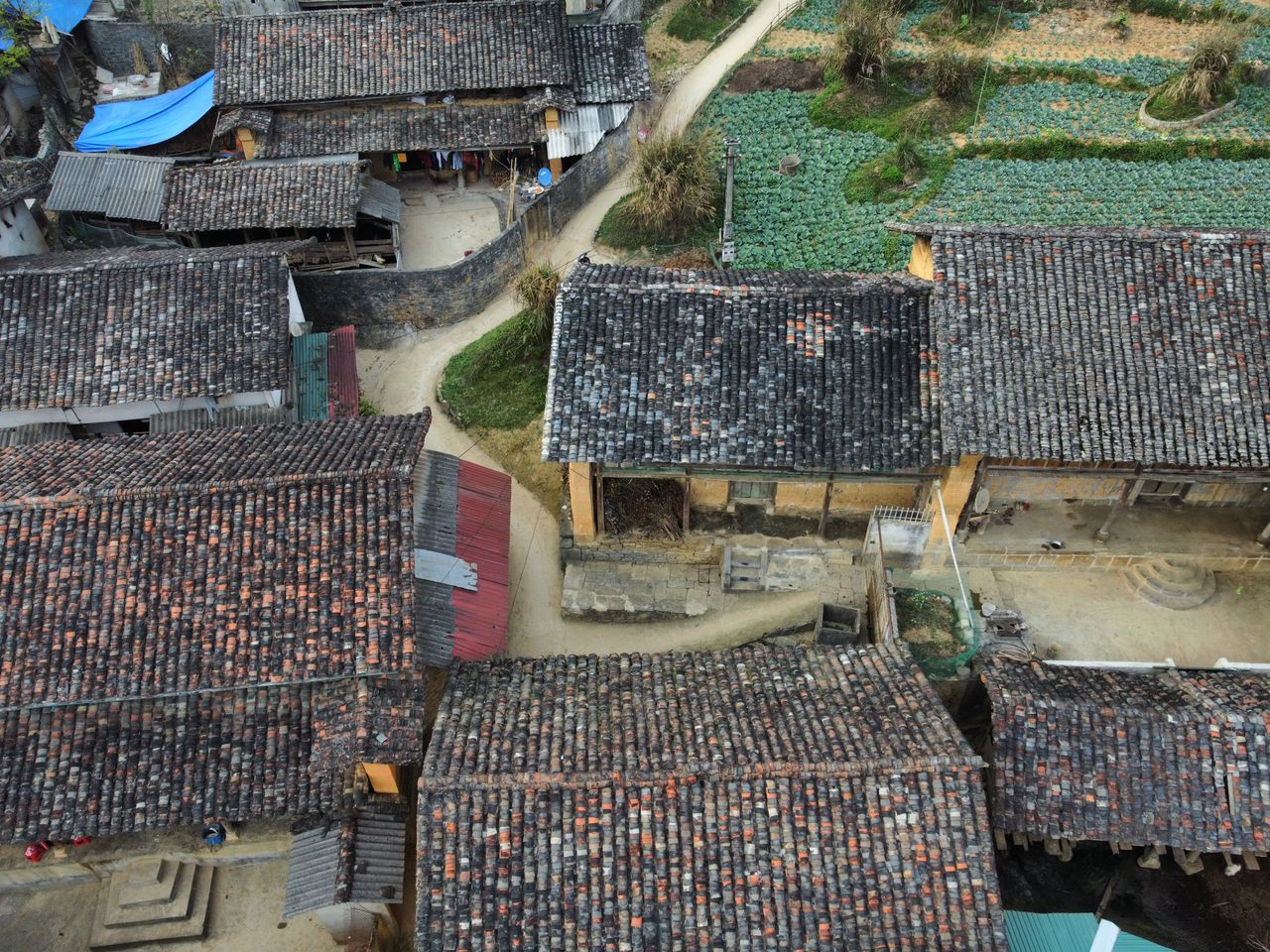
Heritage tourism has become one of the most influential forces shaping rural development around the world. By preserving traditional architecture, celebrating local customs, and promoting cultural experiences, many villages have successfully revitalized their economies while protecting centuries-old traditions. However, heritage tourism also introduces new challenges, including balancing commercialization with authenticity, managing visitor growth, and ensuring local communities remain at the center of development.
Dongnong Village, a traditional settlement associated with China’s She ethnic minority, offers a valuable example of how heritage tourism can transform rural landscapes, economies, and social structures. Researchers studying the village have examined how tourism-driven development reshaped its physical layout, public spaces, housing, infrastructure, and community life while highlighting both the benefits and the complexities of preserving living cultural heritage.
The experience of Dongnong Village reflects broader trends occurring across Asia, Europe, Africa, and the Americas, where governments increasingly view heritage tourism as a tool for sustainable rural revitalization.

What Is Heritage Tourism?
Heritage tourism focuses on destinations where visitors experience the history, traditions, architecture, and cultural identity of a community.
Unlike conventional sightseeing, heritage tourism encourages travelers to engage with places that have historical or cultural significance.
Examples include:
- Traditional villages
- Historic city centers
- Indigenous communities
- Archaeological sites
- Religious landmarks
- Cultural festivals
- Traditional crafts
- Historic landscapes
The goal is to preserve cultural resources while creating economic opportunities for local residents.
Understanding the She Ethnic Community
The She people are one of China’s officially recognized ethnic minority groups and have a long history, particularly in southeastern China.
Their cultural heritage includes:
- Traditional architecture
- Folk songs and music
- Festivals
- Embroidery and handicrafts
- Distinctive clothing
- Oral traditions
- Agricultural knowledge
Many She villages have maintained customs that reflect generations of adaptation to local environments and community life.
Protecting these traditions has become increasingly important as modernization changes rural lifestyles.
Dongnong Village as a Case Study
Researchers selected Dongnong Village because it illustrates how heritage tourism influences both physical spaces and community development.
Before tourism expansion, the village was primarily organized around agriculture and local social networks.
As tourism developed, the settlement gradually evolved through:
- Restoration of historic buildings
- Improved roads
- Visitor facilities
- Public gathering spaces
- Tourism-oriented businesses
- Enhanced infrastructure
These changes improved accessibility while altering the village’s spatial organization.
How Tourism Changes Rural Settlements
Tourism rarely affects only one part of a village.
Instead, it influences multiple aspects of daily life.
Physical Transformation
Heritage tourism often leads to:
- Renovated traditional homes
- Improved public squares
- Better transportation links
- Visitor information centers
- Parking facilities
- Landscape restoration
While these improvements support tourism, planners must ensure they do not diminish the village’s historical character.

Economic Development
Tourism creates new sources of income.
Residents may earn revenue through:
- Guesthouses
- Restaurants
- Craft sales
- Guided tours
- Cultural performances
- Agricultural products
- Local food businesses
Diversifying income reduces dependence on traditional farming alone.
Social Change
Economic growth can influence community relationships.
Younger generations may find employment locally instead of moving to cities.
At the same time, tourism can alter traditional lifestyles as communities adapt to visitors’ expectations.
Balancing Preservation and Modernization
One of the greatest challenges in heritage tourism is finding the right balance between conserving history and meeting modern needs.
Communities often need:
- Reliable utilities
- Internet access
- Healthcare services
- Transportation
- Educational opportunities
Modern infrastructure can improve quality of life while supporting tourism, but poorly planned development may compromise historical authenticity.
The Importance of Community Participation
Successful heritage tourism depends on local involvement.
Residents play vital roles by:
- Sharing cultural knowledge
- Operating tourism businesses
- Preserving traditions
- Participating in planning decisions
- Managing cultural events
Community-led tourism generally produces stronger long-term outcomes because local people retain greater control over development.
Protecting Living Heritage
Heritage is not limited to buildings.
Living heritage includes:
- Traditional music
- Dance
- Cuisine
- Languages
- Religious ceremonies
- Farming practices
- Storytelling
These cultural expressions give historic villages their identity and distinguish them from destinations that preserve only physical structures.
Visitors increasingly seek authentic cultural experiences that involve direct interaction with local communities.
Tourism and Rural Revitalization
Many governments view heritage tourism as part of broader rural development strategies.
Potential benefits include:
- Job creation
- Infrastructure investment
- Business opportunities
- Cultural preservation
- Increased regional visibility
- Population retention
- Educational opportunities
When managed responsibly, tourism can help reverse economic decline in rural areas.

Risks of Heritage Tourism
Rapid tourism growth also creates potential risks.
These include:
Commercialization
Traditional customs may become performances designed solely for visitors.
Rising Costs
Growing tourism can increase property values and living expenses.
Environmental Pressure
Higher visitor numbers may strain natural resources and public infrastructure.
Loss of Authenticity
Excessive modernization can reduce the historical character that attracts tourists.
Long-term planning helps reduce these risks.
Sustainable Heritage Tourism
Sustainability requires balancing economic growth with cultural and environmental protection.
Key principles include:
- Conserving traditional architecture
- Limiting inappropriate construction
- Supporting local businesses
- Managing visitor numbers
- Protecting natural landscapes
- Respecting cultural traditions
- Encouraging community participation
These approaches help ensure tourism remains beneficial for future generations.
Technology and Heritage Conservation
Digital technology increasingly supports cultural preservation.
Communities and researchers use:
- 3D building documentation
- Geographic Information Systems (GIS)
- Drone mapping
- Digital archives
- Virtual reality tours
- Artificial intelligence for heritage analysis
These tools improve planning while preserving historical records.
Technology also allows people worldwide to explore cultural sites virtually, increasing awareness without adding physical pressure to sensitive locations.
Lessons for Rural Communities Worldwide
The experience of Dongnong Village offers insights for other regions developing heritage tourism.
Successful projects often share common characteristics:
- Long-term planning
- Community leadership
- Cultural authenticity
- Infrastructure investment
- Environmental stewardship
- Economic diversification
- Collaboration between governments, researchers, and residents
These principles are applicable to historic villages across many countries.
The Future of Heritage Tourism
As travelers increasingly seek meaningful cultural experiences, heritage tourism is expected to continue growing.
Future trends may include:
- Smart tourism technologies
- AI-assisted heritage management
- Interactive cultural education
- Low-impact visitor strategies
- Digital storytelling
- Climate-resilient conservation
Rather than focusing solely on visitor numbers, future heritage tourism is likely to emphasize quality experiences that benefit both travelers and local communities.
Preserving the Past While Building the Future
Dongnong Village demonstrates that heritage tourism can be a powerful tool for rural revitalization when managed thoughtfully. By protecting traditional architecture, celebrating She cultural heritage, and creating new economic opportunities, the village illustrates how cultural preservation and sustainable development can work together.
The broader lesson extends far beyond one village in China. Around the world, communities face similar questions about how to modernize without losing their identity. Heritage tourism succeeds when it supports local residents, respects cultural traditions, and encourages visitors to appreciate living cultures rather than treating them as museum exhibits.
As governments, researchers, and communities continue refining sustainable tourism strategies, heritage villages like Dongnong can serve as valuable models for preserving the past while creating resilient and prosperous futures.
Frequently Asked Questions (FAQs)
1. What is heritage tourism?
Heritage tourism is travel centered on experiencing the history, traditions, architecture, and cultural identity of a destination while supporting preservation and local communities.
2. Who are the She people?
The She are one of China’s officially recognized ethnic minority groups, known for their distinctive traditions, crafts, music, festivals, and rural cultural heritage, primarily in southeastern China.
3. How can heritage tourism benefit rural villages?
It can generate jobs, support local businesses, improve infrastructure, preserve cultural traditions, attract investment, and encourage younger residents to remain in or return to rural communities.
4. What challenges does heritage tourism create?
Potential challenges include commercialization, overcrowding, environmental impacts, rising property costs, and the risk of losing cultural authenticity if development is not carefully managed.
5. How does technology help preserve cultural heritage?
Technologies such as GIS mapping, 3D scanning, drones, digital archives, virtual reality, and artificial intelligence help document historic sites, support conservation planning, and expand educational access while reducing pressure on sensitive heritage locations.

Sources nature

