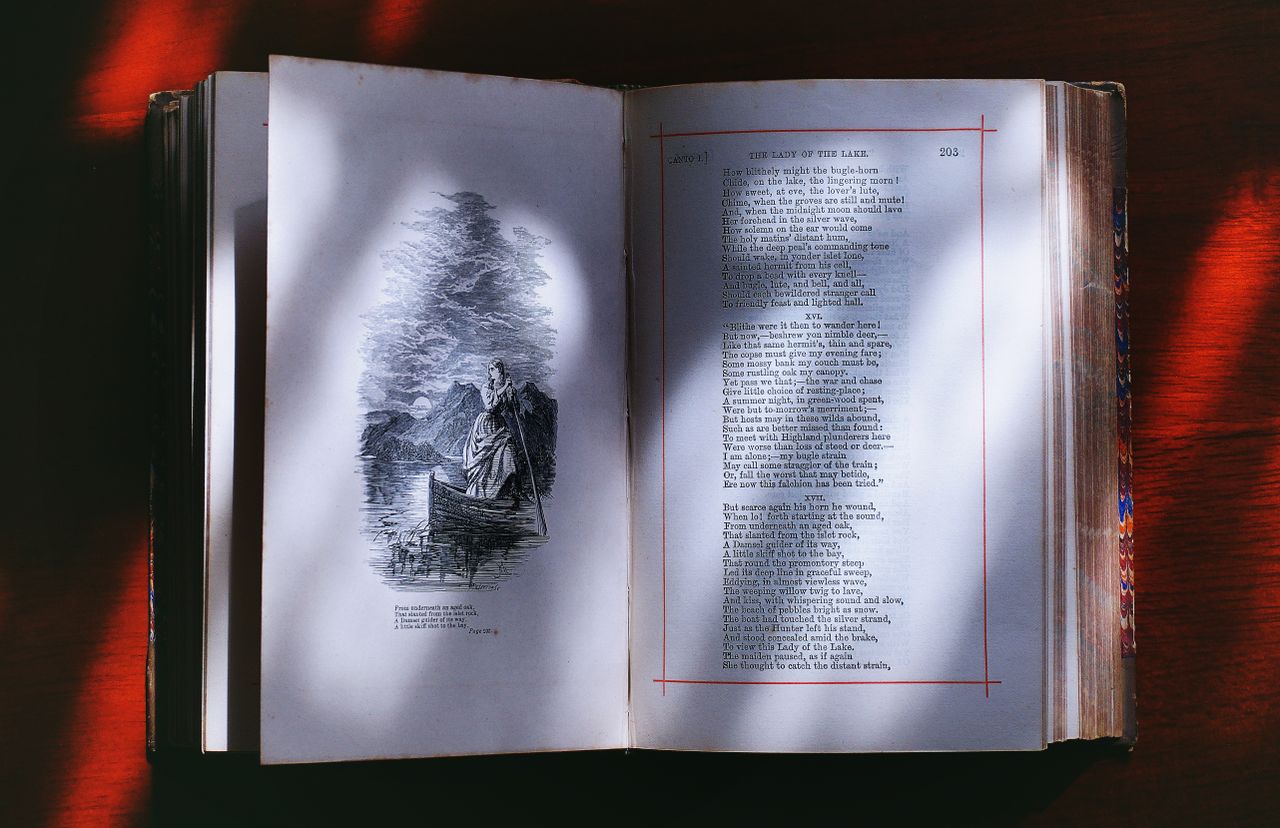
More than 2,700 years after it was first told, Homer’s Odyssey remains one of the most influential stories ever created. The epic tale of Odysseus’ long journey home after the Trojan War has inspired countless writers, artists, filmmakers, and translators across generations.
From ancient oral storytelling to modern cinema, the Odyssey continues to be reinvented because its themes—identity, survival, loyalty, temptation, love, and the search for home—remain deeply relevant today.
Recent film adaptations and new translations have once again brought attention to Homer’s masterpiece, showing how a story from ancient Greece can continue evolving for contemporary audiences.
The Enduring Power of Homer’s Odyssey
The Odyssey is traditionally attributed to Homer, an ancient Greek poet believed to have lived around the 8th century BCE. Alongside the Iliad, it is considered one of the foundational works of Western literature.
The poem follows Odysseus, king of Ithaca, as he struggles to return home after the Trojan War.
His journey takes ten years and includes encounters with:
- The Cyclops Polyphemus
- The enchantress Circe
- The Sirens
- The dangerous Scylla and Charybdis
- The island of Calypso
- The mysterious underworld
But the story is not simply an adventure tale. At its heart, it is about a person trying to recover his identity and reconnect with the life he left behind.
Why Filmmakers Keep Returning to the Odyssey
The epic contains many elements that naturally attract filmmakers:
A Hero’s Journey
Odysseus represents one of the earliest examples of the hero archetype.
His story includes:
- A major challenge
- Personal transformation
- Encounters with enemies and allies
- Moral choices
- A final return home
This structure has influenced countless modern stories, from fantasy adventures to science-fiction films.
Universal Human Themes
Despite being thousands of years old, the emotional conflicts in the Odyssey remain recognizable.
The poem explores:
Home and Belonging
Odysseus’ greatest desire is not wealth or fame but returning to his family and homeland.
Loyalty
His wife Penelope’s determination to remain faithful during his absence is one of literature’s most famous examples of devotion.
Identity
Odysseus frequently relies on intelligence, disguise, and storytelling to survive, raising questions about who people become when circumstances force them to change.
Human Weakness
The poem shows that even heroes can make mistakes through pride, impatience, and temptation.
The Challenge of Translating Homer
One of the greatest challenges in preserving the Odyssey is translation.
The original poem was written in Ancient Greek using a poetic structure known as dactylic hexameter, a rhythmic style designed for oral performance.
Translators must decide:
- Should the translation sound ancient or modern?
- Should poetic rhythm be preserved?
- How should Greek cultural concepts be explained?
- How can humor and wordplay survive?
Every translation creates a slightly different version of Homer.
Why New Translations Matter
New translations are not simply replacements for older versions. They reflect changing language, culture, and perspectives.
Older translations often use formal, traditional English that may feel distant to modern readers.
Contemporary translators often aim to create versions that are:
- More accessible
- More conversational
- More emotionally immediate
- More representative of modern storytelling styles
From Oral Tradition to Global Literature
Before being written down, the Odyssey existed as part of an oral storytelling tradition.
Ancient Greek poets performed epic poems aloud, using repeated phrases and patterns to help remember thousands of lines.
This oral tradition explains why the poem contains recurring descriptions and formulas.
The transition from spoken performance to written literature helped preserve the story for future civilizations.
The Influence of the Odyssey on Modern Films
The themes of Homer’s epic can be found throughout modern cinema.
Many films use similar storytelling structures:
- A character leaving home
- Facing impossible challenges
- Meeting strange worlds
- Discovering personal truths
- Returning transformed
The influence can be seen in:
- Adventure films
- Fantasy stories
- Science-fiction journeys
- Road movies
- Family dramas
Even when filmmakers do not directly adapt Homer, the structure of the Odyssey often shapes their narratives.
The Importance of Mythology in Modern Culture
Ancient myths continue to influence entertainment because they address timeless questions.
Greek mythology explores:
- Human ambition
- The relationship between humans and gods
- Fate versus free will
- The consequences of choices
- The meaning of courage
These themes remain attractive because every generation faces similar questions in different forms.
Modern Interpretations of Odysseus
Odysseus has been portrayed in many different ways.
Some interpretations present him as:
- A brilliant strategist
- A flawed hero
- A survivor
- A political figure
- A symbol of human resilience
Modern creators often explore the contradictions within his character.
He is admired for his intelligence but criticized for deception. He is a hero, yet he is also deeply human.
Women’s Perspectives in the Odyssey
Recent interpretations have increasingly focused on female characters who were historically overshadowed.
Important figures include:
Penelope
Often remembered only as the faithful wife waiting for Odysseus, Penelope is increasingly viewed as an intelligent and strategic character who manages political and personal challenges during his absence.
Circe
The powerful sorceress has been reinterpreted in modern literature as a complex figure rather than simply an obstacle for Odysseus.
Calypso
Her story raises questions about power, isolation, love, and freedom.
These perspectives provide new ways of understanding an ancient narrative.
Why Ancient Stories Still Matter in the Digital Age
In an era dominated by streaming platforms, artificial intelligence, and rapid technological change, ancient stories continue to survive because they address fundamental human experiences.
People still understand:
- The desire to return home
- The fear of uncertainty
- The struggle between duty and personal desire
- The importance of relationships
- The search for meaning
Technology changes how stories are delivered, but not why humans tell them.
The Future of Homer’s Odyssey
The future of the Odyssey will likely include:
- New film adaptations
- Television series
- Graphic novels
- Video games
- Digital educational tools
- New translations
- Virtual reality experiences
Each generation will reinterpret Homer through its own cultural lens.
The story will continue changing because every era discovers something different within it.
A Journey That Never Ends
Homer’s Odyssey has survived because it is not only about a Greek warrior trying to reach home. It is about the universal human journey through hardship, uncertainty, and transformation.
Every translation and adaptation creates a new doorway into the same ancient world.
Thousands of years after Odysseus first sailed across mythical seas, audiences are still asking the same questions:
Who are we?
Where do we belong?
What does it mean to find our way home?
That is why the Odyssey remains not just a historical artifact, but a living story—one that continues to travel across languages, cultures, and generations.
Frequently Asked Questions (FAQs)
1. What is Homer’s Odyssey about?
Homer’s Odyssey tells the story of Odysseus, a Greek king who struggles to return home after the Trojan War while facing mythical creatures, supernatural challenges, and personal trials.
2. Why is the Odyssey still popular today?
The story explores universal themes such as family, identity, courage, survival, temptation, and the search for home, making it relevant to modern audiences.
3. Why are new translations of the Odyssey created?
New translations make the ancient poem easier for contemporary readers to understand while offering fresh interpretations of Homer’s language, characters, and themes.
4. How has the Odyssey influenced modern movies?
The epic’s hero journey structure has influenced countless adventure and fantasy stories involving challenges, transformation, exploration, and personal discovery.
5. Is Odysseus considered a hero or a flawed character?
Odysseus is both. He is admired for his intelligence, courage, and determination, but he is also portrayed as proud, deceptive, and capable of making serious mistakes. This complexity is one reason his story remains fascinating.
Sources The Guardian