

For decades, Hawaiʻi has symbolized romance. Sunsets over the Pacific, lush landscapes, luxury resorts, and a sense of escape have made the islands synonymous with honeymoons. In 2026, that reputation remains firmly intact: Hawaiʻi continues to rank as the top honeymoon destination in the U.S.
Yet behind this enduring appeal lies a notable shift. While honeymoon travel to Hawaiʻi remains strong, wedding tourism is declining. Couples are still choosing the islands to celebrate love—but increasingly after the ceremony, not during it.
This divergence reveals deeper changes in how couples plan weddings, travel, and prioritize experiences in a post-pandemic, cost-conscious world.
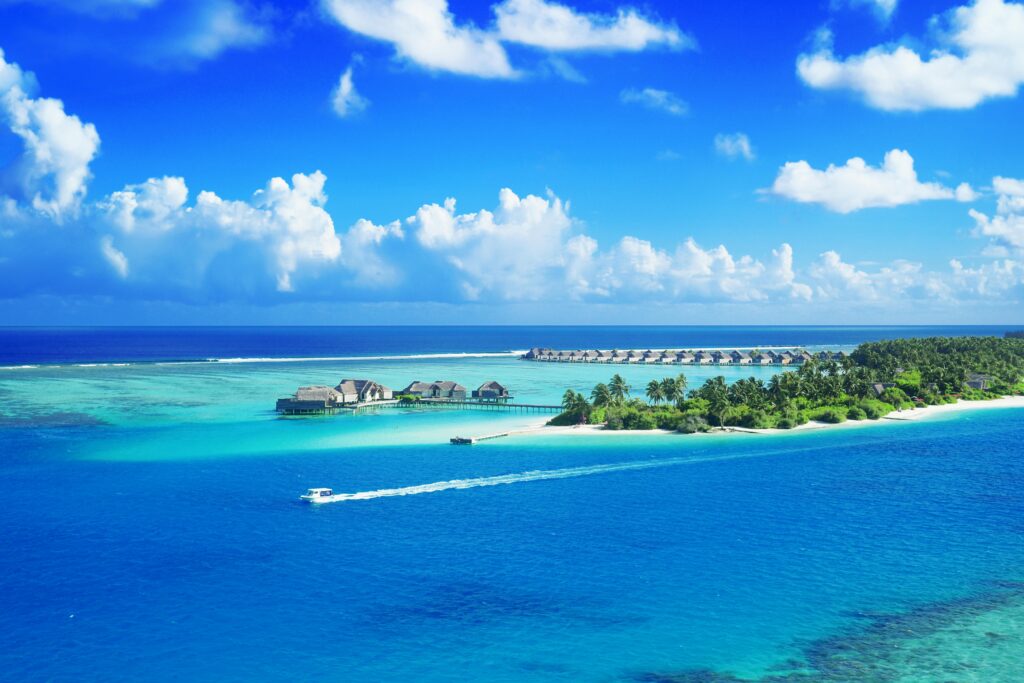
Why Hawaiʻi Still Dominates as a Honeymoon Destination
The Power of the Honeymoon Myth
Honeymoons are emotional purchases. Couples often splurge more on honeymoons than on other trips, and Hawaiʻi offers:
- A “once-in-a-lifetime” feel
- Strong brand recognition for romance
- A balance of relaxation and adventure
- English-speaking convenience without feeling “domestic”
For many couples, Hawaiʻi represents the ideal blend of exotic and accessible.
Luxury, Wellness, and Privacy
Honeymooners increasingly seek:
- High-end resorts and private villas
- Spa and wellness experiences
- Secluded beaches and curated excursions
Hawaiʻi’s hospitality sector excels in catering to these preferences, especially for couples who want a stress-free, indulgent start to married life.
Why Wedding Tourism Is Declining
Rising Costs
Destination weddings in Hawaiʻi have become significantly more expensive due to:
- Higher venue and vendor costs
- Increased airfare and lodging prices
- Inflation affecting food, labor, and materials
Couples are more sensitive to cost when planning weddings than honeymoons, where guest expenses are not a factor.
Guest Burden and Accessibility
Destination weddings require guests to:
- Take extended time off
- Pay for flights and hotels
- Navigate long travel times
Many couples are opting for:
- Smaller local ceremonies
- Courthouse or backyard weddings
- Celebrations closer to family and friends
Hawaiʻi, while beloved, is far from most guests.
Changing Wedding Priorities
Modern couples are:
- Spending less on formal weddings
- Prioritizing experiences over spectacle
- Separating the ceremony from the celebration
This shift benefits honeymoon travel but reduces demand for destination weddings.
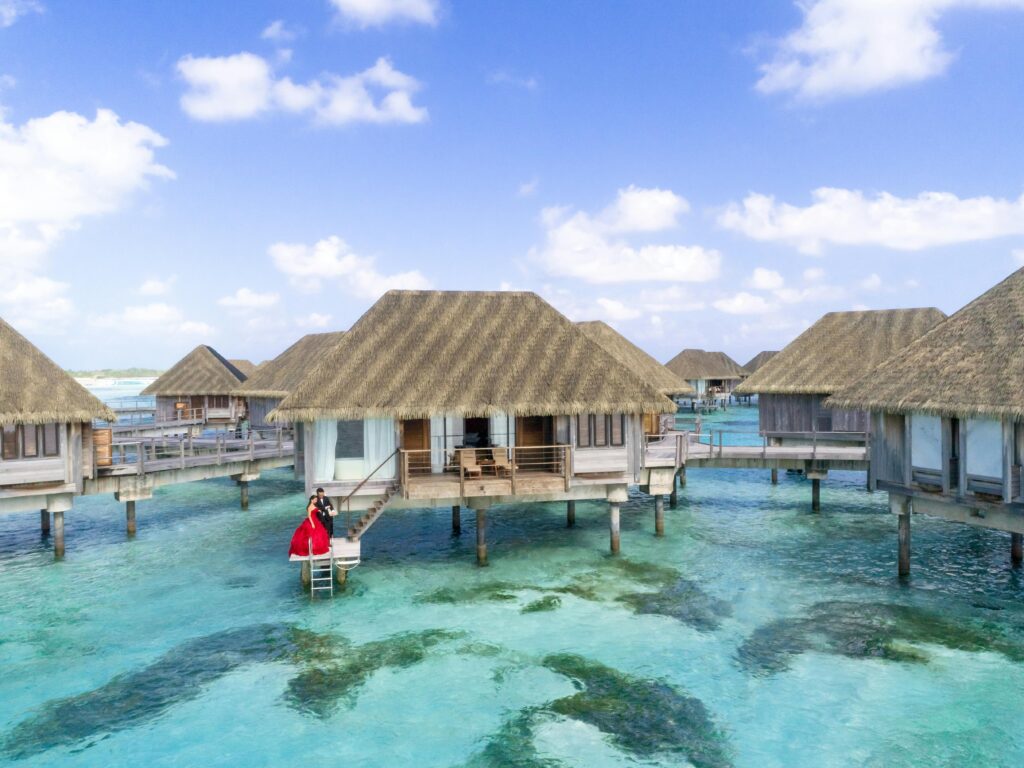
Cultural and Regulatory Factors
Greater Sensitivity to Local Impact
In Hawaiʻi, there is growing awareness of:
- Overtourism
- Cultural respect
- Environmental strain
Some couples hesitate to hold weddings out of concern for community impact or cultural appropriateness, especially at sacred or public sites.
Permits and Restrictions
Local governments have tightened rules around:
- Beach weddings
- Public land use
- Group size and noise
While these policies protect communities and ecosystems, they also add complexity to wedding planning.
Economic Impact on Hawaiʻi’s Tourism Industry
Who Benefits—and Who Feels the Decline
Honeymoon travel primarily benefits:
- Luxury resorts
- Airlines
- High-end dining and activities
Wedding tourism, by contrast, supports:
- Local planners
- Florists
- Musicians
- Small vendors and venues
A decline in weddings disproportionately affects small, locally owned businesses.
How the Industry Is Adapting
Pivot Toward Elopements and Micro-Weddings
Some businesses are shifting focus to:
- Elopements
- Intimate ceremonies
- Vow renewals
These events align better with cost-conscious couples and regulatory realities.
Romance Tourism Beyond Weddings
Hawaiʻi is expanding offerings for:
- Anniversaries
- Babymoons
- Engagement trips
- Renewal-of-vows ceremonies
Romance tourism is evolving beyond the traditional wedding model.
What This Trend Says About Travel in 2026
The honeymoon–wedding divide reflects broader trends:
- Travel as emotional investment
- Experience-first spending
- Smaller, more intentional celebrations
- Sensitivity to cost and community impact
Couples are choosing when and how to spend—and Hawaiʻi remains part of that story, just in a different role.
Frequently Asked Questions (FAQs)
Why is Hawaiʻi still the top honeymoon destination?
It offers iconic romance, luxury, safety, and natural beauty that appeal strongly to honeymooners.
Why are fewer couples getting married in Hawaiʻi?
High costs, guest travel burden, regulatory restrictions, and changing wedding preferences are key factors.
Is destination wedding tourism declining everywhere?
Not everywhere, but many couples are opting for smaller or local ceremonies globally.
Are elopements increasing in Hawaiʻi?
Yes. Elopements and small ceremonies are growing as alternatives to large weddings.
Does this affect Hawaiʻi’s economy?
Yes. Honeymoons bring revenue, but wedding tourism supports more local small businesses.
Are cultural concerns influencing wedding choices?
Increasingly so. Couples are more aware of cultural respect and local impact.
Will wedding tourism rebound in Hawaiʻi?
Possibly, but likely in a more limited, smaller-scale, and regulated form.
Conclusion
Hawaiʻi’s continued dominance as a honeymoon destination proves that romance tourism is alive and well. But the decline in wedding tourism signals a meaningful shift in how couples celebrate love. Today’s couples are redefining priorities—choosing intimacy over spectacle, experience over scale, and flexibility over tradition.
For Hawaiʻi, the future of romance tourism may not be about hosting the ceremony itself—but about providing the perfect place to begin what comes after.
Sources Pacific Business News

