
When diplomatic tensions rise between major economies, the consequences rarely stay confined to embassies and press conferences. In 2026, strained relations between Japan and China are increasingly spilling into trade flows, tourism numbers, corporate investment, and regional stability.
China has long been one of Japan’s most important economic partners — as a trading counterpart, a supply chain anchor, and a major source of tourists. As political friction deepens, the economic costs are becoming more visible.
For Japan, the stakes extend well beyond visitor arrivals. The dispute underscores how interdependent Asia’s largest economies have become — and how fragile that interdependence can be.
1. Tourism: A visible and immediate casualty
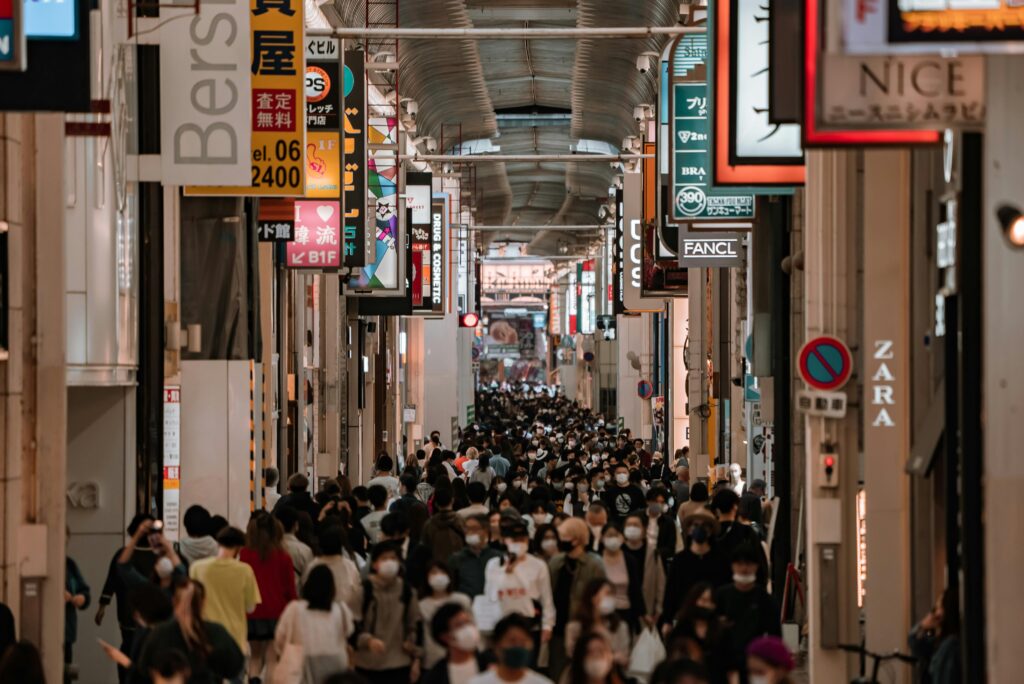
Before tensions escalated, Chinese visitors represented one of the largest and highest-spending inbound tourist groups in Japan.
Chinese tourists typically:
- Spent heavily on retail goods, especially cosmetics and electronics
- Traveled in large tour groups as well as independently
- Visited major cities like Tokyo, Osaka, and Kyoto
- Contributed significantly to regional tourism economies
A decline in arrivals affects:
- Department stores and luxury brands
- Regional airports
- Hotel occupancy
- Small businesses reliant on tour groups
Tourism is often the first sector to react to diplomatic strain because it is driven by perception and sentiment.
2. Consumer boycotts and public sentiment
Political disputes can quickly translate into public reaction.
In previous episodes of tension, Chinese consumers:
- Reduced travel to Japan
- Boycotted Japanese brands
- Shifted purchasing toward domestic alternatives
Even subtle changes in consumer mood can generate outsized economic effects, particularly in retail sectors dependent on foreign visitors.
3. Trade and supply chain exposure
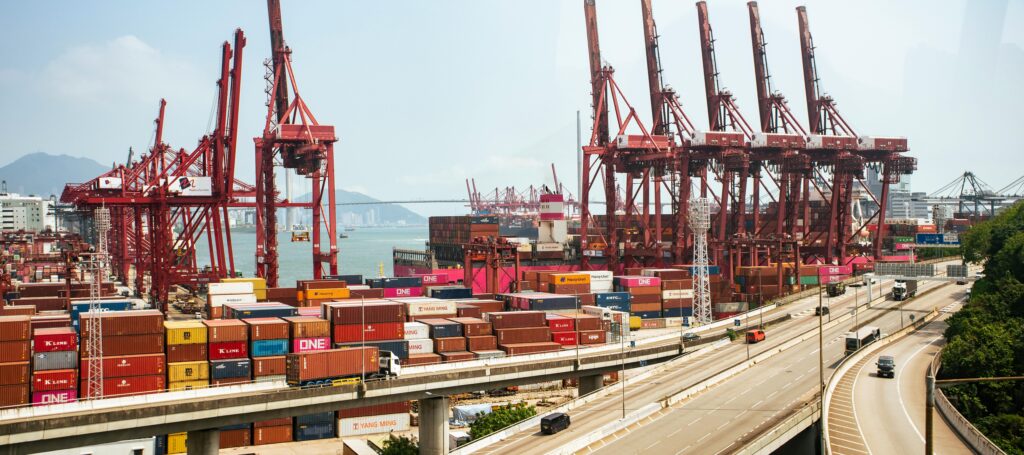
Beyond tourism, Japan and China maintain deeply integrated supply chains.
Key industries affected include:
- Automotive manufacturing
- Electronics and semiconductors
- Machinery and industrial equipment
- Chemical production
Japanese firms rely on Chinese factories and consumer markets, while China depends on Japanese components and technical expertise.
Disruption — whether through tariffs, regulatory delays, or informal barriers — increases costs and uncertainty.
4. Corporate investment hesitation
Diplomatic friction can deter new cross-border investment.
Companies may:
- Delay expansion plans
- Diversify supply chains to Southeast Asia
- Reduce exposure to politically sensitive sectors
While diversification enhances resilience, it also reduces economic efficiency.
5. Aviation and airline impact
Airlines are particularly sensitive to diplomatic climates.
Reduced Chinese visitation affects:
- Direct flight routes
- Regional airport revenues
- Tourism-dependent secondary cities
Airlines may reallocate capacity to other markets, but route adjustments take time.
6. Japan’s domestic economic pressures
The diplomatic strain arrives at a delicate moment for Japan’s economy.
Japan is already navigating:
- Slow population growth
- Currency fluctuations
- Modest GDP expansion
- Rising energy import costs
A sustained tourism or trade slowdown with China compounds these challenges.
7. China’s leverage in tourism diplomacy
China has historically used outbound tourism as a form of diplomatic leverage.
By:
- Encouraging or discouraging group travel
- Adjusting regulatory approvals
- Shaping public messaging
Beijing can influence travel flows quickly.
For countries reliant on Chinese visitors, this dynamic creates vulnerability.
8. Retail and regional economic ripple effects
Certain Japanese regions have built business models around Chinese tourism.
For example:
- Outlet malls
- Electronics districts
- Cosmetics retailers
- Ski resorts popular with Chinese travelers
A decline in spending affects employment and regional tax revenue.
9. The geopolitical backdrop
Tensions between Japan and China often involve:
- Maritime territorial disputes
- Security alliances
- Technology policy
- Defense posture in East Asia
Economic ties coexist with strategic rivalry, creating an uneasy balance.
10. Diversification as a strategic response
Japan may respond by:
- Expanding tourism marketing in Southeast Asia
- Strengthening trade with Europe and North America
- Supporting domestic consumption
- Encouraging inbound travel from India and other emerging markets
Diversification reduces risk but cannot immediately replace Chinese demand.
11. The long-term question: Interdependence vs. decoupling
The situation raises a broader question facing many countries: Can economic interdependence withstand political rivalry?
Complete economic decoupling between Japan and China is unlikely due to the scale of integration. However, gradual strategic distancing — especially in technology and security-sensitive sectors — may continue.
Tourism flows will likely remain the most volatile indicator of diplomatic warmth or strain.
Conclusion: Economics shaped by diplomacy
The economic relationship between Japan and China has long been defined by pragmatism. Trade flourished even when political relations cooled.
But as geopolitical competition intensifies, that buffer appears thinner. Tourism declines, supply chain adjustments, and shifting consumer behavior reveal how diplomacy now directly influences economic momentum.
For Japan, maintaining growth while managing regional tension requires careful balancing. For businesses and travelers alike, the lesson is clear: In today’s interconnected world, politics and economics are inseparable.
Frequently Asked Questions (FAQ)
1. Why does China matter so much to Japan’s economy?
China is one of Japan’s largest trading partners and a major source of tourists.
2. How does diplomatic tension affect tourism?
Negative sentiment can reduce travel bookings and group tour approvals.
3. Are Japanese companies pulling out of China?
Some are diversifying supply chains, but full withdrawal is unlikely.
4. Does this affect airlines?
Yes. Reduced passenger demand can lead to route cuts or capacity shifts.
5. Are consumer boycotts significant?
They can have meaningful short-term impact, especially in retail sectors.
6. Can Japan replace Chinese tourists easily?
Not immediately; diversification takes time.
7. Is this the first time tensions have affected tourism?
No. Previous disputes have also influenced travel patterns.
8. Will trade relations collapse?
A complete breakdown is unlikely due to deep economic interdependence.
9. How does this affect regional stability?
Economic friction can amplify broader geopolitical competition.
10. What is the main takeaway?
Diplomatic tensions between major economies now carry direct and visible economic consequences.
Sources The New York Times

