

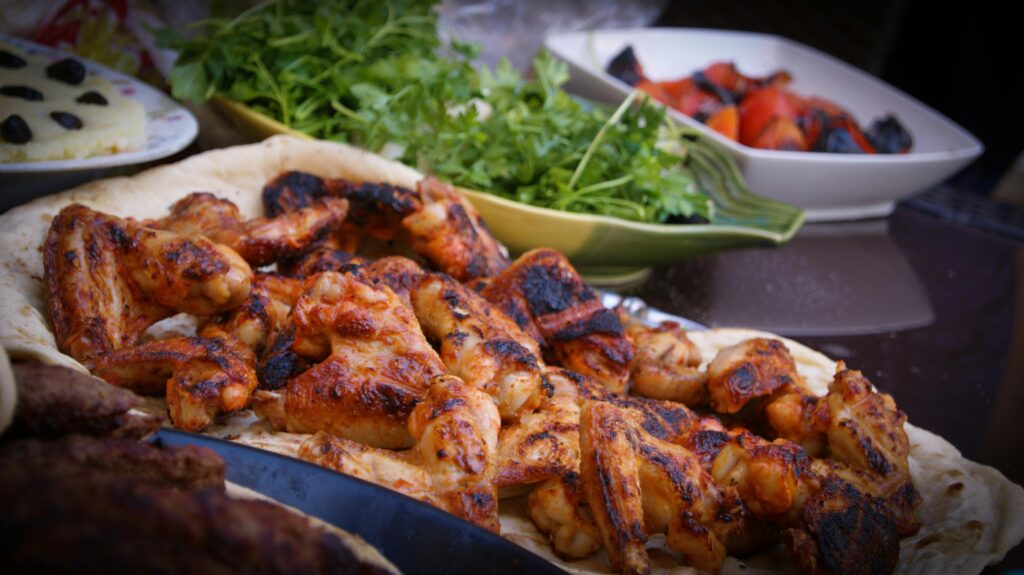
In a city known for pastel de nata, salt cod dishes, and Michelin-starred innovation, it wasn’t a historic monument or luxury restaurant that captured the attention of thousands of Chinese tourists — it was a modest grilled chicken shop.
The rise of this Lisbon eatery from neighborhood staple to international sensation reveals how modern tourism no longer follows traditional guidebooks. Instead, it travels at the speed of social media, shaped by algorithms, influencers, and digital word-of-mouth.
The story is not just about chicken. It is about how travel culture is being rewritten.
The Viral Spark: Social Media as Travel Architect
For decades, tourism flowed through guidebooks, travel agents, and official campaigns. Today, platforms such as Xiaohongshu (Little Red Book), WeChat, Douyin (Chinese TikTok), and Instagram increasingly dictate where travelers go.
A few viral posts highlighting:
- Affordable prices
- Generous portions
- Authentic local atmosphere
- Unique flavor profiles
were enough to propel the Lisbon shop into the feeds of millions of Chinese users.
In the digital age, authenticity can be more powerful than luxury.
Why Grilled Chicken?
At first glance, grilled chicken may not seem like an obvious cross-cultural culinary bridge. Yet several factors made it appealing:
- It is universally recognizable and approachable.
- It aligns with communal dining traditions.
- It offers strong visual appeal for social media photography.
- It feels “local” without being intimidating.
For many travelers, especially first-time visitors to Europe, familiar formats provide comfort amid cultural exploration.
Lisbon’s Growing Appeal to Chinese Travelers
Portugal has seen a steady rise in Chinese tourism over the past decade, driven by:
- Simplified visa procedures
- Increased flight connectivity
- Investment ties between China and Portugal
- Perception of safety and affordability
Lisbon, in particular, combines historic charm with manageable scale — making it attractive for travelers seeking a European experience without the crowds of Paris or Rome.
Food Tourism as Cultural Gateway
Culinary experiences increasingly anchor travel itineraries.
Chinese tourists are known for prioritizing food exploration, often planning trips around:
- Viral restaurant discoveries
- Unique local flavors
- “Hidden gem” establishments
The grilled chicken shop’s success illustrates how everyday eateries can outperform high-end restaurants in attracting global attention.
Food offers immediate sensory immersion — no translation required.
The Economics of Micro-Tourism Hotspots
When a single venue becomes viral, the impact can be swift:
- Long queues form.
- Surrounding businesses see increased foot traffic.
- Staff must adapt to new language demands.
- Menus may expand with translated options.
However, rapid exposure can also strain small establishments unprepared for international surges.
Managing growth without losing identity becomes the challenge.
Authenticity Versus Adaptation
As tourist numbers increase, businesses often face a dilemma:
- Maintain traditional methods and ambiance.
- Or adapt offerings to international tastes and expectations.
For the Lisbon chicken shop, small adjustments — such as multilingual menus or digital payment options — may enhance accessibility without compromising authenticity.
The key is subtle adaptation rather than transformation.
Social Media’s Power to Reshape Neighborhoods
What begins as a single viral restaurant can reshape an entire neighborhood.
Increased visibility can lead to:
- Rising rents
- New businesses targeting tourists
- Shifts in customer demographics
While tourism brings revenue, it can also alter local character.
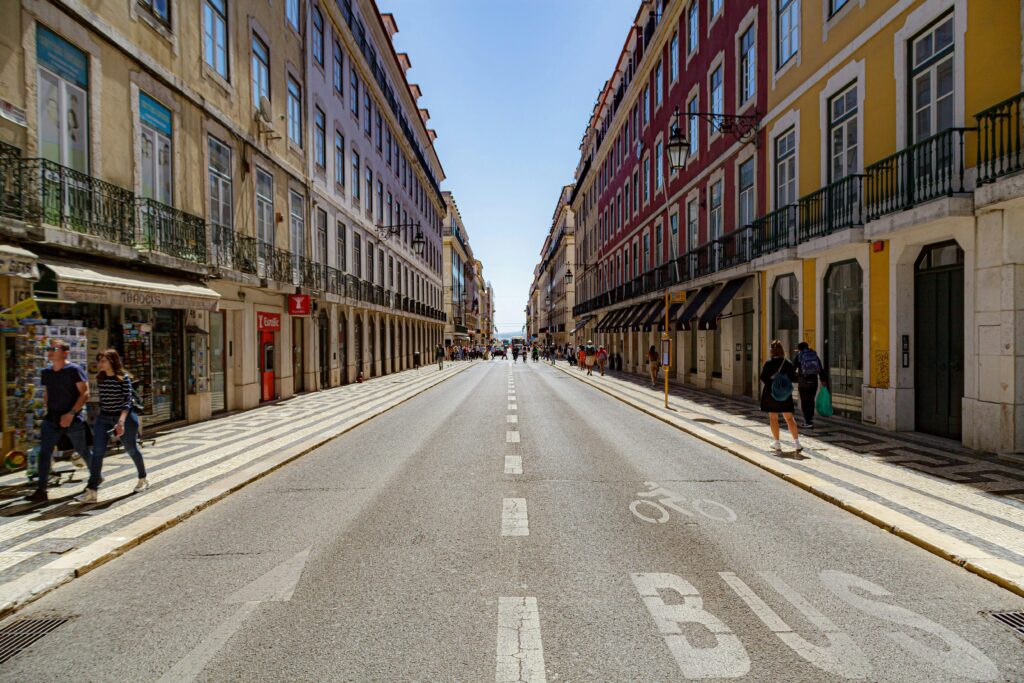
Lisbon has already experienced tensions around overtourism in central districts. Viral micro-trends add a new layer of complexity.
Beyond Lisbon: The Global Pattern
This phenomenon is not unique to Portugal.
Across the world, small businesses have experienced sudden global fame due to:
- Influencer endorsements
- Viral food videos
- Celebrity visits
- User-generated content trends
From street vendors in Bangkok to bakeries in Copenhagen, social platforms increasingly define global culinary maps.
The Role of Chinese Digital Platforms
Chinese outbound tourism is deeply influenced by domestic social media ecosystems.
Unlike Western platforms, apps such as Xiaohongshu blend:
- Reviews
- Lifestyle content
- E-commerce
- Travel planning
Destinations featured frequently on these platforms can see immediate travel spikes.
Understanding these digital ecosystems is now essential for tourism boards and small businesses alike.
Sustainability and Managing Viral Fame
Sudden popularity brings logistical challenges:
- Supply chain pressure
- Service bottlenecks
- Staff burnout
- Customer dissatisfaction due to long waits
Sustainable growth may require:
- Reservation systems
- Expanded operating hours
- Staff training in cross-cultural communication
Success in the viral era requires operational agility.
Lisbon’s Broader Tourism Strategy
Portugal has invested heavily in positioning itself as:
- A culturally rich yet affordable European destination
- A culinary hotspot
- A digital nomad hub
- A safe, welcoming environment
The grilled chicken phenomenon fits neatly into this narrative of accessible authenticity.
Rather than high-gloss luxury alone, Lisbon thrives on everyday charm.
Conclusion: A New Era of Discovery
The rise of a Lisbon grilled chicken shop as a magnet for Chinese tourists reveals a larger shift in global travel behavior.
Travelers no longer rely solely on official landmarks. They seek stories, flavors, and experiences validated by peers in real time.
In this environment, a simple meal can become a global attraction — not because it was designed to be, but because it resonates.
Tourism today is shaped less by brochures and more by feeds.
Frequently Asked Questions (FAQ)
1. Why did Chinese tourists flock to a grilled chicken shop in Lisbon?
Due to viral social media exposure on Chinese digital platforms.
2. Is Portugal a popular destination for Chinese travelers?
Yes, thanks to visa access, safety, and affordability.
3. How does social media influence tourism?
Viral posts can rapidly elevate unknown venues into must-visit hotspots.
4. Does this benefit local businesses?
Yes, but sudden demand can create operational challenges.
5. Are small businesses prepared for international tourists?
Not always; adaptation may require language support and digital payment options.
6. Could this contribute to overtourism?
If concentrated in specific neighborhoods, yes.
7. Why is food central to travel trends?
Food provides immediate cultural immersion and social media appeal.
8. Are similar trends happening globally?
Yes, viral food destinations are reshaping tourism worldwide.
9. How should businesses manage viral popularity?
Through operational planning, staff training, and sustainable scaling.
10. What’s the key takeaway?
In the digital era, authenticity amplified by social media can transform even modest venues into global attractions.

Sources CNN

