
The Phenomenon
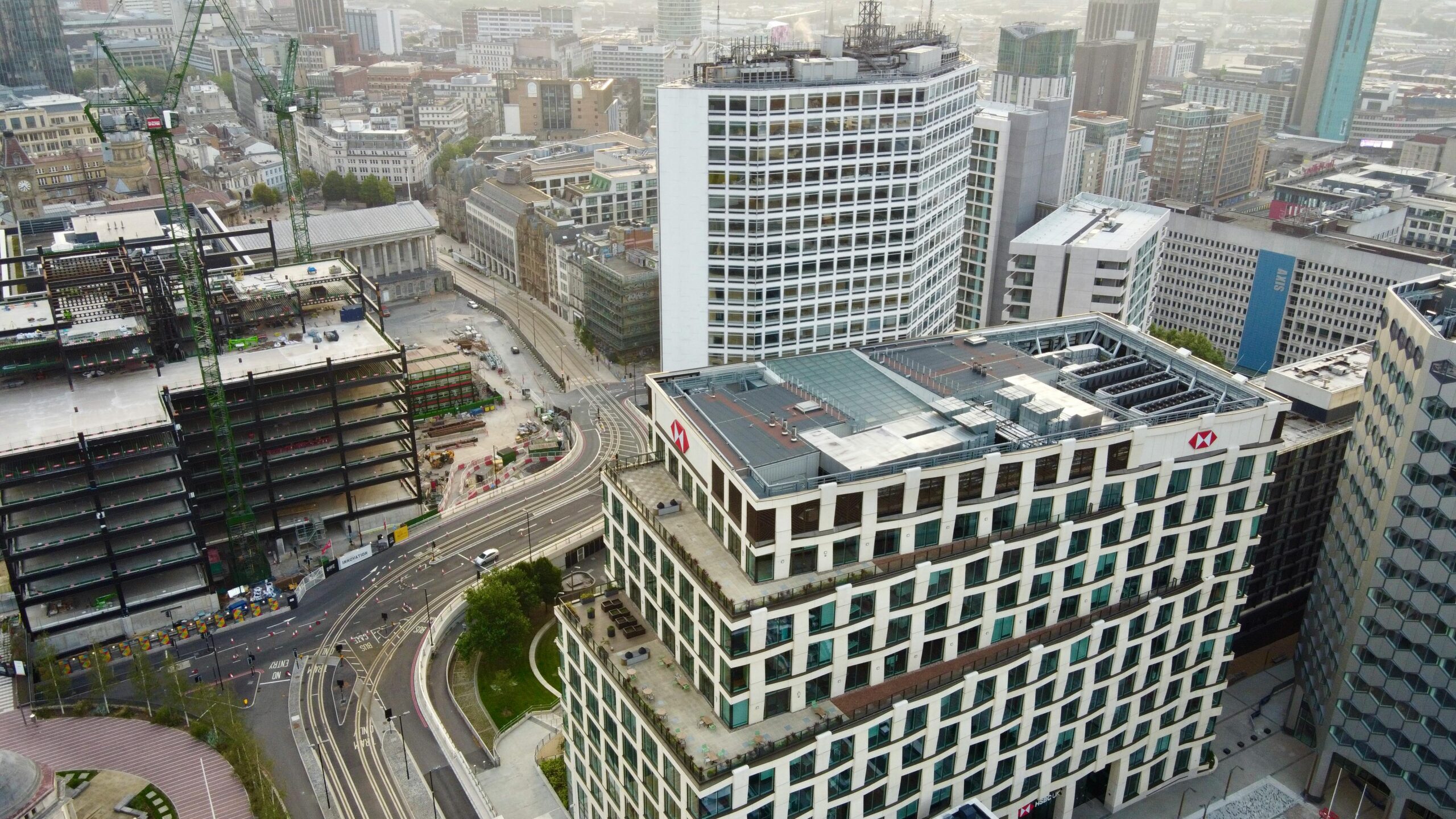
Since its debut in 2013, the BBC drama Peaky Blinders has grown into a global television phenomenon. But beyond its critical acclaim and cultural impact, the series has driven a remarkable transformation in tourism across the West Midlands region of England — particularly in Birmingham, Dudley, and the surrounding areas.
Viewers from around the world, captivated by the show’s gritty yet stylized portrayal of 1920s gangland Birmingham, have made pilgrimages to see the places associated with the show and its characters, especially the iconic Shelby family. This surge of interest has had measurable economic, cultural, and social effects on the region.
What’s Been Achieved
Visitor Numbers and Economic Boost
Tourism figures in the West Midlands saw a significant increase after the rise of Peaky Blinders. At its peak, the region recorded over 130 million visitors in a single year. International tourism to Birmingham increased substantially, with many attributing the rise to the show’s global appeal.
Key heritage sites such as the Black Country Living Museum, often used as a backdrop in the series, have seen sharp rises in attendance. Events themed around the show — including costumed nights, immersive tours, and exhibitions — have become regular fixtures, drawing fans locally and internationally.
Screen Tourism, Brand, and Image
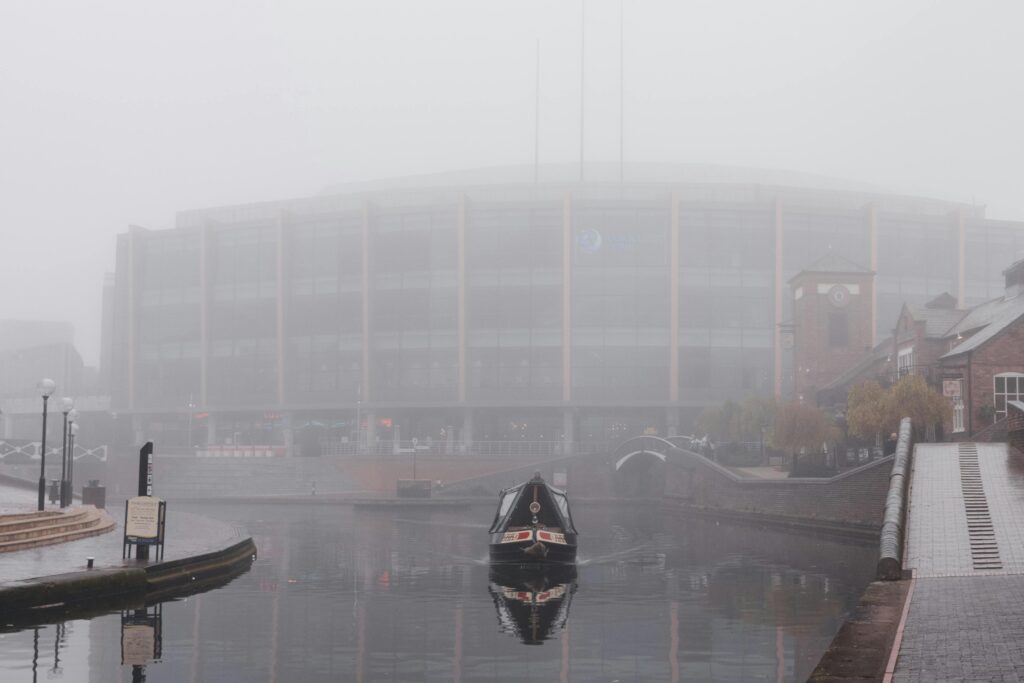
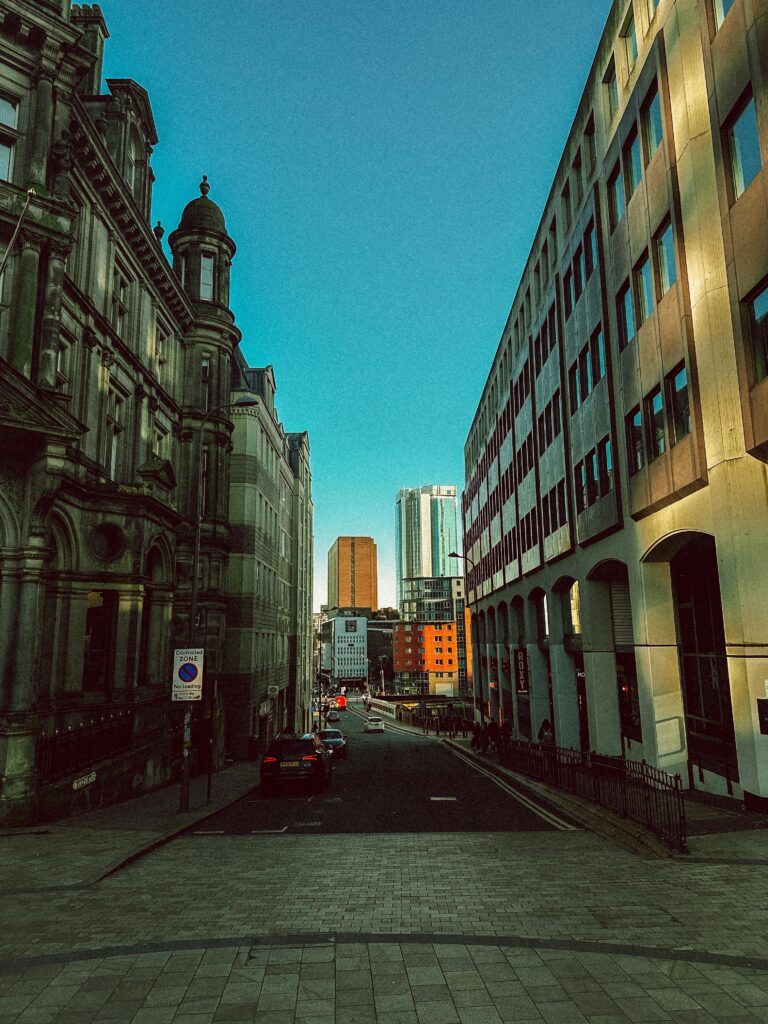
Birmingham, once under-recognized in the UK’s tourism circuit, has rebranded in part around the “Peaky” aesthetic. This includes industrial backdrops, canal systems, and early 20th-century architecture — all of which resonate with the visual tone of the show.
Guided tours, immersive walking routes, themed pub nights, and fan experiences have become staples of local tourism. The show has helped boost the city’s visibility as a filming destination and positioned the West Midlands as a viable location for future screen productions.
Local Business and Cultural Momentum
The ripple effects have extended beyond tourism offices. Local bars, fashion outlets, event companies, and creative agencies have tapped into the show’s popularity by launching themed products, hosting fan events, and building marketing strategies around the Peaky brand.
From pop-up experiences to street art and even a rise in baby names influenced by the show (such as Arthur or Ada), the cultural impact of Peaky Blinders has helped shape a new identity for Birmingham and its surroundings — one that celebrates history while embracing its cinematic reinterpretation.
What’s Less Talked About
While headlines have focused on rising tourist numbers, there are deeper layers worth exploring:
1. Location vs. Filming Reality
Though set in Birmingham, many scenes were filmed in other parts of the UK, such as Liverpool or Yorkshire. Despite this, visitors still flock to the West Midlands because it remains central to the story and cultural identity of the show. This shows the power of narrative over strict geographical accuracy.
2. Long-Term Sustainability
Riding the wave of a popular TV show is one thing — maintaining momentum after the show concludes is another. Regions must find ways to convert temporary tourism into long-term cultural capital and infrastructure investment. The West Midlands has begun to explore this through expanded creative industry projects and local regeneration.
3. Urban Regeneration and Cultural Districts
Areas like Digbeth, Birmingham — once known for industry and now reimagined as a creative hub — have integrated the Peaky Blinders legacy into urban planning and redevelopment strategies. New studios, art spaces, and cultural venues are springing up, blending heritage with future-focused economic plans.
4. The Global Fan Economy
The show’s streaming availability on platforms like Netflix has brought fans from across the world — the US, Australia, Europe, and beyond — into the orbit of West Midlands tourism. This fan-driven tourism has created new revenue streams and opened up global markets for regional businesses.
5. Community Impact and Gentrification
With increased attention comes the potential downside of over-tourism. Some locals express concerns about neighborhoods becoming overly commercialized or inaccessible due to rising rents, traffic, or changes in character. Balancing local life with visitor appeal remains a delicate challenge.
6. Creative Ecosystem Growth
The region has seen growth not only in tourism but also in film and television production, acting schools, local employment, and media training initiatives. These developments contribute to a wider cultural economy that could outlast the initial “Peaky” wave.
What Happens When a TV Show Defines a Region?
When a TV show becomes synonymous with a region, several things occur:
- Rebranding of Identity: The area gains a new public image, which can attract investment, tourism, and creative interest.
- Economic Ripple Effects: Hospitality, retail, and creative sectors benefit, often in unexpected ways.
- Civic Pride and Global Attention: Locals may feel a renewed pride in their city, while international audiences learn about the region’s culture and history.
- Risks of Overreliance: Tying too much of a tourism strategy to a single property is risky. Diversification is essential for longevity.
- Legacy Opportunities: Done right, a show’s success can leave behind a sustainable legacy — from job creation to cultural infrastructure.
FAQs: Peaky Blinders & Tourism in the West Midlands
Q1. Why did Peaky Blinders impact tourism so much?
The show gave the West Midlands a global spotlight, presenting its gritty industrial past through a stylish and compelling narrative. This drew fans who wanted to experience the setting firsthand.
Q2. Were the series filmed entirely in Birmingham?
No. While the story is rooted in Birmingham, filming took place in various parts of the UK. However, Birmingham and surrounding areas remain the spiritual and narrative home of the show.
Q3. What can visitors do in the West Midlands related to the show?
They can take part in themed walking tours, visit the Black Country Living Museum, attend fan events, enjoy 1920s-themed nights, and explore historic neighborhoods featured or inspired by the show.
Q4. Is the tourism effect still ongoing after the series ended?
Yes, although peak interest may taper over time, local tourism boards and businesses continue to build on the show’s momentum with events, experiences, and new offerings.
Q5. What are the economic benefits of the show’s popularity?
Increased visitor spending on accommodation, food, transport, and events, plus job creation in the tourism and cultural sectors, has given a significant boost to the regional economy.
Q6. Could there be negative impacts on communities?
Yes. Increased traffic, rising rents in popular districts, and cultural commodification are potential downsides. Managing growth sustainably is key.
Q7. How are local businesses taking advantage of the popularity?
By offering themed products, experiences, events, and aligning their brand identities with the “Peaky” aesthetic to draw in fans and tourists.
Q8. Is this trend unique to Birmingham?
No. Other locations worldwide have seen similar boosts from TV and film (e.g., Game of Thrones in Northern Ireland, Outlander in Scotland). However, Birmingham’s embrace of the phenomenon is particularly strategic.
Q9. Are there plans to expand beyond Peaky Blinders?
Yes. The region is investing in creative infrastructure and positioning itself as a media production hub, hoping to attract new projects and talent.
Q10. How can the West Midlands maintain interest after the show fades?
By integrating the show’s legacy into broader cultural initiatives, promoting the region’s heritage and creative economy, and diversifying tourism offerings beyond a single narrative.
Final Thoughts
The Peaky Blinders effect on the West Midlands is a textbook case of how media can shape real-world economies and cultural perceptions. What began as a TV series evolved into a tool for urban branding, international tourism, and local revival. The real challenge now is ensuring that the legacy lasts — not as a passing trend, but as a foundational element in the region’s future.
Sources BBC

