
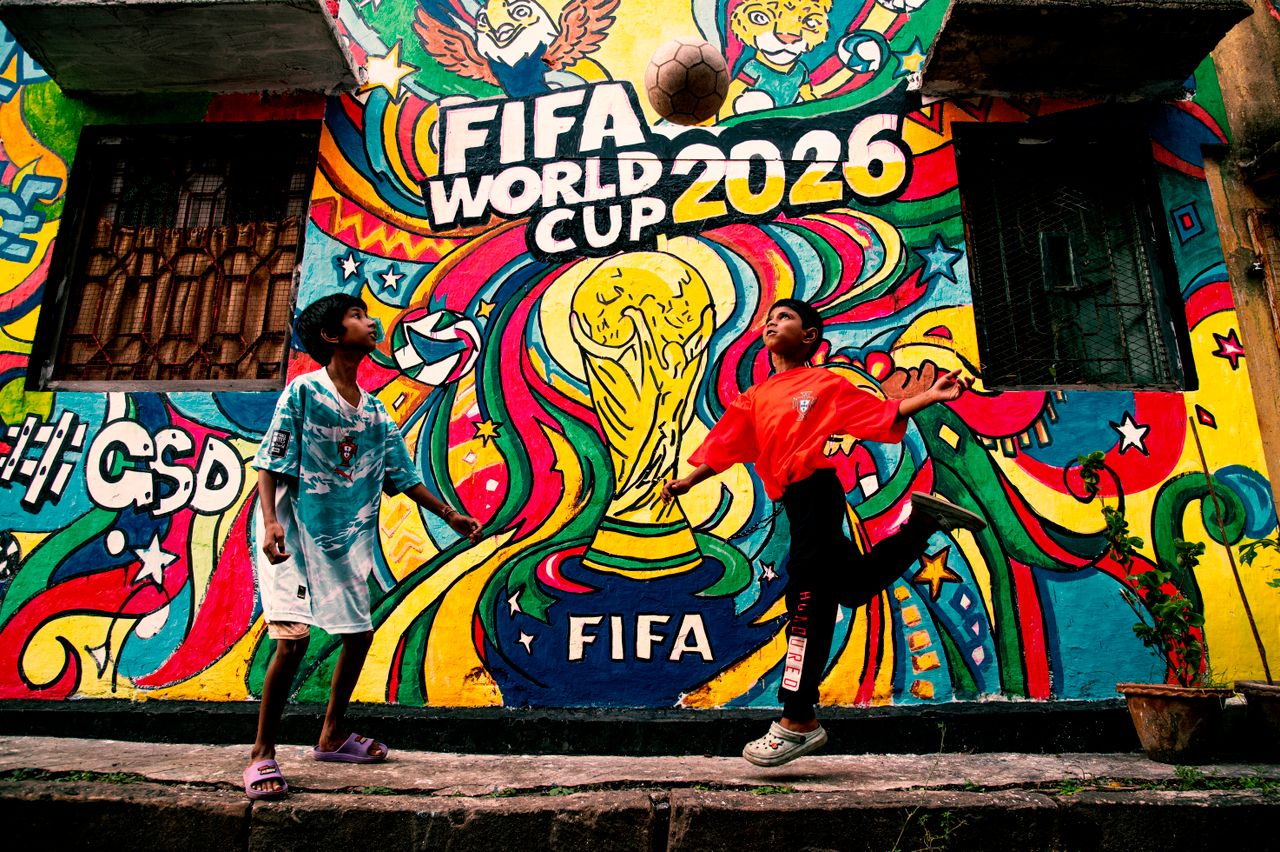
The 2026 FIFA World Cup is more than the world’s biggest football tournament—it is one of the largest tourism events ever organized. For the first time in history, the competition is being jointly hosted by three countries: the United States, Canada, and Mexico. This unprecedented collaboration is expected to attract millions of international visitors, generate billions of dollars in economic activity, and redefine how mega sporting events influence global travel.
Beyond the excitement on the field, the tournament represents a massive opportunity for airlines, hotels, restaurants, retailers, transportation providers, and local businesses. It is also serving as a catalyst for infrastructure upgrades, digital innovation, and international cooperation across North America.
As anticipation builds, travelers are increasingly planning trips that combine football with cultural exploration, creating a new wave of sports tourism that extends well beyond the tournament itself.

Why the 2026 World Cup Is Historically Significant
The 2026 edition introduces several historic milestones.
These include:
- The first FIFA World Cup jointly hosted by three nations.
- The largest tournament in FIFA history by the number of participating national teams.
- An expanded competition featuring more matches than previous editions.
- A broader geographic footprint covering numerous cities across North America.
This larger format is expected to spread tourism benefits across multiple regions instead of concentrating visitors in only a few metropolitan areas.
Sports Tourism Is Booming Worldwide
Sports tourism has become one of the fastest-growing segments of the global travel industry.
Travelers increasingly plan vacations around:
- International football tournaments
- Olympic Games
- Formula One races
- Tennis Grand Slams
- Marathons
- Golf championships
- Rugby competitions
Unlike traditional sightseeing vacations, sports tourism combines entertainment, culture, dining, shopping, and local experiences into one trip.
Many fans extend their stays before or after matches, increasing spending throughout host destinations.
Economic Benefits for Host Countries
Large sporting events generate economic activity across numerous sectors.
Potential beneficiaries include:
Hospitality
Hotels, vacation rentals, hostels, and resorts often experience significantly higher occupancy rates.
Aviation
International airlines typically increase flight capacity while airports handle greater passenger volumes.
Restaurants and Food Services
Local dining establishments benefit from increased visitor spending.
Retail
Souvenir shops, sporting goods stores, shopping centers, and local markets often experience stronger sales.
Transportation
Public transit systems, taxis, ride-sharing services, and car rental companies see higher demand.
Entertainment
Museums, concerts, cultural attractions, amusement parks, and guided tours also receive additional visitors.

Infrastructure Improvements
Hosting an event of this scale requires years of preparation.
Many host cities invest in:
- Airport modernization
- Road improvements
- Public transportation expansion
- Stadium upgrades
- Digital communication systems
- Security infrastructure
- Accessibility enhancements
These investments often continue benefiting residents long after the tournament concludes.
The Rise of Multi-Destination Travel
Because matches are spread across three countries, many visitors are planning multi-country itineraries.
A typical trip might combine:
- Football matches in the United States
- Cultural attractions in Mexico
- Natural landscapes in Canada
This creates opportunities for longer vacations and encourages travelers to explore destinations they may not otherwise have visited.
The tournament effectively transforms North America into one interconnected tourism region.
Technology Is Transforming the Fan Experience
Modern sporting events rely heavily on digital tools.
Visitors increasingly use:
- Mobile ticketing
- Digital travel wallets
- AI-powered itinerary planners
- Translation applications
- Interactive navigation maps
- Contactless payments
- Real-time transportation updates
Artificial intelligence is also improving crowd management, customer service, and travel recommendations.
These technologies help reduce travel friction while improving visitor experiences.
Challenges Facing Host Cities
While tourism brings economic benefits, it also creates challenges.
These may include:
Hotel Availability
Accommodation prices often rise significantly during major sporting events.
Early booking becomes essential.
Transportation Congestion
Airports, highways, and public transit systems experience heavy demand.
Careful planning helps visitors avoid delays.
Public Safety
Authorities typically increase security through enhanced policing, emergency planning, and international coordination.
Large crowds require extensive crowd management strategies.
Environmental Impact
Millions of travelers generate increased carbon emissions and waste.
Many organizers now emphasize sustainability initiatives such as:
- Public transportation
- Recycling programs
- Renewable energy
- Carbon reduction efforts
Local Communities and Cultural Exchange
Major sporting events create opportunities for meaningful cultural interaction.
Visitors often experience:
- Local cuisine
- Traditional festivals
- Music performances
- Historical landmarks
- Community celebrations
Likewise, residents interact with fans from around the world, strengthening international understanding through shared experiences.
The World Cup is therefore not only a sporting competition but also a global cultural event.

Tourism Beyond Match Days
Many travelers plan to explore nearby attractions before or after attending matches.
Popular experiences may include:
In the United States
- National parks
- Major cities
- Theme parks
- Museums
- Coastal destinations
In Canada
- Mountain landscapes
- National parks
- Waterfront cities
- Outdoor adventures
In Mexico
- Ancient archaeological sites
- Beaches
- Colonial cities
- Culinary tourism
- Cultural festivals
This extended travel generates additional revenue throughout the tourism sector.
Lasting Economic Legacy
One of the most important questions surrounding mega sporting events concerns their long-term impact.
Potential lasting benefits include:
- Improved international reputation
- Increased future tourism
- Better infrastructure
- Stronger global business connections
- Expanded airline networks
- Increased investment opportunities
However, experts note that achieving a positive legacy depends on careful planning, sustainable development, and continued promotion after the tournament ends.
Tips for Fans Planning a World Cup Trip
Travelers preparing for the tournament should consider:
- Booking flights and accommodation well in advance.
- Checking passport validity and visa requirements.
- Purchasing comprehensive travel insurance.
- Using official ticketing channels.
- Planning transportation between host cities.
- Monitoring local weather conditions.
- Downloading travel, translation, and navigation apps before departure.
Preparation can significantly improve the overall travel experience during such a high-demand event.
A Global Tournament With a Lasting Tourism Impact
The 2026 FIFA World Cup represents a landmark moment for international tourism. Beyond the excitement of world-class football, it showcases how major sporting events can stimulate economic growth, encourage cross-border travel, and strengthen cultural exchange.
For the United States, Canada, and Mexico, the tournament offers an opportunity to demonstrate hospitality on an unprecedented scale while leaving a legacy of improved infrastructure and enhanced global visibility.
Whether visitors come for a single match or embark on a multi-country adventure, the World Cup is expected to inspire millions of journeys that combine sport, culture, history, and exploration. As sports tourism continues to grow worldwide, the lessons learned from this historic tournament may shape how future global events are planned and experienced.
Frequently Asked Questions (FAQs)
1. Why is the 2026 FIFA World Cup unique?
It is the first FIFA World Cup jointly hosted by three countries—the United States, Canada, and Mexico—and features an expanded tournament with more participating teams and matches than previous editions.
2. How does the World Cup benefit tourism?
The tournament increases demand for hotels, airlines, restaurants, transportation, retail, entertainment, and local attractions while encouraging visitors to explore multiple destinations.
3. What challenges do host cities face?
Common challenges include accommodation shortages, transportation congestion, security management, environmental sustainability, and ensuring a positive experience for both residents and visitors.
4. What is sports tourism?
Sports tourism refers to travel motivated by attending or participating in sporting events. It has become one of the fastest-growing sectors of the global travel industry.
5. How can travelers prepare for a World Cup trip?
Book travel early, secure official match tickets, verify travel documents, arrange travel insurance, plan transportation between host cities, and use digital travel tools to stay informed throughout the tournament.

Sources The New York Times

