
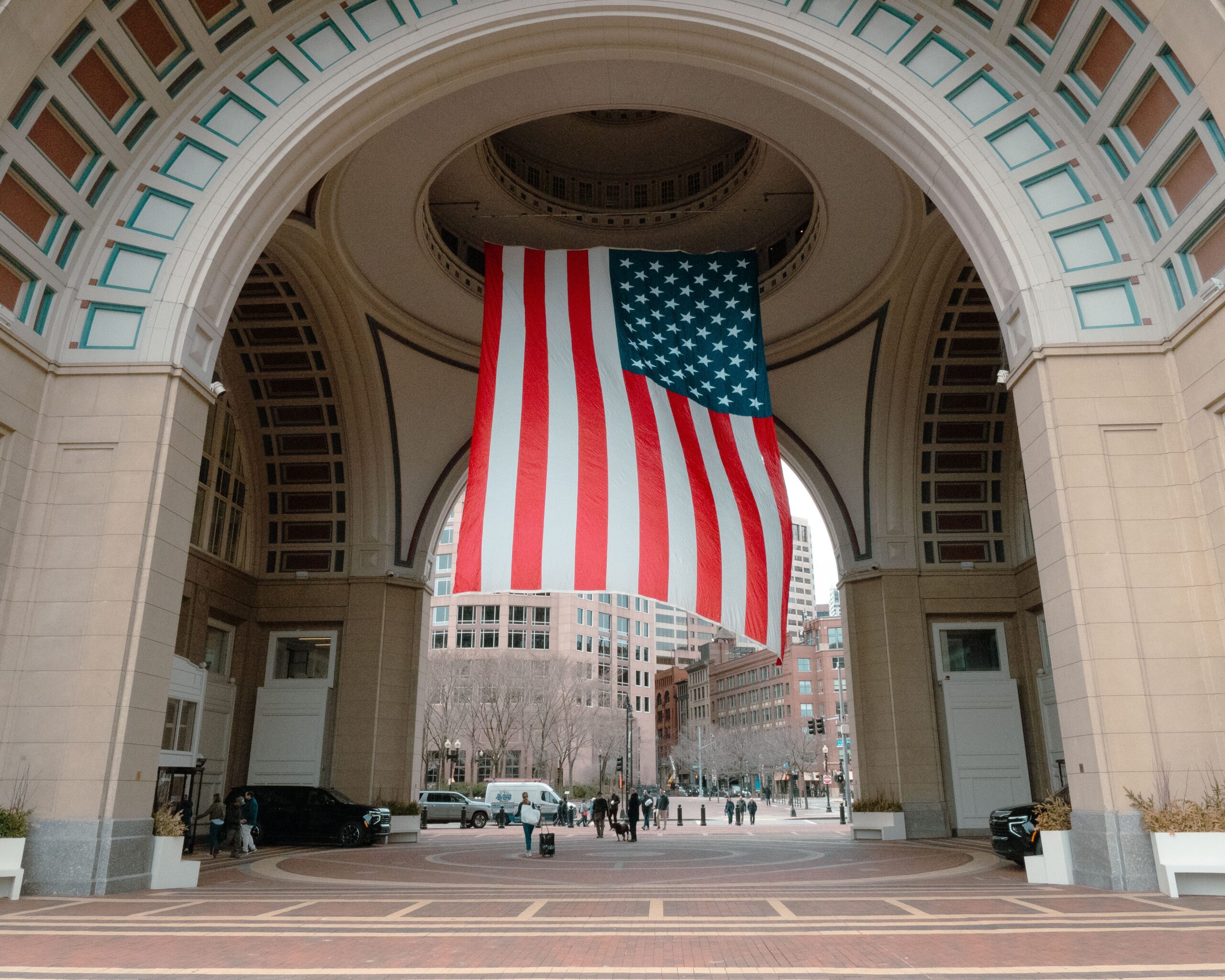
Hosting matches and fan events connected to the FIFA World Cup is about far more than football. For cities like Boston, one of the United States’ most historic and internationally recognized destinations, the tournament represents a powerful opportunity to generate tourism revenue, attract global attention, and strengthen long-term economic development.
Major sporting events have evolved into global economic engines capable of drawing hundreds of thousands of visitors, stimulating local businesses, creating temporary and permanent jobs, and showcasing host cities to billions of television and online viewers worldwide. While hotels, restaurants, and sports venues receive immediate financial benefits, the ripple effects often extend to transportation, retail, cultural attractions, technology, and future investment.
As international sports tourism continues expanding, Boston’s experience illustrates how hosting a world-class event can leave a lasting legacy that reaches far beyond the final whistle.
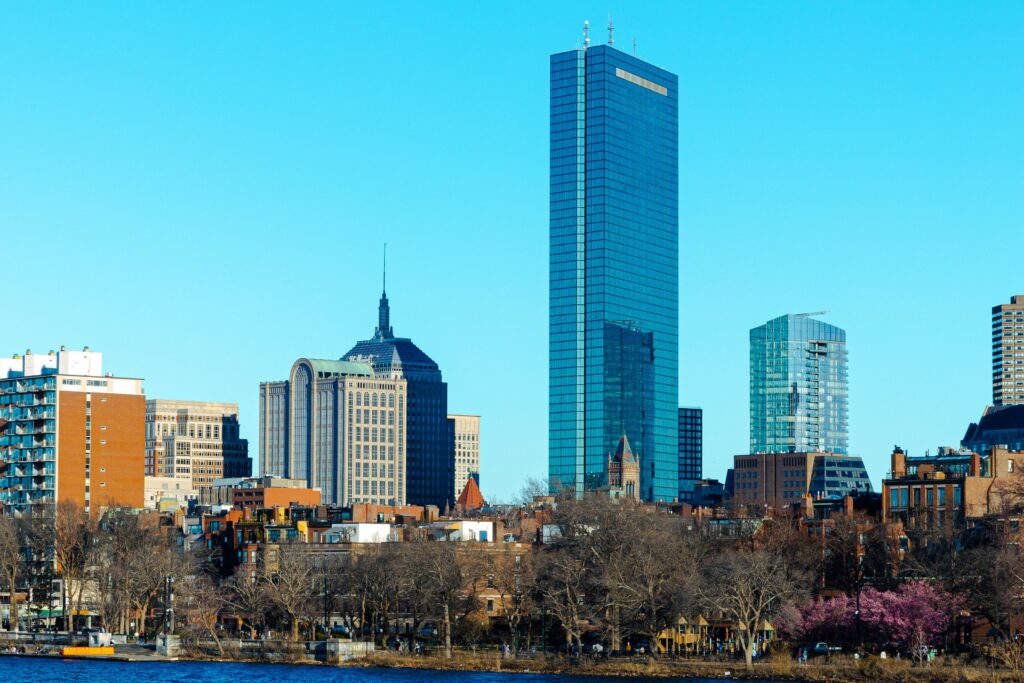
Sports Tourism Is One of the Fastest-Growing Travel Segments
Sports tourism has become a major contributor to the global travel industry.
Travelers increasingly plan trips around:
- International football tournaments
- Olympic Games
- Tennis championships
- Formula One races
- Marathons
- Golf tournaments
- Baseball championships
- Basketball events
Unlike traditional leisure tourism, sports travelers often spend several days attending matches while exploring local attractions, creating additional economic activity.
Why the FIFA World Cup Matters Economically
The FIFA World Cup is among the world’s largest sporting events.
Its economic impact comes from:
- International visitor spending
- Hotel bookings
- Restaurant revenue
- Retail shopping
- Transportation services
- Entertainment venues
- Tourism activities
- Event-related employment
Billions of viewers also watch broadcasts globally, providing host cities with valuable international exposure.
Boston’s Tourism Strengths
Boston already attracts millions of domestic and international visitors every year.
The city offers:
- Historic landmarks
- Universities
- Museums
- Waterfront attractions
- Professional sports teams
- Convention facilities
- Culinary experiences
- Walkable neighborhoods
A global sporting event builds upon these existing strengths by introducing new audiences to the city.
Hotels Experience Significant Demand
Major tournaments typically produce exceptionally high occupancy rates.
Hotels often experience:
- Increased reservations
- Longer guest stays
- Higher room demand
- Greater conference bookings
- Increased international visitors
Many travelers extend their trips before or after matches to explore surrounding regions.
Restaurants and Hospitality Benefit
Visitor spending extends well beyond stadiums.
Hospitality businesses often see higher demand for:
- Restaurants
- Cafés
- Bars
- Breweries
- Food markets
- Catering services
- Local specialties
International visitors frequently seek authentic local dining experiences, creating opportunities for independent businesses.
Retail and Local Businesses See Increased Sales
Tourism-related spending benefits:
- Clothing stores
- Gift shops
- Sporting goods retailers
- Pharmacies
- Grocery stores
- Transportation providers
- Entertainment venues
Small businesses often experience increased foot traffic throughout tournament periods.
Cultural Attractions Gain New Visitors
Sports tourists frequently combine events with sightseeing.
Popular activities include visiting:
- Museums
- Historic neighborhoods
- Art galleries
- Waterfront districts
- Public parks
- Cultural festivals
- Live music venues
This broader tourism activity distributes spending throughout the local economy.
Transportation Systems Play a Critical Role
Large sporting events require efficient mobility.
Host cities often invest in:
- Public transit
- Airport operations
- Traffic management
- Shuttle services
- Pedestrian infrastructure
- Wayfinding systems
These improvements frequently continue benefiting residents long after tournaments conclude.

Technology Is Enhancing the Fan Experience
Modern sporting events increasingly rely on digital innovation.
Visitors use:
- Mobile ticketing
- Navigation apps
- Contactless payments
- Digital transportation passes
- Real-time crowd information
- Language translation tools
Artificial intelligence is also helping organizers predict visitor flows, improve security, and optimize transportation networks.
Global Media Exposure Creates Long-Term Value
Hosting major events generates worldwide visibility.
Positive media coverage can encourage future:
- Leisure tourism
- Business travel
- Conferences
- International investment
- Student enrollment
- Cultural exchanges
Many destinations continue benefiting from improved international recognition years after hosting major tournaments.
Sustainability Is Becoming a Priority
Modern sporting events increasingly emphasize environmental responsibility.
Common initiatives include:
- Public transportation incentives
- Recycling programs
- Renewable energy
- Sustainable venue operations
- Waste reduction
- Water conservation
Host cities seek to balance economic benefits with environmental stewardship.
Community Engagement Matters
Local communities play an important role in event success.
Volunteers, small businesses, cultural organizations, and neighborhood associations often participate through:
- Fan festivals
- Cultural exhibitions
- Public celebrations
- Educational programs
- Community partnerships
These activities strengthen civic pride while creating memorable visitor experiences.
Challenges Cities Must Manage
Large events also present operational challenges.
Authorities must address:
- Traffic congestion
- Public safety
- Crowd management
- Accommodation demand
- Infrastructure maintenance
- Temporary price increases
Careful planning helps minimize disruption for residents.
AI Is Transforming Event Management
Artificial intelligence supports organizers by:
- Forecasting attendance
- Optimizing security staffing
- Monitoring transportation demand
- Managing emergency responses
- Improving visitor communication
- Analyzing economic trends
These technologies improve both efficiency and visitor satisfaction.
Long-Term Economic Legacy
The most successful host cities continue benefiting long after tournaments end.
Potential long-term advantages include:
- Increased tourism
- Improved infrastructure
- Stronger global reputation
- Greater business investment
- Expanded international partnerships
- Enhanced convention business
The tournament often serves as a catalyst for broader urban development.
Lessons for Future Host Cities
Boston’s experience demonstrates several important principles.
Successful event hosting depends upon:
- Strong transportation systems
- Effective public-private partnerships
- Community involvement
- Sustainable planning
- Visitor-friendly services
- Long-term investment strategies
Cities that integrate these elements are more likely to maximize lasting economic benefits.
The Future of Sports Tourism
Industry experts expect sports tourism to continue expanding through:
- Digital fan experiences
- AI-powered event planning
- Smart stadium technologies
- Sustainable transportation
- Personalized travel services
- Extended international tourism packages
As global sporting calendars become increasingly interconnected, cities capable of delivering exceptional visitor experiences will remain attractive destinations for future events.
Conclusion
The FIFA World Cup represents far more than a series of football matches. For host cities like Boston, it is an opportunity to strengthen tourism, stimulate local businesses, improve infrastructure, and enhance international visibility. Visitor spending supports hotels, restaurants, retailers, transportation providers, and cultural attractions while generating employment and encouraging long-term investment.
At the same time, successful event management requires thoughtful planning to address transportation, sustainability, public safety, and community needs. Artificial intelligence, digital technologies, and smart infrastructure are increasingly helping cities deliver smoother experiences for both residents and visitors.
Ultimately, the greatest legacy of hosting a global sporting event may not be measured solely by immediate revenue but by the lasting improvements in tourism, urban development, and international reputation that continue benefiting a city long after the championship concludes.
Frequently Asked Questions (FAQs)
1. How does the FIFA World Cup benefit host cities economically?
The tournament increases visitor spending on hotels, restaurants, transportation, retail, entertainment, and tourism attractions while creating jobs and generating international media exposure.
2. Why is sports tourism growing so rapidly?
Improved international travel, global media coverage, passionate fan communities, and the desire to combine sporting events with vacations have made sports tourism one of the fastest-growing travel sectors.
3. Which local businesses benefit the most from major sporting events?
Hotels, restaurants, cafés, bars, retailers, transportation providers, entertainment venues, tour operators, and cultural attractions often experience significant increases in customer demand.
4. How is artificial intelligence improving sports tourism?
AI supports crowd management, transportation planning, ticketing, security operations, visitor communication, and economic forecasting, helping organizers deliver safer and more efficient events.
5. Do the benefits of hosting major sporting events continue after the tournament ends?
Yes. Many cities experience lasting advantages through improved infrastructure, increased tourism, stronger international recognition, expanded business opportunities, and enhanced investment potential.

Sources Forbes

