
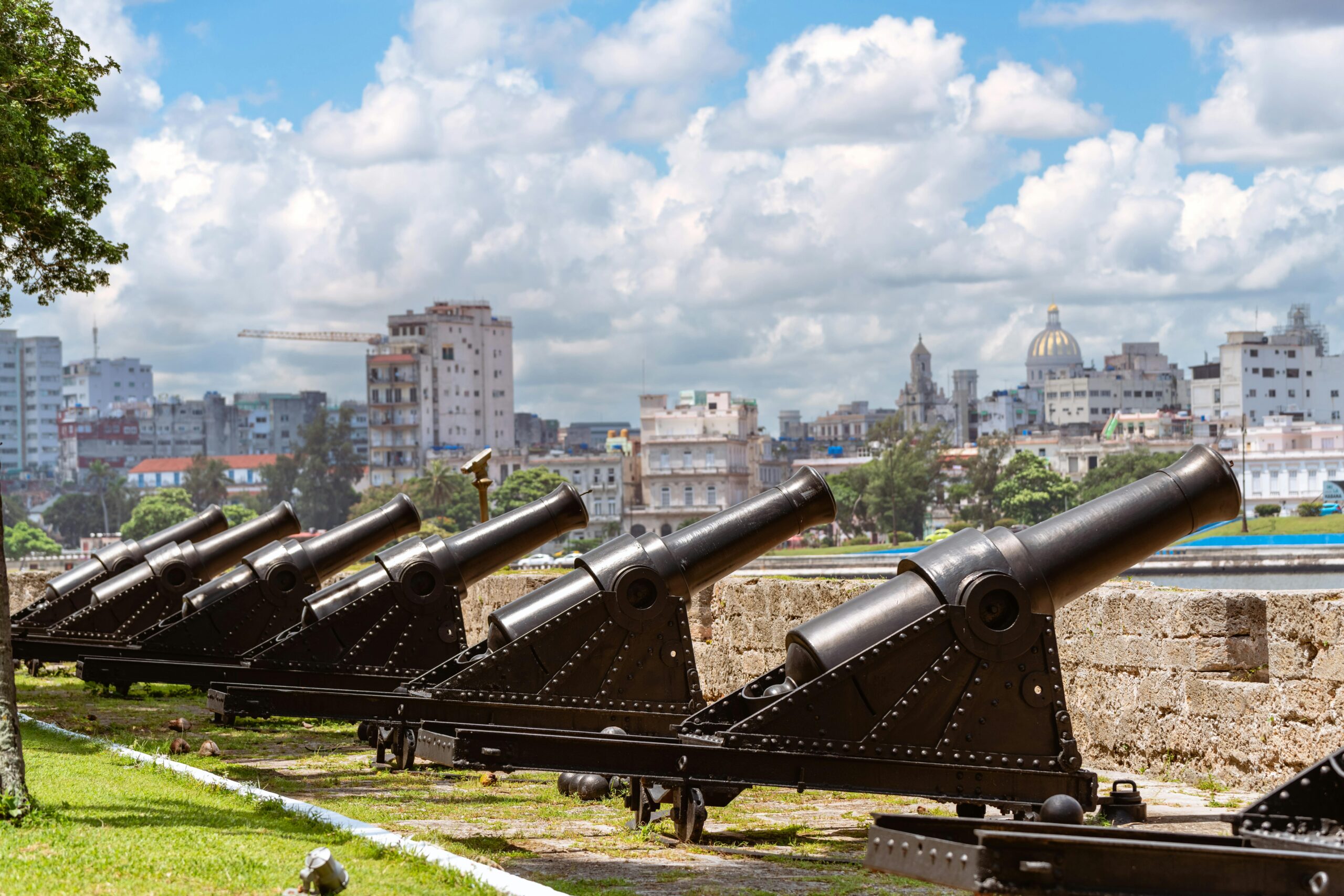
Cuba’s tourism sector — long seen as one of its key economic lifelines — has undergone a dramatic transformation. What once promised an influx of foreign currency and a soft landing amid economic strain has become a symbol of mismanagement, opacity, and political entrenchment. Central to this story is the military’s takeover of the tourism industry, which critics argue has contributed to Cuba’s broader economic crisis, diverting resources away from ordinary citizens’ needs and deepening poverty across the island.
The Rise of Military Control in Cuba’s Economy
Over the past two decades, the Cuban military — particularly through a secretive conglomerate known as GAESA (Grupo de Administración Empresarial S.A.) — has expanded its influence beyond defense into virtually every key economic sector, including tourism. GAESA and its subsidiaries have increasingly become the dominant players in industries that generate hard currency, a critical lifeline for Cuba’s economy due to chronic shortages of foreign exchange.
Analysts estimate that GAESA controls more than 70% of Cuba’s economy and around 95% of its access to foreign currency, making the armed forces effectively a state within a state. This shift accelerated after the collapse of support from the Soviet Union in the early 1990s and deepened further after the United States began easing travel restrictions during the Obama administration — ironically increasing the military’s grip on tourism revenues.
GAESA’s Grip on Tourism
Today, the military controls a web of tourism‑related enterprises, most notably Gaviota, the largest hotel operator in Cuba, and several commerce and service companies. Gaviota alone manages an estimated 55% of all hotel rooms on the island.
While Cuba invested more than $24 billion in tourism infrastructure over the past 15 years, the industry is now in severe decline — with key indicators such as hotel occupancy and tourist arrivals falling sharply. For example, tourism revenues fell by over 60% in the five years leading up to 2024, with occupancy rates as low as 25% amid infrastructure decay and a broader economic crunch.
Opaque Finances and Uneven Priorities
Despite ongoing crises — including severe shortages of medicines, food insecurity, and prolonged power outages — leaked financial documents suggest that GAESA and its affiliates have amassed billions of dollars in foreign currency reserves, possibly more than the central government itself.
For example, one internal accounting leak shows that Gaviota was holding billions in bank accounts, at one point showing deposits of $8.5 billion and retaining a large portion of hard currency rather than investing in vital sectors such as healthcare or agriculture. Economists describe GAESA as operating like a parallel government with far greater access to dollars and economic levers than civilian ministries.
Critics argue that this financial strategy — hoarding foreign currency in military‑controlled hands while critical sectors suffer — has exacerbated inflation, fueled shortages, and eroded public trust.
Tourism Sector Decline and Structural Problems
There are several key reasons tourism now struggles:
1. Infrastructure Crisis and Service Failures
Chronic energy shortages and prolonged power outages affect hotels and tourist facilities, eroding visitor comfort and satisfaction.
2. Competition from Other Caribbean Destinations
While rivals like the Dominican Republic attract record visitor numbers, Cuba’s share has dwindled, partly due to its outdated offerings and service quality issues.
3. U.S. Travel Restrictions
Shifts in U.S. policy — including renewed bans on tourism to Cuba and heightened scrutiny of transactions with military‑controlled entities — have discouraged one of its potentially largest markets.
4. Misallocation of Investment
Even as tourism falters, military‑controlled entities continue to invest in luxury hotel projects that remain underutilized — often at the expense of investment in agriculture, healthcare, or essential infrastructure.
Historical Roots of the Tourism Strategy
Cuba’s reliance on tourism dates back long before the military’s dominance, with the sector historically playing a significant role in foreign exchange earnings. The resort town of Varadero, for example, has attracted tourists since the early 20th century and remains one of the island’s most prominent destinations.
However, under socialist governance following the 1959 revolution, state control of the economy expanded — first in centralized agricultural and industrial sectors, later through military involvement in commerce and services.
The pivot toward tourism intensified after the end of Soviet support in the 1990s (known as the “Special Period”), when the need for foreign exchange led the government to promote tourism as an economic engine. What began as economic pragmatism eventually morphed into political entrenchment, with the military playing an ever‑increasing role in sectors once open to civilian leadership.
Consequences for Ordinary Cubans
While the military and its business network consolidate power and foreign exchange reserves, many ordinary Cubans face worsening living conditions:
- Shortages of basic goods: Medicine and food supplies remain scarce as resources are diverted or hoarded.
- Economic stagnation: Key productive sectors like agriculture and manufacturing are underinvested relative to tourism.
- Outmigration: Thousands of Cubans have emigrated in recent years, driven by scarcity of opportunity and quality of life concerns.
Frequently Asked Questions (FAQs)
1. Why did Cuba’s military take over tourism?
Cuba’s military expanded its role into tourism to control foreign exchange earnings, centralize hard currency management, and ensure that strategic economic sectors were under the regime’s direct influence. This was compounded by post‑Soviet economic pressures and shifts in U.S.–Cuba travel policies.
2. What is GAESA?
GAESA (Grupo de Administración Empresarial S.A.) is a military‑controlled conglomerate that oversees major parts of Cuba’s economy, especially tourism, banking, and foreign trade. It operates with minimal transparency and outsized influence.
3. Has tourism in Cuba collapsed?
Tourism has significantly declined in recent years, with visitor numbers and revenues falling sharply compared to pre‑pandemic levels. Issues like power outages, service quality, and international competition have compounded the downturn.
4. Do normal Cubans benefit from tourism?
Ordinary Cubans often see limited benefits from tourism because much of the revenue is controlled by military enterprises like GAESA rather than being distributed broadly through the economy.
5. Could Cuba reform tourism to help the economy?
Experts suggest that greater transparency, civilian oversight of tourism revenues, diversification of investment into other sectors, and improved infrastructure could make tourism more beneficial to the broader population — but this would require significant political and structural changes.
Conclusion
Cuba’s tourism sector is at a crossroads. Once viewed as a potential lifeline bringing foreign exchange and economic growth, it has become entangled in opaque military control that critics argue has worsened the nation’s economic collapse. The dominance of GAESA and its subsidiaries illustrates how political priorities and power structures can shape — and in some cases, distort — economic outcomes. For ordinary Cubans, the promise of prosperity from tourism remains largely unfulfilled.
Sources Miami Herald

