

Travel is full of excitement—but it’s also full of unknowns. Whether you’re backpacking in the Himalayas or road-tripping through the American South, a properly packed first-aid kit can turn a trip-saving tool into a potential lifesaver. While many travelers know they should bring one, they’re often unsure of what to include, how to tailor it to their trip, and what can be left behind. Here’s a comprehensive, practical guide to packing a travel first-aid kit that’s smart, lightweight, and ready for real-world emergencies.
Essentials for Any Trip
Regardless of destination, every travel first-aid kit should contain the following items:
1. Wound Care
- Sterile adhesive bandages (various sizes)
- Gauze pads and medical tape
- Antiseptic wipes or spray (alcohol-free options for kids)
- Antibiotic ointment (e.g., Neosporin)
- Tweezers (for splinters or ticks)
- Small scissors (rounded tip, TSA-compliant if flying carry-on)
2. Medications
- Pain relievers: ibuprofen or acetaminophen
- Antihistamines: for allergies or bites
- Anti-diarrheal: loperamide or bismuth subsalicylate
- Motion sickness: meclizine or dimenhydrinate
- Antacids
- Electrolyte tablets or oral rehydration salts
3. Other Essentials
- Thermometer (digital is best)
- Disposable gloves
- Face masks (especially post-COVID)
- Hand sanitizer (small bottle)
- Safety pins and cotton swabs
- First-aid manual or card with basic instructions
Optional but Useful Add-ons
If you have space and are venturing into less-developed areas or outdoor settings:
- Tick remover tool
- Burn gel or cream
- Hydrocortisone cream for rashes or itching
- Instant cold pack
- Moleskin or blister pads
- Suture strips (like Steri-Strips) for closing deeper wounds temporarily
Special Considerations
For Children:
- Age-appropriate pain relief (e.g., liquid ibuprofen)
- Child-sized masks
- Saline nasal spray
- Teething gel (for infants)
For International Travel:
- A course of broad-spectrum antibiotics (if prescribed by your doctor)
- Mosquito repellent (with DEET or picaridin)
- Malaria medication, if recommended for your destination
- Travel insurance details and emergency contacts
- Copies of any prescriptions, both digital and paper
What NOT to Bring
Avoid overloading your kit with:
- Full-size bottles of liquid medication
- Multiple duplicates of items
- Tools you don’t know how to use (e.g., suturing kits)
- Expired meds or ointments
How to Pack It
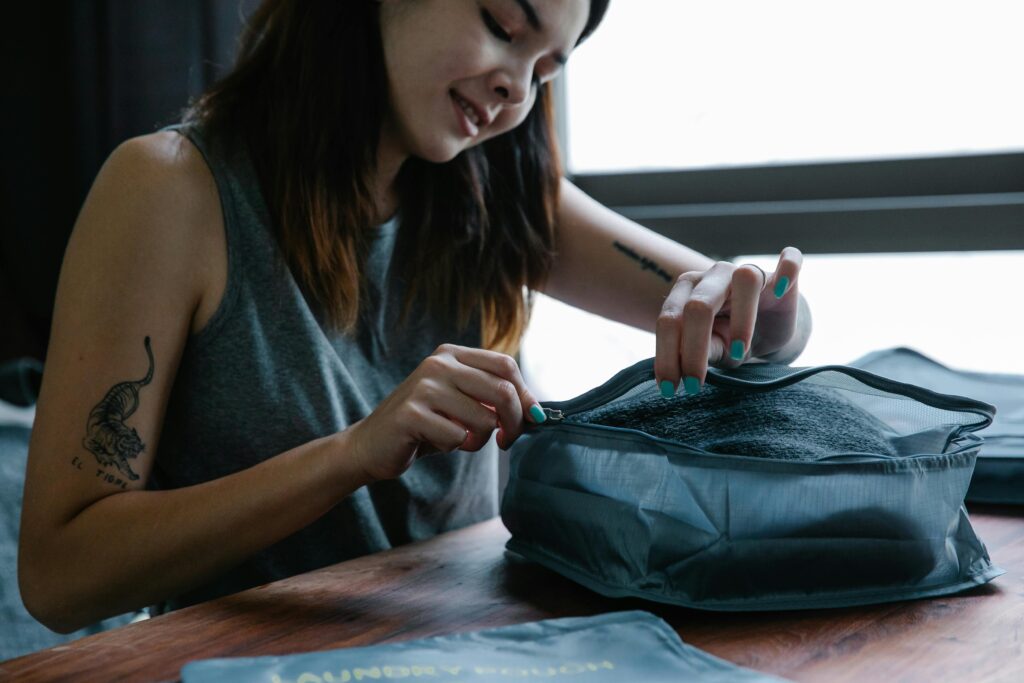
- Container: Use a zippered pouch, waterproof case, or compact toiletry bag with compartments.
- Label everything: Especially if others may use your kit.
- Check regularly: Refill and replace expired or used items after every trip.
Conclusion
A travel first-aid kit doesn’t need to be fancy—it just needs to be ready. Think of it as part of your travel armor: often ignored, occasionally used, but invaluable when things go wrong. With thoughtful planning, you’ll be ready to handle minor mishaps and keep your trip on track—wherever the road (or air) may take you.
Frequently Asked Questions (FAQs)
Q1: Can I bring a first-aid kit in my carry-on luggage?
Yes, but avoid scissors with blades over 4 inches and large liquid medications over 3.4 oz unless medically necessary and declared.
Q2: How do I store prescription medications while traveling?
Keep them in original containers with labels. Carry a written prescription and a digital copy, especially for international trips.
Q3: Should I customize my kit based on destination?
Absolutely. A trip to a rural jungle, ski resort, or urban city each presents different health risks. Research beforehand and pack accordingly.
Sources The New York Times

