

Spain has long been one of the world’s most popular tourist destinations, attracting millions of international visitors every year with its sunny climate, rich cultural heritage, Mediterranean coastline, and vibrant cities. Tourism has become one of the country’s most important economic engines, generating billions of euros in revenue and supporting millions of jobs.
However, the rapid growth of tourism has also created unintended consequences. A growing body of research suggests that increasing tourist demand—particularly through short-term vacation rentals—is contributing to rising housing costs for local residents. According to a recent study, tourism has increased the average price of a home in Spain by approximately €3,800, highlighting the growing tension between economic growth and housing affordability.
As cities struggle to balance the benefits of tourism with the needs of residents, Spain has become a leading example of the global debate over sustainable tourism and affordable housing.
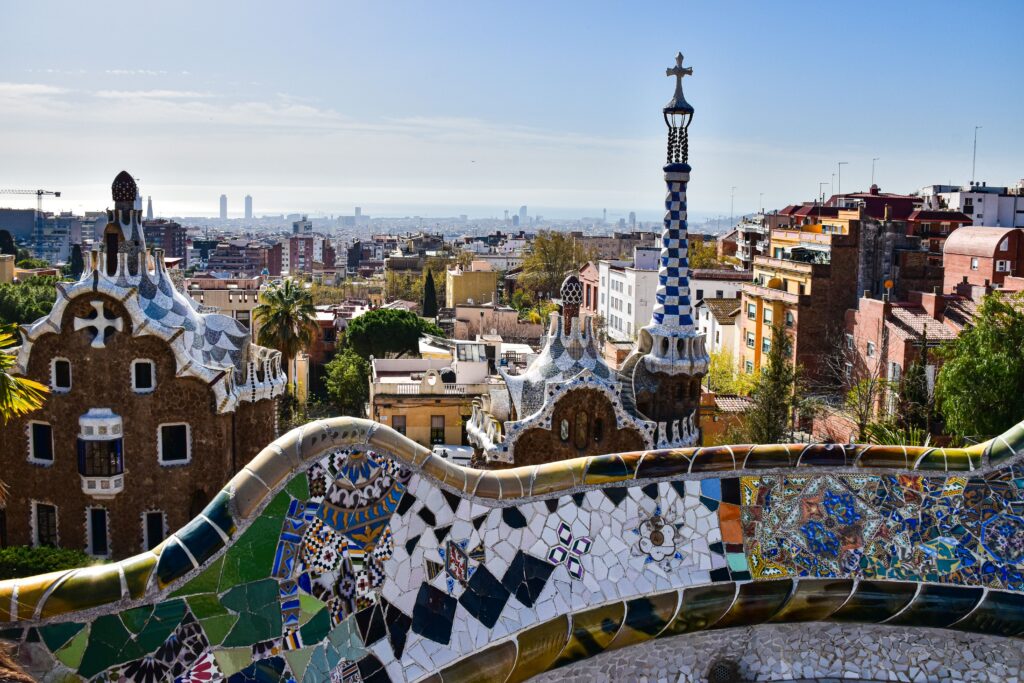
Why Tourism Affects Housing Prices
Tourism influences housing markets through several interconnected mechanisms.
Growth of Short-Term Rentals
One of the biggest factors is the expansion of short-term rental platforms.
Many property owners earn higher returns by renting homes to tourists rather than offering long-term leases to local residents.
As more housing shifts toward vacation rentals:
- Long-term rental supply decreases.
- Competition for available housing increases.
- Rental prices rise.
- Property values often increase.
This is particularly noticeable in neighborhoods popular with tourists.
Spain’s Tourism Boom
Spain consistently ranks among the world’s most visited countries.
Major attractions include:
- Barcelona
- Madrid
- Seville
- Valencia
- Málaga
- Alicante
- Granada
- Palma de Mallorca
- Ibiza
- Canary Islands
Millions of visitors arrive annually for:
- Beach holidays
- Cultural tourism
- Business travel
- Festivals
- Gastronomy
- Sports events
- Cruise tourism
While tourism contributes significantly to national income, the concentration of visitors in certain cities has intensified pressure on local housing markets.
The Role of Short-Term Rental Platforms
Digital accommodation platforms have transformed the tourism industry.
They allow homeowners to:
- Rent spare rooms.
- Offer entire apartments.
- Manage bookings online.
- Reach international guests.
- Adjust prices dynamically.
Although these platforms create new income opportunities, critics argue that they encourage investors to purchase residential properties primarily for tourism rather than permanent housing.
In some neighborhoods, entire apartment buildings have gradually shifted from residential use to tourist accommodation.
Why Housing Affordability Matters
Housing affordability affects far more than home ownership.
Higher housing costs can lead to:
- Rising rents.
- Longer commuting distances.
- Delayed home purchases.
- Population displacement.
- Reduced disposable income.
- Increased social inequality.
Young adults, lower-income households, and essential workers are often among the groups most affected.
The Impact on Local Communities
Residents in heavily visited cities have reported several concerns.
These include:
- Fewer long-term rental properties.
- More seasonal housing.
- Increased neighborhood turnover.
- Noise and overcrowding.
- Rising living expenses.
- Changing community character.
Some long-term residents have chosen to relocate because they can no longer afford housing in central districts.
Economic Benefits of Tourism
Despite these challenges, tourism remains vital to Spain’s economy.
The industry supports:
- Hotels
- Restaurants
- Transportation
- Retail businesses
- Cultural attractions
- Entertainment venues
- Tour operators
- Local artisans
Tourism also generates significant tax revenue that helps fund public services and infrastructure.
The challenge lies in maximizing these benefits while minimizing unintended social consequences.
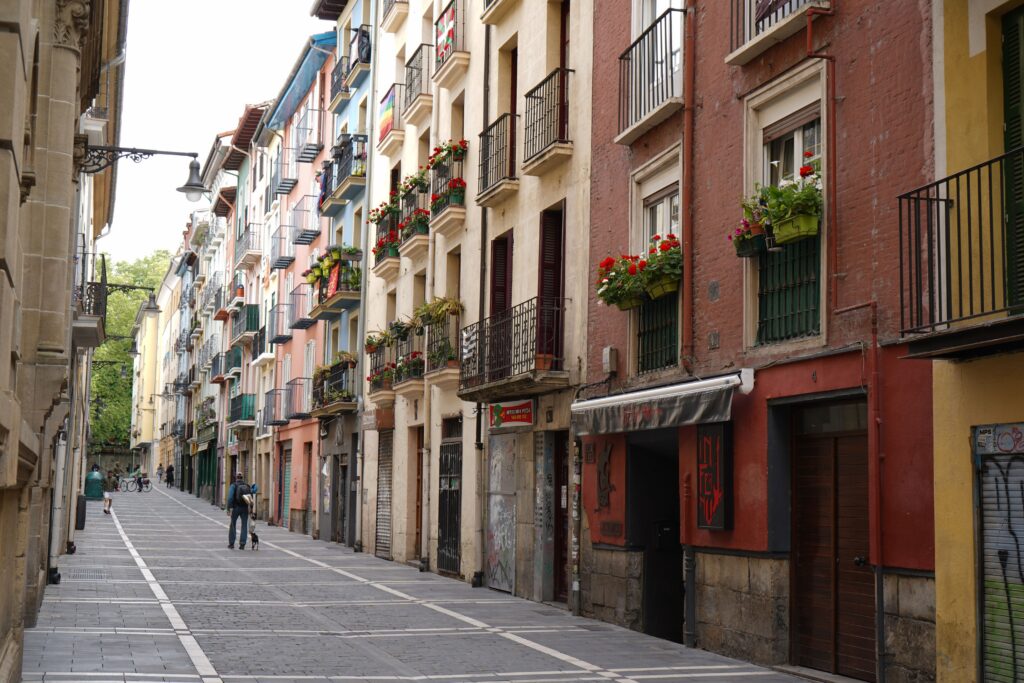
Overtourism and Urban Pressure
Popular destinations increasingly face overtourism.
This occurs when visitor numbers exceed what local infrastructure and communities can comfortably accommodate.
Consequences include:
- Congested public transport.
- Crowded public spaces.
- Pressure on public services.
- Environmental degradation.
- Housing shortages.
- Increased living costs.
Cities across Europe are exploring strategies to distribute visitors more evenly throughout the year and across different regions.
Government Responses
Spanish authorities at national, regional, and municipal levels have introduced various measures.
These include:
Licensing Requirements
Many cities require short-term rental operators to obtain official licenses.
Limits on New Tourist Rentals
Some municipalities have restricted or paused approvals for additional vacation rentals.
Tourist Taxes
Several regions charge tourism taxes that help fund infrastructure and environmental conservation.
Stronger Enforcement
Authorities are increasing inspections to identify unlicensed accommodations.
Data Sharing
Governments are requiring booking platforms to share property information to improve regulatory compliance.
How Other Countries Face Similar Challenges
Spain is not alone.
Many tourist destinations have introduced regulations aimed at balancing tourism with housing needs.
Examples include:
- Portugal
- Italy
- France
- Netherlands
- Greece
- Canada
- Australia
Policies vary but often include restrictions on short-term rentals, licensing systems, taxation, or limits on the number of rental days each year.
Investors and Property Markets
Tourism can also attract domestic and international investors seeking profitable real estate opportunities.
Investment may contribute to:
- Property renovation.
- Urban regeneration.
- Increased construction.
- Higher market values.
However, excessive speculative investment may further reduce housing affordability if residential properties become primarily investment assets rather than homes.
Technology’s Role
Modern booking platforms use artificial intelligence and data analytics to optimize:
- Pricing.
- Occupancy.
- Marketing.
- Guest recommendations.
- Fraud prevention.
These technologies have made short-term rentals easier to manage and more profitable, accelerating market growth.
At the same time, governments increasingly use data analytics to monitor compliance and identify illegal listings.
Sustainable Tourism as a Long-Term Goal
Many tourism experts advocate policies that balance economic development with community well-being.
Possible strategies include:
- Encouraging year-round tourism.
- Promoting lesser-known destinations.
- Supporting affordable housing construction.
- Strengthening rental regulations.
- Investing tourism revenue in local communities.
- Improving public transportation.
The objective is to create tourism that benefits both visitors and residents.
What Travelers Can Do
Individual travelers also play a role in promoting responsible tourism.
Visitors can:
- Choose licensed accommodations.
- Respect local neighborhoods.
- Support locally owned businesses.
- Travel during off-peak seasons.
- Explore destinations beyond major tourist centers.
- Follow local regulations.
Responsible travel helps reduce pressure on communities while supporting sustainable economic development.
Looking Ahead
Spain’s housing debate is likely to continue as tourism remains strong.
Population growth, urbanization, remote work, and international investment are expected to place additional pressure on housing markets in coming years.
Future policy discussions will likely focus on finding a balance between:
- Economic growth.
- Housing affordability.
- Tourism competitiveness.
- Community sustainability.
- Environmental responsibility.
The solutions will require cooperation among governments, businesses, residents, and travelers alike.
Conclusion
Tourism has brought enormous economic benefits to Spain, helping make it one of the world’s leading travel destinations. Yet the same industry that supports jobs and local businesses is also contributing to rising housing costs in many communities, particularly where short-term rentals have expanded rapidly.
The estimated €3,800 increase in average home prices linked to tourism underscores the complex relationship between visitor demand and housing affordability. While tourism itself is not the sole cause of Spain’s housing challenges, it has become an increasingly important factor alongside limited housing supply, investment trends, and demographic changes.
Moving forward, effective regulation, sustainable tourism practices, and expanded housing policies will be essential to ensuring that Spain remains both an attractive destination for visitors and an affordable place for residents to live.
Frequently Asked Questions (FAQs)
1. Why does tourism increase housing prices?
Tourism encourages more properties to be used as short-term vacation rentals instead of long-term housing. This reduces available housing supply and can increase both rents and property prices.
2. Are short-term rental platforms solely responsible for Spain’s housing crisis?
No. Housing affordability is influenced by multiple factors, including limited housing construction, population growth, investment demand, interest rates, urbanization, and tourism.
3. Which areas of Spain are most affected?
Popular tourist destinations such as Barcelona, Madrid, the Balearic Islands, the Canary Islands, Málaga, Valencia, and other major coastal cities have experienced some of the greatest housing pressures.
4. What is Spain doing to address the problem?
Authorities are introducing licensing requirements, limiting new tourist rentals in some areas, improving enforcement against illegal listings, increasing data transparency, and expanding housing policy initiatives.
5. Can tourism and affordable housing coexist?
Yes. Many experts believe balanced policies—including sustainable tourism strategies, responsible regulation, increased housing supply, and community investment—can allow tourism to continue supporting economic growth while protecting residents’ access to affordable housing.
Sources Euro News

