
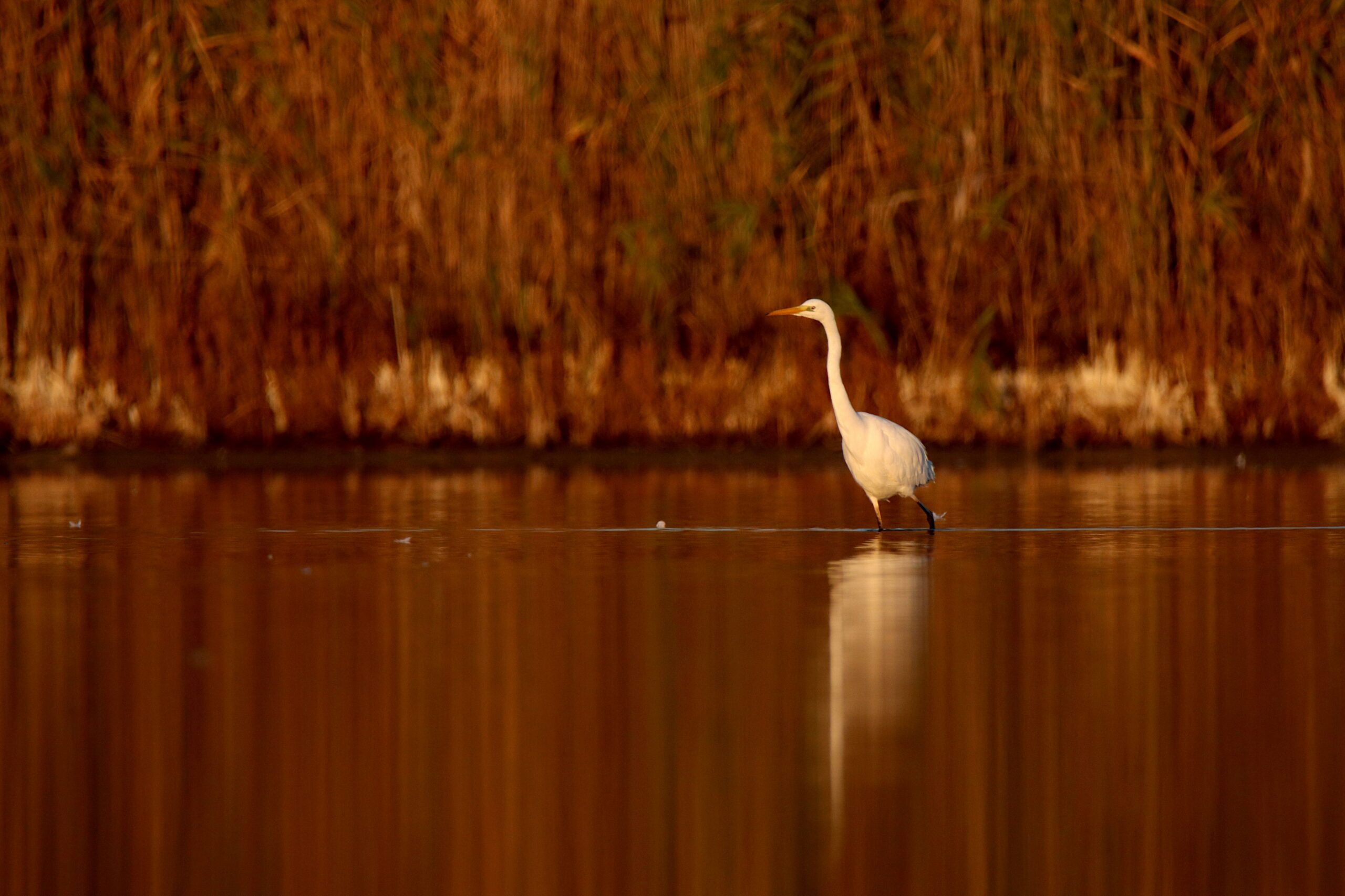
Just 50 kilometers southwest of Budapest lies Lake Velence, one of Hungary’s most beloved holiday destinations. For generations, families have flocked to its shallow waters, birdwatchers have explored its wetlands, and local businesses have depended on the steady flow of summer tourists.
Today, however, the lake is facing an alarming crisis.
Years of rising temperatures, recurring droughts, declining rainfall, and increasing evaporation have dramatically reduced water levels, threatening not only tourism revenues but also the delicate ecosystems that make the lake unique. Environmental experts warn that Lake Velence may be becoming one of Europe’s most visible examples of how climate change is reshaping freshwater resources.
What is happening in Hungary is not merely a local environmental issue. It is part of a much broader global trend affecting lakes, rivers, wetlands, and water-dependent communities across the world.
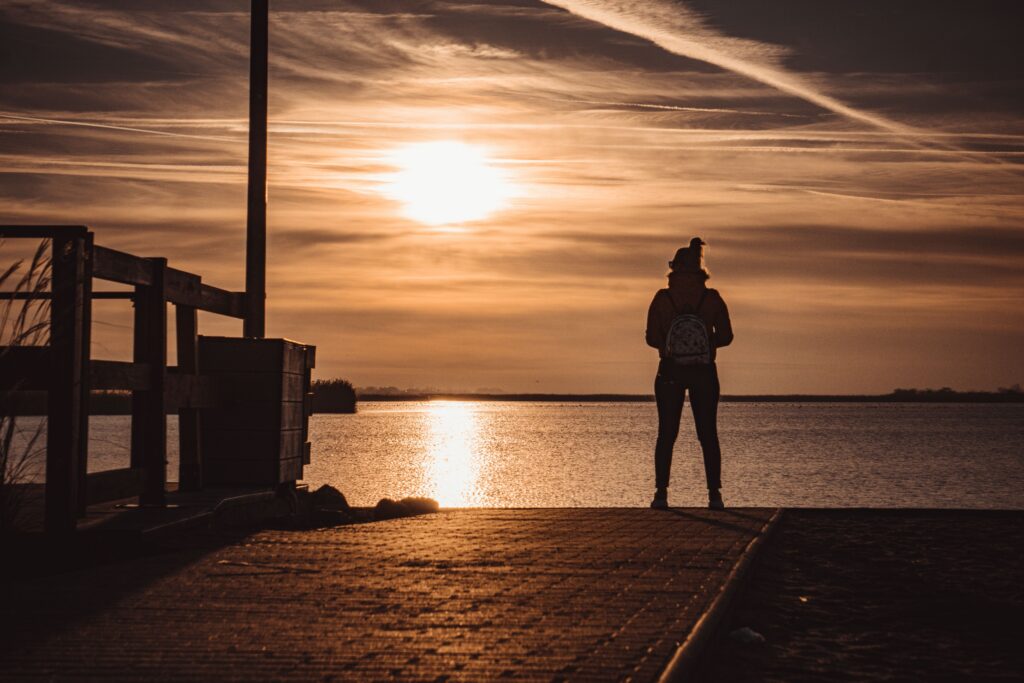
Why Lake Velence Matters
Lake Velence is Hungary’s third-largest natural lake, after the famous Lake Balaton and Lake Tisza.
Unlike deeper lakes, Velence is relatively shallow, with an average depth of roughly 1.5 meters. This characteristic has historically made it attractive for recreation because its waters warm quickly during the summer months.
The lake serves several important functions:
- Tourism and recreation
- Wildlife habitat
- Bird migration support
- Local economic activity
- Water regulation
- Environmental education
Its proximity to Budapest has made it a popular destination for weekend travelers seeking an alternative to larger and more crowded tourist locations.
The Drying Crisis: What Is Happening?
Recent years have brought increasingly severe drought conditions to Hungary and much of Central Europe.
Lake Velence’s water levels have fluctuated dramatically, with some areas shrinking to levels not seen in decades. During periods of extreme heat, large sections of shoreline become exposed, while some shallow zones experience significant reductions in water depth.
Several factors are contributing to the problem:
Rising Temperatures
Central Europe is warming faster than many historical climate models predicted.
Higher temperatures increase evaporation rates, especially in shallow lakes like Velence.
Reduced Rainfall
Although annual rainfall patterns vary, prolonged dry periods have become more frequent.
Even when rainfall does occur, it often arrives in short, intense events that are less effective at replenishing groundwater and lake systems.
Increased Evaporation
Scientists estimate that evaporation losses have risen substantially due to hotter summers and longer heatwaves.
Shallow lakes are particularly vulnerable because they possess large surface areas relative to their water volume.
Water Management Challenges
Human intervention, agricultural demand, drainage systems, and regional water-management decisions can influence how quickly lakes recover from drought conditions.
Climate Change and Europe’s Vanishing Lakes
Lake Velence is not alone.
Across Europe, scientists are observing troubling trends in freshwater ecosystems.
Several lakes and wetlands have experienced declining water levels due to:
- Higher average temperatures
- More frequent droughts
- Changing precipitation patterns
- Increased water demand
- Land-use changes
Examples can be found in:
- Spain
- Italy
- France
- Germany
- Romania
- Greece
Climate researchers increasingly warn that water scarcity may become one of Europe’s defining environmental challenges during the coming decades.
Tourism Businesses Feel the Impact
Tourism has long been one of Lake Velence’s economic engines.
The lake supports:
- Hotels
- Guesthouses
- Restaurants
- Beach operators
- Boat rentals
- Recreational sports providers
- Local retailers
When water levels fall, the visitor experience changes dramatically.
Tourists may encounter:
- Muddy shorelines
- Reduced swimming areas
- Limited boating opportunities
- Less attractive scenery
- Restrictions on water activities
For businesses that depend heavily on summer tourism, declining visitor numbers can create serious financial strain.
Local entrepreneurs often face difficult decisions regarding investment, staffing, and long-term planning when environmental conditions become increasingly unpredictable.
Wildlife Faces an Equally Serious Threat
While tourism losses receive significant attention, environmental experts argue that biodiversity impacts may be even more concerning.
Lake Velence is an important habitat for numerous species.
Its wetlands support:
- Migratory birds
- Waterfowl
- Fish populations
- Amphibians
- Aquatic plants
- Insects critical to ecosystem health
As water levels decline, habitats shrink.
This can result in:
- Reduced breeding areas
- Increased competition for resources
- Higher water temperatures
- Lower oxygen levels
- Greater vulnerability to disease
Migratory birds are particularly sensitive because many species rely on specific wetlands during seasonal journeys across Europe and Africa.
The Hidden Danger of Algal Blooms
One often-overlooked consequence of shrinking lakes is the increased risk of algal blooms.
When water becomes warmer and shallower:
- Nutrient concentrations rise
- Oxygen levels may decrease
- Harmful algae can proliferate
These blooms can damage aquatic ecosystems and further reduce the lake’s appeal to tourists.
In extreme cases, algal outbreaks can cause fish die-offs and create health concerns for recreational users.
Economic Consequences Beyond Tourism
The lake’s decline affects more than vacationers.
Water shortages can influence:
- Property values
- Local employment
- Municipal revenue
- Agricultural productivity
- Infrastructure planning
Communities surrounding the lake may face increasing costs associated with environmental management and adaptation measures.
The economic ripple effects often extend well beyond the immediate shoreline.
Can Lake Velence Be Saved?
Experts generally agree that no single solution exists.
A successful strategy will likely require a combination of approaches.
Improved Water Management
Authorities may need to evaluate water allocation systems and regional watershed management policies.
Wetland Restoration
Healthy wetlands can improve water retention and help stabilize ecosystems during drought periods.
Climate Adaptation Measures
Communities may need to redesign infrastructure and tourism models to account for changing environmental conditions.
Scientific Monitoring
Continuous monitoring allows policymakers to identify problems earlier and respond more effectively.
Regional Cooperation
Because climate and water systems cross administrative boundaries, cooperation among local, regional, and national authorities is essential.
Lessons for the Rest of Europe
Lake Velence serves as a warning about the future many freshwater ecosystems may face.
Historically, Europeans often viewed water scarcity as a challenge associated primarily with arid regions elsewhere in the world.
That assumption is increasingly being challenged.
Climate scientists now warn that:
- Heatwaves are becoming more frequent.
- Droughts are becoming more severe.
- Freshwater resources are becoming less predictable.
- Ecosystems are becoming more vulnerable.
The situation at Lake Velence demonstrates how environmental change can simultaneously affect nature, tourism, local economies, and community identity.
A Symbol of a Larger Climate Challenge
For many Hungarians, Lake Velence is more than a body of water.
It represents childhood memories, local traditions, family vacations, and a connection to nature.
Its struggle highlights a broader reality confronting communities around the globe: climate change is no longer a distant future concern. It is increasingly visible in landscapes that people know and love.
Whether Lake Velence can recover will depend on weather patterns, policy decisions, conservation efforts, and long-term climate adaptation strategies. Regardless of the outcome, the lake has already become a powerful symbol of the environmental challenges that lie ahead for Europe and the world.
Frequently Asked Questions (FAQs)
1. Why is Lake Velence drying up?
The primary causes include rising temperatures, prolonged droughts, reduced rainfall, increased evaporation, and broader climate-related environmental changes affecting Central Europe.
2. How important is Lake Velence to Hungary?
Lake Velence is Hungary’s third-largest natural lake and an important destination for tourism, recreation, wildlife conservation, and local economic activity.
3. How does climate change affect shallow lakes more severely?
Shallow lakes have relatively large surface areas compared to their water volume, making them more vulnerable to evaporation during heatwaves and drought conditions.
4. What wildlife is affected by declining water levels?
Many species depend on the lake, including migratory birds, fish, amphibians, aquatic plants, and wetland-dependent wildlife that rely on stable water conditions.
5. Can Lake Velence recover?
Recovery is possible, particularly if wetter weather patterns return and effective water-management and conservation measures are implemented. However, long-term climate adaptation will likely be necessary to improve resilience against future droughts.
Sources Reuters

