
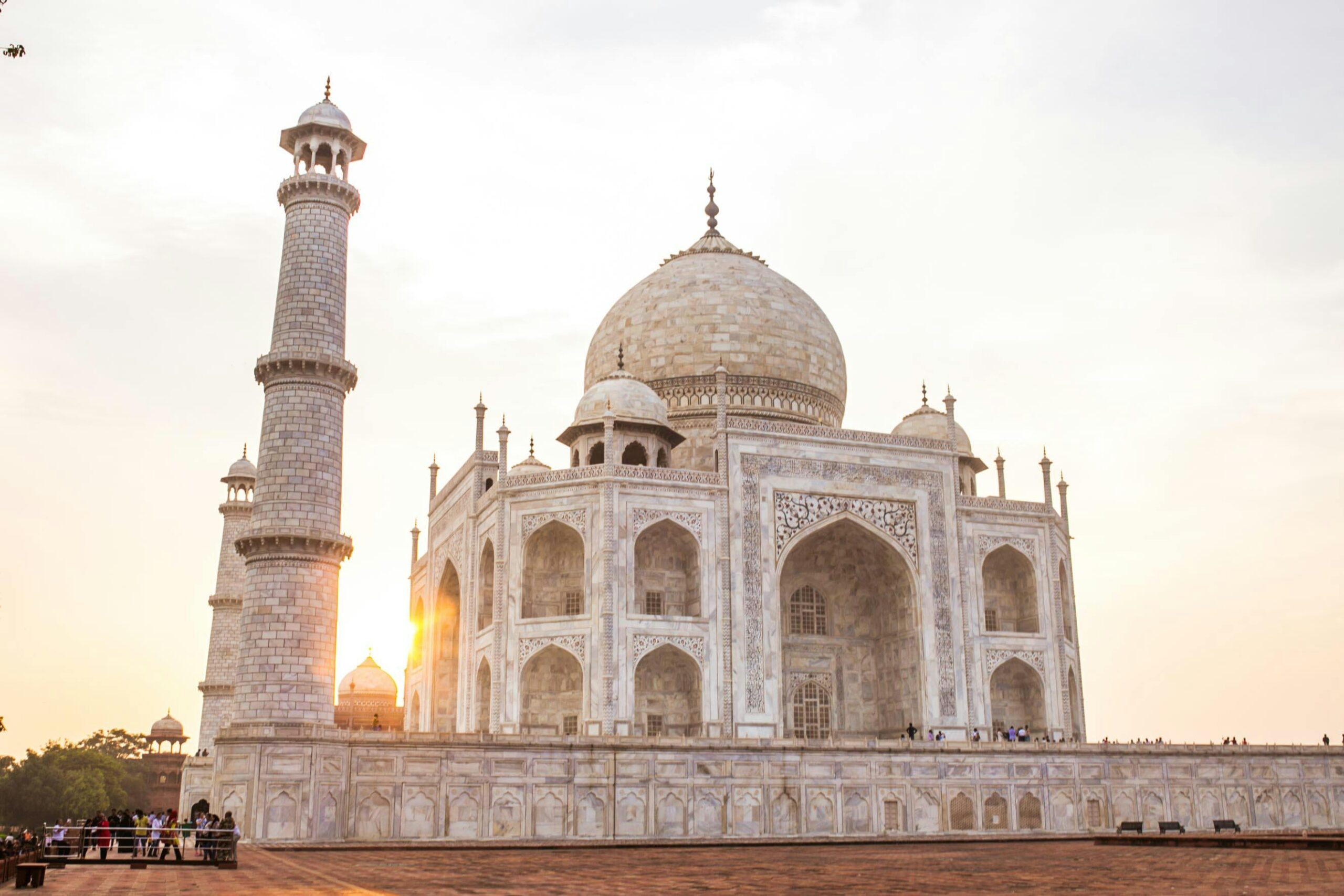
India’s tourism sector has long been touted as having enormous potential: iconic heritage, varied landscapes, spiritual destinations, biodiversity, cultural depth, and a rapidly rising middle class. But the country is now confronting serious headwinds as other destinations become more aggressive, attractive, and efficient.
Below is a more comprehensive view: the strengths India still has, the friction points building up, strategies it’s exploring, and the risks it must manage going forward.
India’s Tourism Landscape: Recent Momentum & Core Strengths
- Growth before pressures: After the pandemic, both domestic and international tourist numbers rebounded.
- Domestic tourism dominance: The majority of footfall and revenue currently comes from domestic travelers, offering stability.
- Ambitious forecasts: The tourism and hospitality industry is projected to generate sizable revenue by 2028, with foreign tourist arrivals aiming for ~30 million.
- Emerging outbound base: India’s middle class is increasingly traveling abroad, which both competes with inbound demand and raises expectations of international standards.
- Government ambition & funding: Large allocations are being made to boost infrastructure, skills, and destination development.
- Enabled travel improvements: India has improved its standing in global rankings on enabling travel and tourism.
The Emerging Headwinds & Challenges
1. Perception, Price & Value Imbalance
- Hidden costs, visa fees, and premium charges create perceptions of India being expensive.
- Pollution, congestion, and sanitation issues deter some travelers.
- Safety and security concerns remain a reputational risk.
2. Infrastructure & Connectivity Constraints
- Secondary destinations often lack strong air links.
- Poor roads and limited last-mile connectivity make access difficult.
- Hospitality supply is uneven outside major hubs.
- Digital tourism services are not consistently available.
3. Branding, Marketing & Positioning
- India’s diversity is both an asset and a challenge — global messaging often defaults to the Taj Mahal or spiritual journeys.
- Rivals like Thailand, Vietnam, Turkey, and the UAE run sharper, more targeted campaigns.
- Despite e-Visa improvements, many competitors now offer easier or visa-free access.
4. Dependence on Domestic Travel & Seasonality
- Many destinations are overcrowded during peak season, underutilized off-season.
- Regional dependence on pilgrim or heritage circuits creates vulnerabilities.
5. Global Shocks & External Risks
- Tourism flows are vulnerable to global economic downturns, energy prices, or geopolitical tensions.
- Outbound patterns are shifting, with Indian travelers drawn abroad by affordability and ease.
6. Policy, Governance & Coordination Gaps
- Fragmentation across ministries slows decision-making.
- Enforcement of standards and sustainability varies by state.
- Some areas face environmental degradation or community pushback.
What India Can (and Is Trying to) Do
A. Focused Destination Investments
- Develop 50 priority tourist destinations.
- Upgrade religious circuits, eco-tourism sites, coastal belts, and hill stations.
- Promote tourism corridors linking states for longer stays.
B. Better Connectivity
- Expand regional and budget airline links.
- Improve road, rail, and last-mile connections.
- Promote sustainable, multimodal transport options.
C. Marketing & Rebranding
- Go beyond heritage to push wellness, gastronomy, adventure, and rural tourism.
- Run destination-specific global campaigns.
- Leverage social media, influencers, and digital platforms more effectively.
D. Improve Service & Standards
- Upskill the hospitality workforce.
- Standardize hygiene, service, and accreditation.
- Foster public-private partnerships to raise quality.
E. Sustainable Tourism
- Cap visitors at fragile sites and regulate flows.
- Promote off-peak travel and dispersed itineraries.
- Invest in eco-friendly infrastructure for waste, water, and energy.
F. Policy Reforms
- Strengthen oversight and visitor data systems.
- Simplify visa processes further.
- Incentivize sustainable and luxury tourism investments.
- Improve safety protocols and traveler support.
Risks & Potential Trade-Offs
- Overdevelopment vs authenticity: Excessive commercialization could harm cultural or natural assets.
- Unequal benefit distribution: Gains may flow to a few states or large operators.
- Financial risks: Infrastructure projects must be planned for sustainable ROI.
- Community resistance: Locals may oppose tourism growth if quality of life declines.
- Brand risks: Overcrowding, safety incidents, or poor service can quickly damage India’s reputation.
Frequently Asked Questions
| Question | Answer |
|---|---|
| Why is India struggling compared to Southeast Asia? | Rivals often provide better infrastructure, affordability, branding, and easier entry for visitors. |
| Is inbound tourism still growing? | Yes, but more slowly than domestic tourism, and India’s global share remains modest. |
| What role does outbound tourism play? | It reflects rising prosperity but also competes with inbound demand, as Indians spend abroad. |
| Which states are performing better? | Kerala, Rajasthan, Goa, Tamil Nadu, Uttarakhand, and Himalayan states lead in tourism appeal. |
| Is infrastructure adequate? | Major gaps remain in connectivity, last-mile access, and consistent hospitality quality. |
| Can India attract premium tourists? | Yes, through luxury experiences, wellness, and curated cultural itineraries. |
| What is the average spend per tourist? | Lower than many competitors, suggesting India must improve experiences and services to capture more value. |
| How serious are safety concerns? | While millions travel safely, high-profile incidents or advisories have a large reputational effect. |
| Is domestic demand enough? | Domestic travel sustains volume, but inbound tourism is vital for foreign exchange and positioning. |
| What’s the turnaround timeline? | Short-term fixes (3–5 years) are possible, but structural transformation will take at least a decade. |
Final Thoughts
India’s tourism sector is at a crossroads. It has enviable natural, cultural, and historical riches but faces sharper competition from nimble destinations that deliver greater ease, quality, and value.
The next decade must focus on strategic investment, global branding, and service improvements — while protecting the authenticity and sustainability of India’s tourism experiences. If it succeeds, India can not only grow numbers but also build a more resilient, respected, and rewarding tourism economy.
Sources Forbes

