

Newark Liberty International Airport, a major hub serving the New York metropolitan area, has been grappling with an unprecedented operational crisis that began on April 28, 2025. What started as a routine day quickly escalated into a multi-day disruption, leaving travelers stranded and raising serious questions about the resilience of the U.S. air traffic control system.
The Catalyst: A Critical System Failure
The turmoil began with a significant communications and radar outage at the Philadelphia Terminal Radar Approach Control (TRACON), which oversees air traffic for Newark. A damaged copper wire led to a 30 to 90-second blackout, during which air traffic controllers lost all contact with aircraft. This temporary loss of radar and radio communication left controllers effectively blind, unable to monitor or guide planes safely. The incident was so severe that audio recordings captured pilots desperately attempting to re-establish contact, with one heard repeatedly asking, “Are you there?”
The Fallout: Delays, Cancellations, and Controller Trauma
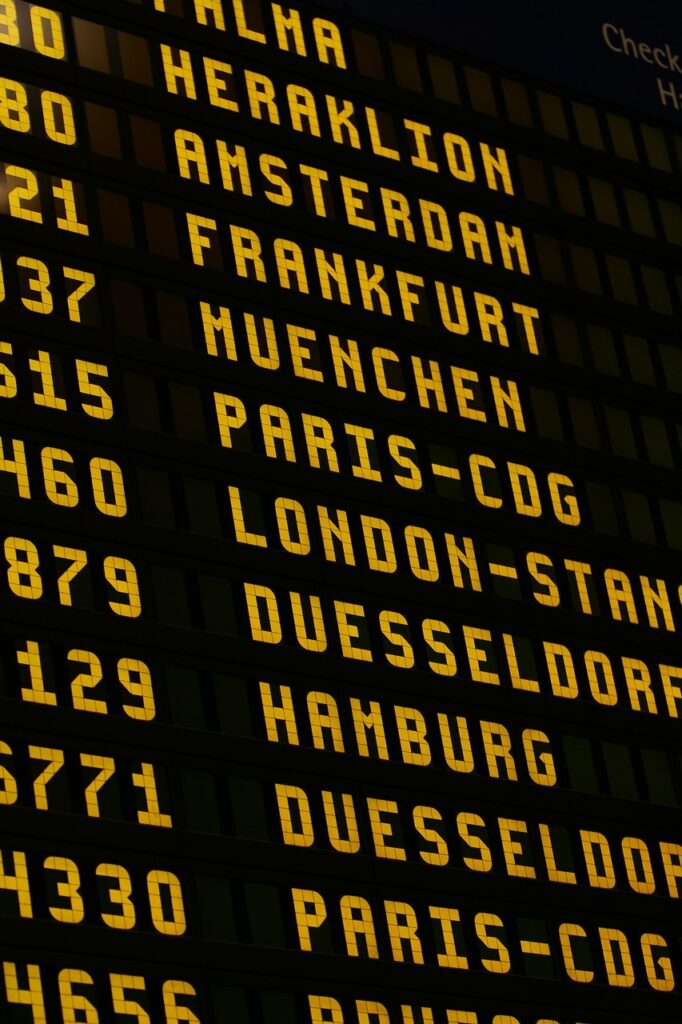
The immediate impact was felt across Newark, with United Airlines—operating 75% of the airport’s flights—experiencing widespread delays, cancellations, and diversions. Over the following days, more than 160 flights were canceled, and 375 were delayed, stranding thousands of passengers.
The psychological toll on air traffic controllers was profound. Several took trauma-related leave under the Federal Employees Compensation Act, citing the stress and emotional impact of the incident.
Systemic Strain: Staffing Shortages and Infrastructure Challenges
The Newark debacle highlighted broader systemic issues within the Federal Aviation Administration (FAA). Nationwide, the FAA is operating with approximately 3,000 fewer air traffic controllers than needed, exacerbating delays and operational strain.
Adding to the complexity, Newark is undergoing runway construction, with Runway 4L-22R closed until mid-June. This limits available landing and departure paths, further congesting air traffic.
The Response: Immediate Actions and Long-Term Plans
In the wake of the crisis, the U.S. Transportation Department is collaborating with airlines to reduce the number of flights at Newark to alleviate congestion. United Airlines has agreed to cut 35 daily flights, reducing its schedule from 440 to 293.
Transportation Secretary Sean Duffy has acknowledged the outdated nature of the current air traffic control infrastructure and announced plans for modernization. This includes upgrading communication equipment and increasing staffing through incentives such as $5,000 hiring bonuses.
What Travelers Need to Know
For those planning to travel through Newark in the near future, here are some key takeaways:
- Expect Delays: Ongoing staffing shortages and infrastructure challenges mean delays are likely to continue.
- Consider Alternative Airports: JFK and LaGuardia airports in New York, as well as United hubs in Chicago, Houston, Denver, and Washington, D.C., may offer more reliable options.
- Flexible Ticket Policies: Some airlines are offering flexible rescheduling options for affected passengers. Check with your carrier for details.
Frequently Asked Questions
Q: Why did air traffic controllers lose contact with planes?
A: A damaged copper wire at the Philadelphia TRACON caused a 30 to 90-second blackout, during which controllers lost all radar and radio communication with aircraft.
Q: How many flights were affected?
A: Over the course of the disruption, more than 160 flights were canceled, and 375 were delayed, primarily affecting United Airlines flights.
Q: What is being done to prevent future outages?
A: The FAA is working on modernizing the air traffic control system, including upgrading communication equipment and increasing staffing through incentives such as $5,000 hiring bonuses.
Q: Should I avoid flying through Newark?
A: If possible, consider alternative airports like JFK or LaGuardia. If you must travel through Newark, be prepared for potential delays and check with your airline for the latest information.

This ongoing crisis serves as a stark reminder of the vulnerabilities within the U.S. air traffic control system and the urgent need for modernization to ensure the safety and efficiency of air travel.
Sources CNN

