As the holiday travel season approaches, Jamaica is in full mobilization mode—working against time, damage, and perception—to restore its tourism engine in the wake of the devastating Hurricane Melissa. While major repairs are underway, the island’s tourism sector faces a race to readiness amid significant obstacles.
What Happened: The Disaster’s Toll on Tourism
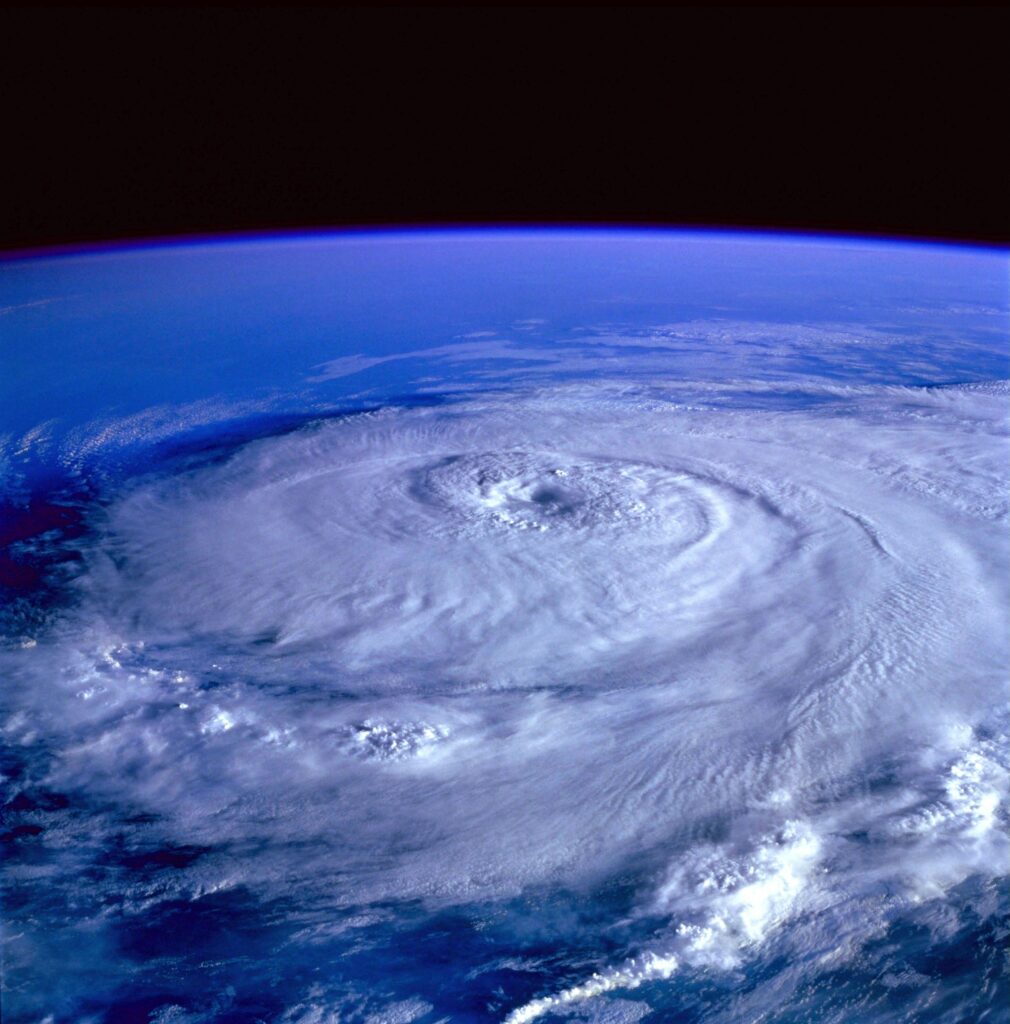
- Hurricane Melissa made landfall in Jamaica on October 28, 2025, as a Category 5 storm, striking the country’s northwestern and southwestern parishes hardest.
- Initial estimates show at least 32 fatalities on the island, with dozens of remote communities still inaccessible.
- Critical tourism infrastructure took a heavy hit. The main international gateways, including Sangster International Airport in Montego Bay, experienced damage to terminals and flooding; many hotels reported roof damage, flooded lobbies, and disrupted power.
- Jamaica’s tourism industry contributes about 30% of GDP and employs approximately 175,000 people directly and indirectly. The scale of the damage thus represents a major economic shock.
Recovery Efforts and What Tourism Looks Like Now
Infrastructure and Hotel Response
- Both international airports have reopened for commercial flights, albeit with limited capacity and many repairs still in progress.
- Major hotel chains are quickly repairing damage and preparing for high-season bookings; smaller properties in harder-hit regions face longer recovery timelines and more uncertainty.
- Some hotels in less-damaged areas are already repurposing rooms to host aid workers or offering steep discounts to attract early bookings and support cash flow.
Workforce, Local Businesses & Supply Chain Ripple Effects
- Many tourism-dependent workers—housekeepers, tour guides, craft vendors—lost income when hotels closed or bookings plummeted. In the western parishes especially, daily-wage workers describe major uncertainty.
- Supply chains for food, linens, maintenance parts, and craft goods have been disrupted by road blockages, power outages, and transport delays. Recovery in the tourist corridors is faster; peripheral zones remain under-served.
Marketing and Bookings
- Prior to Melissa, Jamaica’s government projected 7% tourism growth this winter season and around 4.3 million visitors.
- Now the urgency is shifting to restoring visitor confidence: clear updates on hotel readiness, flight schedules, safety communications, and region-specific recovery statuses are being emphasized.
- Some marketing strategies now include “back-on-track” messaging, targeted incentives for early travellers, and partnerships with airlines and travel agents to fill capacity in less-impacted areas while full rebuilding continues elsewhere.
What Still Needs Attention (and Is Under-Reported)
- Regional imbalance in damage and recovery: While well-known resorts near Montego Bay may bounce back more quickly, communities in remote western parishes are still cut off or severely impacted, with recovery timelines less clear.
- Detailed economic estimates: While job and GDP percentages are cited, a full breakdown of the cost to hotels, local tour operations, craft-sector incomes, and infrastructure is still being compiled.
- Heritage and community tourism: Smaller guesthouses, eco-lodges, craft villages, and locally owned tour operations are slower to resume, raising concerns that recovery may lean heavily toward larger chains while smaller-scale tourism lags.
- Climate-resilience rebuilding: The storm highlights that Jamaica’s tourism infrastructure is vulnerable to extreme weather events. Long-term investment in drainage, elevated roadways, more resilient hotels, and power backup is now urgent—but less visible in early reporting.
- Visitor perception & source-market behaviour: While the island is readying for high-season visitors, traveller sentiment—especially from major markets like the US, UK, and Canada—may lag due to safety concerns, flight scheduling confusion, and earlier cancellations.
Why This Matters Beyond the Island
- Jamaica’s tourism surge means the stakes are high: recovery isn’t just about hotels reopening—it’s about livelihoods, national currency inflows, and the rebuilding of entire local economies in vulnerable zones.
- This case serves as a global reminder: even mature tourism destinations must plan for climate shocks and incorporate resilience in their long-term strategy.
- For travellers, the reopening of a major destination like Jamaica can mean deals, early-season advantages, and an opportunity to support destinations in transition—but it also requires informed travel choices (checking hotel status, insurance, flexibility).
Frequently Asked Questions (FAQs)
Q1: Can I travel to Jamaica now?
Yes, international flights are operating, and many hotels are welcoming guests. However, some regions remain under repair and bookings may be limited. Check hotel status, flight availability, and travel insurance policy before finalizing your trip.
Q2: Are the main airports in Jamaica operational?
Yes—major international airports have reopened. However, capacity is reduced and some terminals or services may still be in repair mode. Be prepared for schedule changes.
Q3: Is the tourism sector severely damaged? Should I expect major cancellations?
Some large hotels are back in business, but damage to smaller properties, infrastructure, and surrounding communities remains significant. Some cancellations may still occur; flexible bookings are advisable.
Q4: Will tourism jobs be impacted long-term?
Many tourism workers experienced income loss and uncertainty. Though recovery is underway, job restoration may lag behind hotel reopening, especially in more remote areas.
Q5: What about smaller local businesses and crafts?
These are among the hardest hit: craft vendors, tour guides, and small guesthouses often lack the capital to quickly resume. Supporting local businesses helps ensure broader recovery beyond large resorts.
Q6: How soon will Jamaica be “back to normal”?
“Normal” is relative. While some segments may resume limited operations by mid-December (peak season start), full recovery across regions could extend many months—possibly into next year—depending on infrastructure repair and visitor confidence.
Q7: Will the hurricane impact my travel cost or deals?
Potentially yes. Some hotels may offer discounts, promotions, or “early-booking” incentives as they seek to fill rooms, especially in less-impacted areas or earlier in the season. Good opportunity for cost-sensitive travellers.
Q8: What should I check when booking a trip now?
- Confirm hotel is fully operational (rooms, amenities, pool, beach access)
- Review cancellation and refund policies
- Ensure your travel insurance covers weather-related disruptions
- Verify flights and transfers (airport status, road access)
- Ask about support for communities you’ll visit (so your travel helps recovery)
Q9: How might the hurricane affect the visitor experience?
Some beaches, roads, or facilities may be under repair; some local tours might be operating at reduced capacity. On the positive side, visitor numbers may be lower early in the season, meaning more space, deals, and a chance to engage with recovery-focused community tourism.
Q10: Is climate risk something to consider when planning travel to Jamaica now?
Yes. One of the key lessons from Hurricane Melissa is that even mature tourism destinations are vulnerable to extreme weather. Look for accommodations that indicate resilience features (e.g., elevated floors, backup power), and diversify your itinerary beyond single resort zones.
As Jamaica reopens its doors for visitors, the invitation is timely—but so is the reality of recovery. Travellers who approach the island with awareness and flexibility can enjoy the richness of the destination while contributing to a more inclusive and resilient rebound.
Sources AP News