
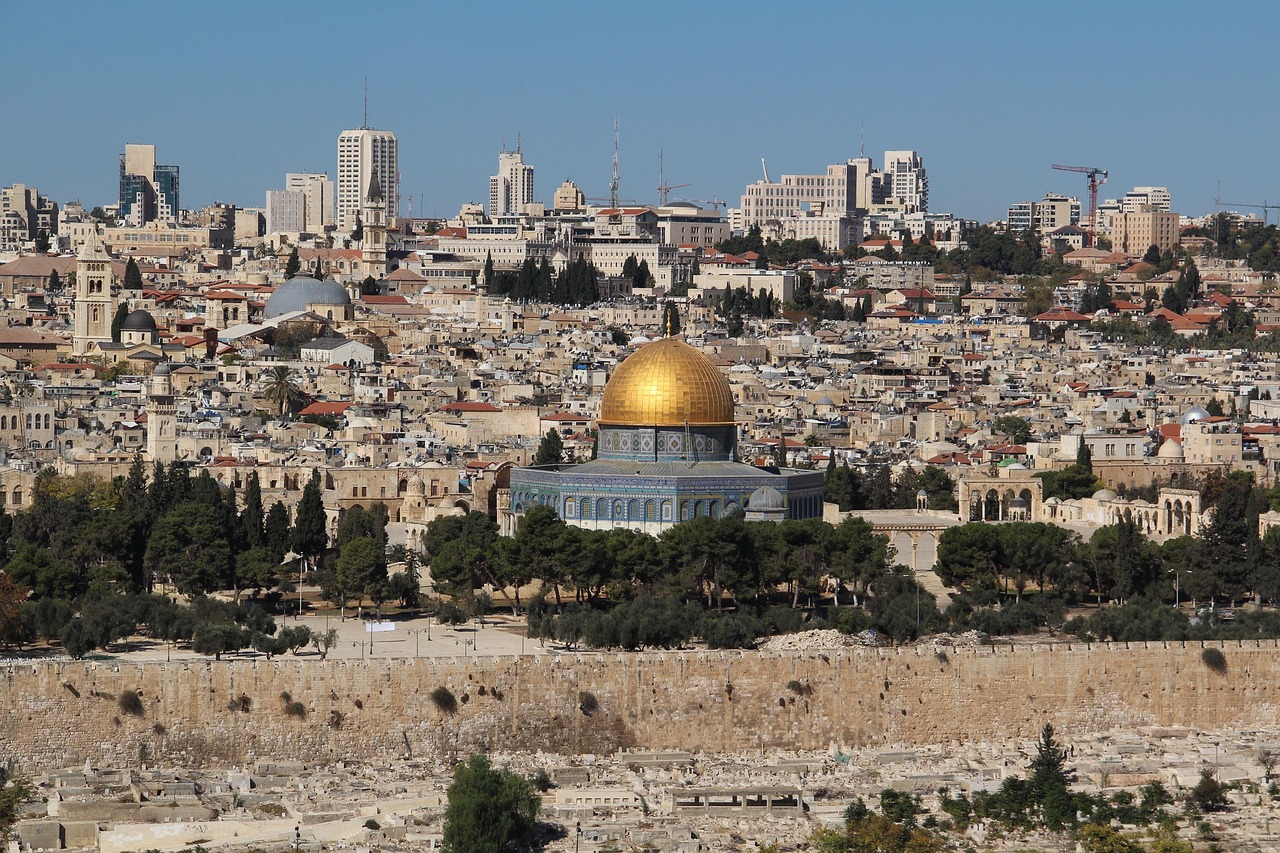
Even as active frontline engagements easing in parts of Israel and the broader region, the country’s tourism industry remains in a cautious state of rebuilding. In recent months, travel to key destinations has begun to rebound, yet the legacy of conflict, global perceptions of risk, and domestic disruptions indicate a full recovery is still some way off.
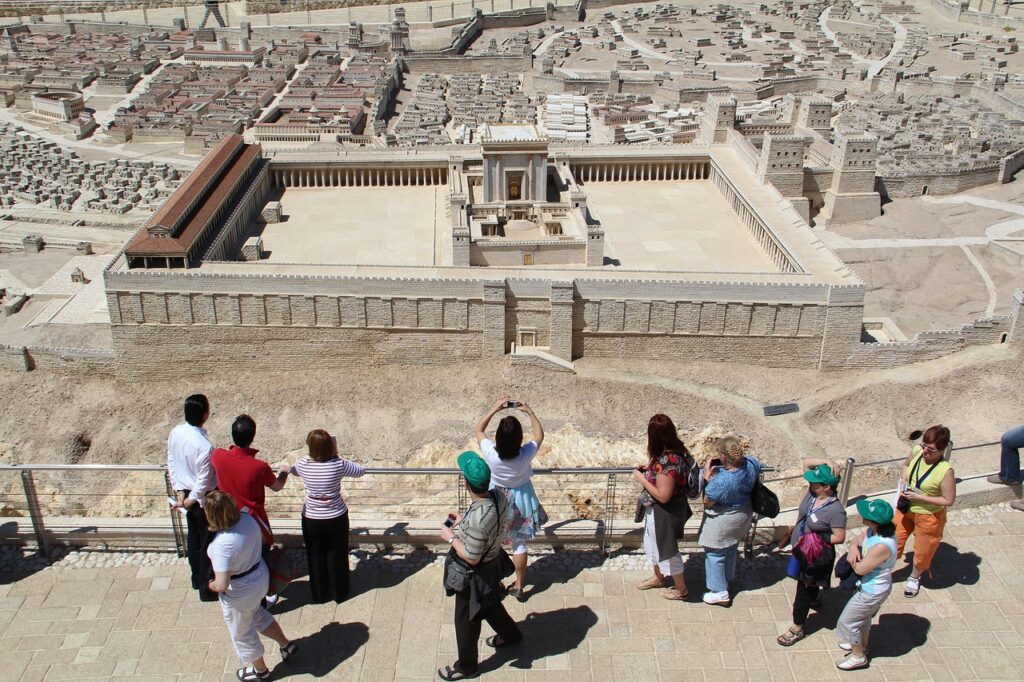
Current Landscape: A Delicate Return
Following major military operations and regional escalations, Israel’s travel sector is showing signs of cautious stabilization:
- Flights to some hubs — notably Tel Aviv and the Dead Sea region — are resuming, hotel occupancy is improving and domestic tourism is increasing.
- Between January and June 2025, tourist arrivals rose in certain months (roughly 610,900 foreign visitors in the first half of the year), though that uptick was interrupted by a sharp plunge in June when only around 55,300 arrivals were recorded, a 42 % drop compared to June 2024.
- The government’s tourism ministry has rolled out a recovery plan: accelerating infrastructure investment, activating hotels that were used for evacuees during conflict, and targeting new source markets in Asia.
- On the ground, many touristic sites (religious landmarks, cultural centres, resort destinations) have reopened, yet operators note that business remains well below pre‑conflict levels and often dependent on regional domestic demand.
Why Visitors Are Still Holding Back
Despite signs of reopening, several structural and perception‑based challenges endure:
- Security perceptions: Even with a reduction in major hostilities, warning levels remain in place and travellers continue to weigh the risk of sudden flare‑ups, closed airspace, or missile/drone alerts.
- Flight connectivity & logistics: Some airlines paused or scaled back service during the worst of the conflict; rebuilding routes, restoring confidence of carriers and ensuring consistent visa/entry support takes time.
- Tourist sentiment & source‑market trauma: Many travellers postponed or cancelled trips outright in previous waves of violence; reversing that will involve overcoming psychological as well as logistical barriers.
- Domestic supply chain burden: Hotels, restaurants, tour‑guides and support services took heavy losses; rebuilding staff, retrieving skilled labour and re‑establishing products (for example in regional resort towns) is still ongoing.
- Source‑market shifts: Traditional major markets (e.g., Western Europe, North America) are slower to return; attention is turning to Asia, the Middle East and diaspora‐travellers, but that transition takes time.
- Infrastructure repurposing: Some hotel capacity was used for evacuees or military accommodation; converting that back and refurbishing to “tourist standard” requires both investment and time.
What the Initial Reporting Often Misses
While much reporting highlights arrival numbers and reopening efforts, a fuller picture reveals several deeper issues:
- Detailed economic losses: Estimates put the cumulative drop in foreign tourism revenues at around 18.7 billion shekels (~US$4.9 billion) from the war’s start, with additional losses in domestic tourism.
- Regional distribution: Some regions (e.g., Tel Aviv‑area urban tourism) are recovering faster than others (such as southern resorts or Galilee towns near sensitive borders).
- Small‑business impact: Artisans, small vendors, hotel staff and local tour guides suffered disproportionate losses and often lack robust safety‑nets; their recovery is slower and less visible.
- Psychological effects on local tourism workforce and communities: Many tourism‑reliant towns saw mass evacuations, accommodation being repurposed and lingering trauma — that affects how locals and providers engage with travellers now.
- Contingency infrastructure: Emergency‑ready services (for instance bomb shelters, public alert systems, evacuation routes) remain a critical component of travel advice, but not always highlighted in marketing updates.
- Outbound dynamics: Even as inbound tourism is discussed, Israeli outbound holiday trends have shifted (some domestic tourism lost, some households changing travel patterns) which influence the broader hospitality ecosystem.
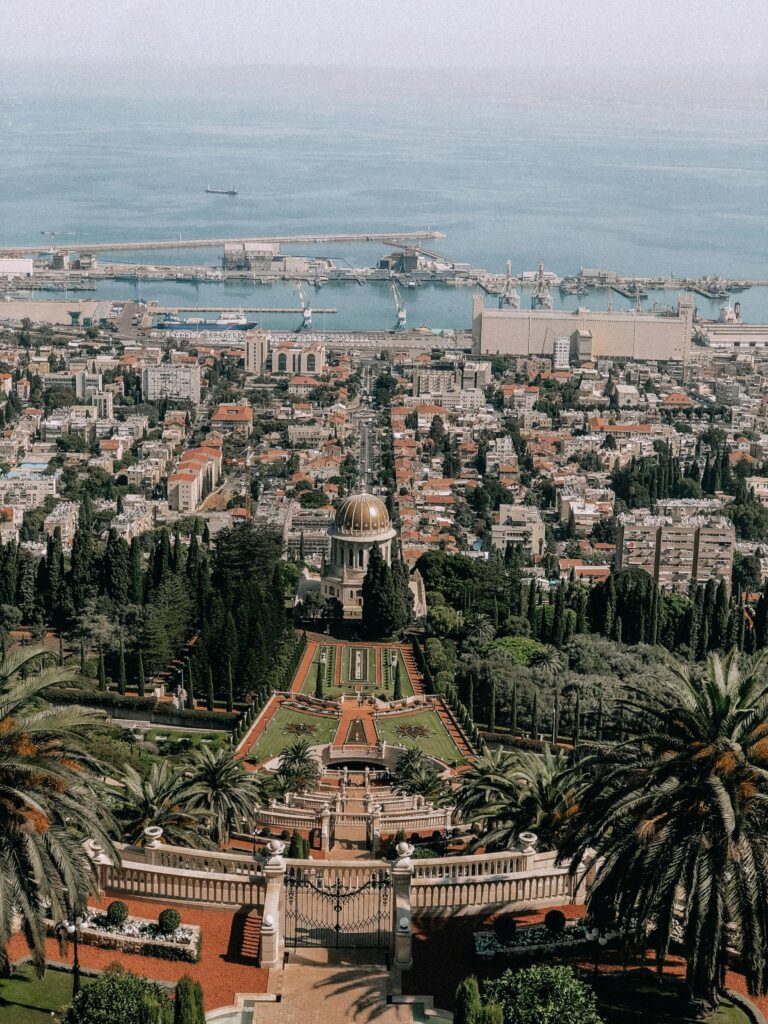
Strategic Path Forward: What Needs to Happen
To convert cautious recovery into sustained growth, several strategic priorities stand out:
- Strengthen airline/restoration connectivity — More direct and frequent flights to key markets and islands of air access improve competitiveness.
- Restore and modernise accommodation and services — Refurbishing hotels, upgrading guest‑experience, rebuilding regional resorts, and ensuring sufficient staffing.
- Diversify source‑markets — Targeting Asian, Latin American and Middle Eastern travellers who may have lower barrier perceptions and growing interest in Israel as destination.
- Enhance safety perception & resiliency credentials — Clear communication on security readiness, rapid response capacity and traveller support systems help rebuild trust.
- Support resilient local tourism ecosystems — Ensuring small‑businesses, tour‑operators and workers are included in recovery plans builds broader sustainability.
- Segmented marketing and niche tourism growth — For example, faith‑based travel, medical tourism, cultural heritage, and adventure/outdoor segments may rebound faster and help anchor growth.
- Adapt to “new normals” — Recognising that the global travel market now weights risk, flexibility, insurance, transparency; Israel’s offers must reflect that.
Frequently Asked Questions (FAQs)
Q1: Is Israel safe for international tourists now?
While improved in many areas, the security situation remains volatile. Travellers should monitor government travel advisories, stay in well‑known tourist areas, secure travel insurance, and choose flexible bookings.
Q2: Are flights and hotels operating normally?
Some major routes and hotels are now operating normally, though many are at reduced capacity. Full connectivity and service levels have not yet returned to pre‑conflict patterns.
Q3: How many tourists visited Israel recently?
For the first half of 2025, foreign arrivals were around 610,900—a notable rebound—but an abrupt drop occurred in June with only about 55,300 arrivals, showing that recovery is fragile.
Q4: Why are some destinations slower to recover than others?
Regions closer to conflict zones or military operations, or those heavily reliant on one type of tourism (e.g., luxury resorts near borders), face greater recovery drag. Urban centres and faith‑tourism locales are recovering faster.
Q5: What should tourism businesses watch for in the recovery process?
They should monitor traveller sentiment and markets, ensure flexible booking policies, maintain high safety and health standards, invest in marketing to new source markets, and rebuild operational resilience.
Q6: How has the war affected the small business tourism ecosystem?
Many small hotels, tour guides and artisans lost income for extended periods, some closed permanently, others are under‑capitalised for full rebound. Their recovery is slower than headline hotel reopenings.
Q7: Will the tourism decline reverse quickly?
Unlikely. While some rebound is evident, full recovery may take two to three years or more—especially to reach 2019 (pre‑COVID and pre‑conflict) levels of arrivals and spending.
Q8: Should travellers cancel or postpone trips to Israel?
Not necessarily, but they should be aware of current conditions, book refundable or flexible travel, consider regions less impacted by conflict, and ensure travel insurance covers security‑related disruption.
Q9: Which travel segments are likely to rebound first?
Faith‑based travel, diaspora visits, short‑haul regional travel (Middle East, Asia) and urban city breaks may lead, while long‑haul luxury resort traffic and large group tours might recover later.
Q10: What role can tourists play in aiding the recovery?
By travelling when safe to do so, maintaining responsible behaviour (respecting local context), booking with local providers, and supporting smaller businesses in the tourism ecosystem, visitors can contribute positively to the region’s rebound.
In essence, Israel’s tourism sector is navigating a delicate post‑conflict terrain. The wheels of recovery are turning, but turn slowly. For travellers, that means opportunity—but measured, informed travel. For the country, it means rebuilding resilience, reputational capital and the diversified visitor flows that reflect not just a return, but a reinvention.

Sources The Time of Israel

