
Japan has announced its first visa fee increase since 1978, raising the cost of many visas by as much as five times. The decision comes as the country experiences record-breaking tourism numbers, rising administrative costs, inflationary pressures, and growing concerns about overtourism in some of its most popular destinations.
The changes represent one of the most significant revisions to Japan’s immigration fee structure in nearly half a century. While government officials insist the increase is necessary to reflect modern economic realities, the move has sparked discussions among travelers, tourism operators, economists, and immigration experts about its potential impact on visitor demand and Japan’s broader tourism strategy.
For most travelers, the increase may be more symbolic than disruptive. However, it highlights a broader trend emerging worldwide: international travel is becoming increasingly expensive as governments seek to balance tourism growth with infrastructure, security, and sustainability needs.
What Exactly Is Changing?
Under the revised fee schedule, Japan will substantially increase visa issuance fees for applications submitted on or after July 1, 2026.
New Visa Fees
| Visa Type | Previous Fee | New Fee |
|---|---|---|
| Single-entry visa | ¥3,000 | ¥15,000 |
| Multiple-entry visa | ¥6,000 | ¥30,000 |
The increase represents a fivefold jump across major visa categories. Officials note that these fees had remained unchanged for 48 years despite major economic transformations since the late 1970s.
Why Is Japan Raising Visa Fees Now?
Several factors appear to be driving the decision.
1. Inflation and Currency Changes
When Japan last adjusted visa fees in 1978:
- The internet did not exist.
- Global tourism volumes were a fraction of today’s levels.
- Administrative systems were far less complex.
- Security screening requirements were significantly lower.
Officials argue that maintaining the same fee structure for nearly five decades is no longer economically sustainable. Exchange-rate fluctuations and inflation have also reduced the real value of the original fees.
2. Aligning With International Standards
Even before the increase, Japan’s visa fees were among the lowest in developed economies.
For comparison:
- U.S. tourist and business visas typically cost around $185.
- Many European Schengen visas cost approximately €90.
- Japan’s previous single-entry visa fee was only about ¥3,000 (roughly $20).
Government officials have indicated that part of the objective is to bring Japan’s fees closer to international norms.
3. Rising Administrative Costs
Modern visa processing involves:
- Identity verification
- Biometric screening
- Security assessments
- Fraud prevention systems
- Digital infrastructure
- Consular staffing
All of these costs have increased substantially over the past several decades.
Japan’s Tourism Boom Is Creating New Challenges
The fee increase comes at a time when Japan is experiencing an unprecedented tourism surge.
The country’s combination of:
- A relatively weak yen
- Strong global interest in Japanese culture
- Expanded airline connectivity
- Growing popularity on social media
has led to record visitor numbers. Through much of 2025 and 2026, Japan continued breaking inbound tourism records.
Popular destinations such as:
- Kyoto
- Tokyo
- Osaka
- Mount Fuji
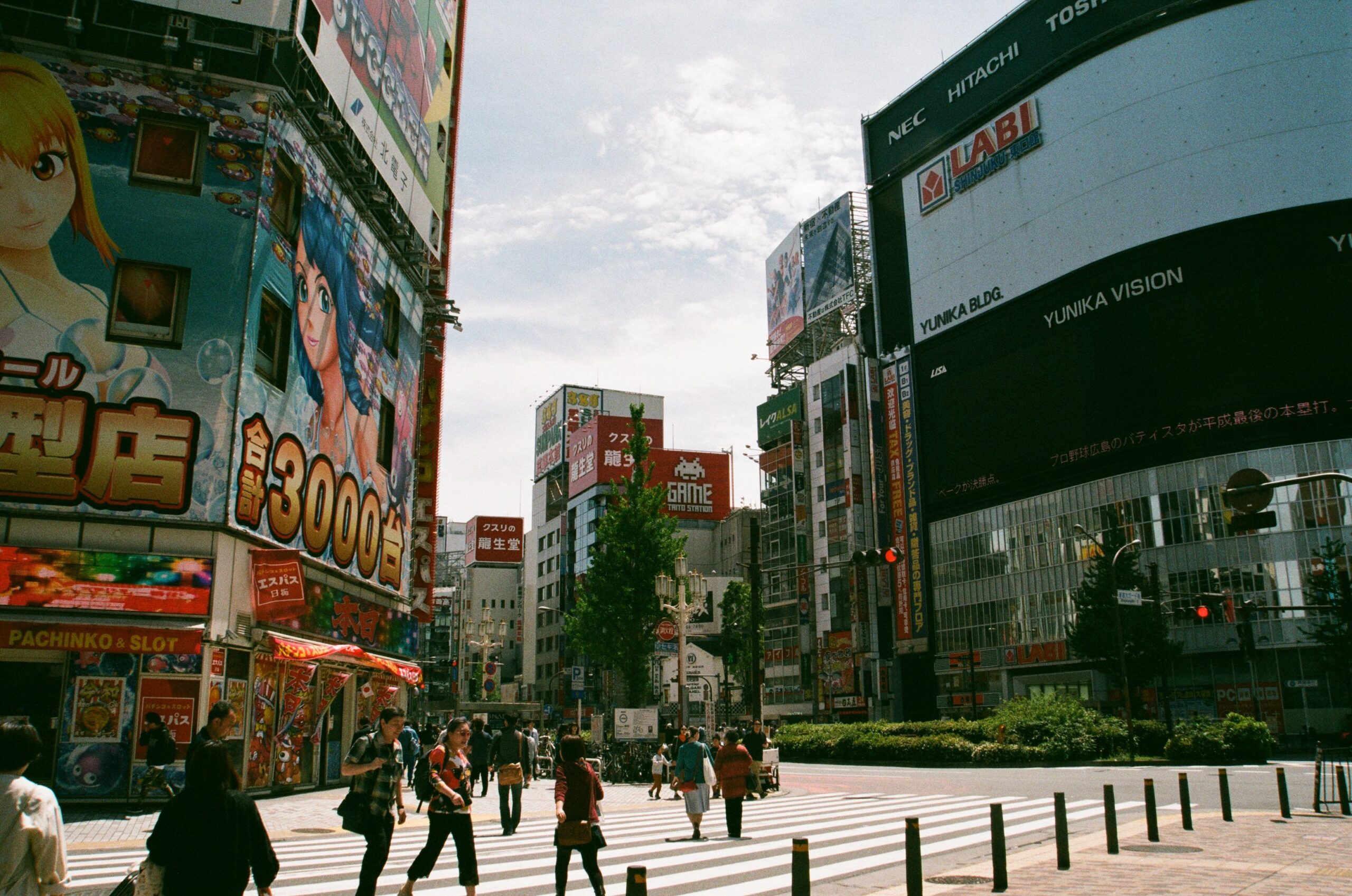
have experienced increasing crowding, prompting concerns from local residents and policymakers. Tourism success has created infrastructure pressures that many communities are struggling to manage.
Will Higher Visa Fees Reduce Tourism?
Probably not significantly.
Several reasons explain why experts believe the impact may be limited.
Most Visitors Don’t Need a Visa
Japan maintains visa-waiver agreements with dozens of countries.
Visitors from many nations can enter Japan for short-term tourism without applying for a traditional visa. As a result, the majority of tourists may never directly pay these increased fees.

Travel Costs Are Much Higher Than Visa Costs
Even after the increase:
- International airfare often costs hundreds or thousands of dollars.
- Hotels remain a major expense.
- Food, transportation, and attractions add further costs.
For many travelers, an additional ¥12,000 on a visa application represents a relatively small portion of an overall trip budget.
Japan Remains Highly Attractive
Japan continues to rank among the world’s most desired travel destinations due to:
- Safety
- Cleanliness
- Public transportation
- Cuisine
- History
- Pop culture
- Natural scenery
Demand remains exceptionally strong despite higher travel costs.
A Global Trend Toward Higher Travel Fees
Japan is not alone.
Around the world, governments are increasingly introducing or raising:
- Tourist taxes
- Visa fees
- Entry authorization fees
- Airport departure taxes
- Sustainability levies
Examples include:
- Europe’s ETIAS authorization system
- Increased tourist taxes in several European cities
- Higher visa processing fees in multiple countries
- Environmental tourism charges in sensitive destinations
These measures often serve dual purposes:
- Raising revenue.
- Managing tourism growth more sustainably.
Japan’s move fits within this broader global trend.
The Overtourism Debate
The visa increase has reignited discussions about overtourism.
Overtourism occurs when visitor numbers begin to strain:
- Infrastructure
- Housing markets
- Transportation systems
- Natural environments
- Quality of life for residents
Japan has already introduced measures aimed at addressing crowding in certain destinations.
Examples include:
- Visitor management around Mount Fuji.
- New tourism regulations in historic districts.
- Discussions about raising departure taxes.
- Investments in regional tourism dispersal strategies.
Some analysts view higher visa fees as part of a broader effort to ensure tourism growth remains sustainable.
How Technology Is Changing Border Management
The fee increase coincides with Japan’s efforts to modernize immigration systems.
Future developments may include:
- Expanded digital visa applications
- Automated border screening
- Electronic travel authorizations
- Biometric identity verification
- AI-assisted security analysis
Japan has already signaled plans to introduce an electronic travel authorization system later in the decade, reflecting broader modernization efforts.
These technologies may improve efficiency but also require substantial investment, creating additional pressure on government budgets.
Impact on Students, Business Travelers, and Long-Term Visitors
While short-term tourists may experience limited effects, other groups could face larger cost increases.
Potentially affected categories include:
- International students
- Business travelers
- Researchers
- Temporary workers
- Long-term residents
Japan is simultaneously reviewing various residency-related fees and immigration procedures, suggesting broader changes to the country’s immigration framework may continue in coming years.
For applicants requiring multiple entries, the jump from ¥6,000 to ¥30,000 is particularly significant.
What This Means for Japan’s Tourism Future
Japan faces a unique balancing act.
On one hand, tourism generates:
- Jobs
- Economic growth
- International investment
- Regional development
On the other hand, unchecked visitor growth can create social and environmental challenges.
The visa fee increase reflects Japan’s attempt to adapt its immigration and tourism systems to modern realities while maintaining its attractiveness as a destination.
Whether the policy succeeds will depend on how effectively the additional revenue is used to improve visitor management, infrastructure, and the overall travel experience.
For now, Japan remains one of the world’s most compelling destinations—and demand shows little sign of slowing.
Frequently Asked Questions (FAQs)
1. How much are Japan’s new visa fees?
Starting July 1, 2026, a single-entry visa increases from ¥3,000 to ¥15,000, while a multiple-entry visa rises from ¥6,000 to ¥30,000.
2. Why is Japan raising visa fees?
The government cites inflation, exchange-rate changes, rising administrative costs, and the need to align fees more closely with international standards.
3. Is this the first visa fee increase in Japan’s history?
No, but it is the first increase since 1978, making it the first revision in nearly 48 years.
4. Will the higher fees reduce tourism to Japan?
Most analysts believe the effect will be limited because many visitors come from visa-exempt countries and because visa costs represent only a small portion of overall travel expenses.
5. Do all tourists need to pay the new visa fees?
No. Travelers from countries with visa-waiver agreements generally do not need a traditional tourist visa for short visits and therefore are not directly affected by these fee increases.
Sources BBC

