
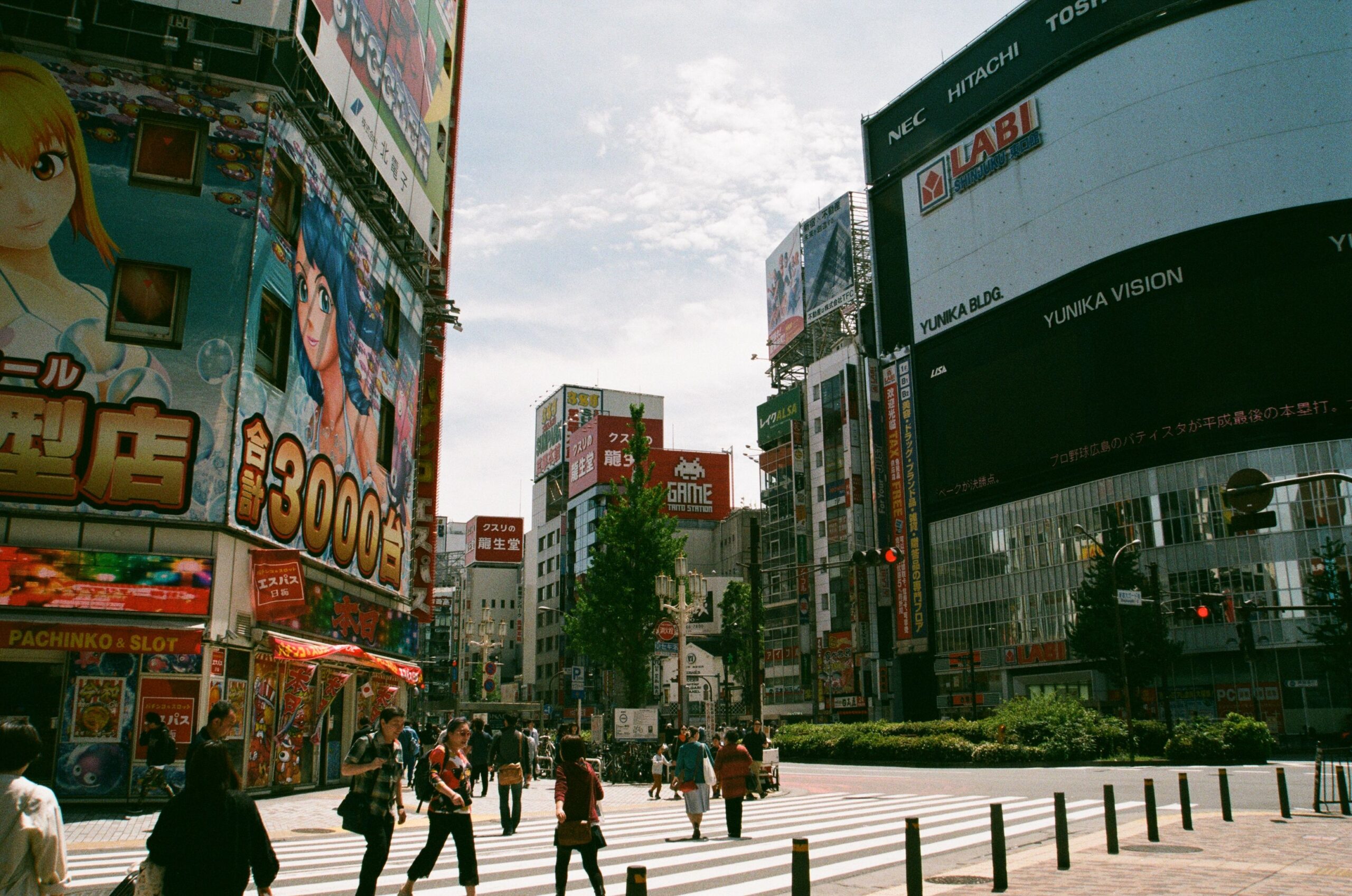
Japan has long been regarded as one of the world’s most attractive travel destinations, drawing millions of visitors each year with its unique blend of ancient traditions, cutting-edge technology, breathtaking scenery, and world-famous cuisine. However, beginning July 1, 2026, traveling to Japan has become noticeably more expensive for many international visitors.
The Japanese government has announced its first visa fee increase in 48 years, raising visa charges by as much as five times. At the same time, the country is also increasing its international departure tax and implementing broader immigration reforms aimed at managing record visitor numbers and the growing administrative costs associated with foreign travelers and residents.
While officials insist these measures are not designed to discourage tourism, they represent one of Japan’s biggest shifts in travel policy in decades.
What Has Changed?
Japan’s revised visa fees took effect for applications submitted on or after July 1, 2026.
New Visa Fees
| Visa Type | Previous Fee | New Fee |
|---|---|---|
| Single-entry visa | ¥3,000 | ¥15,000 |
| Multiple-entry visa | ¥6,000 | ¥30,000 |
This represents a fivefold increase, making it the largest adjustment since visa fees were first established in 1978.
Why Is Japan Raising Visa Fees?
According to the Japanese government, several factors influenced the decision.
1. Inflation
Visa fees had remained unchanged for nearly half a century despite rising administrative costs.
2. Currency Fluctuations
The Japanese yen has experienced significant exchange-rate changes over recent decades, making previous fee structures outdated.
3. Growing Administrative Costs
Japan now processes significantly more visa applications than it did decades ago.
Additional funding will support:
- Immigration processing
- Digital systems
- Border security
- Application verification
- Customer service improvements
Officials argue that updated fees better reflect the true cost of administering the immigration system.
The Visa Increase Is Only Part of the Story
The higher visa fees are part of a much broader immigration reform package.
Japan is also increasing fees for:
- Residence status changes
- Visa renewals
- Extensions of stay
- Permanent residency applications
Some of these charges may increase dramatically over the coming year, with permanent residency application fees potentially rising to ¥200,000, depending on the final implementation schedule.
Why Is Japan Doing This Now?
Japan is experiencing record levels of international tourism.
A combination of factors has fueled the travel boom:
- A relatively weak yen
- Relaxed post-pandemic travel restrictions
- Growing global interest in Japanese culture
- Increased international flight capacity
- Popularity of destinations such as Tokyo, Kyoto, Osaka, Hokkaido, and Okinawa
At the same time, Japan’s foreign resident population has grown to a record level, placing additional demands on immigration services and public administration. Officials say the additional revenue will help expand staffing, improve technology, and strengthen language support and immigration enforcement.
Higher Departure Tax for Everyone
The visa fee increase is not the only new expense.
Japan has also raised its international departure tax.
Departure Tax
- Previous tax: ¥1,000
- New tax: ¥3,000
Unlike visa fees, the departure tax applies broadly to travelers leaving Japan by air or sea, regardless of nationality, with limited exceptions. The government says the additional revenue will support tourism infrastructure, airport improvements, and measures to address overtourism.
Who Will Be Most Affected?
Not every traveler will notice the new visa fees.
Travelers from Visa-Exempt Countries
Visitors from countries with visa-waiver agreements generally do not need a tourist visa for short stays.
These travelers are unaffected by the visa fee increase but will still pay the higher departure tax when leaving Japan.
Travelers Requiring Visas
The biggest impact falls on nationals from countries that must obtain visas before entering Japan.
These include travelers from several parts of:
- Asia
- Africa
- The Middle East
- South America
For frequent travelers, the increase in multiple-entry visa fees is particularly significant.
Chinese Tourists Face the Biggest Financial Impact
Among Japan’s largest tourism markets, mainland China stands out because most Chinese citizens require visas to visit Japan.
The higher visa costs are therefore expected to have a greater financial impact on Chinese travelers than on visitors from visa-exempt countries.
Some analysts believe the increase could discourage short leisure trips by price-sensitive travelers, although others argue airfare and flight availability remain larger barriers than visa costs.
Will Tourism Slow Down?
Japanese officials do not believe the higher fees will significantly reduce inbound tourism.
Several reasons support this view:
- Japan remains relatively affordable due to the weak yen.
- Demand for Japanese tourism continues to be exceptionally strong.
- Visa fees represent only a small portion of total travel expenses.
- Many visitors spend far more on flights, hotels, shopping, and dining than on visa costs.
For long-haul travelers, an additional visa expense is unlikely to outweigh the appeal of visiting Japan.
Japan Is Also Fighting Overtourism
Tourism has become a double-edged sword.
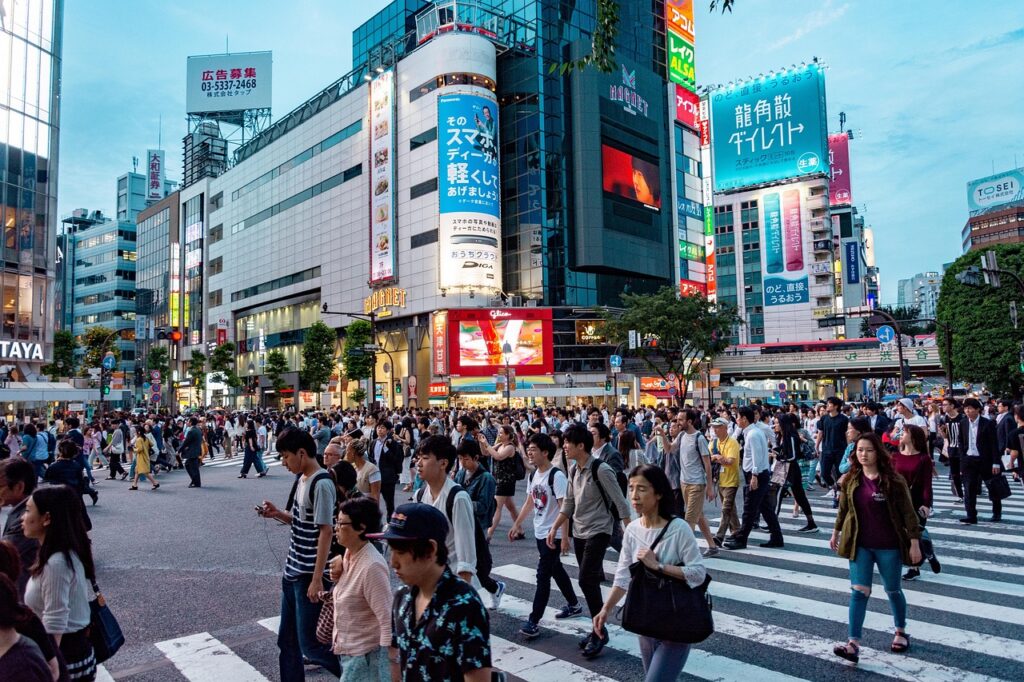
While international visitors contribute billions of yen to the economy, some destinations have struggled with overcrowding.
Cities including:
- Kyoto
- Tokyo
- Osaka
- Nara
have experienced:
- Congested public transport
- Crowded attractions
- Increased litter
- Pressure on local communities
- Rising accommodation costs
To manage these challenges, several local governments have introduced or expanded accommodation taxes alongside the national departure tax.
These revenues help fund:
- Public transportation
- Heritage preservation
- Visitor management
- Infrastructure upgrades
- Environmental protection
A New Digital Travel Authorization Is Coming
Japan is also preparing to introduce the Japan Electronic System for Travel Authorization (JESTA).
Expected to launch in fiscal 2028, JESTA will require travelers from visa-exempt countries to complete an online pre-travel authorization before departure, similar to systems used in the United States, the United Kingdom, and the European Union.
Authorities say the system will improve border screening while speeding up arrivals for eligible visitors.
How Japan Compares with Other Countries
Although the increase appears dramatic, Japan argues its updated fees are more consistent with international norms.
Many developed countries already charge considerably higher visa and immigration fees.
For example:
- The United States charges substantially higher fees for many visa categories.
- European Schengen visas also carry significant application costs.
- Several countries have introduced electronic travel authorization fees in recent years.
Japan’s government says its revised fee structure reflects international standards rather than an attempt to discourage tourism.
Tips for Travelers Planning a Trip to Japan
If you’re planning to visit Japan, consider these practical steps:
- Check whether your nationality requires a visa before booking flights.
- Apply for your visa early to avoid last-minute delays.
- Include higher visa and departure taxes in your travel budget.
- Monitor exchange rates, as a weaker yen may still offset some increased travel costs.
- Research regional accommodation taxes, as they vary by city and prefecture.
- Keep an eye on future JESTA requirements if you plan to travel after its launch.
What This Means for Japan’s Tourism Industry
Japan is attempting to strike a delicate balance.
On one hand, the country wants to continue welcoming millions of international visitors who contribute significantly to its economy.
On the other hand, managing overtourism, maintaining public services, and supporting a growing foreign population require greater financial resources.
Rather than discouraging visitors outright, the government appears to be shifting a larger share of administrative costs to international travelers while investing in stronger immigration systems and tourism infrastructure.
Whether these higher fees will meaningfully affect visitor numbers remains to be seen, but Japan’s enduring appeal, favorable exchange rates, and world-class attractions suggest that demand is likely to remain resilient.
Frequently Asked Questions (FAQs)
1. When do Japan’s new visa fees take effect?
The new visa fees apply to applications submitted on or after July 1, 2026.
2. How much is Japan’s single-entry tourist visa now?
The fee has increased from ¥3,000 to ¥15,000, representing a fivefold increase.
3. Do travelers from visa-exempt countries have to pay the higher visa fee?
No. Travelers from countries with visa-free access for short visits are generally not affected by the visa fee increase, although they must still pay Japan’s international departure tax when leaving the country.
4. Why is Japan increasing travel-related fees?
The government cites inflation, higher administrative costs, exchange-rate changes, record tourism, and the need to modernize immigration services and manage overtourism.
5. Will the higher visa fees reduce tourism?
Japanese officials believe the impact will be limited. Many travelers consider visa costs only a small part of their overall travel budget, and Japan continues to attract strong international demand thanks to its culture, safety, cuisine, and relatively affordable travel costs driven by the weak yen.
Sources CNBC

