
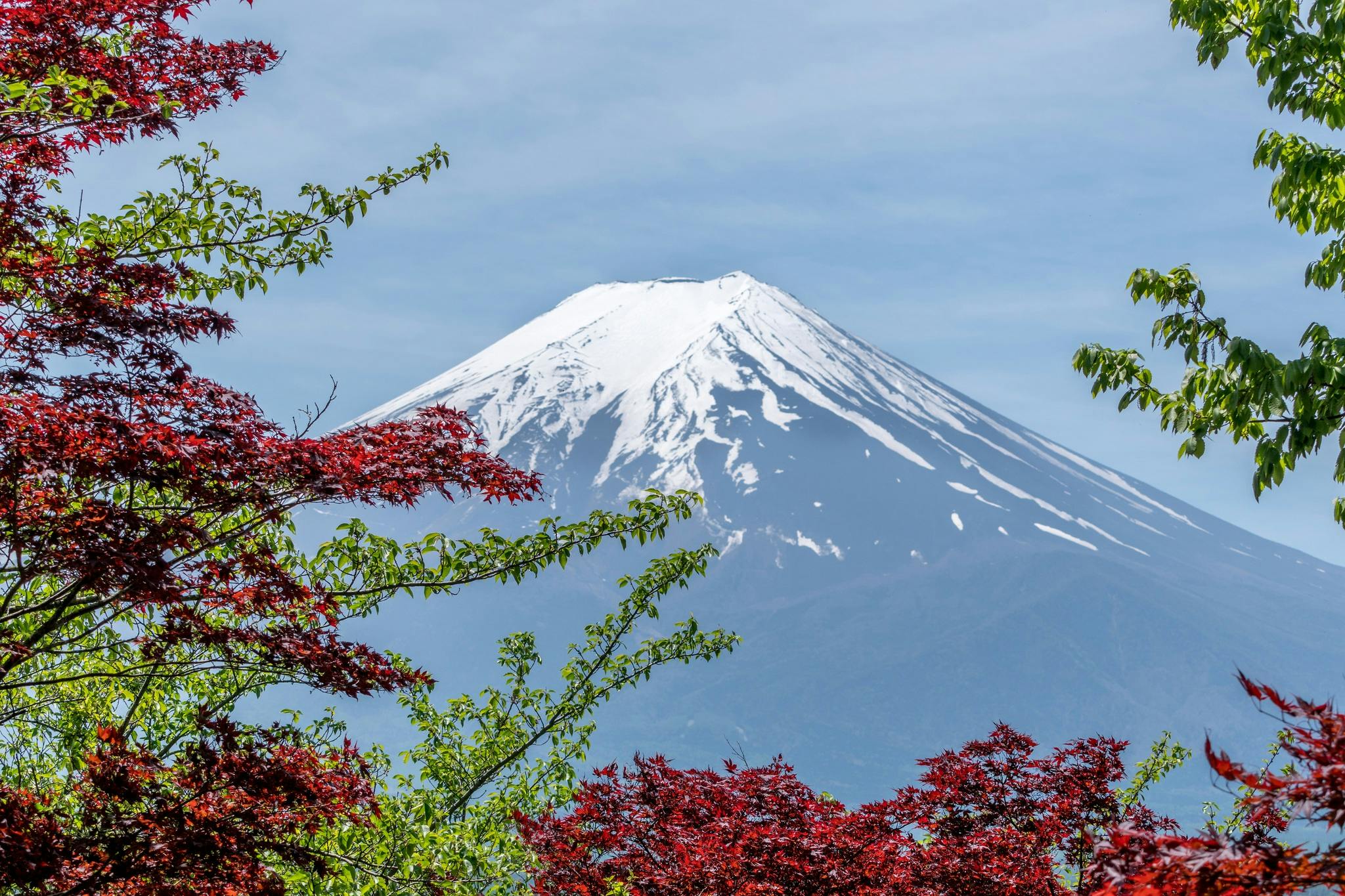
Japan has seen a huge surge in foreign visitors since post-COVID border relaxations, with numbers approaching or exceeding pre-pandemic levels. For many, Japan remains a dream destination: temples, nature, culture, food. But simultaneously, locals in many popular spots are growing tired. Overcrowded streets, environmental issues, rising prices, and disruptions to daily life are triggering a growing sense of anger beneath the surface of Japan’s tourist paradise.
What’s Going On: Key Issues Locals & Visitors Are Raising
1. Overconcentration in Few Urban & Heritage Areas
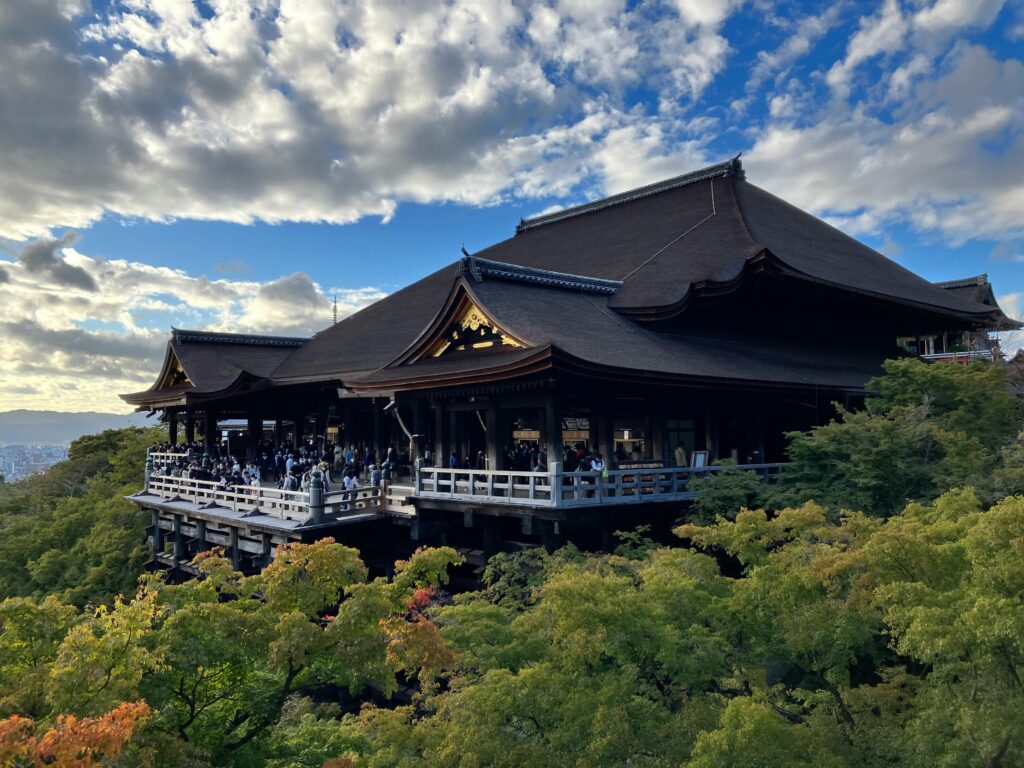
- Places like Kyoto, Tokyo, Osaka, Nara, and Mount Fuji are bearing the brunt of tourist inflows. The sheer volume of tourists in narrow alleys, heritage districts, and pilgrimage routes is overwhelming infrastructure, public transport, and local neighborhoods.
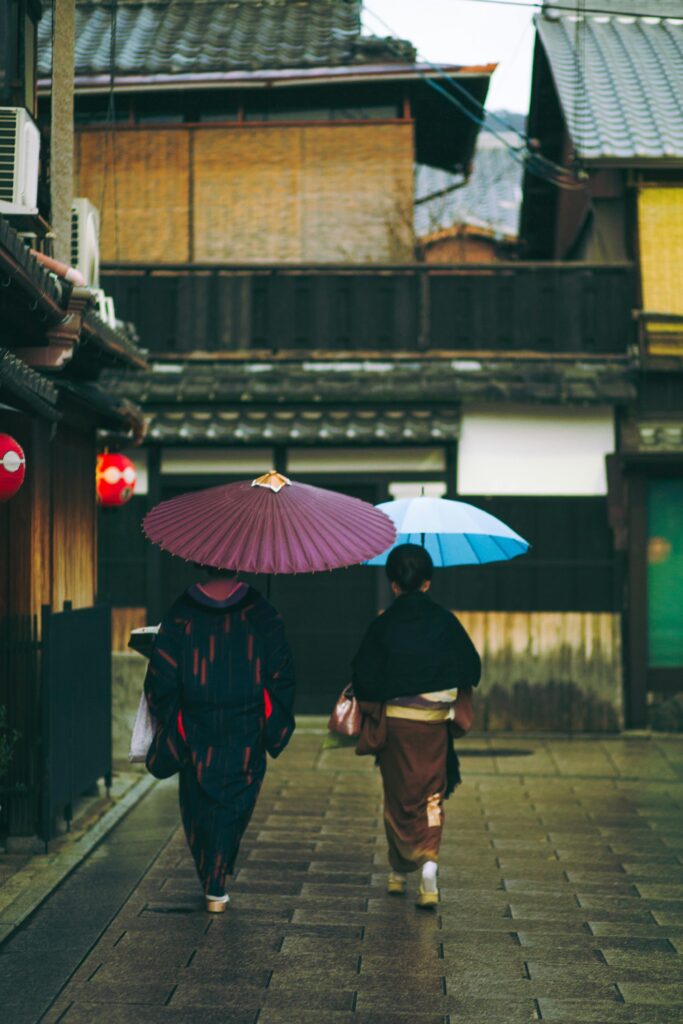
- For example, in Gion (Kyoto’s geisha district), private alleys are now being closed off. Signs are up to keep tourists out of certain private streets, and violations can incur fines. Many locals feel their privacy and daily life are diminishing.
2. Manners, Cultural Friction & “Tourist Pollution”
- Complaints aren’t only about numbers. Some tourists reportedly disregard local norms: baggage in narrow walkways, littering, bad behavior in quiet zones, disrespectful photography, trespassing into private alleys, etc. These incidents amplify local frustration.
- The term kankō kōgai (観光公害), often translated as “tourism pollution,” is used to capture this overburden of tourism—not just environmental, but social & cultural disturbance.
3. Environmental & Infrastructure Strain
- Trash, congestion, crowding in public transport, wear on heritage sites and tourist spots: all are rising concerns. The strain is felt both by residents and by tourists, as the quality of the experience drops.
- Transport networks and services are sometimes pushed to capacity, especially during peak seasons. Public sanitation, local roads, and facilities near tourist hotspots are also under stress.
4. Rising Costs & Land/Property Price Pressures
- In cities with heavy tourist traffic, land and rental prices are rising. Areas that are popular with tourists often see increases in commercial property prices; local residents sometimes feel priced out or displaced.
- For domestic travelers, there is frustration that tourism growth may disadvantage locals, not only through price rises but via congestion and loss of certain kinds of authentic local experience.
5. Policy Response: A “Tipping Point” for Regulation
- The central government has begun to act: task forces being formed, more attention to balancing the numbers, and moves toward more sustainable tourism planning.
- Local authorities are experimenting with measures like restricting access to sensitive areas (e.g. private alleys in Gion), raising signage/rules for behavior, increasing entry fees, imposing “two-tier” pricing (different for domestic vs foreign visitors) at certain attractions, and increases in multilingual infrastructure.
Gaps & Nuances Often Overlooked
To understand the full picture, here are some subtler points that many reports or conversations tend to miss or underplay:
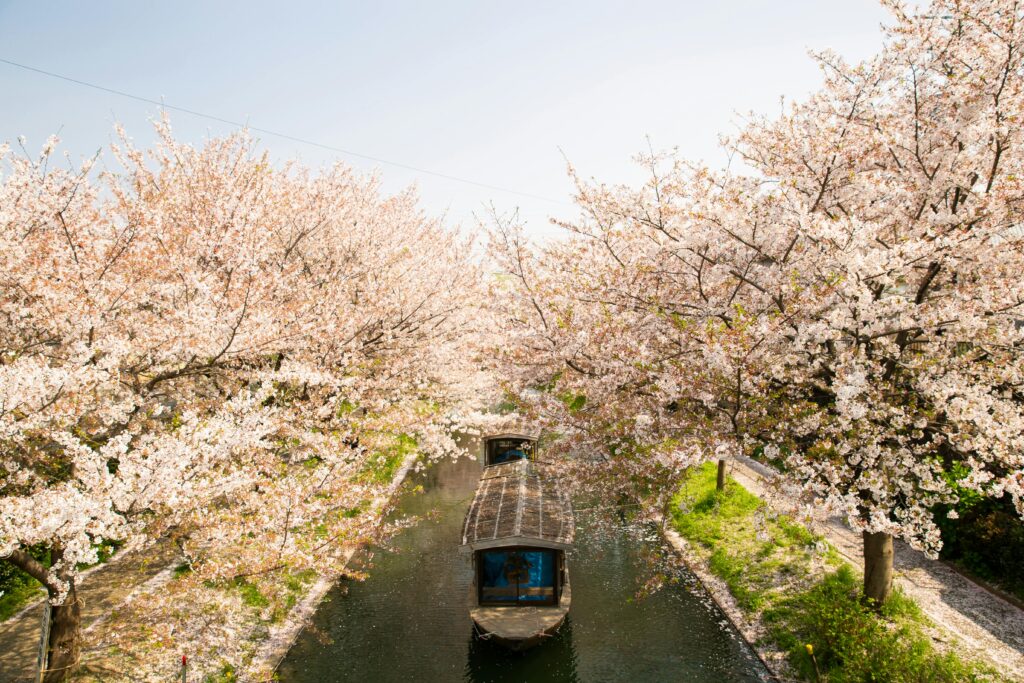
- Seasonality & Uneven Impact: The pressure is much greater in specific months (cherry blossom, autumn leaves, Golden Week). Tourist load fluctuates, so impacts are less severe off-peak but locals still feel residual effects year-round.
- Tourism Is Important Economically: While tensions exist, tourism remains vital for many businesses—hotels, restaurants, shops, public transit, local transport, souvenir markets, etc. Any regulatory measure has trade-offs.
- Behavioral Change Potential: Some local resentment is driven by small but visible behavior issues. There are surveys that indicate many tourists are willing to pay more or adjust behavior for more sustainable experiences. The gap is often in enforcement, awareness, and infrastructure to support “good tourist behavior.”
- Disparity Between “International” vs “Domestic” Voices: Sometimes domestic Japanese tourists also contribute to crowding and tourism pressures, but much of the public discourse (and tourist media) focuses on foreign visitors.
- Labor / Service Capacity: Handling tourist numbers isn’t just about regulation, it’s also about having enough staff, language support, maintenance, public services. Some regions face shortages of service workers, and limited infrastructure makes scaling hard.
What Japan (and Localities) Are Doing or Considering Doing
Japan is not ignoring the frustrations. Multiple policies and actions are underway or being discussed:
- Administrative “Control Tower”: A cross-agency body to coordinate responses on over-tourism, unruly behavior by visitors, infrastructure stress, and local quality of life concerns.
- Dispersing Tourist Traffic: Encouraging visitors to explore regions beyond the usual hotspots. Investing in under-visited prefectures, better transport links (e.g., new Shinkansen lines), support for local multilingual services.
- Two-Tier Pricing: Charging higher fees for foreign tourists at major attractions, or differential pricing to help offset infrastructure load and protect locals’ access.
- Behavior Rules & Enforcement: Fines for entering private alleys, signage, limits on where tourists may walk, rules about photography, managing access at narrow or sensitive areas.
- Sustainable Tourism Initiatives: Encouraging mindfulness, supporting community-led tourism projects, balancing tourism growth with environmental conservation. Plans to invest in waste management, multilingual infrastructure, transport capacity.
Why “Anger” Is Rising: Local Voices & Sentiments
- Locals often say that what tourists enjoy most (scenic views, quiet alleys, traditional atmospheres) are the same things being eroded by too many visitors.
- Many express that tourism has become almost “seen but not heard”—tourists come for pictures, leave behind noise or foot traffic, but infrequently engage with or give back to communities beyond commerce.
- In some neighborhoods, everyday life is disrupted: congestion, difficulties in commuting, lesser availability of local services, rising cost of living, tourist noise, tourists entering private spaces, etc. These are not abstract complaints—they’re felt in residents’ day-to-day routines.
- The impact on cultural practices (e.g. geisha or maiko traditions, intimate rituals, quiet heritage sites) is particularly sensitive, since these are part of local identity.
Looking Ahead: Can Japan Keep the Balance?
Japan has ambitious goals: increasing tourist numbers further (government aspiration of ~60 million by 2030, for example), but local backlash, infrastructure strain, and environmental challenges make that goal contentious. To succeed, a sustainable path is essential:
- More localized, precise regulation rather than blunt national goals.
- More investment in infrastructure (public transit, waste, roads, tourist information, multilingual signage).
- Stronger education: of tourists (on respect, etiquette, local customs) and of tourism businesses, to help align offerings with what locals can sustain.
- Transparent mechanisms for locals to have voices in tourism planning.
- Tourism diversification so that less visited regions gain economic benefit, reducing pressure on popular hotspots.
Frequently Asked Questions
1. Isn’t tourism just good for the economy?
Yes, largely it is: it brings revenue, jobs, and supports many small and medium businesses. But like many things, too much, too fast, or poorly managed tourism can degrade what makes a place valuable — environment, culture, quality of life — which in turn can harm tourism in the long run.
2. How big is “too many tourists”?
There’s no single threshold. It depends on local infrastructure, geography, how many people live there, and how well services scale. For some narrow alleys or heritage neighborhoods, even a small increase in foot traffic can feel overwhelming; for major cities with robust transport and services, much larger numbers can be handled.
3. Will restricting tourist numbers hurt Japan’s tourism goals?
Potentially—but if restrictions are balanced and combined with diversification, they may help maintain the quality of tourist experience, protect local life, and preserve heritage, all of which support long-term tourism sustainability. A happy resident base helps make for better hospitality.
4. What do tourists need to do differently?
Some actionable changes:
- Learn a bit about local customs and etiquette (e.g. quieter behavior, not blocking walkways, respecting signs, private property).
- Visit during off-peak times or less known places.
- Support local businesses rather than only major tourist chains.
- Be mindful of waste, noise, and environmental impact.
5. Are there examples of other countries managing similar challenges successfully?
Yes. Countries like Italy (some cities), Spain (especially islands), and places in Southeast Asia have been experimenting with “tourist caps,” visitor quotas, admission fees, or “dark tourism” limits. Some have managed to improve resident satisfaction and environmental sustainability without completely sacrificing tourist numbers.
6. Is the peak tourism number going to keep growing?
It’s likely, though the rate of growth may slow. Capacity constraints (transport, lodging, public services), higher visitor operating costs, and global economic headwinds could damp growth. Additionally, local resistance and policy changes might set limits.
7. What role should government vs local communities play?
Both are essential. Government (national, prefectural, municipal) needs to set policies, invest in infrastructure, regulate and enforce. Local communities need to be consulted, have voice, and be part of planning to ensure tourism benefits are shared and negative impacts mitigated.
Conclusion
Japan’s tourism success story is real—and there’s much to admire. But beneath the stunning visuals and booming visitor numbers, simmering frustrations reflect genuine tensions: between economic ambition and cultural preservation, between hospitality and daily life, between welcoming visitors and preserving what makes Japan special for those who live there.
How Japan navigates these tensions in the coming years will test not just its tourism industry, but its social cohesion, environment, and identity. Balance, respect, and sustainability are no longer optional—they may be essential if the anger beneath the surface is not to erode the very beauty so many come to see.
Sources The Times

