
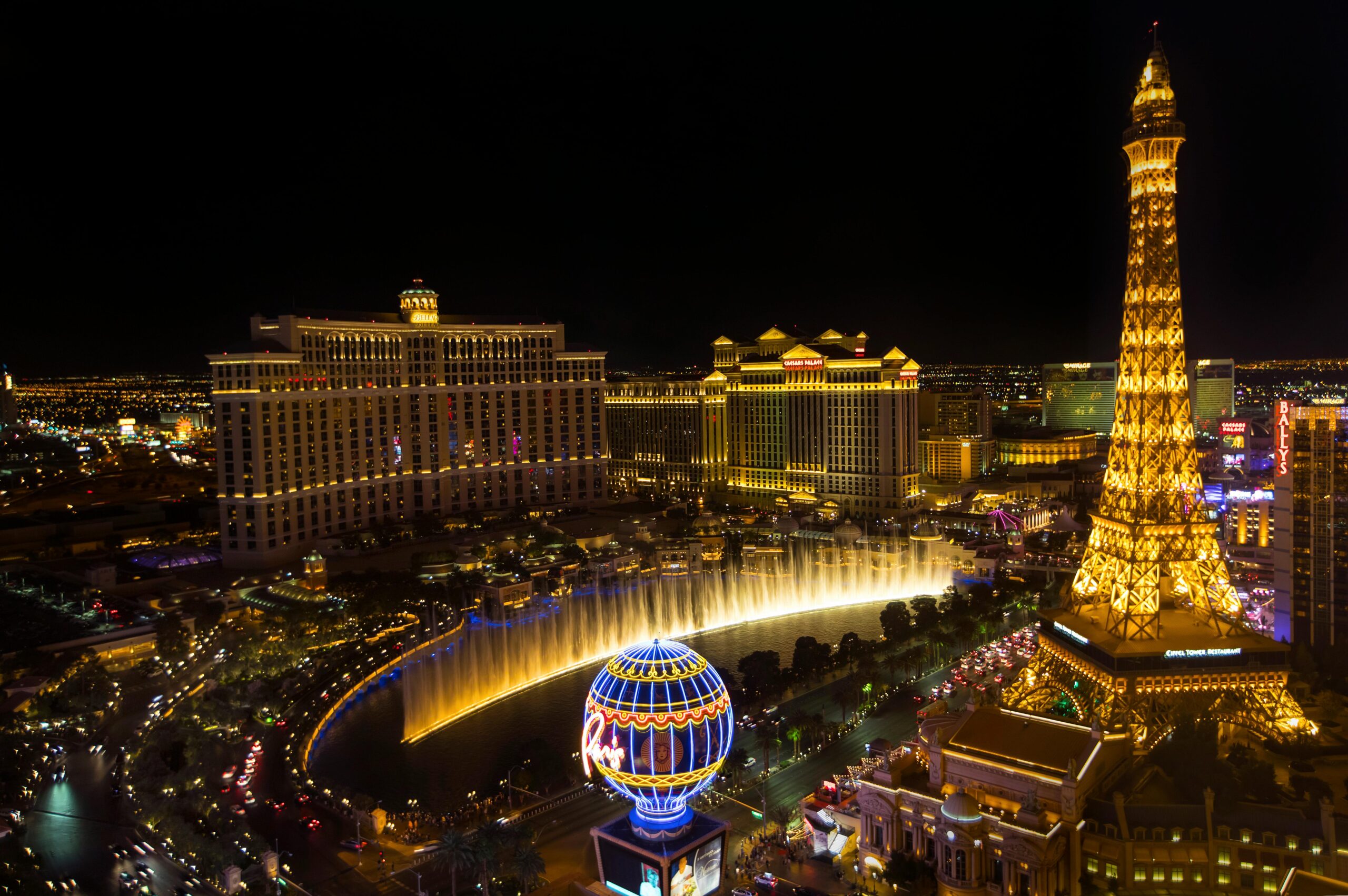
As the 2026 FIFA World Cup approaches, Las Vegas is moving aggressively to capture a share of one of the largest sporting events in the world — even though the city is not an official host venue. Local tourism authorities, led by the Las Vegas Convention and Visitors Authority (LVCVA), are rolling out targeted strategies to attract international soccer fans before, during, and after the tournament.
While the original reporting highlights marketing efforts, the broader story is about how Las Vegas plans to leverage its entertainment infrastructure, global brand, and strategic location to turn the World Cup into a major economic opportunity.
This article explores what Las Vegas is doing, why it matters, what challenges remain, and how the city hopes to stand out in a crowded World Cup tourism landscape.
Why the World Cup Matters for Las Vegas
The FIFA World Cup is the most-watched sporting event on the planet, drawing millions of international travelers and billions of viewers worldwide. Even cities without matches can benefit significantly by becoming:
- fan bases
- travel hubs
- entertainment extensions of host cities
Las Vegas is uniquely positioned for this role.
A Global Brand Already Built for Visitors
Las Vegas welcomes tens of millions of visitors annually and is accustomed to hosting:
- large-scale events
- international tourists
- multilingual audiences
- high-volume hospitality demands
The city’s experience with major sports events — from Formula 1 to the Super Bowl — has proven its ability to handle global attention.
How Las Vegas Is Marketing Itself to World Cup Fans
1. Positioning as the Ultimate Fan Base
Tourism officials are promoting Las Vegas as a place where fans can:
- watch matches on massive screens
- attend themed fan festivals
- enjoy nightlife and entertainment after games
- experience soccer culture without stadium crowds
The goal is to make Las Vegas a World Cup celebration city, not just a viewing destination.
2. Targeting International Markets
Marketing campaigns are being tailored toward:
- Latin America
- Europe
- Asia
- Canada
These regions supply the largest pools of World Cup travelers. Multilingual promotions, culturally tailored messaging, and partnerships with international tour operators are key parts of the strategy.
3. Leveraging Proximity to Host Cities
Las Vegas is within easy flight distance of host cities such as:
- Los Angeles
- San Francisco Bay Area
- Phoenix
This allows fans to:
- attend matches elsewhere
- base themselves in Las Vegas
- combine World Cup travel with entertainment tourism
Short-haul flights and luxury bus packages are part of the planning.
4. Partnerships With Casinos, Hotels, and Venues
Major resorts are expected to:
- host official viewing parties
- offer World Cup-themed hotel packages
- create country-themed events and dining
- sponsor fan zones
This public-private coordination is central to maximizing visitor spending.
What the Original Coverage Didn’t Fully Address
A. Infrastructure Readiness
Las Vegas benefits from:
- one of the world’s largest hotel room inventories
- a major international airport
- extensive convention and event space
However, officials are also focusing on:
- transportation flow during peak weekends
- crowd management in fan zones
- staffing needs for hospitality and security
B. Economic Impact Beyond Hotels
World Cup tourism is expected to boost:
- restaurants
- retail
- rideshare and transport services
- nightlife venues
- entertainment productions
The economic ripple effect could extend well beyond the Strip into surrounding communities.
C. Sports Betting and Fan Engagement
As a global sports betting hub, Las Vegas may attract fans interested in:
- legal soccer wagering
- analytics-driven viewing experiences
- interactive fan lounges
This adds a unique layer to the city’s World Cup appeal that few competitors can match.
D. Cultural Programming Opportunities
Tourism leaders are exploring ways to incorporate:
- international food festivals
- cultural performances
- art installations
- live music tied to participating countries
These experiences can turn soccer fans into repeat visitors.
Challenges Las Vegas Must Navigate
1. Competition From Host Cities
Cities with actual matches have a built-in advantage. Las Vegas must convince fans that:
- staying there enhances the experience
- travel between cities is seamless
- entertainment value outweighs proximity to stadiums
2. Cost Sensitivity
Major events often drive up hotel prices. If costs rise too steeply, fans may choose alternative destinations or limit their stay.
3. Transportation and Sustainability
Increased air traffic and visitor volume raise concerns about:
- airport congestion
- environmental impact
- public transportation capacity
Balancing growth with sustainability will be critical.
Why This Strategy Fits Las Vegas’s Long-Term Vision
Las Vegas has spent the past decade repositioning itself as a global sports and entertainment capital. Hosting or supporting mega-events helps:
- diversify tourism beyond gaming
- attract younger, international audiences
- strengthen the city’s global reputation
The World Cup fits neatly into this broader strategy.
What Visitors Can Expect During the World Cup
Fans traveling to Las Vegas during the tournament can likely expect:
- large-scale outdoor viewing parties
- themed nightlife experiences
- international cuisine pop-ups
- live entertainment tied to match schedules
- easy access to other host cities
For many, the appeal will be combining soccer with Las Vegas’s signature energy.
Frequently Asked Questions
Is Las Vegas hosting World Cup matches?
No. Las Vegas is not an official host city but is positioning itself as a major fan destination.
Why would fans choose Las Vegas without matches?
Because of its entertainment, nightlife, hotel capacity, and proximity to host cities.
Which fans is Las Vegas targeting most?
International travelers, especially from soccer-loving regions like Latin America and Europe.
Will there be official fan zones?
Tourism officials and resorts are planning large-scale viewing areas and themed events.
How far is Las Vegas from host cities?
It’s a short flight or drive from several West Coast host cities.
Will prices increase during the World Cup?
Prices are expected to rise, but Las Vegas’s large hotel inventory may help moderate spikes.
Is this part of a bigger tourism strategy?
Yes. The World Cup aligns with Las Vegas’s push to become a global sports tourism hub.
Final Thoughts
Las Vegas may not host World Cup matches, but it is determined to play a starring role in the tournament’s tourism story. By combining world-class entertainment, global accessibility, and strategic marketing, the city aims to turn soccer’s biggest event into a massive economic and cultural win.
If successful, the World Cup could further cement Las Vegas’s status not just as a place to watch sports — but as a place where the world comes to celebrate them.

Sources Las Vegas Review Journal

