
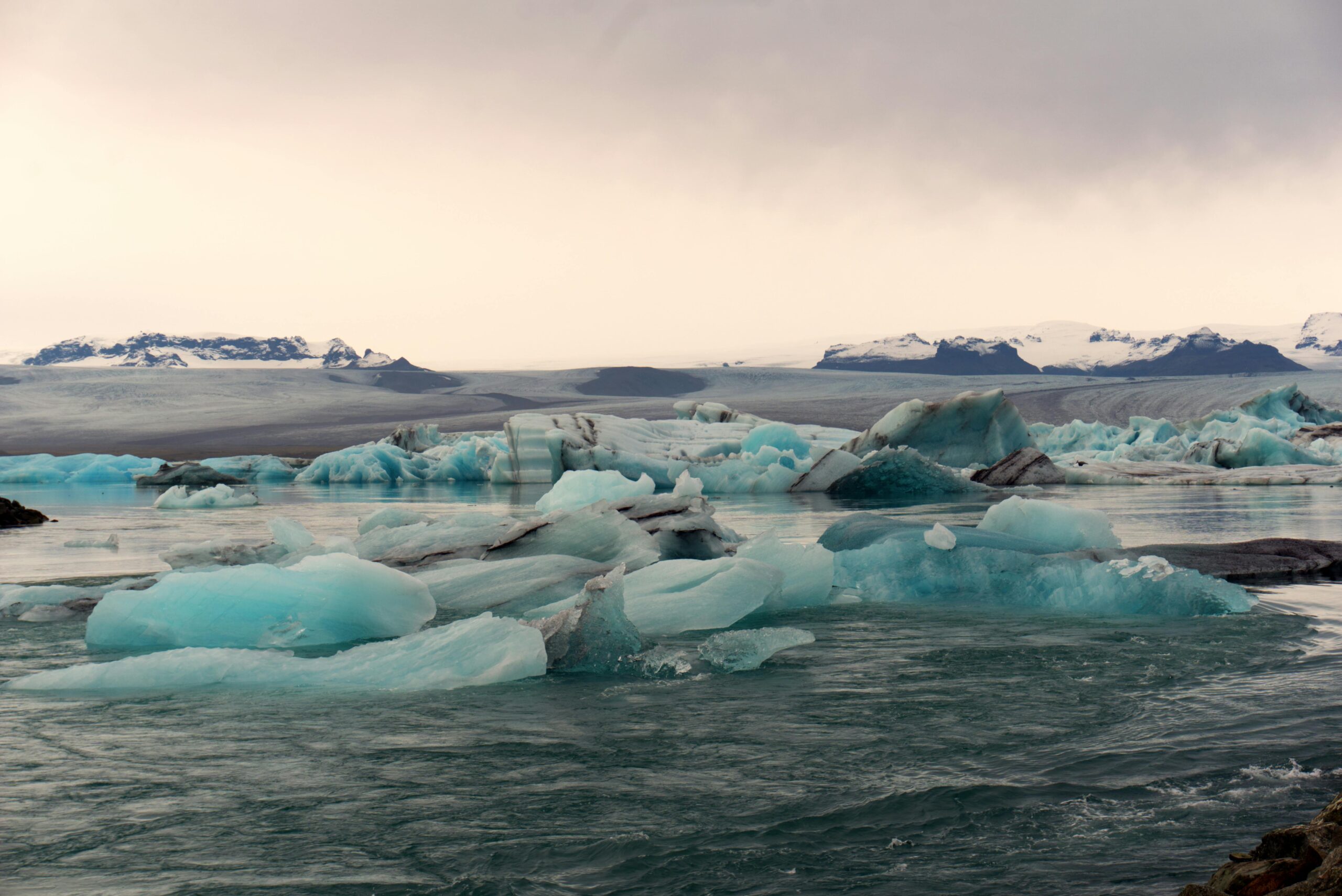
Across the world, glaciers are retreating at an alarming pace. From Alaska to the Alps, from Patagonia to the Himalayas, once-mighty rivers of ice are thinning, shrinking, and in some cases disappearing entirely. As scientific warnings grow more urgent, a new travel trend has surged alongside them: “last-chance tourism.”
Travelers are rushing to see glaciers before they vanish — to stand on ancient ice, kayak past floating icebergs, or photograph shimmering blue crevasses while they still exist. But this growing urgency raises a difficult question: Does visiting vanishing glaciers help raise awareness — or does it accelerate their demise?
This article explores the environmental, economic, psychological, and ethical dimensions of last-chance tourism, expanding on the broader implications that often go unexamined.
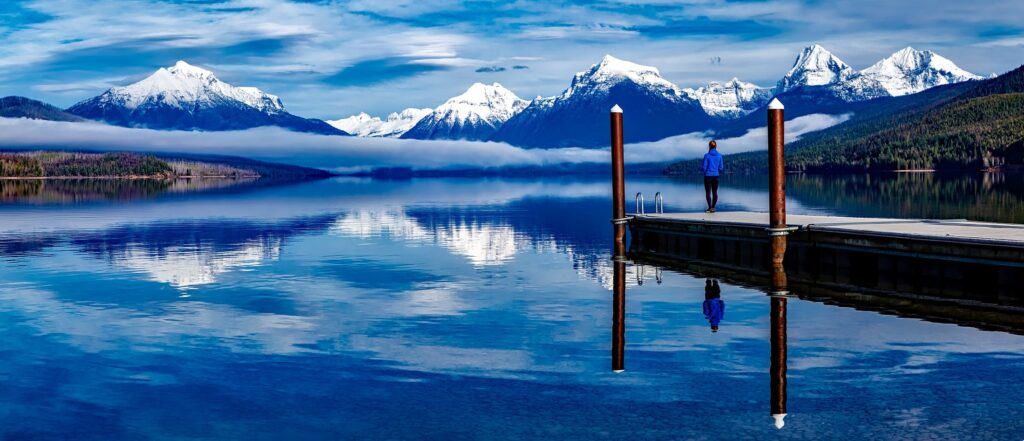
What Is Last-Chance Tourism?
Last-chance tourism refers to travel motivated by the desire to see natural wonders that are threatened or expected to disappear due to climate change or environmental degradation. Glaciers have become one of its most visible symbols.
Popular glacier destinations include:
- Alaska’s Mendenhall and Exit Glaciers
- Montana’s Glacier National Park
- Iceland’s Vatnajökull and Sólheimajökull
- Switzerland’s Aletsch Glacier
- Patagonia’s Perito Moreno
- Greenland’s Ilulissat Icefjord
Tour operators often market these destinations with subtle urgency: “See it before it’s gone.”
The Science Behind Glacier Loss
Glaciers form when snow accumulates faster than it melts over many years. However, rising global temperatures have disrupted this balance.
Key Drivers of Glacier Retreat:
- Rising global temperatures from greenhouse gas emissions
- Warmer ocean waters, which melt marine-terminating glaciers from below
- Reduced snowpack, meaning less replenishment
- Soot and pollution, which darken ice surfaces and increase heat absorption
According to climate research, most of the world’s glaciers are losing mass annually. Some smaller glaciers may disappear entirely within decades if warming continues at its current rate.
The consequences extend far beyond lost scenery. Glaciers regulate freshwater supplies for millions of people, stabilize mountain ecosystems, and influence global sea levels.
The Paradox of Visiting Vanishing Ice
At first glance, glacier tourism seems harmless — even educational. Visitors often leave with a deeper appreciation of climate science. However, increased visitation carries environmental costs.
1. Carbon Emissions from Travel
Most glacier tourism requires air travel, cruise ships, or long-distance driving — all significant contributors to carbon emissions. Ironically, the act of traveling to witness climate change contributes to the very problem being observed.
For example:
- International flights produce substantial CO₂ per passenger.
- Cruise ships in Arctic regions burn heavy fuel oil, emitting black carbon that can settle on ice and accelerate melting.
2. Local Environmental Strain
Rising visitor numbers can strain fragile ecosystems:
- Trail erosion in alpine areas
- Increased waste and infrastructure development
- Helicopter tours that disturb wildlife
- Increased boat traffic in glacial fjords
While glaciers themselves melt primarily due to global warming, local human pressure compounds environmental stress.
The Economic Dependence on Glacier Tourism
In many communities, glacier tourism is not optional — it is essential.
Regions such as southeast Alaska, Iceland, and parts of the European Alps rely heavily on seasonal visitors. Glacier-related activities include:
- Guided hikes and ice climbing
- Kayaking and boat tours
- Scenic flights
- Photography expeditions
- Educational eco-tours
As glaciers shrink, local economies face uncertainty. Some communities adapt by shifting marketing to broader adventure tourism. Others attempt to pivot toward climate education.
This creates a moral tension: limiting tourism could reduce emissions, but it could also harm livelihoods.
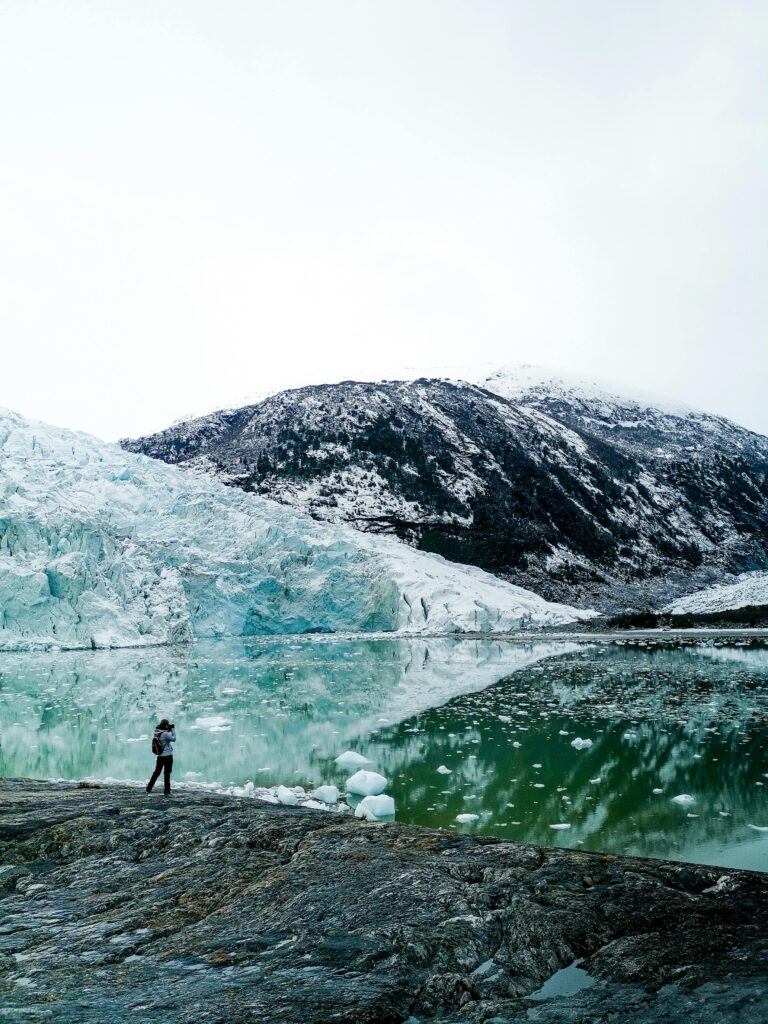
The Psychology of “See It Before It’s Gone”
Last-chance tourism is driven by a mix of awe, fear, nostalgia, and urgency.
Psychologists suggest that people are more motivated to act when loss feels immediate and tangible. Witnessing a melting glacier can make climate change emotionally real in a way that statistics cannot.
However, there’s also a risk of “eco-anxiety tourism” — where travelers seek emotional closure rather than systemic solutions.
The deeper question becomes: Does witnessing environmental loss inspire action, or does it create a sense of fatalism?
Are Visitors Accelerating Glacier Melting Directly?
In most cases, tourists are not directly melting glaciers through physical contact. The primary cause remains global warming.
However, indirect effects include:
- Carbon emissions from transportation
- Infrastructure development near glaciers
- Soot particles from ships and aircraft that darken ice
- Increased commercialization that normalizes high-impact travel
The cumulative effect of global tourism contributes significantly to global emissions — and glaciers are among the most visible casualties.
Responsible Glacier Tourism: Is It Possible?
Completely eliminating glacier tourism is unrealistic. Instead, experts emphasize responsible practices:
For Travelers:
- Choose direct flights and minimize long-haul travel when possible
- Support certified sustainable tour operators
- Avoid helicopter tours where alternatives exist
- Follow “leave no trace” principles
- Offset carbon emissions responsibly (while recognizing offsets are not a full solution)
- Combine glacier visits with climate education experiences
For Tour Operators:
- Transition to cleaner fuels and electric transport
- Limit group sizes
- Invest in conservation initiatives
- Provide climate education during tours
For Governments:
- Regulate cruise traffic in fragile Arctic regions
- Invest tourism revenue into climate mitigation
- Protect surrounding ecosystems from overdevelopment
The Broader Climate Implications
Glacier loss is not just a travel story — it is a global crisis.
Consequences include:
- Sea-level rise, threatening coastal cities
- Water shortages, particularly in regions dependent on glacier-fed rivers
- Increased flooding and glacial lake outburst floods
- Loss of biodiversity
- Cultural impacts for Indigenous communities who view glaciers as sacred landscapes
Glaciers act as climate indicators — their retreat signals broader planetary instability.
Frequently Asked Questions (FAQs)
1. What is last-chance tourism?
It is travel motivated by the desire to see natural environments that are threatened or expected to disappear due to climate change or environmental degradation.
2. Are glaciers really disappearing that fast?
Yes. Many glaciers worldwide are retreating rapidly. Some smaller glaciers may vanish within decades if global temperatures continue rising.
3. Does visiting a glacier directly cause it to melt?
Not directly. Glacier melting is primarily caused by global warming. However, travel emissions and local environmental impacts contribute indirectly.
4. Is it unethical to visit a glacier now?
It depends on how you travel. High-emission travel methods and unsustainable tours increase environmental impact. Responsible, low-impact travel combined with climate awareness can reduce harm.
5. How can tourists reduce their impact?
Choose sustainable operators, minimize flights, avoid helicopter tours, reduce waste, and support conservation programs.
6. Why do communities continue promoting glacier tourism?
Many local economies depend on tourism income. Glacier tourism supports jobs, infrastructure, and regional development.
7. What happens if glaciers disappear?
Beyond losing scenic beauty, impacts include sea-level rise, water scarcity, ecosystem disruption, and economic consequences for tourism-dependent communities.
8. Can glacier retreat be reversed?
Large-scale glacier recovery would require substantial and sustained reductions in global greenhouse gas emissions. Some ice loss may be irreversible within human timescales.
Conclusion
Last-chance tourism at vanishing glaciers embodies a powerful contradiction. People travel to witness the fragile beauty of melting ice — often moved by concern — yet their journeys contribute to the global emissions driving its disappearance.
The real challenge is not whether people should see glaciers before they are gone. It is whether the experience inspires meaningful change. If witnessing retreating ice motivates systemic climate action, sustainable travel reform, and deeper environmental responsibility, then glacier tourism may serve a purpose beyond spectacle.
The clock is ticking — not just for glaciers, but for how humanity chooses to respond.
Sources The Seattle Times

