
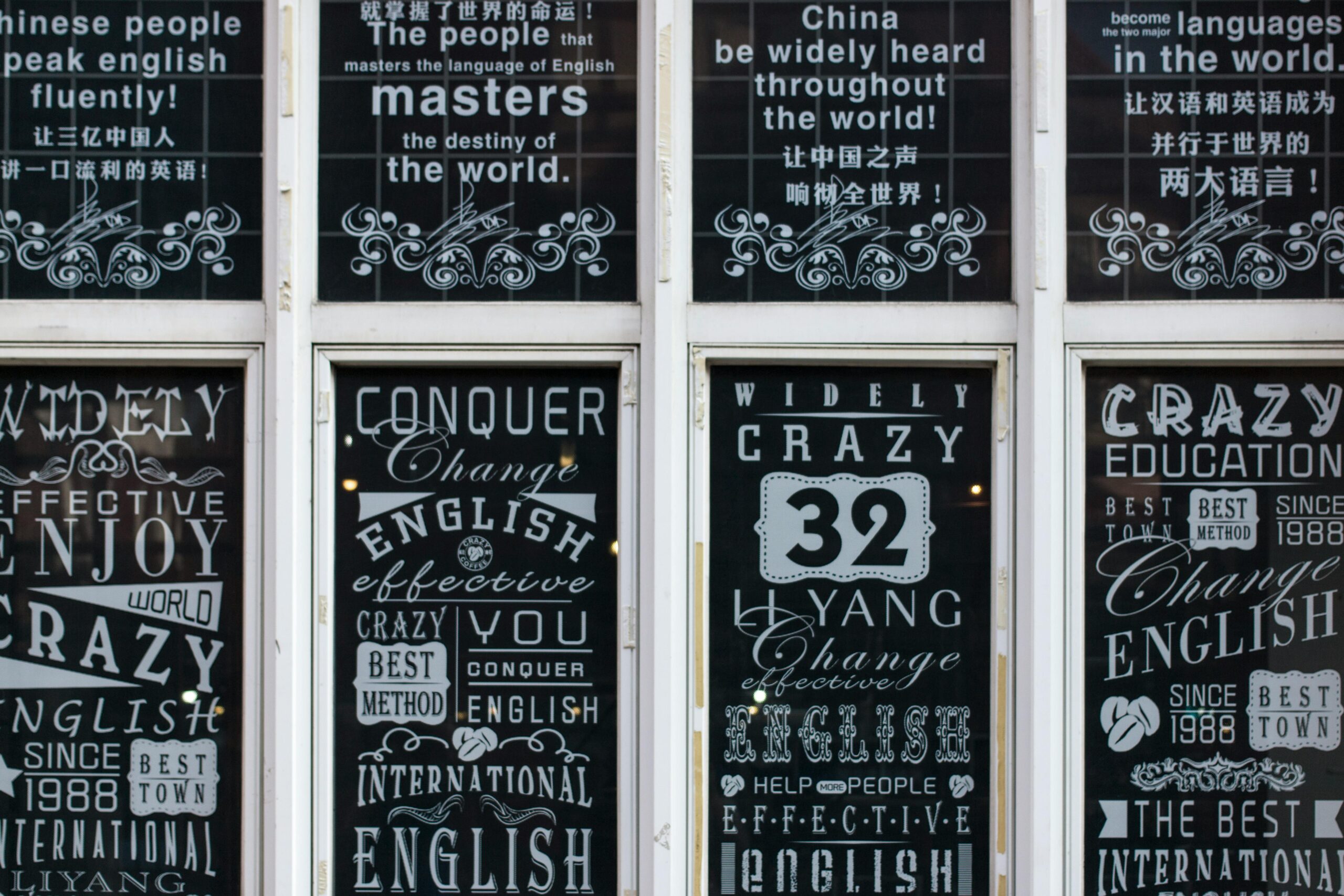
For many people, speaking English fluently is seen as a marker of belonging in English-speaking societies. But for millions of bilingual and multilingual individuals, fluency does not erase the deeper, often invisible experience of constantly translating—internally, emotionally, and culturally.
The CBC first-person article captures this lived reality: speaking English externally while internally navigating another language and identity. Expanding on that perspective, this article explores the broader dimensions of what it means to live in translation—from cognitive processes and cultural identity to social expectations and emotional complexity.

The Invisible Work of Constant Translation
1. Thinking in Two (or More) Languages
For bilingual individuals:
- Thoughts may originate in one language
- Conversations happen in another
- Emotions may feel more “natural” in a specific language
This creates a continuous mental loop of:
- Interpreting meaning
- Choosing the right words
- Adjusting tone and context
2. Translation Beyond Words
Translation isn’t just linguistic—it includes:
- Cultural references
- Humor and idioms
- Social norms and expectations
For example:
- A joke in one language may not work in another
- A direct translation may sound awkward or even offensive
Identity and Language: More Than Communication
1. Language as Identity
Language shapes:
- How people express themselves
- How they connect with others
- How they understand the world
When someone is always translating, they may feel:
- Partially rooted in multiple cultures
- Fully belonging to none
2. The “In-Between” Experience
Many bilingual individuals describe feeling:
- “Not enough” in one language
- “Too different” in another
This in-between space can be:
- Enriching
- Confusing
- Emotionally complex
Emotional Dimensions of Translation
1. Feelings That Don’t Translate
Some emotions are tied deeply to language:
- Certain words carry cultural weight
- Emotional expression may feel stronger in a native language
Translating these feelings can:
- Dilute meaning
- Create frustration
- Lead to miscommunication
2. Code-Switching and Emotional Shifts
Switching languages can also mean:
- Shifting tone or personality
- Adapting to different social expectations
For example:
- Being more formal in one language
- More expressive in another
Social Pressures and Expectations
1. The Myth of “Perfect Fluency”
Fluent speakers are often expected to:
- Speak without hesitation
- Understand every nuance
- Represent their culture accurately
In reality:
- Fluency doesn’t eliminate internal translation
- Mistakes and gaps still exist
2. Acting as Cultural Interpreters
Bilingual individuals are often expected to:
- Translate for family or community
- Explain cultural differences
- Bridge communication gaps
This role can be:
- Empowering
- Exhausting

Cognitive Benefits of Bilingualism
Despite challenges, constant translation offers advantages:
1. Mental Flexibility
Bilingual individuals often:
- Switch between tasks more easily
- Adapt to new situations quickly
2. Enhanced Problem-Solving
Managing multiple languages can improve:
- Analytical thinking
- Decision-making
3. Greater Empathy
Understanding multiple perspectives fosters:
- Cultural awareness
- Emotional intelligence
Challenges Often Overlooked
1. Mental Fatigue
Constant translation can lead to:
- Cognitive overload
- Communication exhaustion
2. Fear of Misrepresentation
Individuals may worry about:
- Saying the wrong thing
- Miscommunicating cultural meaning
3. Loss of Language Over Time
Living in an English-dominant environment may lead to:
- Gradual loss of native language fluency
- Emotional disconnect from cultural roots
The Role of Society
1. Encouraging Multilingualism
Societies can:
- Value linguistic diversity
- Support language learning
- Promote inclusive communication
2. Reducing Linguistic Bias
People who speak with accents or translate internally often face:
- Assumptions about intelligence
- Social bias
Greater awareness can help:
- Normalize diverse speech patterns
- Encourage acceptance
Technology and Translation
1. AI and Translation Tools
Modern tools can:
- Assist with communication
- Reduce language barriers
However, they cannot fully capture:
- Cultural nuance
- Emotional depth
2. Digital Communication
Global connectivity has increased:
- Cross-language interaction
- Need for real-time translation
Embracing the Multilingual Experience
1. A Unique Strength
Living in translation is not a limitation—it is:
- A skill
- A perspective
- A bridge between worlds
2. Redefining Belonging
Instead of choosing one identity, individuals can:
- Embrace multiple
- Build hybrid identities
- Create new forms of expression
Frequently Asked Questions (FAQs)
1. What does it mean to always be translating?
It refers to the mental process of converting thoughts, emotions, and cultural meaning between languages in everyday life.
2. Do bilingual people think in one language or both?
Often both. It depends on context, emotion, and environment.
3. Is constant translation mentally exhausting?
Yes, it can be, especially in high-pressure or fast-paced situations.
4. Why do some feelings not translate well?
Because language is tied to culture, and certain concepts or emotions may not have direct equivalents.
5. What is code-switching?
It is the practice of switching between languages or styles of speech depending on context.
6. Are there benefits to living in multiple languages?
Yes, including cognitive flexibility, empathy, and broader cultural understanding.
7. Can technology replace human translation?
Not fully. It lacks the cultural and emotional nuance of human communication.
Conclusion
To speak English fluently while constantly translating is to live in a space between languages, cultures, and identities. It is an experience that often goes unnoticed—but shapes how millions of people think, feel, and connect with the world.
Rather than viewing this as a challenge alone, it can also be seen as a powerful form of cultural navigation and human connection—a reminder that language is not just about words, but about the many ways we understand and express who we are.

Sources CBC

