

Los Angeles, one of the world’s most visited cities, is seeing a noticeable decline in international tourists. The summer of 2025 was quieter than usual, with empty tables at restaurants, fewer travelers at attractions like Hollywood Boulevard, and hotel occupancy dipping below expectations.
This downturn is raising alarms across hospitality, retail, and entertainment sectors, which depend heavily on international spending.
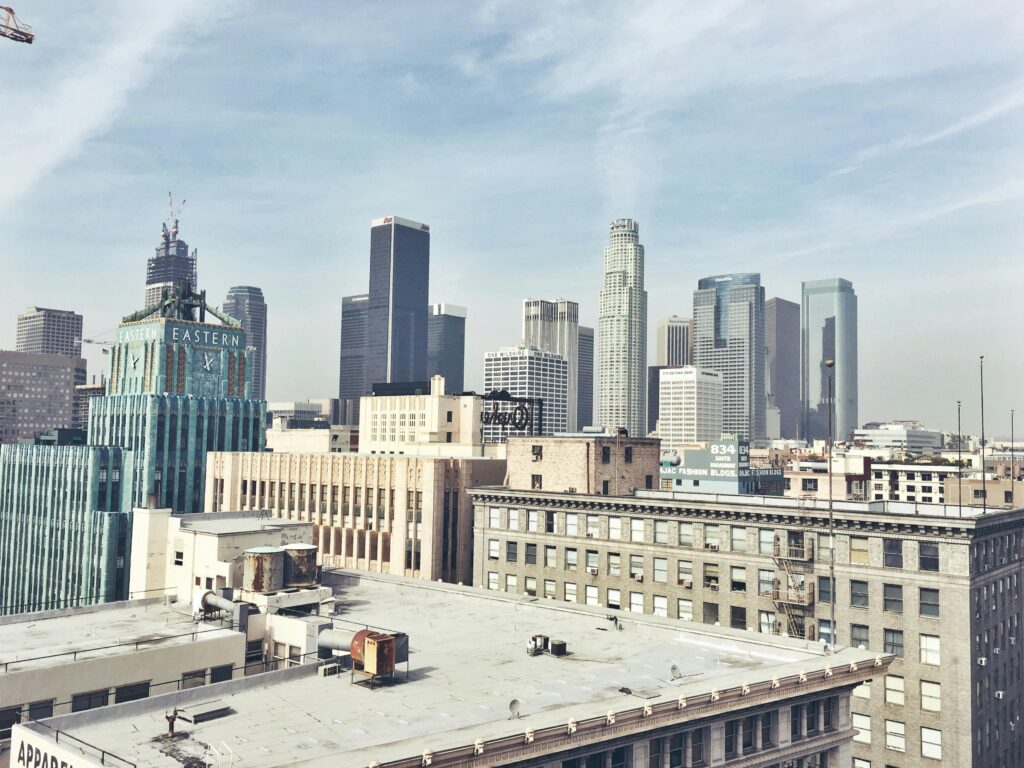
The Decline by the Numbers
- International arrivals to LAX dropped 12% compared to 2024, despite global travel rebounding in other major hubs.
- Visitor spending from foreign tourists, who typically spend more than domestic travelers, has fallen by hundreds of millions of dollars.
- Hotel occupancy in core tourist districts like Hollywood and Downtown has softened, with revenue per available room down nearly 8%.
Why International Tourists Are Skipping L.A.
1. Safety and Perception Issues
Headlines about crime, homelessness, and drug use have shaped global perceptions of Los Angeles as unsafe. While actual crime trends are mixed, international visitors often rely on media images when deciding where to go.
2. Cost and Inflation
- Airfares to the U.S. remain high.
- A strong U.S. dollar makes California significantly more expensive for Europeans, Canadians, and Latin Americans.
- Local costs — hotels, dining, entertainment — are higher than many competing destinations.
3. Competition from Other Cities
- Cities like Las Vegas, Miami, and San Diego are actively marketing themselves as cheaper, safer, or easier alternatives.
- Asian and European destinations are also aggressively pursuing long-haul travelers with incentives, streamlined visas, and cultural campaigns.
4. Visa Delays and Barriers
U.S. visa backlogs persist, particularly in countries like Brazil, India, and China. Travelers face long waits or complex requirements that make competing destinations more attractive.
5. Local Tourism Dynamics
- Domestic U.S. visitors still come in large numbers, but they spend less on average compared to international travelers.
- The shift affects luxury retailers, high-end dining, and flagship entertainment venues that rely on global customers.
Ripple Effects on L.A.’s Economy
- Hospitality sector: Restaurants in tourist hotspots are struggling, cutting staff hours.
- Retail: Luxury brands along Rodeo Drive and The Grove see fewer international shoppers.
- Cultural attractions: Museums and entertainment venues lose ticket revenue from high-spending groups.
- Gig economy: Tour guides, rideshare drivers, and service providers report smaller tips and fewer bookings.

How L.A. Is Responding
- Tourism campaigns: Los Angeles Tourism & Convention Board is ramping up global marketing with new campaigns targeting Latin America, Europe, and Asia.
- Event-driven strategy: L.A. is banking on major events like the 2026 FIFA World Cup and the 2028 Olympics to bring back international crowds.
- Partnerships: Hotels and airlines are collaborating on bundled packages to make L.A. more affordable.
- Safety initiatives: The city has pledged to improve cleanliness, homelessness services, and public safety in high-tourist areas.
Broader Challenges
- Brand reputation: Rebuilding trust takes longer than losing it. L.A. must tackle root causes — not just marketing spin.
- Equity issues: Tourism is a major employer for immigrant and working-class communities; declines hit these groups hardest.
- Climate and sustainability: Rising heatwaves and environmental stress also affect L.A.’s image as a pleasant vacation spot.
Frequently Asked Questions
| Question | Answer |
|---|---|
| Why is international tourism important to L.A.? | International visitors spend more per capita, supporting hotels, restaurants, luxury retail, and cultural venues. |
| How much has tourism declined? | Roughly 12% fewer international arrivals compared to last year. |
| Which groups are not coming? | Significant drops are seen from Europe, China, and Latin America, partly due to visas, currency, and cost. |
| Are domestic tourists replacing them? | Domestic travel is strong, but U.S. visitors spend less overall than international travelers. |
| Is Los Angeles unsafe for tourists? | Crime exists but is unevenly distributed. Still, global media portrayals emphasize homelessness and crime, shaping perceptions. |
| What’s being done to fix visa delays? | U.S. authorities are working to clear backlogs, but improvements vary by country. |
| What about major events? | The 2026 World Cup and 2028 Olympics are expected to deliver record-breaking tourism, giving L.A. a chance to reset its image. |
| How does this affect workers? | Declines hit hotel staff, restaurant workers, rideshare drivers, and tour operators hardest. |
| Is this unique to L.A.? | No, but the scale is sharper here compared to cities like New York or Miami, which have rebounded more quickly. |
| What’s the long-term outlook? | If safety, cost, and visa challenges are addressed, L.A. could recover by the mid-2020s; if not, it risks losing market share permanently. |
Conclusion
Los Angeles faces a pivotal moment: international visitors are down, competition is rising, and reputational challenges loom large. While the city still boasts global cultural power and upcoming mega-events, rebuilding confidence will take sustained effort in safety, affordability, and international outreach.
For now, L.A. must prove it is not only the entertainment capital of the world, but also a destination that feels safe, welcoming, and worth the cost.
Sources Los Angeles Times

