
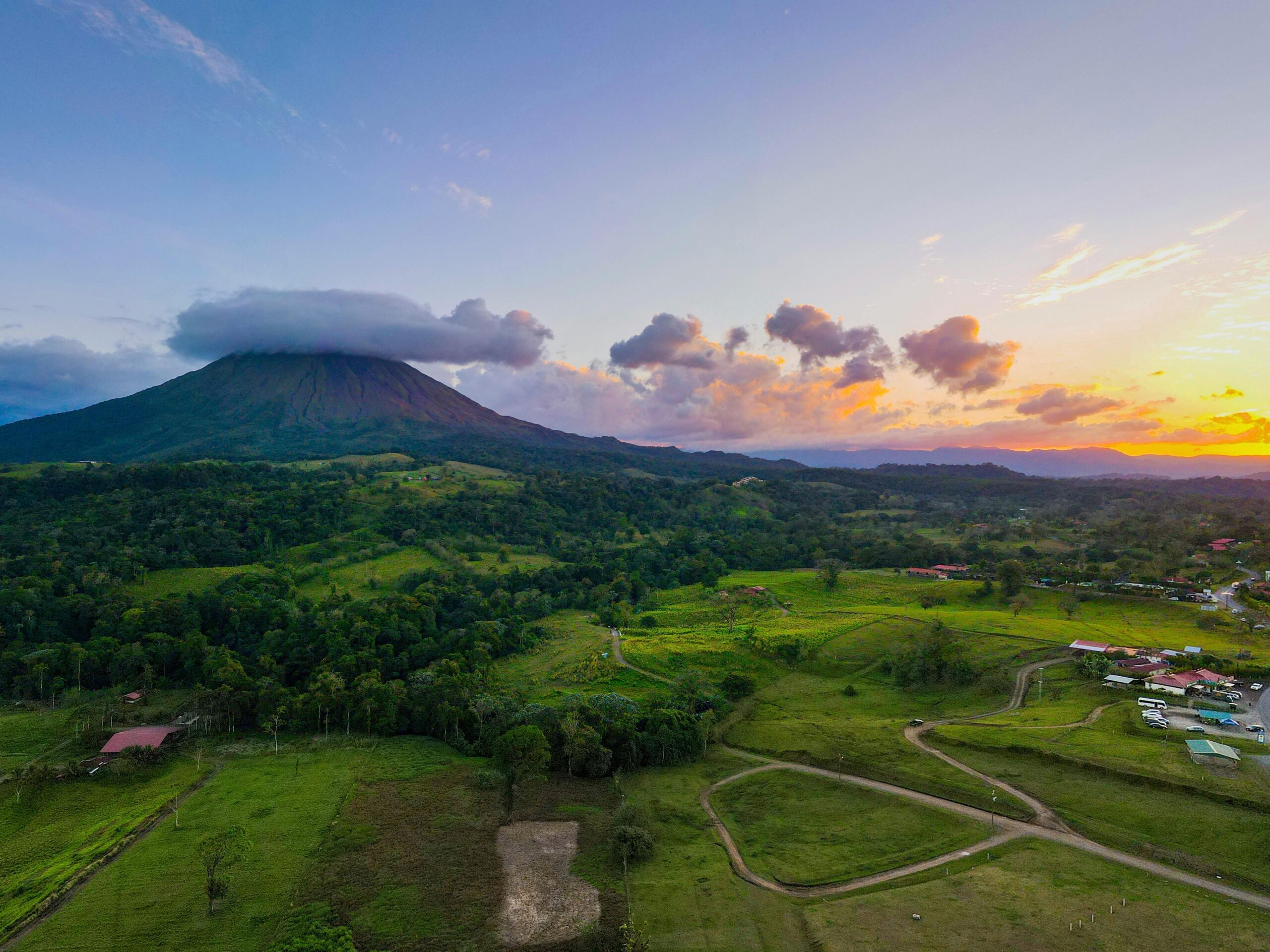
For decades, Costa Rica has been the gold standard of eco-tourism. Lush rainforests, biodiversity-rich national parks, political stability, and a strong conservation ethic turned the country into one of Central America’s most successful travel destinations. But in 2026, signs are emerging that Costa Rica is losing tourism market share to regional competitors such as Mexico, Guatemala, Colombia, and even lesser-known destinations.
This shift does not mean Costa Rica is failing—but it does suggest that its once-unquestioned dominance is being challenged by a rapidly changing travel landscape.
Costa Rica’s Tourism Model: A Past Success Story
Eco-Tourism Pioneer
Costa Rica built its reputation on:
- National park protection
- Wildlife-focused tourism
- Carbon neutrality ambitions
- Small-scale, nature-based experiences
This model attracted environmentally conscious travelers long before sustainability became mainstream.
Political Stability and Safety
Compared to many neighbors, Costa Rica benefited from:
- Long-standing democracy
- No standing army
- Strong rule of law
For years, this gave it a competitive edge in traveler confidence.
Why Costa Rica Is Losing Ground
Rising Costs and Price Sensitivity
One of the biggest challenges is cost. Costa Rica has become one of the most expensive destinations in Central America due to:
- A strong local currency
- High taxes and operating costs
- Rising wages and living expenses
- Elevated prices for lodging, food, and transportation
Travelers increasingly compare value—and many find similar experiences elsewhere for less.
Competition Offering “Eco-Tourism Lite”
Destinations like Mexico and Guatemala now offer:
- Nature and adventure tourism
- Cultural heritage sites
- Wildlife encounters
often at lower prices and with more developed infrastructure. While these destinations may not match Costa Rica’s conservation depth, they appeal to travelers seeking affordability and convenience.
Infrastructure and Accessibility Issues
Costa Rica faces:
- Congested roads
- Limited public transportation
- Strained airports during peak seasons
Meanwhile, competitors are investing heavily in:
- Airport expansion
- Highway upgrades
- Cruise and resort infrastructure
Ease of travel increasingly influences destination choice.
Changing Traveler Preferences
From Eco-Purity to Hybrid Experiences
Modern travelers often want:
- Nature and nightlife
- Sustainability and comfort
- Adventure and urban experiences
Costa Rica’s more restrained tourism model can feel limiting compared to destinations offering broader entertainment options.
Shorter Trips and Budget Constraints
Inflation and economic uncertainty have:
- Shortened average trip lengths
- Increased price sensitivity
- Shifted demand toward all-inclusive or multi-purpose destinations
Costa Rica’s pricing structure struggles in this environment.
Sustainability: Strength or Constraint?
The Cost of Doing Things Right
Costa Rica’s strong environmental protections:
- Limit large-scale resort development
- Restrict land use
- Increase compliance costs
While essential for conservation, these policies also:
- Constrain supply
- Keep prices high
- Reduce scalability
Other destinations often operate with fewer restrictions.
Overtourism Pressures
Ironically, Costa Rica’s success has led to:
- Crowding in popular parks
- Environmental strain
- Community fatigue
Managing impact has become more difficult—and more expensive.
Economic and Social Impacts
Local Businesses Feel the Pressure
Smaller hotels, tour operators, and guides face:
- Declining occupancy
- Increased competition
- Rising operational costs
Margins are shrinking, particularly outside peak season.
Workforce Challenges
Tourism workers struggle with:
- High cost of living
- Housing shortages in resort areas
- Seasonal income instability
This affects service quality and workforce retention.
How Costa Rica Can Regain Competitiveness
Shift From Volume to Value—Again
Rather than competing on price, Costa Rica could:
- Reinforce premium eco-tourism branding
- Target higher-spending, longer-stay visitors
- Invest in niche markets like wellness, education, and research tourism
Improve Infrastructure Without Compromising Nature
Strategic investments in:
- Public transport
- Road efficiency
- Regional airport connectivity
could improve visitor experience without undermining sustainability.
Marketing the Difference
Costa Rica’s strongest asset remains credibility. Clearly communicating:
- Authentic conservation outcomes
- Community benefits
- Long-term environmental protection
can justify higher prices—if done transparently.
What This Means for Central American Tourism
Costa Rica’s challenges highlight a broader regional trend:
- Tourism is becoming more competitive
- Sustainability alone is no longer enough
- Value, accessibility, and experience diversity matter more than ever
The region’s tourism hierarchy is evolving.
Frequently Asked Questions (FAQs)
Is tourism declining in Costa Rica overall?
Not collapsing, but growth is slower and market share is declining relative to competitors.
Why are travelers choosing Mexico or Guatemala instead?
Lower costs, easier access, broader entertainment options, and improving safety perceptions.
Is Costa Rica too expensive now?
For many travelers, yes—especially families and budget-conscious visitors.
Does sustainability hurt Costa Rica’s competitiveness?
It raises costs, but it is also the country’s strongest long-term advantage.
Can Costa Rica compete without lowering prices?
Yes, by targeting high-value travelers and emphasizing authentic eco-tourism.
Are environmental protections likely to be relaxed?
Unlikely. Conservation remains a core national priority.
Will Costa Rica remain a top eco-tourism destination?
Yes, but it must adapt to changing market realities to maintain leadership.
Conclusion
Costa Rica is not losing its tourism identity—but it is losing unquestioned dominance. In a region where competitors are improving infrastructure, lowering barriers, and broadening appeal, Costa Rica must decide how to evolve without sacrificing the values that made it successful.
The challenge ahead is not whether Costa Rica can compete—but whether it can redefine competitiveness on its own terms, proving that sustainability, when properly communicated and managed, remains a powerful draw rather than a costly constraint.

Sources The Tico Times

