
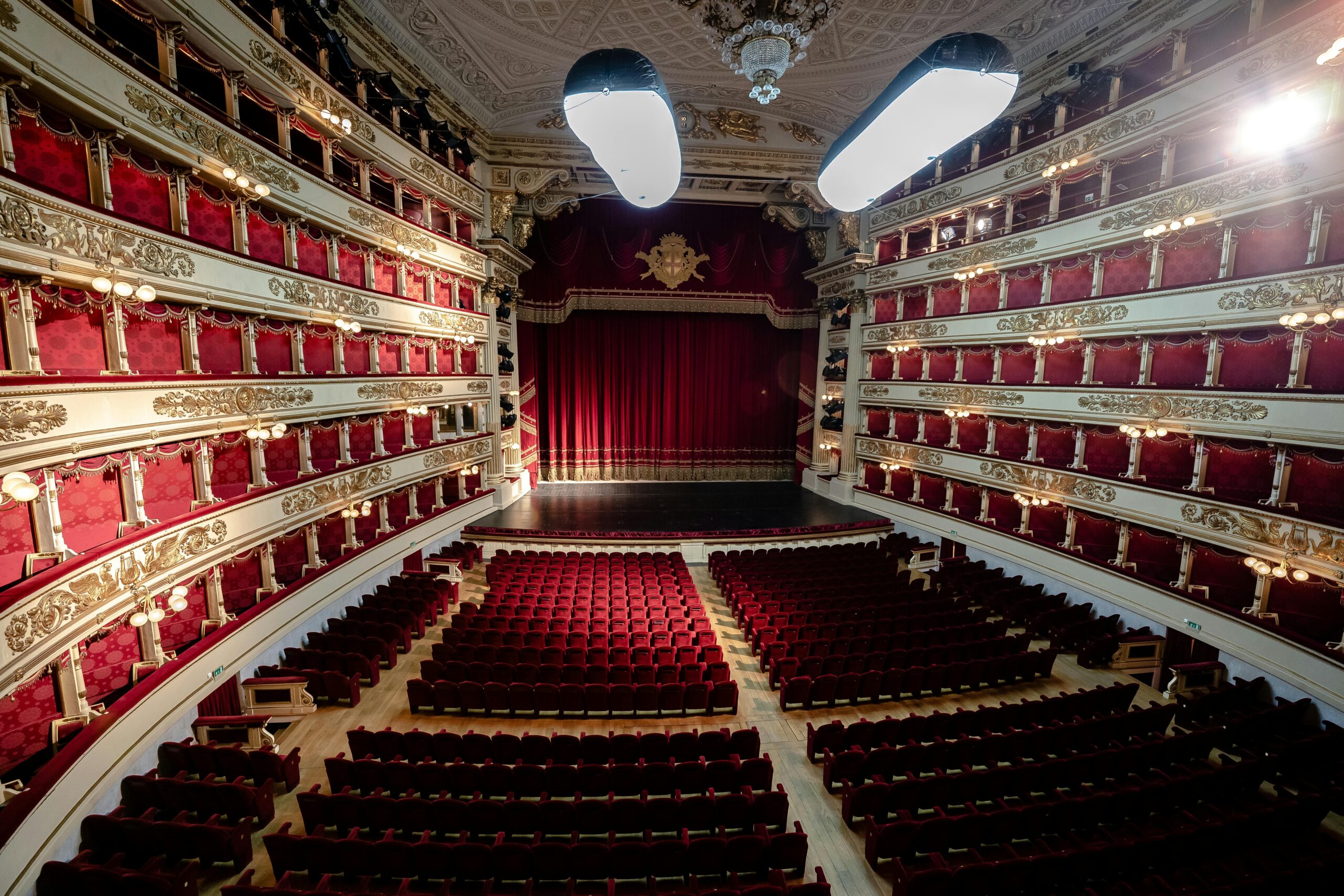
Verdi’s operatic canon is rich with masterpieces that have traveled across languages and continents. But one piece has long suffered from a neglect of its original Italian essence. Now, the Royal Opera House is bringing that work back in something closer to Verdi’s original voice—giving audiences both an artistic restoration and a cultural correction.
What’s the Story
- A Verdi opera, which had for many years been performed primarily in a translation or a version modified from its original Italian text, is being re-revived in an Italian version that more faithfully restores Verdi’s original structure, pacing, and libretto.
- This new production addresses earlier issues: clunky translations, cuts or alterations due to translation mismatches, and performances that prioritized accessibility over fidelity.
- The revival includes reinstating certain arias, recitatives, or dialog sequences that had previously been omitted or altered in the translated versions. Also, the production emphasizes linguistic clarity, musical authenticity, and staging that respects Verdi’s direction as much as possible.
Historical and Artistic Context
To appreciate why this matters, some background is useful:
- Verdi’s Italian and French Versions
Verdi composed several works for French opera houses or audiences; sometimes that meant writing in French, or translating librettos, or creating alternate versions. Translating was common practice in the 19th century to adapt to local audiences, but these adaptations often introduced changes—the tone, the phrasing, pacing, even plot sometimes shifted. - Challenges of Translation
Translating an opera isn’t simply swapping words—it affects rhyme, meter, how words sit on melody, dramatic tension. Translators often need to compromise: making surtitles, choosing between literal meaning or musicality, sometimes even altering text to fit musical phrasing that was composed with Italian phonetics in mind. - Lost Material & Restorations
Many of Verdi’s works have what musicologists call critical editions, where scholars reconstruct the score by referring to original manuscripts, early prints, and revisions. In some cases, material was lost, changed by censorship, or modified for translation purposes and later removed. Restoring those pieces is a crucial act of historical fidelity. - Stiffelio / Aroldo Example
One opera, Stiffelio, was heavily censored in Verdi’s time. It was later revised and reworked into Aroldo. Some of the textual, thematic, and musical content was changed or borrowed. Such works illustrate how versions drifted from Verdi’s original intents.
Why This Revival Matters
- Artistic Integrity: Performing in the more faithful Italian version lets the audience experience the nuance of Verdi’s language, his rhythmic and phonetic choices, his dramatic intent.
- Cultural & Linguistic Identity: Verdi’s operas are central to Italian cultural heritage. Restoring original language helps preserve that identity.
- Education & Scholarship: For opera scholars, singers, conductors—having performances that align more with the original scores is vital for training, research, and continued appreciation.
- Audience Experience: For audience members, hearing the opera in its more authentic version can be a richer experience—more powerful emotional impact, better dramatic pacing, more coherence between words and music.
What Was Likely Missed in Earlier Versions
Here are things earlier performances tended to gloss over or modify, which this revival is seeking to reinstate or correct:
- Recitatives and Dialogues that were cut in translated versions because they were difficult to adapt. Reinstating them can restore dramatic flow.
- Musical Phrasing that gets distorted when the language doesn’t match the original. Italian has particular vowel lengths, consonant treatments, and rhythms that interact with melody in specific ways.
- Censorship or Moral Edits: Some original versions had text or themes considered controversial (religion, morality, politics) that were altered. This revival may restore more of Verdi’s intended thematic nuance.
- Local Dialects or Pronunciation Nuance: Many earlier productions used neutral or non-Italian accents for accessibility or clarity. Restoring Italian diction and more native pronunciation may change how lines are delivered, how emotions come through.
Potential Challenges in Reviving the Authentic Version
- Singer Comfort & Pronunciation Skills: Some singers trained in global opera production may be more used to translated or adapted texts, so linguistic coaching is often needed.
- Audience Understanding: When a version is more faithful, it may include archaic or idiomatic Italian expressions which modern audiences find harder to parse without surtitles or translations.
- Cost & Production Complexity: Restoring cut material, staging fuller versions, reinstating less-used scenes can add rehearsal time and costs.
- Balancing Tradition vs. Innovation: Audiences often have nostalgia for older versions. Some may prefer what they consider “classic” versions even if they diverged from the original.
FAQs: Common Questions About Opera Restorations & Translation Reversals
1. Which Verdi opera is being revived?
The article refers to Verdi’s work that had been performed in translation or heavily altered; the revival returns it closer to the original Italian version.
2. Why was it “lost in translation” in the first place?
Cultural norms, translation practices, censorship, local audience expectations, and opera house traditions all led to opera texts being translated, parts being cut or modified for local taste, for easier comprehension, or due to strict stage regulations.
3. What does “restoration” involve in operatic terms?
It usually means going back to original manuscripts or early editions, restoring omitted recitatives or music, restoring original language text, making staging more faithful, sometimes reconstructing music thought lost, and ensuring diction, tempo, and performance reflect the earlier intentions.
4. How do restorations affect performance?
They often make the pacing tighter, the drama more coherent, the emotional expression more aligned with composer’s intent. They may feel “fresher” or sometimes surprising to audiences who are used to older, adapted versions.
5. Will this change what people think of Verdi?
It could deepen appreciation. Hearing a more authentic version can reveal subtleties in character, musical texture, and dramatic structure that translations or adaptations can dilute.
6. Is this kind of revival common?
It’s increasingly more common as scholarship on critical editions, performance practice, and historical authenticity expands. Audiences are also showing interest in hearing versions closer to what composers wrote.
7. Should I expect surtitles or translations in the revival?
Most likely yes. Even when performed in original Italian, productions usually provide surtitles (in English or local languages) so audiences can follow the story. That aids understanding without sacrificing authenticity.
Conclusion
The return of Verdi’s masterwork in its more authentic Italian form is a moment both of celebration and reflection: celebration of artistry and cultural heritage, reflection on how performance practices, translations, and local adaptations can alter a composer’s work. For fans and newcomers alike, this revival is an opportunity to hear Verdi more clearly, more faithfully—and to understand anew why his operas endure.
Sources The New York Times

