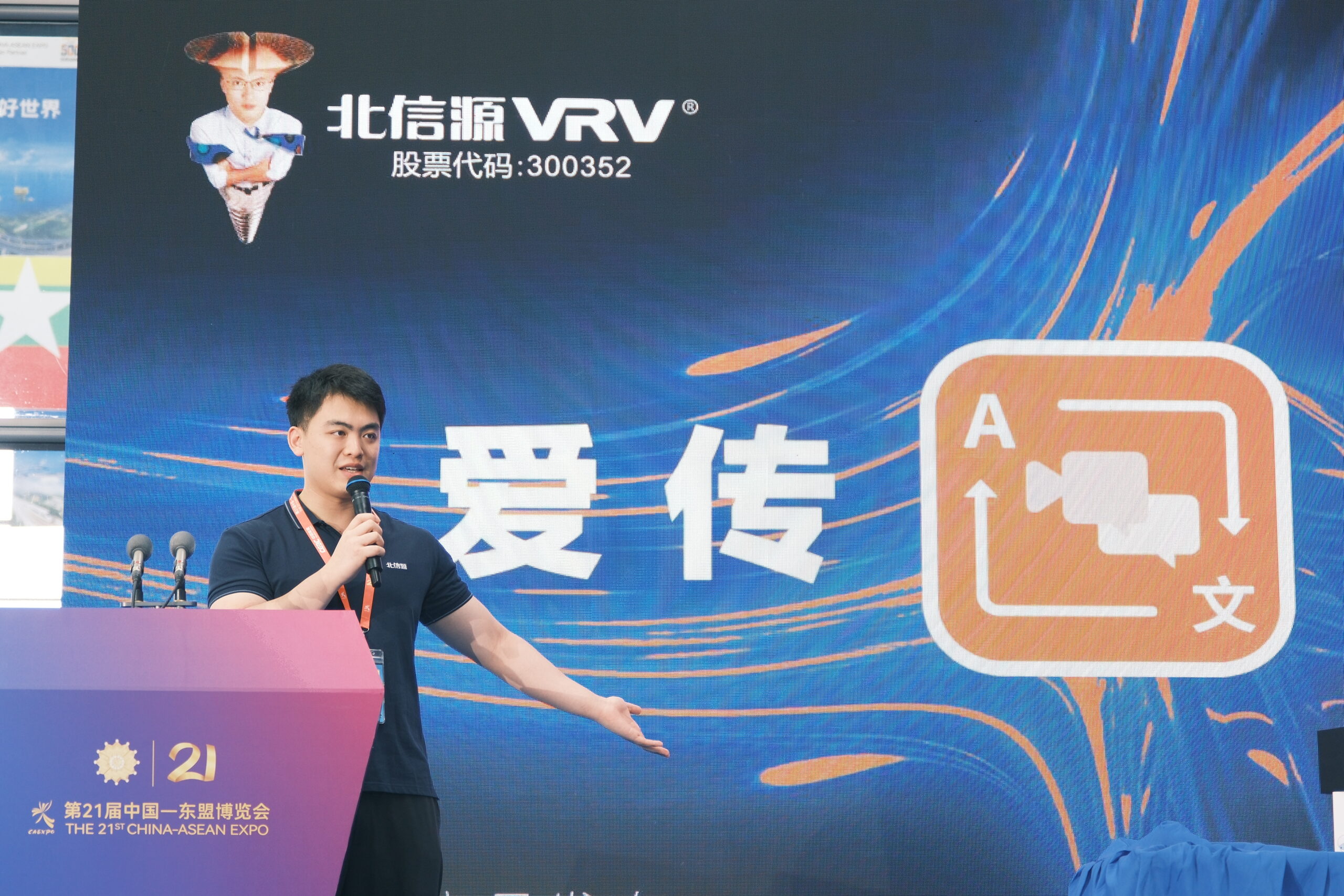
The strategic rivalry between the United States and China is often analyzed through speeches by political leaders, military developments, and government policy papers. However, another influential source of insight is frequently overlooked: Chinese think tanks.
These research institutions play an important role in studying international affairs, advising policymakers, and shaping long-term strategic thinking. While they do not directly determine government policy, their analyses often provide valuable clues about how China’s policy community interprets competition with the United States.
Understanding these perspectives is increasingly important as the world’s two largest economies compete across technology, trade, military power, diplomacy, and global influence. At the same time, differences in language, political systems, and strategic culture can lead to misunderstandings that complicate already tense relations.
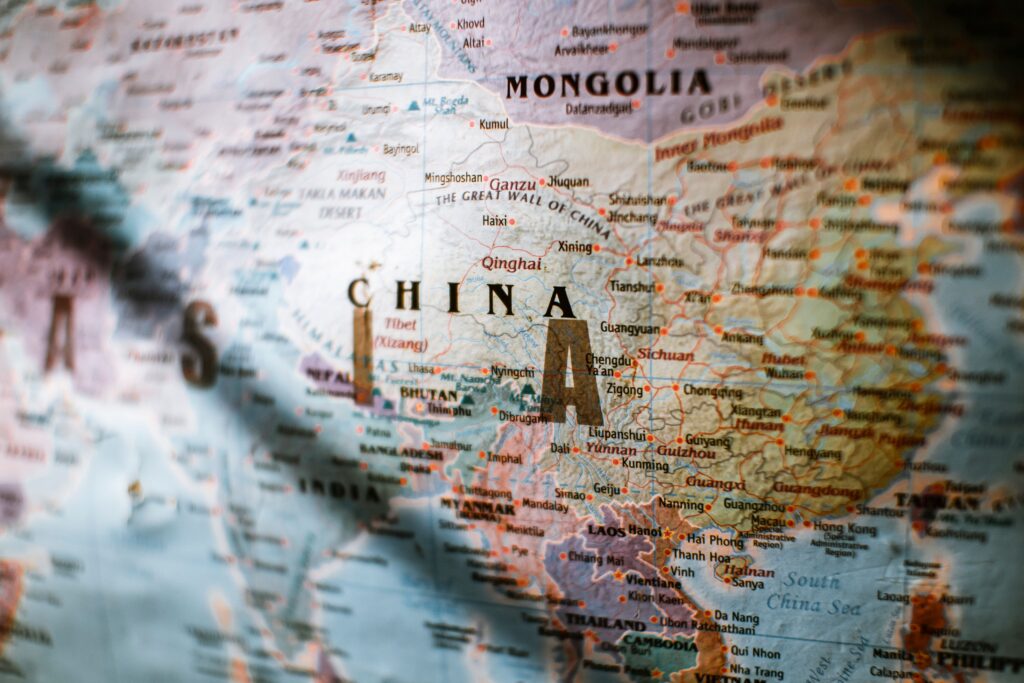
What Are Chinese Think Tanks?
Think tanks are organizations that conduct research and provide policy recommendations on issues such as economics, foreign affairs, defense, and technology.
In China, think tanks include:
- Government-affiliated research institutes
- University research centers
- Military academies
- Party-affiliated policy institutes
- Independent academic organizations, although these typically operate within China’s broader political environment
Many maintain close relationships with government ministries and provide research that may influence policy discussions.
Unlike many Western think tanks, Chinese institutions often operate within a framework shaped by state priorities, meaning their publications should be understood in that context.
Why Their Views Matter
Chinese think tanks help policymakers evaluate:
- Global political trends
- Security challenges
- Technological competition
- Economic strategy
- Diplomatic relations
- Military modernization
Their research also helps explain how China’s policy community interprets U.S. actions.
Western governments, scholars, and businesses increasingly study these publications to anticipate possible shifts in Chinese strategic thinking.
The Central Theme: Long-Term Strategic Competition
Many Chinese analysts describe relations with the United States as entering an era of prolonged strategic competition rather than temporary disagreement.
Areas frequently highlighted include:
- Advanced technology
- Artificial intelligence
- Semiconductor manufacturing
- Supply chains
- Trade
- Military capabilities
- Cybersecurity
- Space
- Global governance
Competition is often viewed as structural, driven by the relative power and interests of both countries rather than by individual leaders or short-term political events.
Different Interpretations of Competition
One recurring difference between Chinese and American analyses concerns the motivations behind each country’s policies.
Chinese Perspectives Often Emphasize
- Containment concerns
- Technology restrictions
- Strategic encirclement
- Economic pressure
- Alliance-building in the Indo-Pacific
American Perspectives Often Emphasize
- National security
- Intellectual property protection
- Human rights
- Regional stability
- Fair trade practices
- Military balance
These differing interpretations can cause each side to view the same policy through very different lenses.
Technology Has Become the Main Battlefield
Technology now sits at the center of U.S.–China competition.
Key areas include:
- Artificial intelligence
- Quantum computing
- Semiconductors
- Telecommunications
- Biotechnology
- Robotics
- Advanced manufacturing
Chinese researchers frequently argue that technological self-reliance is essential to reducing vulnerability to foreign export controls and supply chain disruptions.
As a result, China has significantly increased investment in domestic research, innovation, and industrial policy.
Economic Competition Is About More Than Trade
While tariffs receive significant media attention, today’s competition extends much further.
Important issues include:
- Investment screening
- Export controls
- Critical minerals
- Rare earth elements
- Industrial subsidies
- Financial resilience
- Digital infrastructure
Both countries increasingly view economic security as part of national security.
Military Competition Continues to Expand
Chinese strategic researchers closely monitor:
- U.S. military deployments
- Defense alliances
- Freedom of navigation operations
- Indo-Pacific security partnerships
- Taiwan-related developments
- Missile defense systems
Similarly, U.S. analysts study China’s military modernization, naval expansion, missile capabilities, and growing presence in space and cyberspace.
Despite these tensions, both governments continue maintaining military communication channels aimed at reducing the risk of accidental conflict.
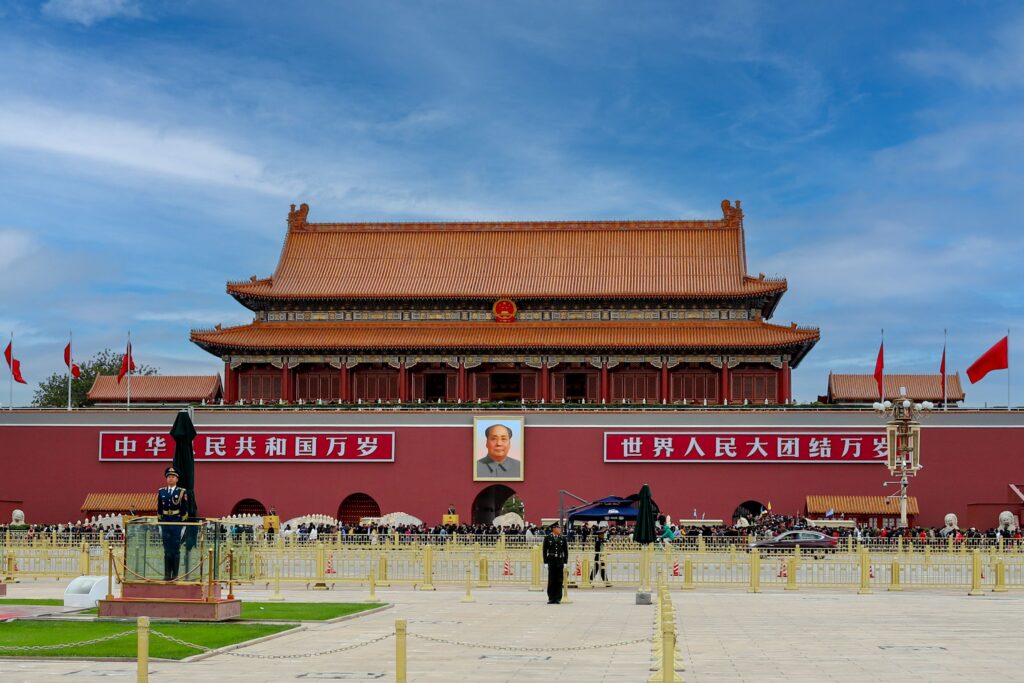
Taiwan Remains One of the Most Sensitive Issues
Among all areas of bilateral relations, Taiwan continues to represent one of the greatest potential sources of tension.
Chinese analysts generally describe Taiwan as a core national interest and view external support for Taiwan as interference in China’s internal affairs.
Meanwhile, the United States maintains a long-standing policy guided by the Taiwan Relations Act, while emphasizing peace and stability across the Taiwan Strait.
Because of these fundamentally different positions, Taiwan remains one of the most closely watched topics in strategic research on both sides.
Global Influence Extends Beyond Military Power
Competition increasingly involves international leadership.
Both countries seek influence through:
- Infrastructure investment
- Trade partnerships
- International organizations
- Development assistance
- Scientific cooperation
- Climate initiatives
- Digital standards
- Financial institutions
Chinese think tanks often argue that developing countries should have greater influence in global governance, while advocating reforms to international institutions to reflect changing economic realities.
The Challenge of Translation
One of the article’s central themes is that language itself can create misunderstandings.
Literal translation is often insufficient because political and strategic terminology may carry different meanings in different cultures.
For example, concepts such as:
- Security
- Stability
- Deterrence
- Sovereignty
- Competition
- Containment
may be interpreted differently depending on historical experience and political context.
Researchers increasingly stress the importance of understanding the original language and intended meaning rather than relying solely on direct translation.
Strategic Culture Shapes Policy
China and the United States have different historical experiences that influence how they approach international relations.
Chinese strategic thinking often reflects:
- Long-term planning
- Historical continuity
- National rejuvenation
- Sovereignty concerns
- Development priorities
American strategic thinking frequently emphasizes:
- Alliance leadership
- Rules-based international order
- Democratic partnerships
- Freedom of navigation
- Global security commitments
These differing traditions affect how each side evaluates risk, competition, and cooperation.
Areas Where Cooperation Remains Possible
Despite intense competition, both countries continue to share interests in several global challenges.
Potential areas for cooperation include:
- Climate change
- Public health
- Counter-piracy
- Nuclear non-proliferation
- Financial stability
- Disaster response
- Scientific research
Many scholars argue that maintaining dialogue in these areas reduces the likelihood that strategic competition escalates into direct confrontation.
Why Think Tank Research Should Be Read Carefully
Although Chinese think tanks provide valuable insights, experts caution against assuming every publication represents official government policy.
Important considerations include:
- Different institutions may express different viewpoints.
- Some research is exploratory rather than predictive.
- Recommendations do not necessarily become government policy.
- Public publications may differ from internal policy discussions.
Understanding these distinctions helps avoid oversimplifying China’s decision-making process.
Why This Matters for Businesses
International companies increasingly monitor geopolitical developments when making investment decisions.
Areas potentially affected include:
- Supply chain planning
- Technology investment
- Export regulations
- Cybersecurity
- Market access
- Data governance
- Regulatory compliance
Better understanding how both countries perceive strategic competition helps businesses prepare for policy changes and manage geopolitical risks.
The Future of US–China Relations
Most analysts expect strategic competition between the United States and China to continue for many years.
However, competition does not necessarily mean inevitable conflict.
Future relations will likely involve a complex mix of:
- Competition
- Cooperation
- Negotiation
- Deterrence
- Economic interdependence
- Diplomatic engagement
Successfully managing this relationship may depend as much on mutual understanding and communication as on military or economic strength.
Conclusion
Chinese think tanks offer a valuable window into how many within China’s policy community interpret the country’s evolving relationship with the United States. While their publications do not always reflect official government policy, they help illuminate the strategic ideas shaping debates on technology, security, economics, and global governance.
Perhaps the most important lesson is that translation involves far more than converting words from one language to another. It requires understanding historical context, political systems, strategic culture, and differing national priorities.
As U.S.–China competition continues to shape international affairs, careful interpretation of each other’s perspectives may prove essential in reducing misunderstandings, avoiding unnecessary escalation, and preserving opportunities for cooperation where common interests still exist.
Frequently Asked Questions (FAQs)
1. What are Chinese think tanks?
Chinese think tanks are research organizations that analyze public policy, international relations, economics, defense, and technology. Many have links to government agencies, universities, or other state-affiliated institutions and contribute research that informs policy discussions.
2. Why are Chinese think tanks important?
Their publications provide insights into how China’s policy community views international developments, helping researchers, governments, and businesses better understand Chinese strategic thinking.
3. Do Chinese think tanks make government policy?
No. Think tanks generally advise and conduct research rather than make policy. Their recommendations may influence discussions, but final decisions rest with China’s political leadership.
4. Why is translation such an important issue in US–China relations?
Strategic terms often carry different historical, cultural, and political meanings. Misinterpreting these concepts can lead to misunderstandings about intentions, policies, and security concerns.
5. Can the United States and China cooperate despite their rivalry?
Yes. Although strategic competition is expected to continue, both countries share interests in areas such as climate change, public health, financial stability, and nuclear non-proliferation, where continued dialogue and cooperation remain possible.

Sources War on the Rock