
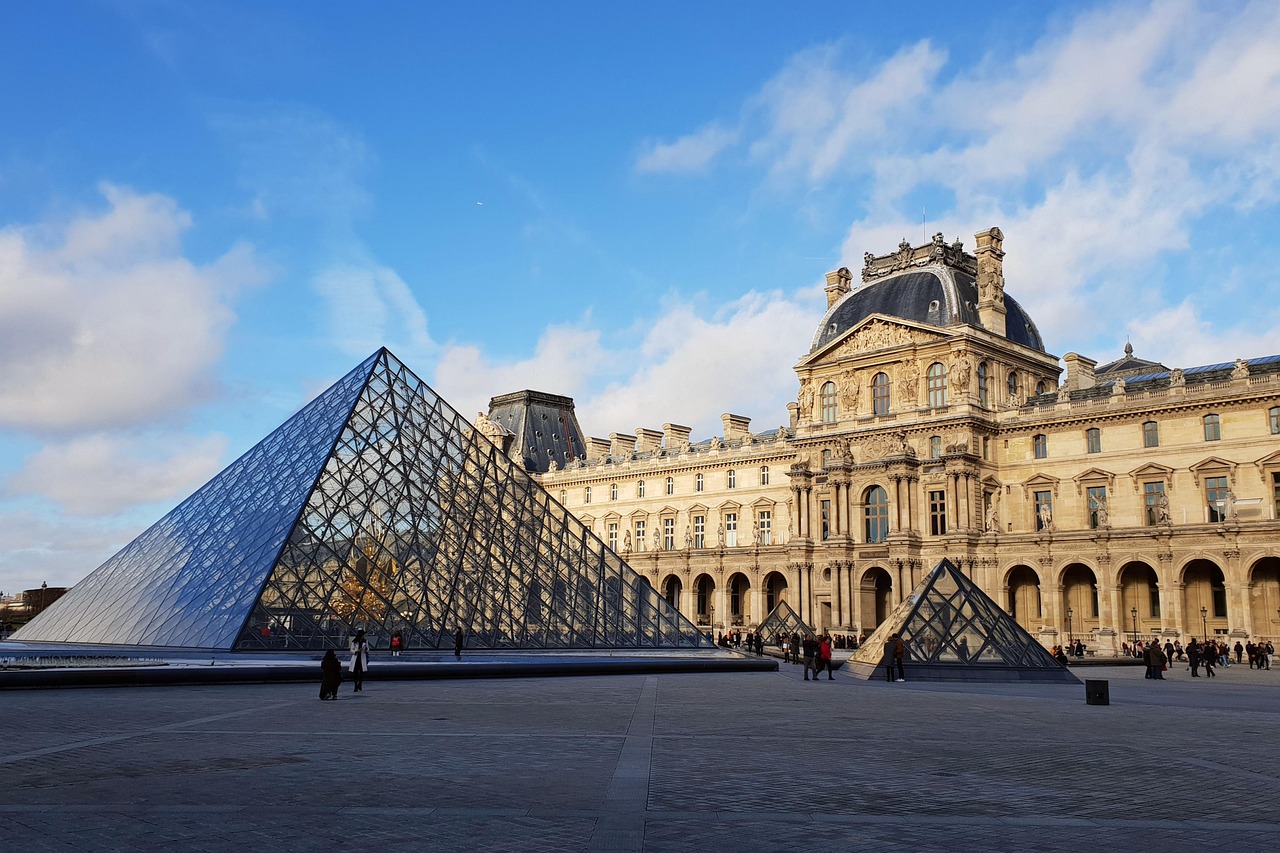
The Louvre Museum — the world’s most-visited museum and one of the most iconic cultural institutions on the planet — has announced a significant price hike for most non-EU visitors. Starting in 2025, the price of admission for non-EU tourists will increase by 45%, marking one of the steepest ticket adjustments in the museum’s modern history.
While the headline number is eye-catching, the reasons behind the change reflect broader shifts in museum economics, global tourism management, and the challenges of maintaining world-class cultural institutions in an era of overwhelming visitor demand.
This expanded breakdown goes beyond the original news report to explore the motivations, implications, and future impact of this major pricing policy change.
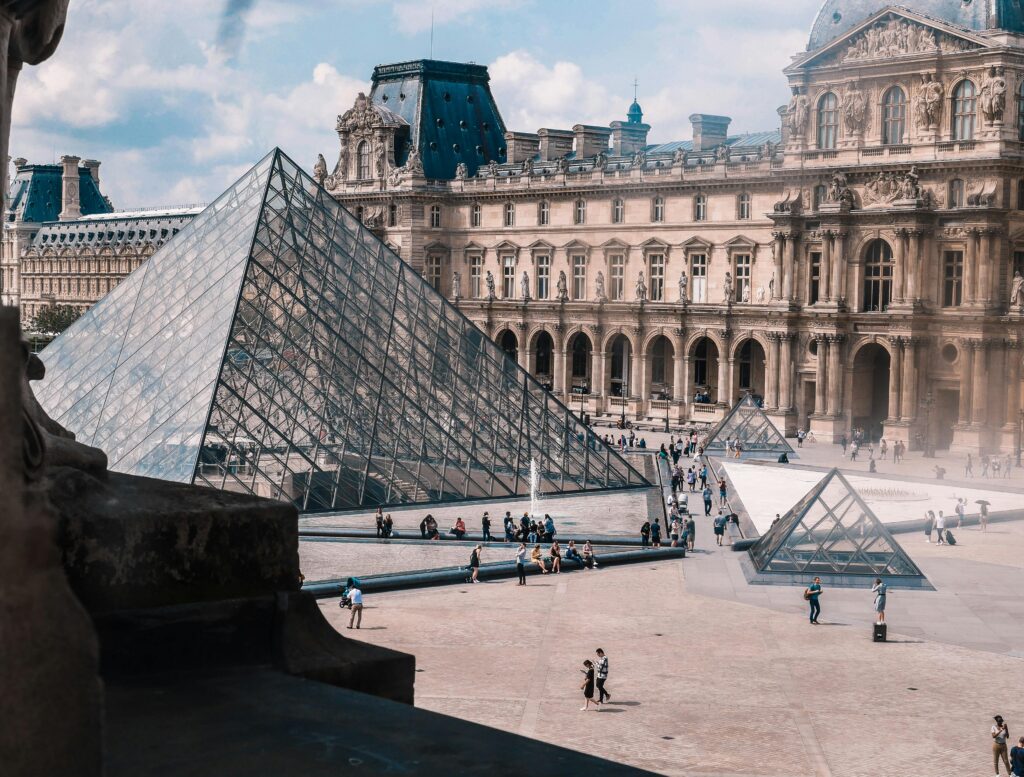
Why the Louvre Is Increasing Prices Now
The Louvre has long struggled with the tension between its global fame and the wear-and-tear that comes with millions of visitors each year. Even before the pandemic, the museum could feel as crowded as a commuter train at rush hour. In recent years, return of mass tourism has pushed attendance toward pre-pandemic peaks.
Key reasons for the price hike include:
1. Overcrowding and crowd management
The Louvre regularly hosts more than 8–10 million visitors a year, making it the busiest museum in the world.
Certain galleries — most famously the Mona Lisa room — are so consistently packed that the visitor experience has become a major concern.
Higher ticket prices are one of the few tools museums can use to moderate demand without limiting access for local or lower-income communities.
2. Protecting the collection
Millions of visitors mean:
- humidity fluctuations
- micro-vibrations from foot traffic
- stress on older building foundations
- increased security and restoration needs
The Louvre’s collection is centuries old. Maintenance is constant and costly.
3. Budget pressures and inflation
Museums across Europe face rising costs:
- staff wages
- building maintenance
- security
- energy
- conservation technology
EU public-funding models are under strain. Increasing tourist revenue helps stabilize budgets without putting the burden on French taxpayers.
4. Balancing fairness to EU residents
The Louvre, like many European cultural institutions, sees itself as a public good for local residents. Offering lower prices for EU citizens is in line with policies prioritizing access for those who help fund the museum through taxes.
5. Aligning with global pricing trends
Major global museums already charge more than the Louvre has historically charged:
- MoMA (New York)
- The Met (New York — with a high nonresident fee)
- British museums (mostly free, but with paid exhibitions)
The Louvre’s new pricing moves it closer to the upper tier of global museum fees.
Who Will Be Affected
The 45% increase applies primarily to:
- non-EU tourists
- international visitors arriving on single-visit passes
- tour groups and group-booking tourists
- high-season visitors who buy tickets on short notice
EU citizens, especially youth under 26, will continue to enjoy significantly discounted or free access to many national cultural sites.
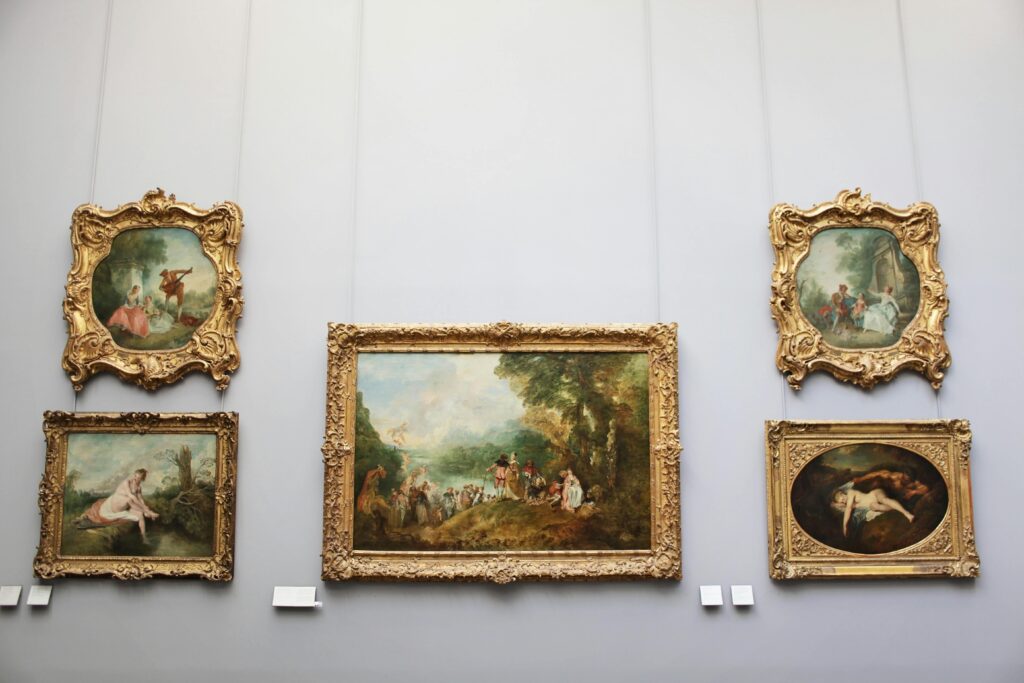
What the Price Hike Signals About the Future of Tourism
1. Global tourist destinations are shifting toward “premium” pricing
Major attractions worldwide are experimenting with:
- dynamic pricing
- surge pricing
- residents-only discounts
- two-tier systems separating locals from foreign tourists
- sustainability-driven ticket models
The Louvre joining this trend means more institutions may follow.
2. Tourism sustainability is finally becoming central
Overtourism is putting pressure on:
- museums
- city centers
- transportation networks
- historic districts
- public infrastructure
Pricing becomes a tool to stabilize foot traffic.
3. Museums are redefining accessibility
While higher prices might seem exclusionary, museums argue that improved crowd control actually creates:
- better viewing conditions
- shorter lines
- more time to enjoy galleries
- safer environments
Access doesn’t only mean affordability — it also means quality of experience.
What the Original Coverage Didn’t Fully Explain
1. How pricing ties into the Louvre’s long-term masterplan
The Louvre has been investing in:
- upgraded climate-control systems
- renovated galleries
- digitization and virtual tours
- multilingual educational tools
- updated security and visitor pathways
All of these efforts require substantial funding.
2. Partnerships with global lenders and institutions
The Louvre regularly displays works borrowed from other countries and participates in international cultural exchanges. Higher revenue supports those collaborations.
3. Impact on Paris’s broader tourism economy
The Louvre is a cornerstone of Paris’s visitor ecosystem.
Changes in its pricing will influence:
- travel packages
- hotel bundles
- guided tour prices
- city pass programs
- off-season tourist flow
4. Equity concerns for non-EU students and art lovers
Some critics argue that cultural access should not be based on regional tax status.
The museum’s leadership will likely need to expand scholarship or discount programs for international youth.
5. Digital alternatives may grow in importance
The Louvre has dramatically expanded its online offerings:
- high-resolution art scans
- virtual galleries
- video lectures
Higher physical ticket prices may drive greater adoption of digital viewing options.
Potential Benefits of the Price Increase
- Better crowd distribution
- More funding for conservation
- Improved visitor experience
- Reduced strain on iconic galleries
- Cleaner, safer, more organized museum environment
- Support for educational programming
- Ability to expand multilingual services
Potential Drawbacks
- Higher costs for global travelers
- Possible shifts toward more exclusive tourism
- Concerns about cultural fairness and accessibility
- Reduced access for lower-income international visitors
- Increased pressure on other museums as tourists redistribute
Frequently Asked Questions
Q: Why is the Louvre increasing prices by 45% specifically for non-EU tourists?
A: Because non-EU visitors do not pay into the tax system that supports the museum. The increase also helps manage overcrowding and fund rising maintenance costs.
Q: Will EU citizens continue to receive discounts?
A: Yes. EU residents — especially youth under 26 — will maintain access to free or reduced-price museum entry in line with France’s cultural-access policies.
Q: Will this make the Louvre too expensive for tourists?
A: Prices will rise, but the Louvre will still be comparable to other major global museums. Visitors may need to incorporate the increase into travel budgeting.
Q: Is the price hike tied to overcrowding at the Mona Lisa?
A: Partly. The museum has struggled for years to manage crowd surges around iconic galleries. Higher prices may thin peak-season crowds slightly.
Q: Does the Louvre use dynamic pricing?
A: Currently, no full dynamic pricing system exists, but experts believe the museum may eventually adopt seasonal or timed pricing.
Q: How will this impact tourism in Paris?
A: Tour operators and travel planners will adjust packages. Paris will remain a top global destination, but travelers may opt for multi-museum passes to get better value.
Q: Could museums in other European countries adopt similar pricing models?
A: Yes. Many are already evaluating dual pricing systems due to rising costs and overtourism.
Q: Will digital alternatives be expanded?
A: Likely. Virtual tours and digital exhibitions may grow as the museum seeks to maintain accessibility while controlling physical crowding.
Q: Does the Louvre risk reducing its global cultural reach?
A: Possibly, but the museum argues that quality of experience and collection preservation are more urgent priorities.
Q: When will the new pricing take effect?
A: The change is set to roll out in 2025, though specific dates may vary depending on museum policy updates.
Sources BBC

