
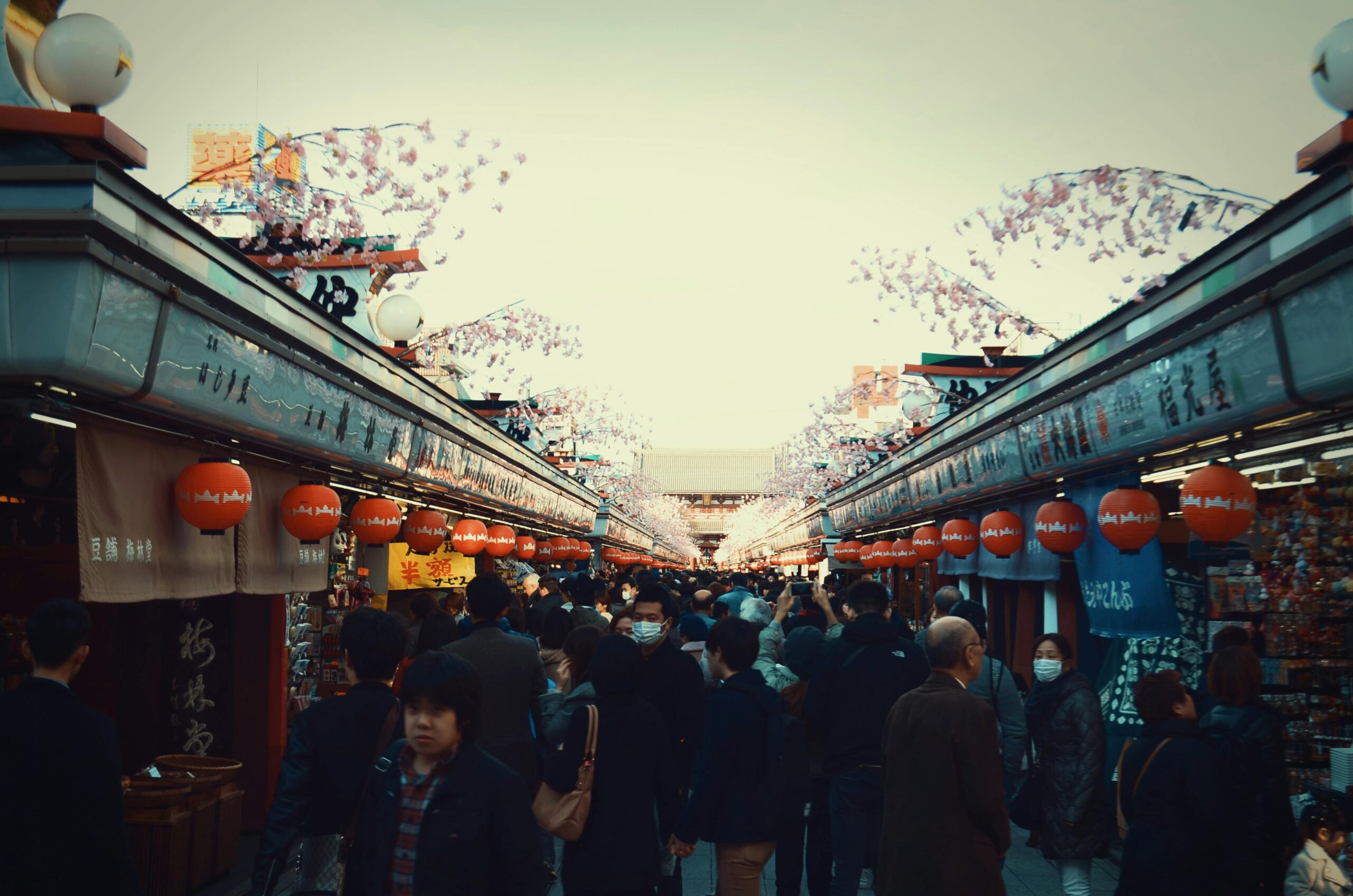
Lunar New Year is typically one of the busiest travel periods in East Asia. Airports fill, tour groups surge across borders, and retailers brace for a spending wave that can define the first quarter of the year. But in 2026, a noticeable shift occurred: many Chinese tourists chose not to visit Japan.
The decline was not driven by weather, airfare, or pandemic concerns. It was shaped by geopolitics.
As diplomatic tensions between Beijing and Tokyo intensified, travel behavior followed. The Lunar New Year slowdown highlights how deeply intertwined tourism has become with political sentiment — and how quickly consumer choices can mirror national narratives.
1. The importance of Lunar New Year travel
Lunar New Year is one of the world’s largest annual human migrations.
For Chinese travelers, the holiday often includes:
- International leisure trips
- Shopping excursions
- Ski vacations
- Family reunions
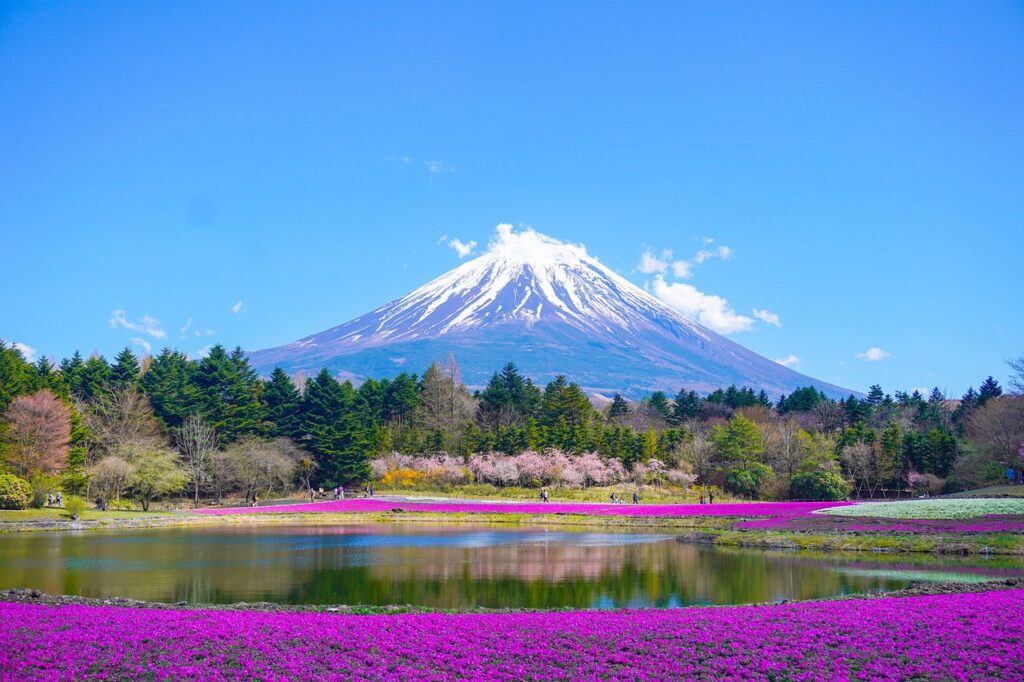
Japan has historically been a top destination during this period due to proximity, visa accessibility, and strong retail appeal.
A noticeable drop during such a high-demand season is economically significant.
2. Why Japan has long been a favorite destination
Chinese tourists traditionally favored Japan for several reasons:
- Short flight times from major Chinese cities
- High safety standards
- Clean urban infrastructure
- High-quality retail products
- Winter sports and scenic attractions
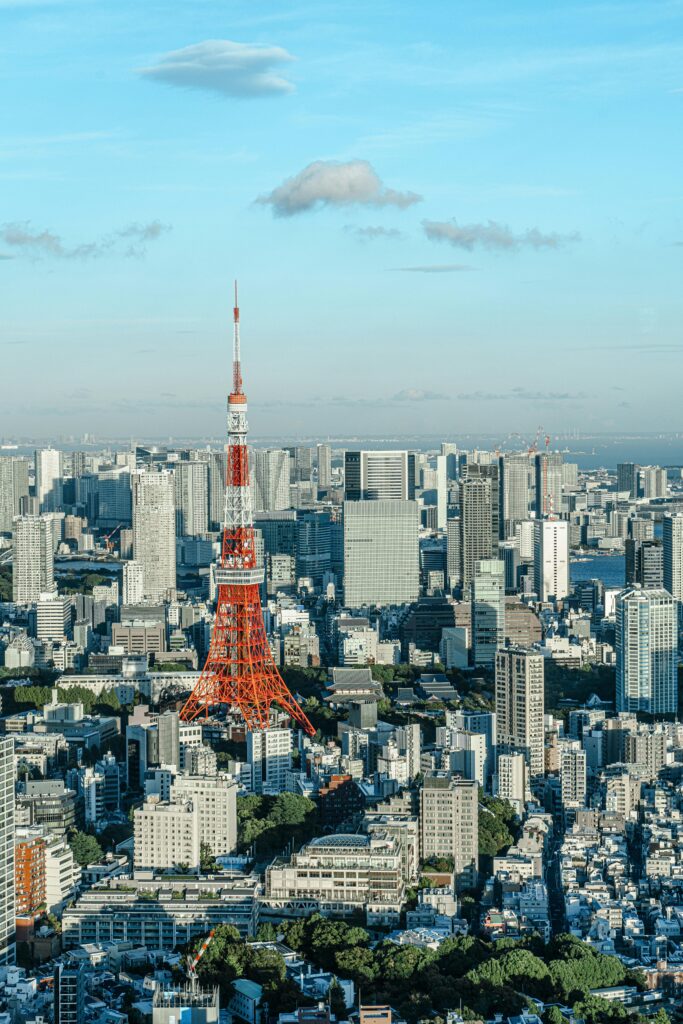
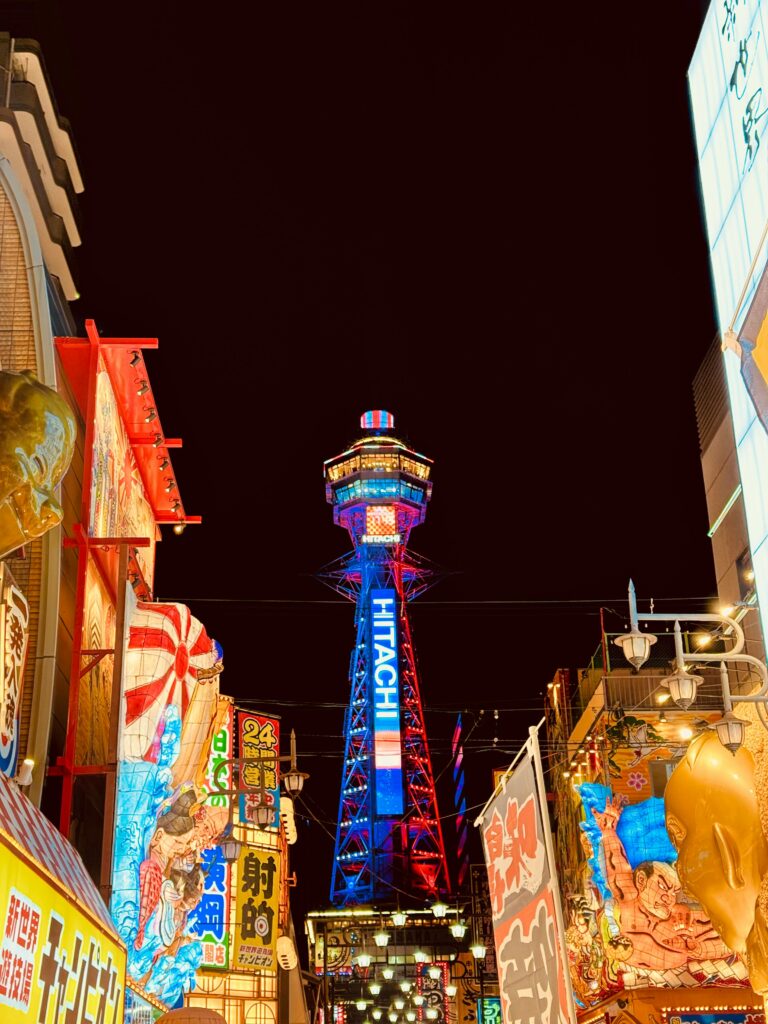
Duty-free shopping districts in Tokyo and Osaka, as well as ski resorts in Hokkaido and Nagano, often saw heavy Chinese visitation during the holiday.
3. Diplomatic tensions and public sentiment
Recent strains between China and Japan have involved:
- Territorial disputes in the East China Sea
- Security alignments with Western powers
- Trade and technology policy disagreements
Even without formal travel bans, public discourse and media narratives can influence traveler sentiment.
In China, state messaging and online discussions often shape destination popularity during politically sensitive periods.
4. Tourism as soft power and leverage
China’s outbound tourism market is one of the largest in the world.
In the past, shifts in group travel approvals or informal discouragement have:
- Impacted South Korea
- Influenced travel to Australia
- Affected Southeast Asian destinations
Tourism can function as a subtle diplomatic lever, even when not officially framed as such.
5. Economic impact on Japan
Chinese tourists have historically ranked among the highest spenders per capita in Japan.
Their spending supports:
- Department stores
- Luxury brands
- Electronics retailers
- Restaurants and hotels
- Regional ski economies
A Lunar New Year shortfall affects not only urban centers but also rural tourism hubs that rely on winter travel.
6. Airlines and travel operators feel the pressure
Airlines operating China-Japan routes may respond by:
- Reducing flight frequency
- Adjusting aircraft size
- Offering promotional pricing
Tour operators specializing in holiday packages may shift focus toward domestic or alternative destinations.
7. Alternative destinations gaining ground
As some Chinese travelers avoided Japan, other destinations saw increased interest:
- Thailand
- Singapore
- South Korea
- Domestic Chinese ski resorts
Currency stability, visa ease, and political neutrality can influence where travelers redirect demand.
8. Japan’s diversification strategy
Japan has been actively diversifying its inbound tourism markets, targeting:
- Southeast Asia
- Europe
- North America
- India
While diversification reduces dependence on any single market, replacing the scale of Chinese outbound tourism is challenging.
9. Retail and regional vulnerability
Certain Japanese retail districts have historically tailored services specifically to Chinese visitors, including:
- Mandarin-speaking staff
- Mobile payment systems popular in China
- Product lines targeting Chinese preferences
A drop in visitation exposes the risks of overconcentration.
10. Long-term implications for regional tourism
The episode underscores broader trends:
- Tourism flows are sensitive to political narratives
- Consumer sentiment can shift quickly
- Economic interdependence does not guarantee travel stability
In East Asia, diplomacy and tourism are increasingly intertwined.
11. Beyond economics: perception and trust
Tourism is built on trust — trust in safety, hospitality, and mutual respect.
When diplomatic disputes intensify, even symbolic ones, that trust can erode.
Rebuilding tourism flows often requires not just marketing campaigns, but improved diplomatic tone.
Conclusion: When politics shapes holiday plans
Lunar New Year 2026 revealed how swiftly geopolitics can influence personal travel decisions.
For Japan, the decline in Chinese holiday visitors is a reminder of both the benefits and vulnerabilities of global tourism integration. For China, outbound tourism continues to serve as both economic activity and soft power.
The lesson is clear: In today’s interconnected Asia, diplomacy does not stay confined to policy rooms — it shows up at airport departure gates.
Frequently Asked Questions (FAQ)
1. Why did Chinese tourists avoid Japan during Lunar New Year 2026?
Due to heightened diplomatic tensions and shifting public sentiment.
2. Was there an official travel ban?
Not necessarily; informal sentiment and group travel dynamics often influence behavior.
3. How important are Chinese tourists to Japan?
They are among the highest-spending visitor groups.
4. Which Japanese regions are most affected?
Major cities like Tokyo and Osaka, as well as ski regions such as Hokkaido.
5. Are airlines reducing routes?
Airlines may adjust capacity based on demand fluctuations.
6. Where are Chinese tourists traveling instead?
Some are choosing Southeast Asia, South Korea, or domestic destinations.
7. Can Japan replace Chinese visitors easily?
Diversification helps, but scale replacement is difficult in the short term.
8. Has this happened before?
Yes, diplomatic tensions have previously influenced travel flows in Asia.
9. Is this trend permanent?
It depends on the trajectory of diplomatic relations.
10. What is the key takeaway?
Tourism is highly sensitive to political sentiment, especially during major holidays.
Sources The Guardian

