
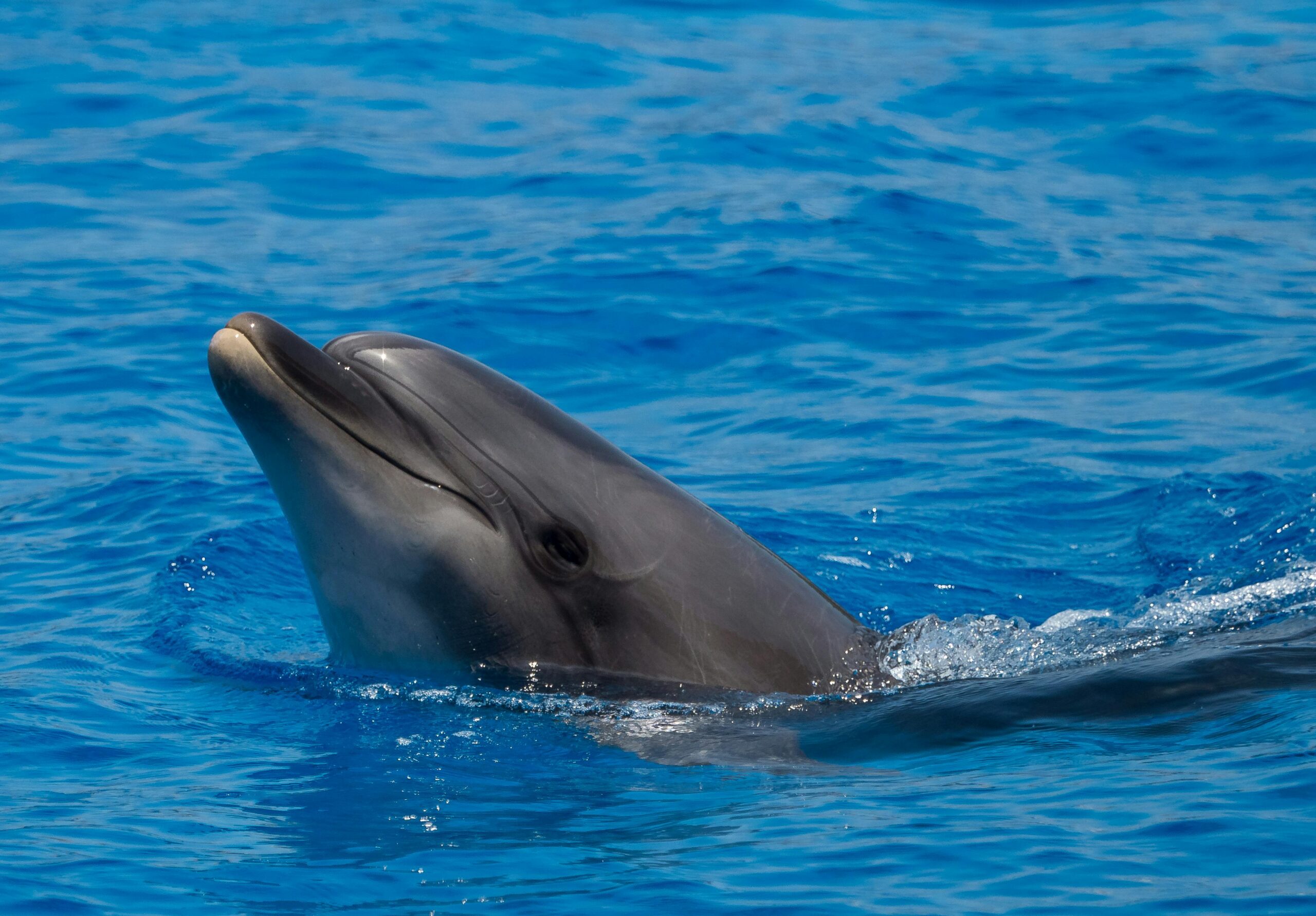
In one of the world’s most famous waterways — the Venetian Lagoon — a lone bottlenose dolphin affectionately named “Mimmo” has captivated locals, tourists, and marine enthusiasts alike. Since appearing in early summer, Mimmo has become an unlikely celebrity, gliding through St. Mark’s Basin and performing spontaneous “shows” for onlookers.
But while the scene feels magical, experts warn it’s not without danger. Mimmo’s story is a powerful reminder of the fragile balance between urban tourism and marine wildlife.
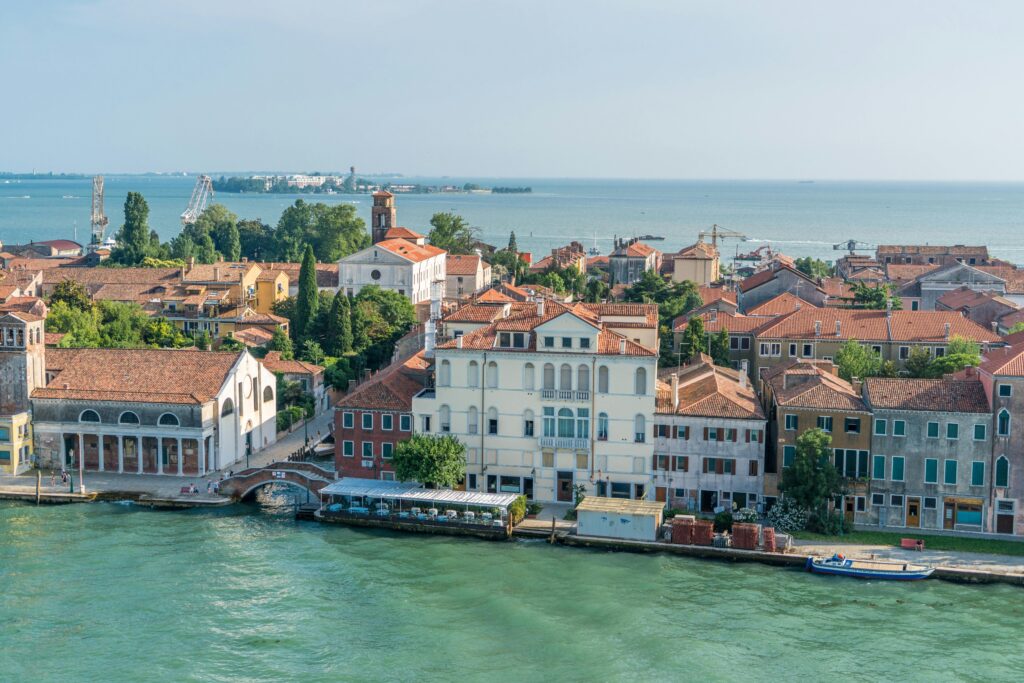
A Dolphin in the City of Water
Mimmo first appeared near St. Mark’s Square in late June, shocking Venetians who are more accustomed to gondolas than dolphins. Typically, bottlenose dolphins prefer deeper, quieter coastal waters. Yet Mimmo seems to have adopted Venice’s bustling lagoon as his temporary home.
Observers say he’s comfortable weaving between vaporettos, gondolas, and motorboats — even approaching tourists curiously. Videos of Mimmo leaping near the Grand Canal have gone viral across social media, drawing crowds eager for a glimpse.
But this fascination masks serious concerns. Venice’s waterways are congested, noisy, and polluted — hardly the ideal environment for a marine mammal. Experts worry that Mimmo’s comfort with human activity could endanger both him and the public.
Why Experts Are Concerned
Marine biologists and conservationists have raised multiple red flags about Mimmo’s extended stay.
1. Boat Traffic Hazards
Venice sees thousands of boats daily. Collisions, propeller strikes, or noise pollution could injure or disorient Mimmo. Dolphins rely heavily on echolocation; constant boat noise interferes with their ability to hunt and navigate.
2. Behavioral Changes
Mimmo’s increasing comfort around humans is unusual. Wild dolphins are naturally cautious. Regular interaction with tourists may cause habituation — a condition where animals lose their natural fear of humans, putting them at greater risk.
3. Diet and Habitat Disruption
Experts believe Mimmo is feeding on the lagoon’s abundant mullet population. However, reliance on such an artificial environment could alter his feeding patterns and make reintegration into a pod more difficult.
4. Isolation Concerns
Dolphins are social animals. Mimmo appears to be alone, raising questions about whether he was separated from his pod or has chosen solitude for feeding reasons. Extended isolation can affect dolphin communication and mental well-being.
What Makes Mimmo Stay?
There’s no definitive answer, but several theories emerge:
- Abundant Food – The lagoon’s fish population provides easy hunting grounds.
- Disorientation or Injury – Mimmo may have become separated from his pod or disoriented by noise pollution or storms.
- Curiosity and Intelligence – Dolphins are highly intelligent and adaptable. Mimmo may simply be exploring new territory.
- Climate and Habitat Shifts – Changes in Adriatic Sea temperatures and fish migration patterns could be influencing dolphin behavior in northern Italy.
While dolphins have occasionally been spotted near Venice in the past, Mimmo’s long stay — now several months — is unprecedented.
What Venice Is Doing
Authorities are walking a fine line between protecting the dolphin and managing tourism.
- Safety Guidelines for Boats – Skippers have been asked to slow down and maintain at least 50 meters’ distance when Mimmo is nearby.
- Public Awareness Campaigns – Local conservation groups are educating tourists about the importance of not feeding or chasing Mimmo.
- Monitoring Efforts – Marine experts are using visual tracking and underwater microphones to monitor Mimmo’s health and behavior.
- Potential Rescue Options – If Mimmo becomes trapped or shows signs of distress, rescue teams are prepared to intervene — though experts stress that intervention should be minimal to avoid unnecessary stress.
So far, Mimmo appears healthy and active. Still, his long-term survival depends on whether he eventually leaves the lagoon and rejoins his natural habitat.
Beyond the Headlines: What This Means
Mimmo’s case highlights larger environmental and social issues:
1. Human-Wildlife Coexistence
The line between tourism and conservation is blurring. As wildlife enters urban spaces more often, cities must adapt policies that protect animals while managing public fascination responsibly.
2. Marine Ecosystem Health
The fact that a dolphin is lingering in a polluted, high-traffic lagoon may indicate broader ecosystem disruptions. Changing sea temperatures and overfishing could be pushing animals closer to shore.
3. Tourism Ethics
Viral wildlife encounters can drive tourism, but without strict boundaries, they can endanger the very animals people come to admire. Mimmo’s case could be a test for sustainable wildlife tourism in Europe’s most visited city.
Frequently Asked Questions
Q1: Is Mimmo in danger?
Yes. While he appears healthy, heavy boat traffic, water pollution, and human interference pose constant risks. Experts are monitoring his condition closely.
Q2: Why doesn’t Venice relocate Mimmo to the sea?
Forcing a dolphin to move can cause severe stress or injury. Mimmo’s behavior suggests he’s here by choice, and experts hope he’ll return to open water naturally when food sources decline.
Q3: Can tourists swim with or feed Mimmo?
Absolutely not. Interaction can harm him, alter his natural behavior, and increase the risk of accidents or infections. Observing from a distance is safest for everyone.
Q4: Are dolphins common in Venice?
No. Dolphins occasionally pass through the lagoon but rarely stay. Mimmo’s prolonged presence makes him an unusual case in Venetian history.
Q5: Could Mimmo become a permanent resident?
Unlikely. The lagoon’s pollution and limited prey diversity make it unsuitable for long-term habitation. However, some experts fear he may linger until winter.
Q6: How are experts monitoring his health?
Through photographic identification, visual observation, and acoustic monitoring. No tracking tag has been attached yet, as Mimmo shows no signs of distress requiring intervention.
Q7: Why is his behavior called “unnatural”?
Because dolphins are social and typically live in pods. A solitary dolphin living among humans is atypical and may signal social separation or altered instincts.
Q8: What happens if Mimmo gets injured?
Rescue teams in northern Italy, including trained veterinarians and marine biologists, are on standby. If Mimmo becomes stranded or injured, they can provide emergency aid or rehabilitation.
Q9: What can visitors do to help?
Keep distance, avoid loud noises or sudden movements, report any injury sightings to authorities, and spread awareness about respecting wildlife boundaries.
Final Thoughts
Mimmo’s story is both heartwarming and cautionary — a reminder that nature’s wonders often appear where we least expect them, and that human admiration must come with responsibility.
As Venice balances tourism, heritage, and ecology, this dolphin has become a living symbol of coexistence — a fleeting moment of magic in the City of Water. Whether Mimmo leaves soon or stays longer, his presence has already sparked global reflection on how humans interact with the wild world swimming quietly beside them.
Sources Reuters

