
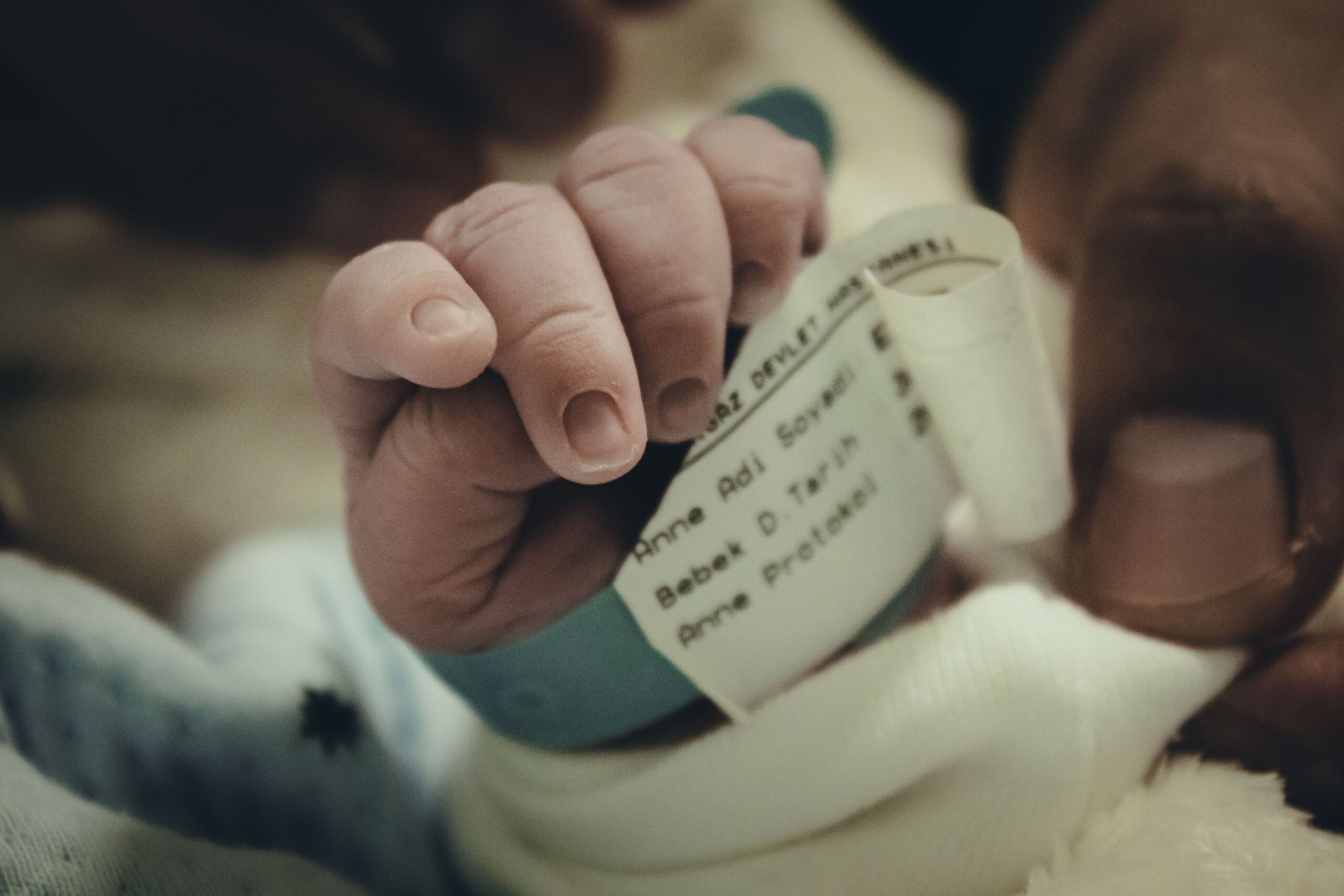
The U.S. government is dramatically tightening its approach to so-called birth tourism, with the State Department saying nearly 900 visas have now been revoked under a task force targeting people and networks accused of abusing the visitor-visa system.
The figure represents a significant increase from the more than 600 visa revocations announced when the task force was launched. The administration says the campaign is aimed not simply at individual travelers, but at commercial networks that allegedly advertise childbirth packages, coach applicants to misrepresent their intentions and profit from the possibility of U.S. citizenship for children born on American soil.
The crackdown comes amid a much larger debate over birthright citizenship, immigration enforcement and the rules governing temporary visitors to the United States.
But there is an important distinction that is sometimes lost in the political argument:
Giving birth in the United States is not, by itself, a crime. Traveling to the U.S. primarily to give birth in order to obtain citizenship for a child, however, is not a permissible purpose for a visitor visa. Misrepresenting the purpose of travel can create separate immigration and visa-fraud problems.
That distinction is at the heart of the latest enforcement campaign.
What Is Birth Tourism?
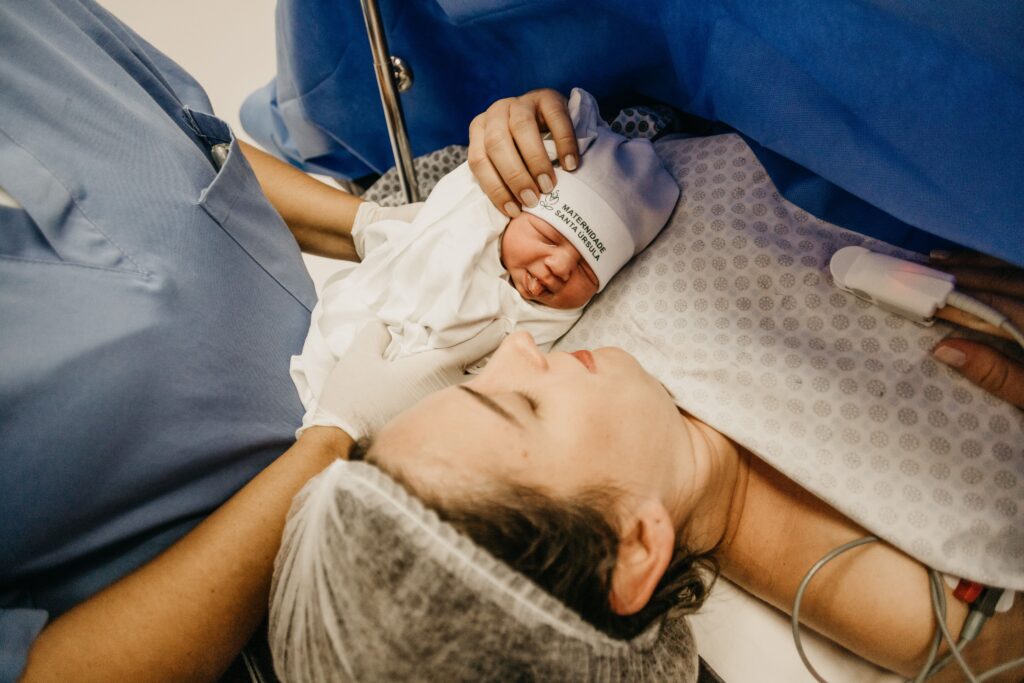
“Birth tourism” generally refers to the practice of traveling to another country primarily to give birth there, with the expectation that the child will receive citizenship or another legal advantage because of the place of birth.
In the United States, the practice has attracted particular attention because of the longstanding interpretation of the 14th Amendment’s Citizenship Clause.
The administration argues that commercial birth-tourism operations exploit this system by selling services to foreign parents who want their children born in the United States.
Critics, meanwhile, emphasize that the vast majority of children born in America are not connected to commercial birth-tourism schemes and warn against treating birth tourism as synonymous with immigration more broadly.
That distinction matters because the policy debate involves two separate questions:
- Should the government enforce existing visa rules against people deliberately misrepresenting their travel purpose?
- Should the United States change the constitutional rules governing citizenship at birth?
Those are not the same issue.
Nearly 900 Visas Have Now Been Revoked
When the State Department announced its birth-tourism task force, officials said more than 600 visas had already been revoked.
The campaign has since expanded, with officials reporting nearly 900 revocations connected to birth tourism.
The State Department says the task force is reviewing visa holders around the world and pursuing networks that allegedly facilitate birth tourism and visa fraud.
The department has not publicly released a comprehensive breakdown showing exactly how many of the nearly 900 revocations involved each nationality, country or specific type of alleged violation.
That makes it difficult to determine from the headline number alone how many cases involved:
- suspected birth tourism;
- fraudulent visa applications;
- false statements to consular officials;
- participation in organized networks;
- or other violations discovered during the broader investigation.
This is an important limitation when interpreting the figure.
The Crackdown Is Targeting More Than Pregnant Travelers
The government’s campaign isn’t simply about identifying pregnant women at airports.
Instead, officials say they are pursuing commercial networks that allegedly facilitate the practice.
Some organizations are accused of marketing services to prospective parents and coaching applicants about how to conceal their actual intentions from U.S. consular officers.
That can transform what might appear to be a private travel decision into a much more complicated immigration-fraud investigation.
A person who openly tells a consular officer that they want to travel to the United States specifically to give birth in order to obtain citizenship for their child is in a very different position from someone who falsely claims that their trip is purely for tourism.
The first purpose is prohibited under the visitor-visa rules.
The second may involve misrepresentation or fraud, potentially creating much more serious immigration consequences.
The Rules Are Not Actually New
One of the most important pieces of context is that the United States did not suddenly create a prohibition on birth tourism in 2026.
The State Department changed its B-visa regulations in January 2020.
Under that rule, consular officers must deny a B visa when they have reason to believe an applicant’s primary purpose is traveling to the United States to give birth in order to obtain U.S. citizenship for the child.
The current administration is therefore emphasizing enforcement of an existing rule, while expanding the scale and visibility of the campaign.
The 2026 task force represents a more aggressive approach to identifying people and organizations involved in what officials consider organized birth-tourism activity.
What Can You Actually Do With a B-2 Visitor Visa?
A B-2 visa is designed for temporary travel.
Permitted activities can include:
- tourism;
- vacations;
- visiting friends or relatives;
- medical treatment;
- certain social events;
- and some recreational activities.
There is an important nuance here.
Medical treatment itself can be a legitimate purpose for a B-2 visitor visa.
But traveling primarily to give birth for the purpose of obtaining U.S. citizenship for the child is specifically excluded.
That means pregnancy alone does not automatically make someone ineligible for a visitor visa.
The key issue is the purpose of the trip and whether the applicant qualifies under the applicable visa rules.
Being Pregnant Does Not Automatically Mean a Visa Is Illegal
This distinction is particularly important for international travelers.
A pregnant woman can have legitimate reasons to visit the United States.
She might be:
- visiting family;
- attending a business event;
- taking a vacation;
- receiving permissible medical treatment;
- or traveling for another legitimate temporary purpose.
The government has historically said consular officers should focus on the actual purpose of travel rather than automatically assuming that every pregnant applicant is engaging in birth tourism.
The issue can arise when there is reason to believe the applicant is pregnant and plans to give birth in the United States primarily to obtain citizenship for the child.
Why the Administration Says the Practice Is a Problem
The Trump administration has framed birth tourism as a form of exploitation of the U.S. immigration system.
Officials argue that commercial operators are effectively selling access to a pathway that allows children born in the United States to obtain citizenship under longstanding constitutional interpretations.
The administration also claims that some networks encourage participants to misrepresent themselves to consular officers and may shift medical costs onto American healthcare systems or taxpayers.
That argument has become a central justification for the task force.
But critics dispute how large the phenomenon is relative to the overall U.S. birthrate and question whether birth tourism represents a significant driver of immigration.
How Big Is Birth Tourism?
This is one of the hardest questions to answer precisely.
There is no comprehensive government database recording the reason every foreign visitor gives birth in the United States.
The government generally does not track every visitor’s precise purpose of travel after they receive a visa and enter the country.
That means estimates vary considerably.
Some estimates cited in the political debate run into the tens of thousands of births annually, while other analyses suggest birth tourism represents a very small share of total U.S. births.
The uncertainty is important.
A statistic about children born to temporary visitors is not necessarily equivalent to a statistic about children born as a result of intentional birth tourism.
Those categories can overlap, but they are not identical.
Birth Tourism Is Not the Same as Immigration
This distinction is often lost in political arguments.
A person who travels to the United States on a visitor visa and gives birth there is not automatically an immigrant.
Likewise, the child born in the United States is a separate legal person from the parents.
The controversy exists because the child may acquire U.S. citizenship at birth under the constitutional framework that has historically governed citizenship.
The parents do not automatically receive U.S. citizenship simply because their child is American.
That is a crucial point.
Having an American-born child does not automatically give the parents a green card or U.S. citizenship.
The 14th Amendment Is at the Center of the Debate
The political controversy became even more complicated in 2026 because the Supreme Court considered President Trump’s attempt to restrict birthright citizenship.
The Supreme Court’s ruling preserved broad birthright-citizenship protections under the 14th Amendment, while the administration subsequently issued additional executive orders targeting birth tourism and attempting to narrow citizenship rules in certain circumstances.
Those measures are expected to face further legal challenges.
The result is an unusually complicated legal landscape:
The administration wants tougher enforcement, while courts continue to determine how far the executive branch can go.
The Supreme Court Debate Shows How Divisive the Issue Is
The Supreme Court’s opinions reveal the sharp disagreement over birthright citizenship.
Some legal arguments emphasize birthright citizenship as a longstanding constitutional principle.
Other arguments contend that certain categories of children born to temporary visitors could fall outside the constitutional guarantee under specific historical exceptions.
The debate therefore isn’t simply about tourism.
It is about what citizenship means.
Texas Is Also Taking Action
The federal crackdown is being reinforced by state-level efforts.
Texas has launched investigations into alleged birth-tourism schemes and providers accused of facilitating the practice.
The investigations have included scrutiny of healthcare providers and advertising connected with services offered to pregnant foreign nationals.
The Texas actions demonstrate how the issue has moved beyond Washington.
It is becoming a state-level political and regulatory issue as well.
Why Medical Costs Are Part of the Argument
Healthcare is another major element of the debate.
The administration argues that some birth-tourism operations leave U.S. taxpayers responsible for medical expenses.
There have been documented criminal cases involving alleged birth-tourism schemes connected to healthcare fraud.
Cases like these provide concrete examples of why authorities are concerned about organized schemes.
But they should not automatically be treated as evidence that every foreign woman who gives birth in America is participating in healthcare fraud.
The Difference Between a Visitor and a Commercial Birth-Tourism Customer
This distinction could become increasingly important for travelers.
A foreign national who comes to the United States for a legitimate temporary visit and happens to give birth is not necessarily engaged in birth tourism.
A commercial arrangement in which an organization:
- recruits pregnant travelers,
- arranges accommodation,
- organizes medical care,
- coaches them on visa interviews,
- and markets U.S. citizenship as the principal benefit
is a very different scenario.
The State Department’s task force is particularly focused on the second category.
Birth Tourism Has Become an International Business
The practice has existed for years.
Previous U.S. prosecutions documented companies that advertised childbirth packages to foreign customers and helped arrange accommodation and other services.
The existence of such businesses changes the political debate.
Officials are not only dealing with individual travelers.
They are dealing with a potential commercial ecosystem.
That can include:
- travel agencies;
- consultants;
- accommodation providers;
- medical providers;
- transportation companies;
- legal advisers;
- translators;
- and online marketers.
The more sophisticated the network, the more difficult enforcement becomes.
Why Visa Fraud Is a Bigger Problem Than Birth Itself
From an immigration-enforcement perspective, the most straightforward issue is often not the birth.
It is the misrepresentation.
If someone applies for a visitor visa while concealing the actual primary purpose of the trip, the government may view that as a violation of the immigration rules.
That is why the State Department repeatedly emphasizes truthful visa applications.
The department’s visitor-visa guidance makes clear that birth tourism is not an acceptable basis for a visitor visa, while visa violations and misuse can result in revocation and future immigration consequences.
What Happens When a Visa Is Revoked?
Visa revocation can have significant consequences.
A person whose visa has been revoked may no longer be able to use that visa to travel to the United States.
Depending on the circumstances, future visa applications can also become more difficult.
The exact consequences depend on the reason for revocation and the individual’s immigration history.
This is why travelers should not assume that a visa stamp guarantees entry.
A visa allows someone to seek admission to the United States.
It does not provide an unconditional right to enter.
The Nearly 900 Figure Needs Context
It is tempting to read “nearly 900 visas revoked” and conclude that 900 people were proven to have illegally traveled to the United States specifically to give birth.
That conclusion would go beyond what the publicly available information establishes.
The State Department says the task force has revoked nearly 900 visas in connection with its birth-tourism crackdown.
But publicly available information does not provide a complete case-by-case breakdown of the revocations.
That means the number should be understood as an enforcement figure, not necessarily as a precise count of proven birth-tourism cases.
That distinction is especially important when discussing immigration policy.
The Broader Visa Crackdown Is Much Larger
The birth-tourism campaign is only one component of a much broader U.S. visa-enforcement effort.
The State Department has said that more than 175,000 visas have been revoked since President Trump returned to office, for reasons including criminal activity, immigration violations, fraud and national-security concerns.
Against that much larger number, the nearly 900 birth-tourism-related revocations represent a relatively small subset.
But politically, the issue has attracted disproportionate attention because it connects immigration enforcement with the deeply controversial question of birthright citizenship.
What This Means for International Travelers
For people planning to visit the United States, the lesson is relatively straightforward:
Tell the truth.
Applicants should accurately explain the purpose of their trip and be prepared to demonstrate that they qualify for the visa category they are seeking.
Someone seeking legitimate medical care should be prepared to explain the treatment and demonstrate the ability to pay the associated costs, consistent with applicable visa requirements.
Someone traveling for tourism should not misrepresent the purpose of the trip.
The consequences of providing false information can extend far beyond a single canceled vacation.
The Future of Birth Tourism Remains Uncertain
The State Department’s task force is likely to remain active as the administration continues its immigration crackdown.
The biggest uncertainty is how far the government can go.
There is broad room for enforcement of existing visa rules.
But efforts to change who automatically receives U.S. citizenship at birth involve constitutional questions that are now being litigated in federal courts.
That means the story will probably continue to move between:
- the State Department;
- Homeland Security;
- state governments;
- Congress;
- federal courts;
- and ultimately the Supreme Court.
The Bigger Question: What Is U.S. Citizenship Worth?
At its core, the birth-tourism debate isn’t really about hotel rooms, airline tickets or maternity wards.
It is about the meaning of American citizenship.
Supporters of the crackdown argue that citizenship should not be obtainable through commercial arrangements designed to exploit immigration rules.
Opponents counter that the constitutional principle of birthright citizenship is broader than the question of whether an individual parent had a particular motivation for traveling to the United States.
Both sides are therefore arguing about something much bigger than tourism.
They’re arguing about who belongs to the American political community—and how that belonging begins.
Final Thoughts
The State Department’s announcement that nearly 900 visas have been revoked marks a significant escalation in America’s fight against what it calls birth-tourism networks.
But the headline number needs to be understood carefully.
The United States already prohibits using a visitor visa primarily to travel to America to give birth for the purpose of obtaining citizenship for a child. The new development is the scale and intensity of enforcement.
At the same time, the administration’s broader effort to restrict birthright citizenship remains legally contested.
For travelers, one principle remains remarkably clear: visa applications must accurately reflect the purpose of travel.
For policymakers, the harder question is whether targeted enforcement against fraudulent birth-tourism schemes is enough—or whether the country should fundamentally change its longstanding approach to citizenship at birth.
And for the courts, the question is even bigger:
How far can the executive branch go in redefining one of the most consequential rules of American citizenship?
That argument is far from over.
5 Frequently Asked Questions
1. What is birth tourism in the United States?
Birth tourism generally refers to traveling to the United States primarily to give birth so that a child can obtain U.S. citizenship under the country’s birthright-citizenship framework. The practice is not considered a permissible purpose for a standard visitor visa.
2. How many visas has the U.S. revoked over birth tourism?
The State Department has reported nearly 900 visa revocations connected to its birth-tourism crackdown. Officials previously reported more than 600 revocations when the task force was launched. The department has not publicly provided a complete breakdown of the cases by nationality or specific violation.
3. Is it illegal for a foreigner to give birth in the United States?
Giving birth in the United States is not, by itself, prohibited simply because the mother is a foreign visitor. However, using a visitor visa primarily to travel to the U.S. to give birth in order to obtain citizenship for the child is not an allowable visitor-visa purpose. Misrepresenting the purpose of a trip can create additional immigration and visa-fraud consequences.
4. Does having a baby in the U.S. automatically give the parents citizenship?
No. A child who qualifies for U.S. citizenship at birth is legally separate from the child’s parents. The parents do not automatically become U.S. citizens or permanent residents simply because their child is born in the United States.
5. Is birthright citizenship still protected in 2026?
The issue remains the subject of major legal and political conflict. The Supreme Court has addressed the administration’s attempt to restrict birthright citizenship, while the Trump administration has continued pursuing executive actions targeting birth tourism and certain interpretations of birthright citizenship. Further litigation is expected, so the precise scope of future restrictions remains unsettled.
Sources KXAN

