
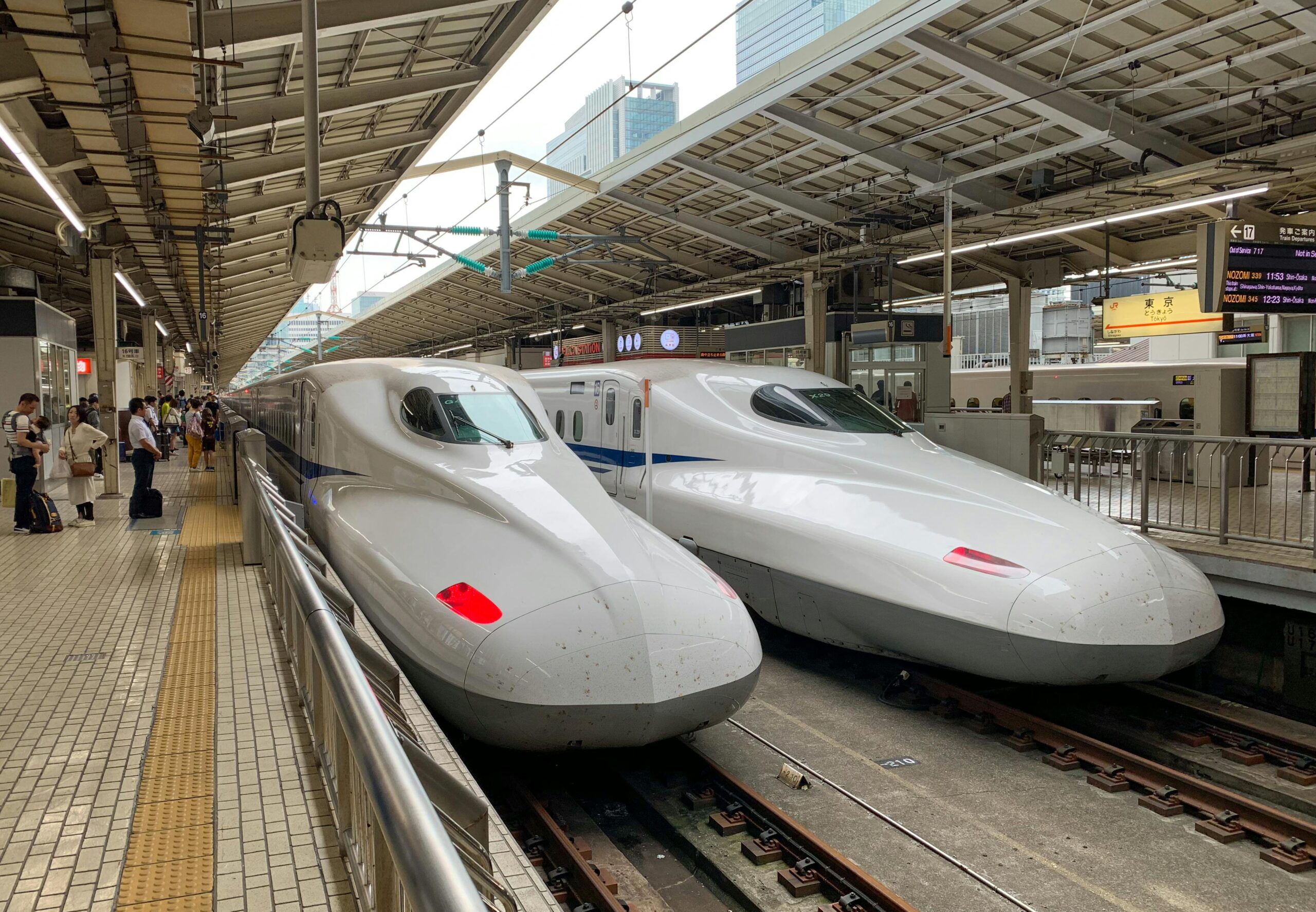
Japan is set to elevate its rail tourism experience with the launch of a new luxury sightseeing train connecting Osaka to the sacred, UNESCO-listed Mount Koya (Koyasan). Scheduled to begin operations in April, the train aims to combine refined travel comfort with cultural immersion, offering passengers a unique gateway to one of Japan’s most spiritually significant destinations.
While Japan is already renowned for its world-class rail system, this new service represents a growing trend toward premium experiential travel, where the journey itself becomes as meaningful as the destination.
A Scenic Journey into Spiritual Japan
Mount Koya, located in Wakayama Prefecture, is one of Japan’s most important religious centers. Founded in the 9th century by the Buddhist monk Kobo Daishi (Kukai), it serves as the headquarters of Shingon Buddhism. The site includes more than 100 temples, ancient pilgrimage routes, and the atmospheric Okunoin Cemetery, where centuries of monks, samurai, and notable historical figures are interred.
The new luxury train will connect Osaka — one of Japan’s most vibrant urban hubs — directly to this serene mountain sanctuary. The route promises sweeping views of:
- Forested valleys and rivers
- Rolling mountain landscapes
- Traditional rural villages
- Seasonal scenery including cherry blossoms in spring and fiery foliage in autumn
By transforming a standard transit route into an immersive sightseeing experience, the service aims to attract both domestic and international travelers seeking slower, more meaningful travel.
Inside the Luxury Train Experience
Although detailed specifications may vary, Japan’s luxury tourist trains are typically known for:
Elegant Interiors
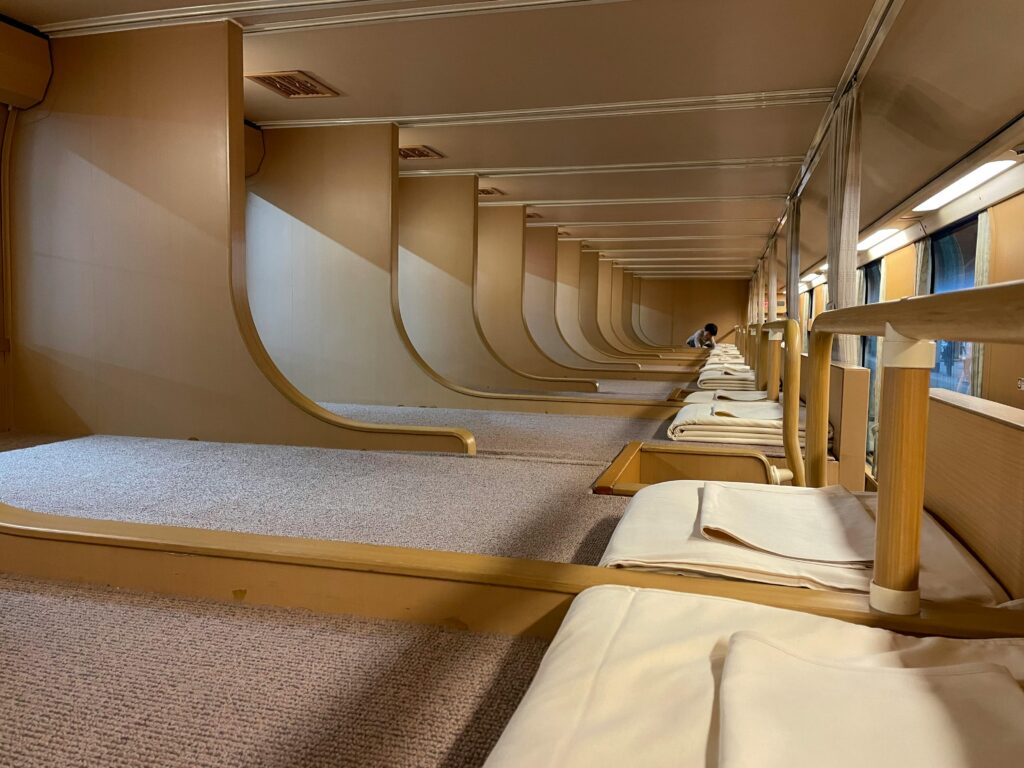
Expect refined design inspired by traditional Japanese aesthetics — natural wood finishes, handcrafted textiles, subtle lighting, and panoramic windows designed to frame the landscape.
Spacious Seating
Unlike standard commuter trains, luxury services often offer fewer seats per carriage, prioritizing comfort and privacy. Some trains in Japan feature private compartments or lounge areas.
Culinary Offerings
High-end rail services frequently provide regionally inspired meals or bento boxes showcasing local Wakayama ingredients, seasonal produce, and traditional flavors. Premium beverage options, including sake and tea selections, may also be available.
Attentive Service
Dedicated onboard staff enhance the experience with hospitality that reflects Japan’s omotenashi culture — attentive, thoughtful service anticipating guests’ needs.
The train is expected to cater to travelers who value exclusivity, comfort, and cultural storytelling during their journey.
Why Mount Koya Is a Special Destination
Mount Koya is not simply a scenic attraction; it is a living spiritual center. Highlights include:
Okunoin Cemetery
Japan’s largest cemetery, set within towering cedar trees, creating an atmosphere of profound tranquility.
Kongobu-ji Temple
The head temple of Shingon Buddhism, featuring traditional architecture and meticulously maintained rock gardens.
Temple Stays (Shukubo)
Visitors can stay overnight in temple lodgings, participate in morning prayers, and enjoy vegetarian Buddhist cuisine (shojin ryori).
Pilgrimage Routes
Mount Koya forms part of the Sacred Sites and Pilgrimage Routes in the Kii Mountain Range, recognized by UNESCO for their cultural and spiritual importance.
By improving accessibility from Osaka, the new train may encourage more visitors to explore the spiritual and historical dimensions of Japan beyond its urban centers.
The Rise of Luxury Rail Tourism in Japan
Japan has been investing heavily in premium rail experiences in recent years. Luxury sightseeing trains across the country offer curated journeys through rural landscapes, gourmet dining, and cultural performances onboard.
This new Osaka–Mount Koya route reflects several broader travel trends:
- Slow travel: Prioritizing immersive journeys over rushed itineraries
- Sustainable tourism: Rail travel produces fewer emissions compared to cars or short-haul flights
- Cultural authenticity: Travelers increasingly seek meaningful connections to heritage sites
- Post-pandemic experiential travel: Tourists are willing to spend more for unique, memorable experiences
Luxury rail travel also supports regional revitalization efforts, directing tourism revenue into rural communities.
Economic and Cultural Impact
The train’s launch could bring several benefits:
Boost to Local Economies
Increased visitation to Mount Koya and Wakayama Prefecture may benefit local businesses, inns, restaurants, and cultural institutions.
Heritage Preservation
Managed tourism can help fund the maintenance of historic temples and pilgrimage paths.
Reduced Overtourism in Cities
Encouraging travel beyond Tokyo and Kyoto distributes visitor numbers more evenly across Japan.
However, careful management will be necessary to preserve Mount Koya’s spiritual atmosphere and ecological balance.
Sustainability Considerations
Rail travel is widely considered one of the most environmentally friendly transportation options. By promoting scenic train journeys instead of car rentals or buses, operators may reduce carbon emissions per passenger.
Additionally, luxury rail operators in Japan increasingly emphasize:
- Locally sourced food
- Energy-efficient train systems
- Community engagement
- Cultural education initiatives
Sustainable tourism will likely be central to the long-term success of this new service.
Frequently Asked Questions
When will the luxury train begin operating?
The service is scheduled to launch in April.
How long is the journey from Osaka to Mount Koya?
Travel time varies depending on the route and stops, but the journey typically takes around 1.5 to 2 hours. The luxury service may extend travel time slightly to enhance sightseeing.
How much will tickets cost?
Premium sightseeing trains generally cost more than regular commuter services. Prices are expected to reflect the enhanced comfort, dining, and service offerings.
Can international tourists book tickets?
Yes, Japan’s luxury tourist trains typically welcome international travelers. Reservations are often required in advance.
What is the best time to visit Mount Koya?
Spring (cherry blossom season) and autumn (fall foliage) are particularly popular. However, winter snow and summer greenery also offer unique atmospheres.
Is Mount Koya suitable for day trips?
Yes, but many visitors choose to stay overnight in temple lodgings to fully experience the spiritual ambiance.
Is the train accessible for elderly or mobility-impaired travelers?
Japan’s rail system is generally accessible, but travelers should confirm accessibility features when booking.
A Journey Beyond Transportation
The upcoming luxury train between Osaka and Mount Koya represents more than just a new travel option — it symbolizes a shift toward intentional, experience-driven tourism. By blending refined design, culinary artistry, and access to one of Japan’s most sacred landscapes, the train promises to turn a simple rail journey into a memorable cultural experience.
As travelers increasingly seek authenticity, sustainability, and comfort, Japan’s latest rail innovation may become a benchmark for luxury heritage travel worldwide.

Sources Euro News

