
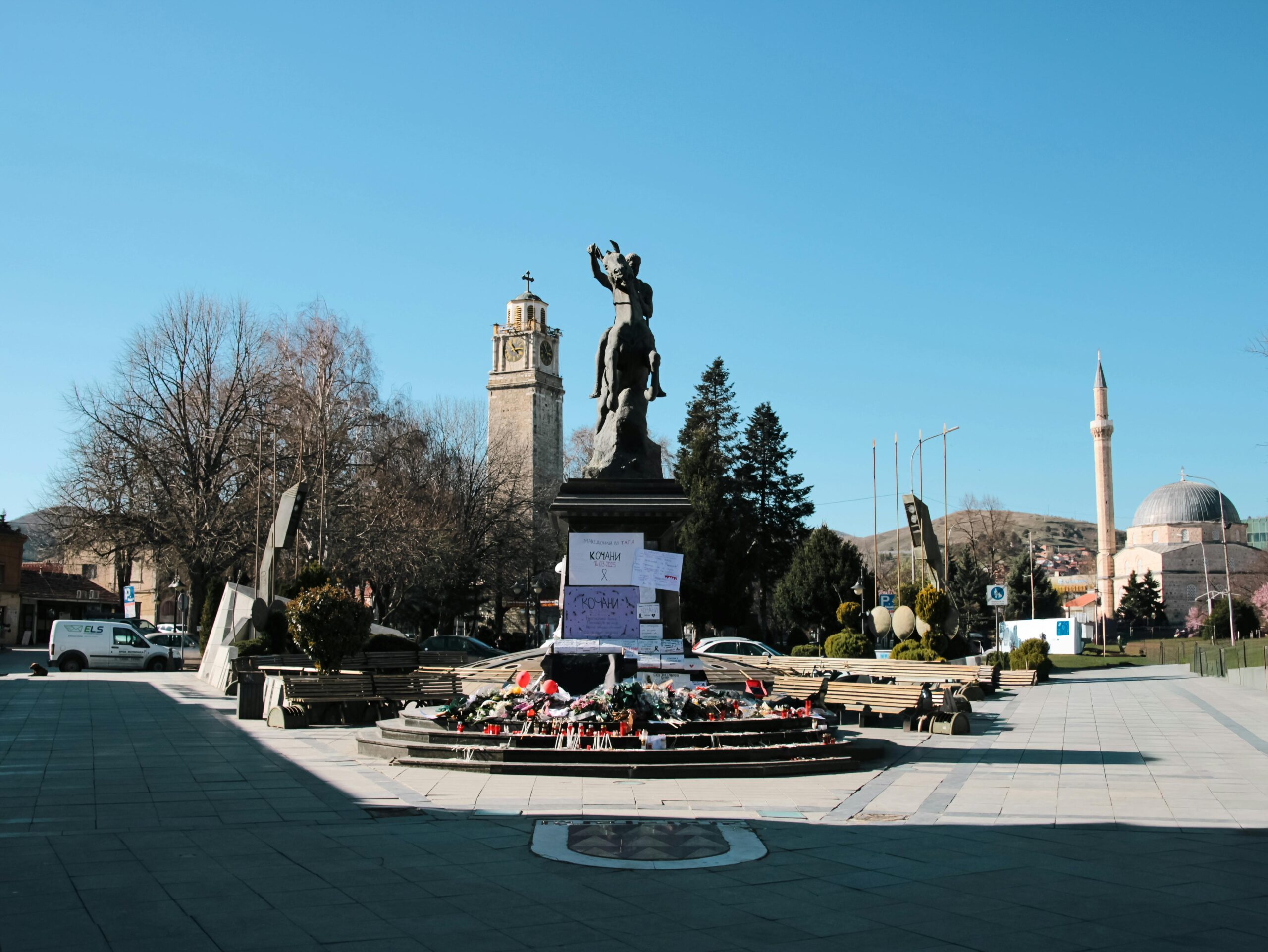
While much of Southern Europe faces overtourism, rising prices, and overcrowded beaches, North Macedonia remains one of the continent’s last truly unspoiled travel destinations. Nestled among the Balkans and sharing borders with Greece, Albania, Bulgaria, Serbia, and Kosovo, the country blends Mediterranean warmth with Slavic charm — yet still flies under the global tourism radar.
CNN’s coverage spotlights this growing interest, but the full picture is even richer. Beyond its capital Skopje and famously serene Lake Ohrid, North Macedonia offers deeply layered culture, exceptional wine, rugged national parks, ancient monasteries, Ottoman-influenced bazaars, and some of Europe’s most affordable travel experiences.
This expanded article explores why North Macedonia is having a moment, what makes it so special, and how tourism here still feels refreshingly uncrowded.
What Makes North Macedonia Such an Underrated Destination?
1. A Country of Extraordinary Natural Beauty
North Macedonia offers landscapes as diverse as Western Europe but at a fraction of the cost — and without the crowds.
Highlights include:
- Lake Ohrid — one of Europe’s oldest and clearest lakes, a UNESCO treasure.
- Matka Canyon — a dream spot for kayaking, caves, and monastery hikes.
- Mavrovo National Park — perfect for skiing, hiking, and wildlife watching.
- Pelister National Park — home to rare pine forests and mountain lakes.
Unlike Alpine or Mediterranean hotspots, these destinations remain peaceful even in peak season.
2. A Capital City Full of Contrasts: Skopje
Skopje is an architectural patchwork shaped by centuries of history — Ottoman mosques, socialist-modernist buildings, neoclassical facades, and eye-catching public sculptures. Its Old Bazaar, one of the Balkans’ oldest markets, is a lively labyrinth of craft shops, tea houses, and kebab restaurants.
But there’s much more:
- A growing craft beer and café scene
- Riversides ideal for cycling and promenading
- Vibrant nightlife
- Design-forward co-working spaces that attract digital nomads
Skopje feels at once ancient, quirky, and evolving.
3. Lake Ohrid: A Magical Blend of History, Nature & Spirituality
Lake Ohrid is often described as “the Balkans’ jewel.” It’s both naturally breathtaking and culturally profound. The old town’s cobblestone streets lead to ancient churches such as:
- St. John at Kaneo — perched dramatically over the lake
- St. Sophia Church — home to stunning medieval frescoes
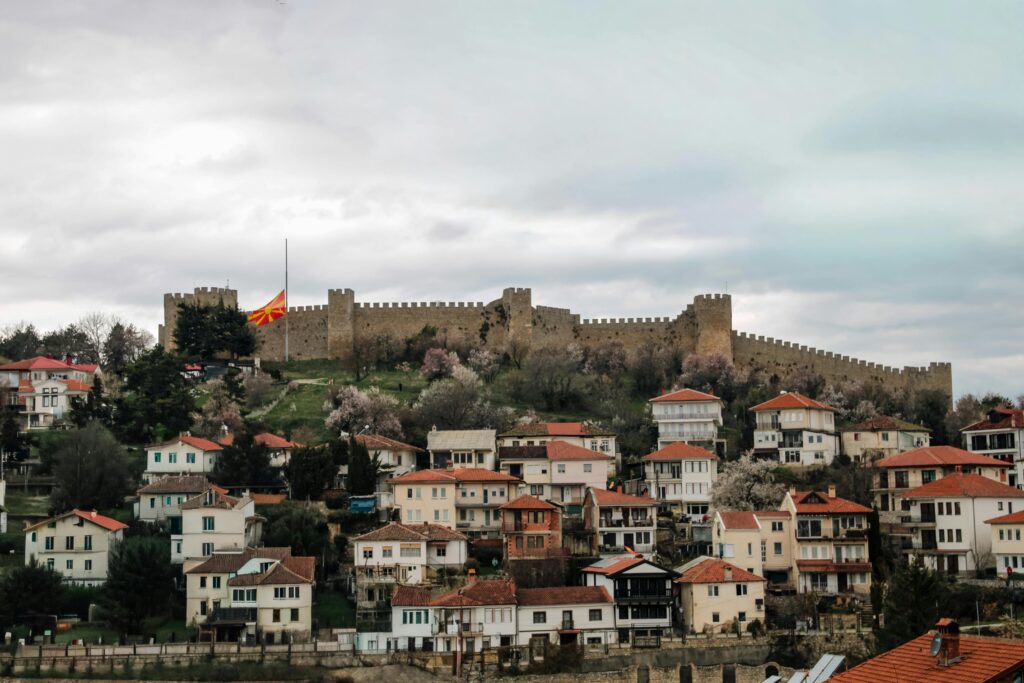
- Samuel’s Fortress — offering sweeping views
Visitors enjoy swimming, boat trips, quiet beaches, hiking above the lake, and exploring traditional fishing villages.
Unlike Croatia’s Adriatic coast, Ohrid’s beauty is not overshadowed by massive cruise ship traffic or inflated prices.
4. A Wine Industry That Rivals Europe’s Best
North Macedonia may be one of the world’s most underrated wine destinations. Its Vardar River Valley produces deeply expressive wines thanks to rich soil and abundant sunshine.
Signature grape: Vranec — a bold, velvety red with growing international acclaim.
Other highlights:
- Young, innovative boutique wineries
- Family-owned vineyards offering tastings with homemade food
- Extremely affordable high-quality bottles
Wine lovers often describe North Macedonia as “what Italy felt like 50 years ago.”
5. Cuisine Rooted in Tradition and Warm Hospitality
North Macedonia’s food blends Balkan, Mediterranean, and Ottoman flavors. Must-try dishes include:
- Tavče gravče — spiced baked beans, a national classic
- Ajvar — roasted red pepper spread
- Shopska salad — refreshing and feta-rich
- Baked lamb — slow-cooked and savory
- Burek — flaky pastry perfection
Meals are generous, unpretentious, and inexpensive, often served with rakija (fruit brandy) and warm conversation.
What CNN’s Coverage Didn’t Fully Explore
Here are key dimensions of North Macedonia’s tourism appeal that go beyond the source article:
1. Deep Religious and Cultural Heritage
North Macedonia is home to some of Europe’s oldest churches and monastic traditions, with frescoes dating back over 1,000 years.
2. A Hub for Digital Nomads
Reliable internet, low costs, stunning nature, and laid-back cities make the country increasingly attractive to remote workers.
3. Sustainable Tourism Opportunities
Small-scale, community-based tourism remains strong, especially in villages where families offer homestays and farm-to-table meals.
4. A Safe and Welcoming Destination
The country consistently ranks high for safety, hospitality, and friendly locals — important factors for solo travelers.
5. An Emerging Creative Scene
Young artists, musicians, and designers are reshaping urban culture in Skopje and Bitola.
6. A Country at the Crossroads of History
From Roman ruins to Ottoman bazaars to Yugoslav architecture, North Macedonia’s layers of identity fascinate history lovers.
FAQs: Common Questions About Traveling to North Macedonia
Q: Is North Macedonia safe for tourists?
Yes. It is considered one of the safest countries in the Balkans with very low violent crime rates.
Q: What’s the best time of year to visit?
Spring and autumn offer perfect weather and fewer crowds. Summer is ideal for Lake Ohrid.
Q: Is it expensive?
No — it’s one of Europe’s most affordable destinations, especially for food, wine, and accommodation.
Q: How many days do you need?
A 5–7 day trip lets you explore Skopje, Ohrid, Matka Canyon, and a national park.
Q: Do people speak English?
Many younger Macedonians speak English, especially in tourist areas.
Q: What’s the local currency?
The Macedonian denar (MKD). Credit cards are increasingly accepted, but cash is useful in smaller towns.
Q: Is Lake Ohrid overrated?
If anything, it’s underrated. Despite its beauty, visitor numbers remain modest compared to major European lakes.
Q: How do you get around?
Buses are common, but renting a car provides the most flexibility for exploring national parks and villages.
Q: Is North Macedonia good for hiking?
Absolutely. Trails in Mavrovo, Pelister, and the Shar Mountains offer world-class trekking with minimal crowds.
Q: Will tourism increase soon?
Most likely — the country is being discovered by more travelers each year. Many recommend visiting soon, before it becomes a mainstream hotspot.
Sources CNN

